

According to Bloomberg , citing sources, the U.S. Commerce Department has been meeting with industry experts in recent months to find ways to address security concerns raised by the new generation of smart vehicles. This could include a ban on the use and testing of Chinese technology for autonomous driving and in-car communication systems.
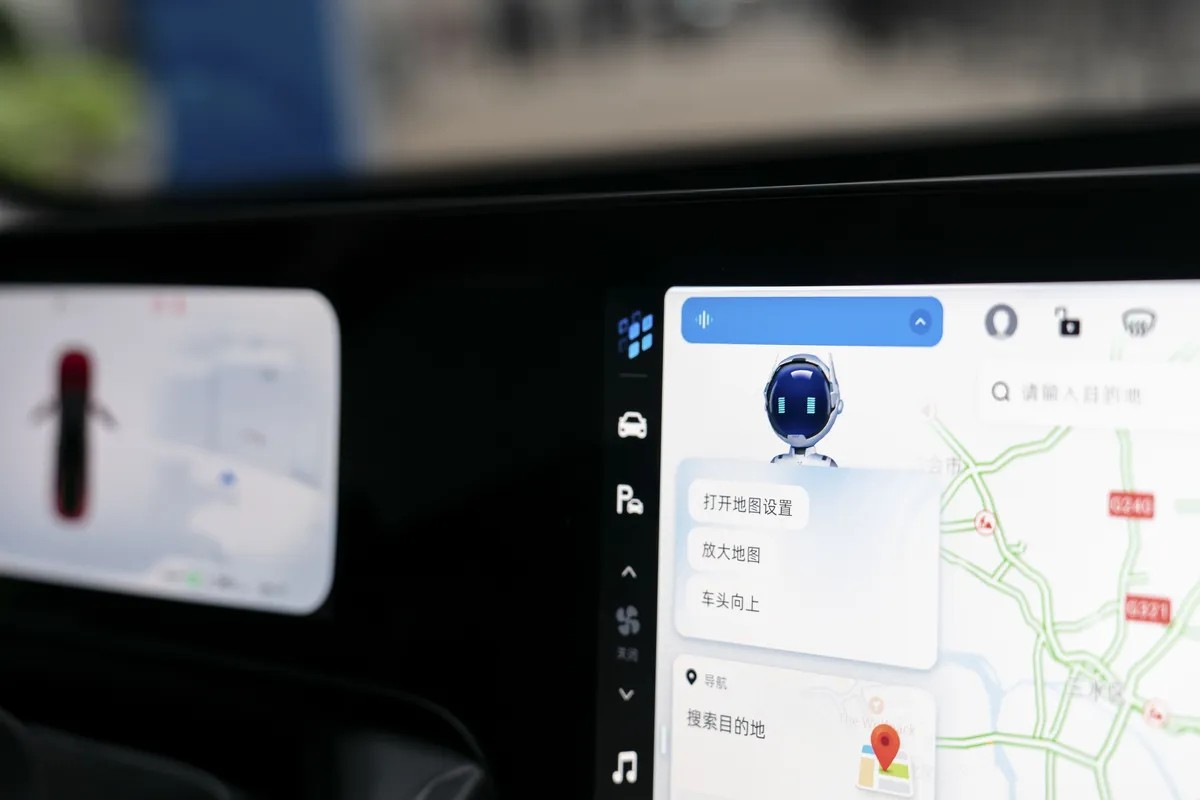
Although primarily focused on software, the proposed regulations also target some hardware, such as the V2X systems that vehicles use to communicate with road infrastructure, other smart vehicles, and the cloud.
Many cars today – whether gasoline or electric – are equipped with devices that allow them to connect to the internet or the cloud, making them targets for cyberattacks.
According to Bloomberg , these restrictions stem from an investigation into cybersecurity risks from Chinese car software launched in March.
Bloomberg notes that the regulation contains protectionist elements because most new cars are connected to at least one infotainment system, so Chinese automakers could be banned from selling in the US if their cars use this technology.
In May, the US government imposed a 100% tariff on Chinese electric cars.
Lael Brainard, Director of the White House National Economic Council, may speak in Detroit on September 23 about the Biden administration's efforts to "strengthen the American auto industry."
China has emerged as a leader in the electric vehicle and smart vehicle components market, partly thanks to government subsidies and support. In Q4 2023, BYD sold more all-electric vehicles than Tesla, and global automakers are increasingly relying on Chinese suppliers for the technology needed for smart vehicles.
For its part, China affirms its respect for the data privacy and security of its customers, and the principle of fair competition.
The U.S. Commerce Department could enforce the ban by prohibiting Chinese companies from collecting data on American drivers, particularly individuals, and sending it back to China.
The regulations will also prevent mainland suppliers from establishing a larger footprint in the U.S., giving the American auto industry time to build its own smart automotive supply chain.
According to sources, the US Department of Commerce may propose a phased implementation of the ban on various software and hardware components.
(According to Bloomberg)
Source: https://vietnamnet.vn/my-chuan-bi-cam-phan-mem-o-to-trung-quoc-2324763.html


![[Image] Central Party Office summarizes work in 2025](/_next/image?url=https%3A%2F%2Fvphoto.vietnam.vn%2Fthumb%2F1200x675%2Fvietnam%2Fresource%2FIMAGE%2F2025%2F12%2F18%2F1766065572073_vptw-hoi-nghi-tong-ket-89-1204-jpg.webp&w=3840&q=75)












![[Video] Launch of two books on history and heritage preservation](https://vphoto.vietnam.vn/thumb/402x226/vietnam/resource/IMAGE/2025/12/18/1766072185865_2663241292917005256-4230-jpg.webp)












































































Comment (0)