

Growing up in a traditional environment, guided from a young age by her grandmother - People's Artist Trinh Thi Lan (stage name Ca Tam), she has become one of the enduring figures preserving the identity of Cheo (traditional Vietnamese opera) and training the next generation of artists.
Amidst the powerful currents of modern entertainment, traditional Vietnamese opera (chèo) quietly survives, though it no longer enjoys the same dazzling status as before. Many performances attract sparse audiences, younger generations approach traditional art cautiously, and performing arts groups struggle to choose between preserving its original form or innovating to attract the public. Nevertheless, the stage still boasts a generation of passionate young actors and performances that move viewers with the simple beauty of chèo.
Faced with the challenges that the traditional Vietnamese opera (cheo) stage is currently facing, our team of reporters sought out People's Artist Doan Thanh Binh to hear her reflections on the current state of the stage and the faith she places in the next generation of artists.
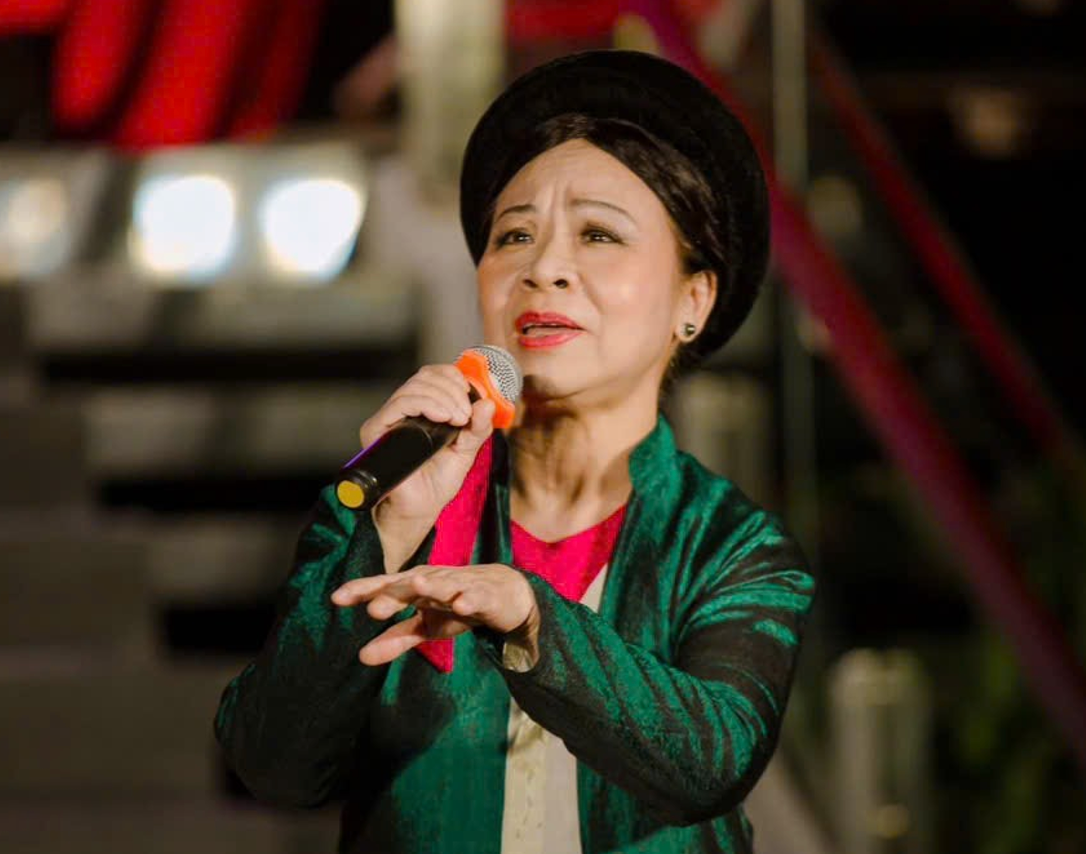
PV: Having been involved with traditional Vietnamese opera for decades, what kept you in the profession during these most challenging periods for the art form?
People's Artist Doan Thanh Binh: I am deeply attached to the art of Cheo (traditional Vietnamese opera) because I was born into a family with a long-standing tradition. From a young age, I heard the music and singing of my elders, so when I grew up and went to learn the craft, it was like continuing an existing tradition. To say it's a great responsibility might sound a bit harsh, but once you enter the profession, you truly love and are passionate about it. You just want to do it right, to bring out the essence that our elders left behind.
The hardest times were in the 1980s, when I had just given birth to my first daughter. Life was difficult, wages were meager, and neither my husband nor I had any other source of income. But this was our only profession; we couldn't bear to give it up, but we didn't know where else to go. In the evenings, my husband and I would wear headphones to learn the singing styles of the elders, and then in the mornings we would go to practice and perform. Our entire extended family was involved in this profession, so we felt even more compelled to preserve it.
The job is tough, but the harder it gets, the more I want to stick with it, because I truly love the profession and also because I want to continue the path that generations in my family have followed. Perhaps it is this love and perseverance that has kept me involved in traditional Vietnamese opera until now.
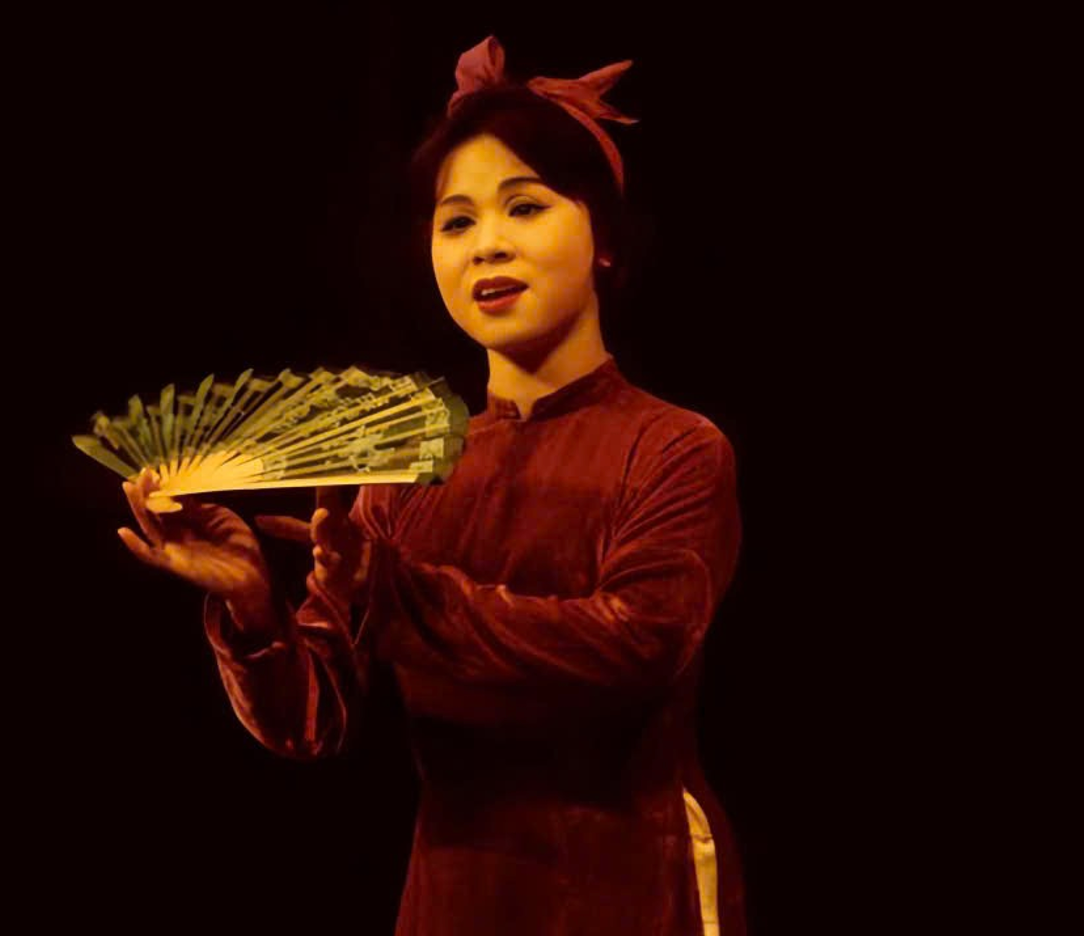
PV: Compared to when you first started your career, how have the tastes of Chèo audiences changed?
People's Artist Doan Thanh Binh: I clearly feel that the audience for traditional Vietnamese opera (cheo) is returning, especially young people. Previously, cheo performances mainly attracted older or middle-aged audiences, but now performances are usually very crowded, with many young people actively seeking them out. I think that when audiences enjoy a well-produced performance, with accurate singing, beautiful acting, and preserving the spirit of traditional cheo, they will be convinced. Many first-time viewers have shared that they were surprised at how captivating cheo can be. Conversely, if a performance is mixed with other genres, causing cheo to lose its unique character, it's easy for viewers to lose interest.
This places a responsibility on traditional Vietnamese opera (chèo) theaters to preserve and elevate the art form. Other troupes, such as the military chèo troupe, may incorporate modern themes, but for traditional chèo theaters, preserving the essence of chèo remains a crucial task. I believe that this seriousness is what allows chèo art to continue reaching audiences today.
PV: In the context of the many changes facing traditional Vietnamese opera (cheo), what are your biggest concerns regarding the preservation and promotion of this art form?
People's Artist Doan Thanh Binh: My biggest concern is the living conditions and working environment of young artists today. Insufficient and unstable income forces them to take on extra work, while traditional Vietnamese opera (cheo) requires continuous practice and daily dedication to honing their skills. When they have to divide their time between many outside jobs, the quality of their professional work is easily affected. In my time, artists almost exclusively focused on their craft, but now economic pressure makes it difficult for them to maintain a consistent training schedule.
I'm also worried about the training. Previously, I studied at a vocational school from a young age, so my voice was fresh and I learned quickly. Now, university admissions are later, and I have to study many foundational subjects, so the time for specialized training is limited. There are difficult melodies that require thorough practice, but I only get to learn them in one session, making it very difficult to reach the required standard. To sing well and authentically in the Chèo style, you need time to absorb the material and time to refine each phrase and word. If time is limited, it's very difficult to guarantee the quality of the graduates.
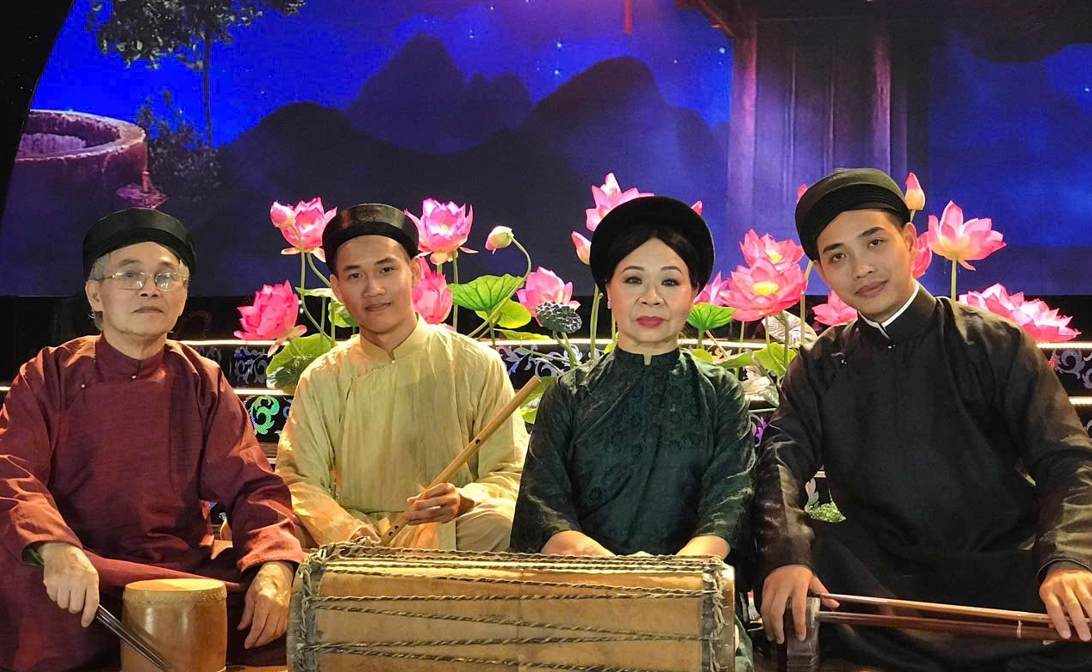
PV: So, what do you think needs to change for traditional Vietnamese opera to "survive" in modern life?
People's Artist Doan Thanh Binh: In my opinion, for Cheo (traditional Vietnamese opera) to survive sustainably in modern life, the most important thing is to create conditions for those working in the profession to make a living from it. When artists have a stable income and don't have to worry about taking on outside work, they will have time to practice and maintain the quality of their performances. Besides that, training also needs to be adjusted to increase the amount of specialized training, giving students enough time to hone their techniques and absorb the spirit of Cheo from an early age.
Another factor is the seriousness in staging and performance. When young audiences go to see a well-produced, authentic chèo play with good singing and acting, they will naturally feel the value of traditional art. There is no shortage of audiences now; it's just that we need to provide them with quality products. I believe that if we practice the craft responsibly and preserve the identity of chèo, this art form will still have a place in today's life.
PV: We understand that you are a veteran teacher of the traditional Vietnamese opera (cheo), having trained many famous artists such as People's Artist Tu Long, Meritorious Artist Ba Dung, Meritorious Artist Ngoc Bich… In your opinion, during the teaching and passing on of passion, what are the key directions and factors for young people to continue the art of cheo while still preserving its traditional essence?
People's Artist Doan Thanh Binh: In my opinion, for the younger generation to continue the tradition of Cheo (Vietnamese traditional opera) while preserving its essence, the most important thing is a commitment to rigorous training. Cheo is not an easy art form. To sing well and perform confidently, students must dedicate time to daily practice. I want my students to understand that this profession cannot be done superficially. Although life is different now, with salaries, government support, and less pressure than before, the love for the profession and seriousness must remain unchanged.
Regarding their future direction, I believe they need formal training in school. Four years of schooling is just the foundation. After graduation, they must continue to train, be given roles, perform on stage, and accumulate experience to truly master the profession. Passion is the first condition, but passion alone is not enough because the art of traditional Vietnamese opera (cheo) requires perseverance and the ability to listen. Now, conditions are better, and there are more resources, but the spirit of self-learning and persistence remain the core elements for a long-term career in cheo.
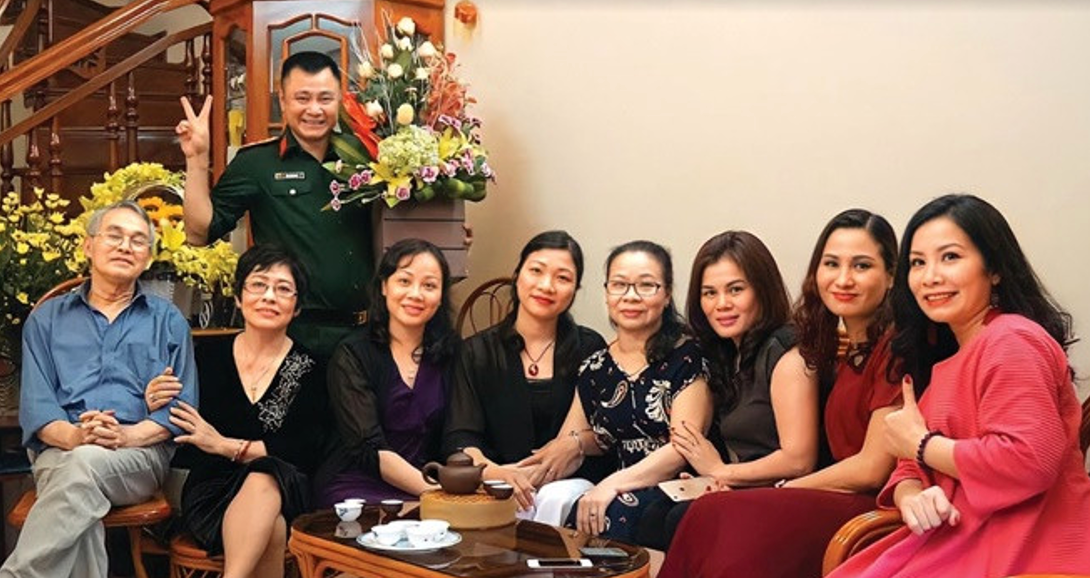
PV: Looking back on your journey of teaching Cheo (traditional Vietnamese opera) to many generations of students, what do you remember most about the process of nurturing this art form in the younger generation?
People's Artist Doan Thanh Binh: Looking back on teaching Cheo (traditional Vietnamese opera) to many generations, I remember most vividly the feeling of recognizing a student with true talent. I was also fortunate to meet many other students with good abilities who later became pillars of theaters. But there were also cases where students couldn't pursue the profession. Many entered because they loved the spotlight, but when faced with difficulties, lack of perseverance, or a lack of talent, they easily became discouraged. This profession requires persistence and sensitivity; without it, it's difficult to survive. What I remember most is the journey of watching each student progress or stop, and understanding that with Cheo, passion alone is not enough; ability and perseverance are what determine each person's path.
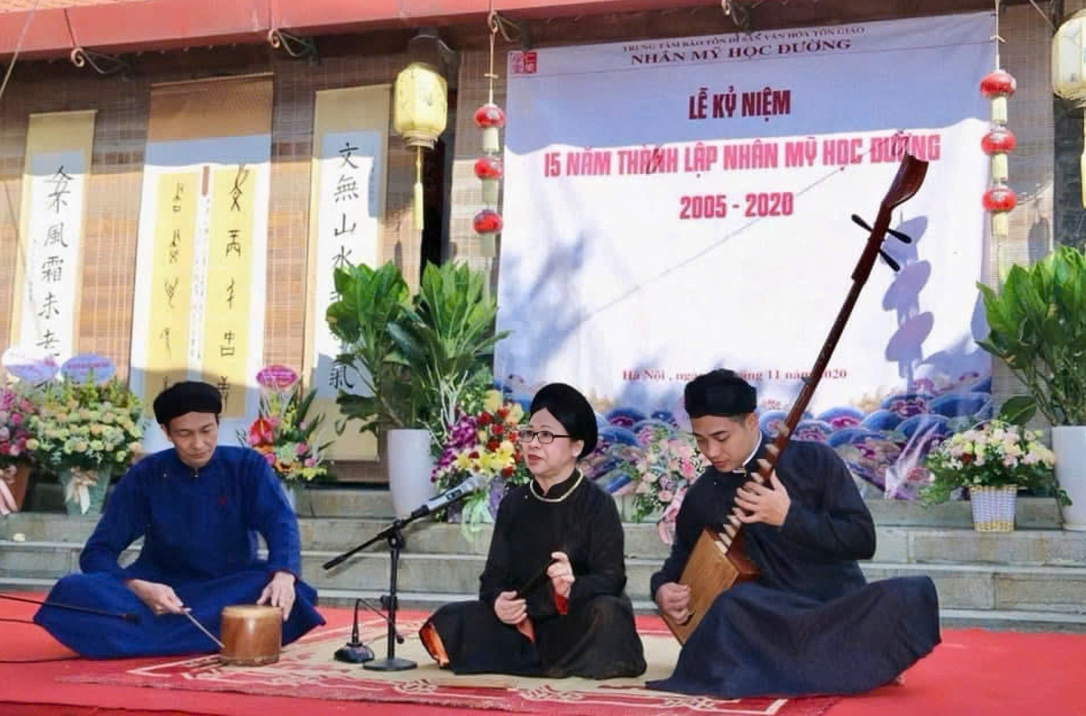
PV: When talking about the future of traditional Vietnamese opera (cheo), what message would you like to convey to the younger generation, those who can continue to keep the flame of this art form alive after you?
People's Artist Doan Thanh Binh: I only hope that the younger generation truly loves the profession and keeps the flame of Cheo (traditional Vietnamese opera) alive. Once you've chosen this path, you must be persistent and serious, because only perseverance will help you go far and spread the value of traditional art.
I also hope that when creating art, you will always maintain standards and quality. Cheo (traditional Vietnamese opera) only truly touches the audience when the performances are excellent, the singing is accurate, and the plays are meticulously crafted. If the quality is not good, it's difficult to expect others to love Cheo, because the audience cannot appreciate something that the artists themselves haven't done properly. This profession demands sacrifice; many young people may earn high money in "outside shows," but at the theater, they must accept working out of passion and responsibility to preserve this heritage.
Thank you so much for sharing your thoughts!
Source: https://congluan.vn/nsnd-doan-thanh-binh-hanh-trinh-giu-lua-and-truyen-nghe-cheo-giua-doi-song-hien-dai-10322935.html


![[Photo] Prime Minister Pham Minh Chinh receives Lao Minister of Education and Sports Thongsalith Mangnormek](/_next/image?url=https%3A%2F%2Fvphoto.vietnam.vn%2Fthumb%2F1200x675%2Fvietnam%2Fresource%2FIMAGE%2F2025%2F12%2F16%2F1765876834721_dsc-7519-jpg.webp&w=3840&q=75)
![[Image] Leaked images ahead of the 2025 Community Action Awards gala.](/_next/image?url=https%3A%2F%2Fvphoto.vietnam.vn%2Fthumb%2F1200x675%2Fvietnam%2Fresource%2FIMAGE%2F2025%2F12%2F16%2F1765882828720_ndo_br_thiet-ke-chua-co-ten-45-png.webp&w=3840&q=75)
![[Live] 2025 Community Action Awards Gala](/_next/image?url=https%3A%2F%2Fvphoto.vietnam.vn%2Fthumb%2F1200x675%2Fvietnam%2Fresource%2FIMAGE%2F2025%2F12%2F16%2F1765899631650_ndo_tr_z7334013144784-9f9fe10a6d63584c85aff40f2957c250-jpg.webp&w=3840&q=75)
![[Photo] Prime Minister Pham Minh Chinh receives the Governor of Tochigi Province (Japan)](/_next/image?url=https%3A%2F%2Fvphoto.vietnam.vn%2Fthumb%2F1200x675%2Fvietnam%2Fresource%2FIMAGE%2F2025%2F12%2F16%2F1765892133176_dsc-8082-6425-jpg.webp&w=3840&q=75)







![[Video] Exhibition space "Great Poet Nguyen Du - Remembered for a Thousand Years"](https://vphoto.vietnam.vn/thumb/402x226/vietnam/resource/IMAGE/2025/12/17/1765983645796_khong-gian-trung-bay-dai-thi-hao-nguyen-du-ngan-nam-nho-mai-3610-jpg.webp)
























![[Live] Closing Ceremony and Award Presentation for the "Impressive Vietnam Tourism" Video/Clip Creation Contest 2025](https://vphoto.vietnam.vn/thumb/402x226/vietnam/resource/IMAGE/2025/12/17/1765974650260_z7273498850699-00d2fd6b0972cb39494cfa2559bf85ac-1765959338756946072104-627-0-1338-1138-crop-1765959347256801551121.jpeg)













Comment (0)