

The numbers speak for themselves.
For many years, energy policy analysts and U.S. oil and gas officials believed that ethanol could not account for more than 10% of gasoline consumption.
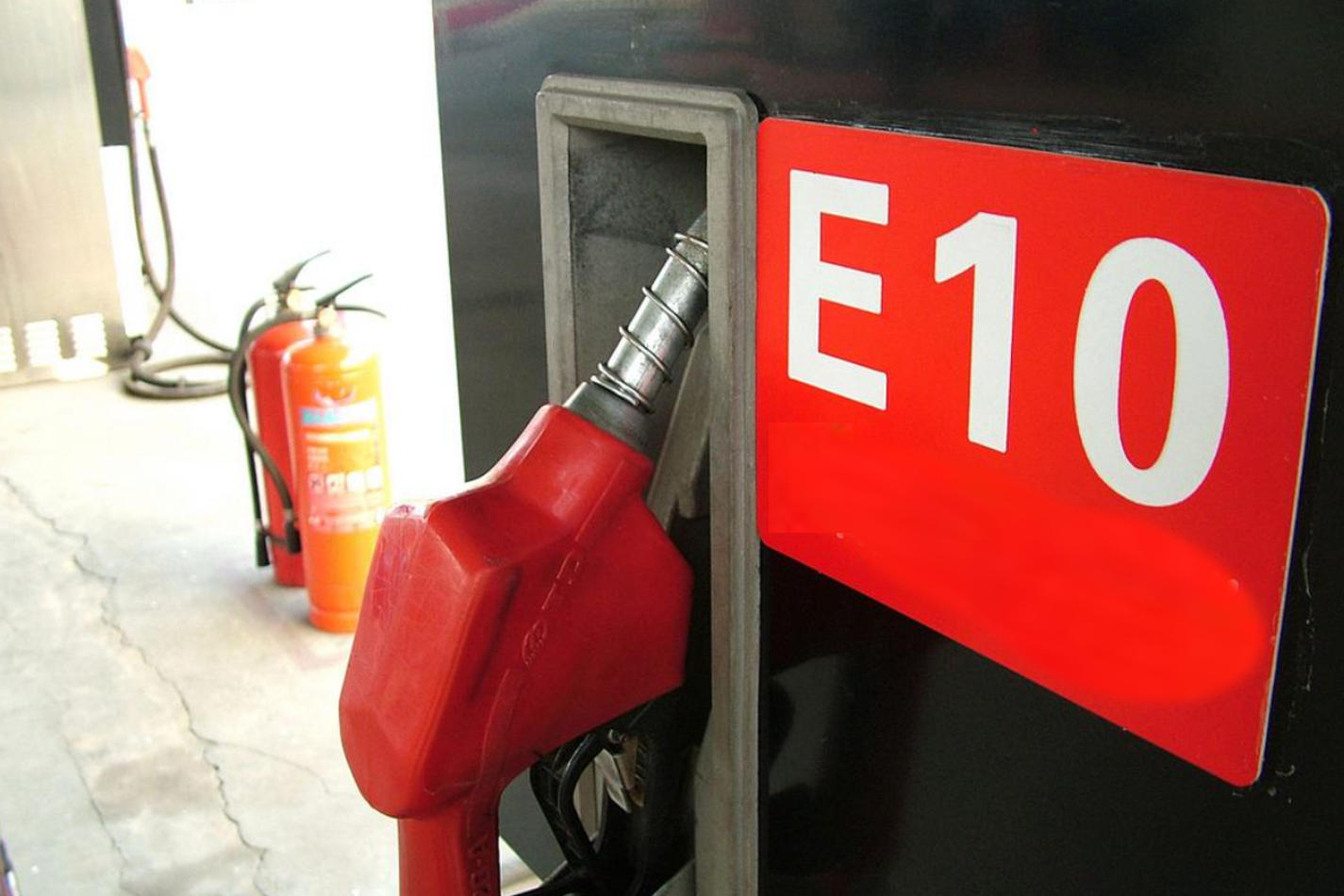
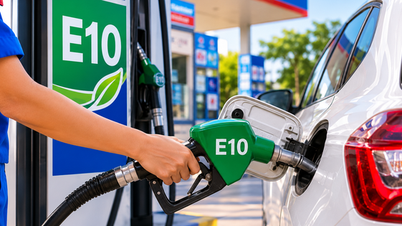
They call it the " blend wall," which is a hard limit stemming from three main barriers: (1) car manufacturers only warrant vehicles for gasoline blended up to 10% ethanol; (2) distribution infrastructure such as tanks and pumps are only certified safe at the E10 level; (3) Clean Air Act regulations also limit ethanol concentrations to this level.
The concept of a "blend wall" has been frequently mentioned in reports from the U.S. Congressional Research Service and in oil refining industry hearings as an insurmountable barrier without legal changes. But recent figures have begun to tell a different story.
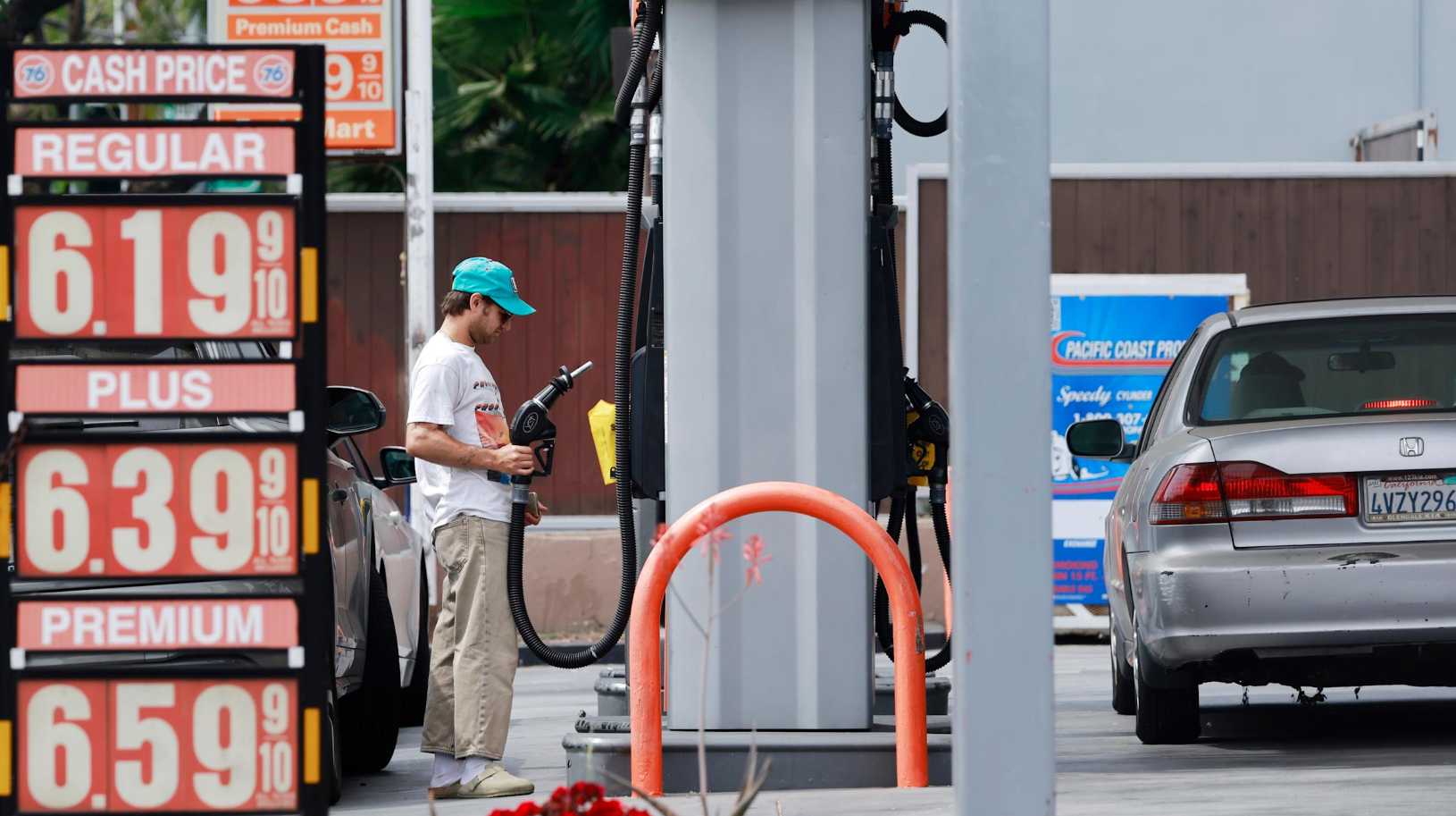
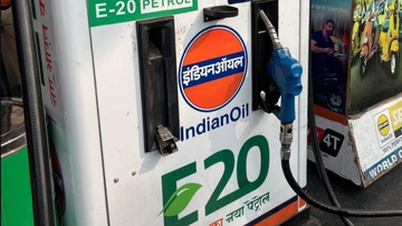
According to data from the U.S. Energy Information Agency (EIA), the percentage of ethanol blended into gasoline in the U.S. has consistently exceeded 10% since 2017. By October 2025, this figure reached 11.1%, the highest level in history.
E15 alone accounts for approximately 25% of the state's retail gasoline sales. As a result, the average ethanol content in all gasoline consumed in Iowa has increased to about 27%.
This is a special case, because Iowa is the largest ethanol-producing state in the United States. E15 alone accounted for 25% of the state's total gasoline sales within just a few months of its rollout.
"This figure proves that the 'blending wall' is just an imaginary barrier created by those opposed to renewable fuels," declared Geoff Cooper, President of the Renewable Fuels Association (RFA).
E15 Breakthrough
The biggest hurdle for E15 in the past came from the Reid Vapor Pressure (RVP) regulation, a technical standard aimed at controlling air pollution in the summer. In the US, E15 is banned from sale from June 1st to September 15th each year due to concerns about evaporation.
But starting in 2022, the US Environmental Protection Agency (EPA) began issuing emergency authorizations for E15 to be sold year-round.
By April 2025, the EPA approved a proposal from eight Midwestern states (Illinois, Iowa, Minnesota, Missouri, Nebraska, Ohio, South Dakota, and Wisconsin) to eliminate the evaporation privileges reserved for E10, allowing E15 and E10 to be sold under the same standard.
In March 2026, a more significant turning point occurred. The EPA issued an order allowing the nationwide sale of E15 and temporarily removed federal barriers to E10, effective May 1, 2026.
"This decision will directly lower gasoline prices and open up a larger market for American farmers," Agriculture Secretary Brooke Rollins stated.
A historical pinnacle
Not only is E15 gasoline being promoted for passenger cars, the US government is also pushing for clean fuel for heavy trucks.
On March 27, 2026, U.S. President Donald Trump announced the highest renewable fuel quota in 20 years, under the Renewable Fuel Standards (RFS) "Set 2" program.
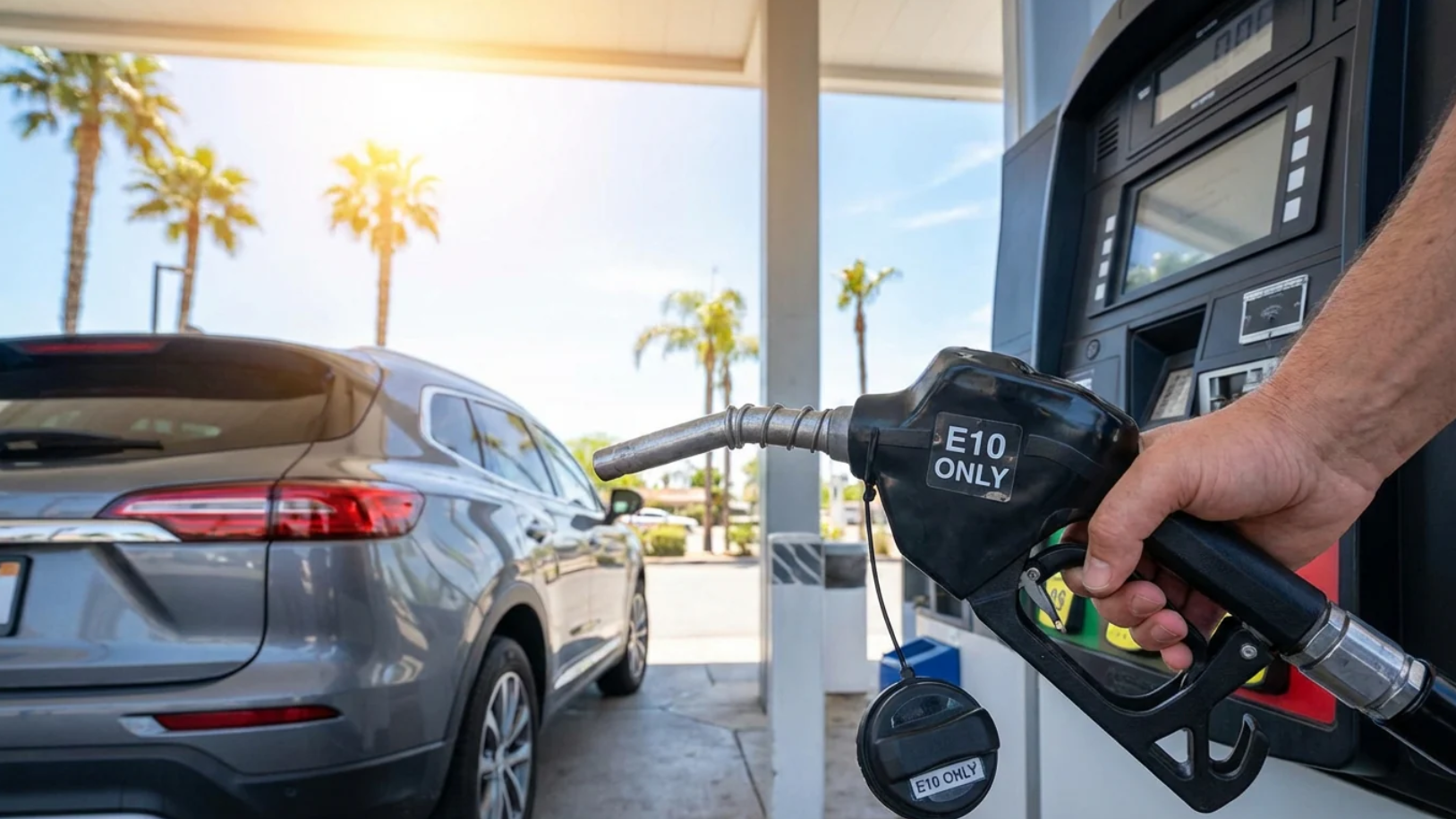
The new requirements represent an increase of over 15% compared to the 2023-2025 period. Most notably, this includes biodiesel and renewable diesel – fuels intended for trucks and heavy machinery.
The required fuel production is projected to increase to 5.4 billion gallons (approximately 20.4 billion liters) over the next two years, a 61% increase from the current 3.35 billion gallons. That's enough to fill more than 8,000 standard Olympic swimming pools.
According to estimates by the U.S. Environmental Protection Agency (EPA), this regulation will generate an additional $3-4 billion in farmers' income, inject more than $10 billion into the rural economy, and create over 100,000 new jobs.
Another noteworthy figure: each day, the United States will cut its oil imports by approximately 300,000 barrels, equivalent to the amount of oil consumed by Greece in a single day.
However, this initial success is not the end of the story. There are still challenges ahead.
Although the E15 is expanding rapidly, its long-term sustainability still depends on the decisions of the U.S. Congress.
According to EIA, RFA, EPA, USDA
Source: https://vietnamnet.vn/my-pha-vo-buc-tuong-pha-tron-xang-e10-tien-thang-len-e15-2522206.html


![[Photo] First session of the 14th Congress of the Vietnam Trade Union](https://vphoto.vietnam.vn/thumb/1200x675/vietnam/resource/IMAGE/2026/06/03/1780465947883_ndo_br_img-3852-jpg.webp)
![[Photo] General Secretary and President To Lam presides over a meeting with the Central Organizing Committee.](https://vphoto.vietnam.vn/thumb/1200x675/vietnam/resource/IMAGE/2026/06/03/1780482764658_a1-bnd-4741-3342-jpg.webp)
![[Photo] Secretary of the National Assembly Party Committee, Chairman of the National Assembly presides over the meeting of the Standing Committee and Executive Committee of the National Assembly Party Committee.](https://vphoto.vietnam.vn/thumb/1200x675/vietnam/resource/IMAGE/2026/06/03/1780480353201_ndo_br_bnd-2585-jpg.webp)














































![[Video] Sunset at Lap An Lagoon – Where the sun sets over the fishing nets](https://vphoto.vietnam.vn/thumb/1200x675/vietnam/resource/IMAGE/2026/05/31/1780192137701_beach-landscape-sea-water-nature-grass-745871-pxhere-com.jpeg)

























Comment (0)