

Over the past period, the province has focused on directing relevant departments and localities to strengthen the management of agricultural product quality; promoting information dissemination, propaganda, and guidance for organizations and individuals to strictly comply with State regulations on agricultural, forestry, and aquatic product production; and accelerating administrative reforms to create a favorable environment for people and businesses to produce and trade safe agricultural, forestry, and aquatic food products.
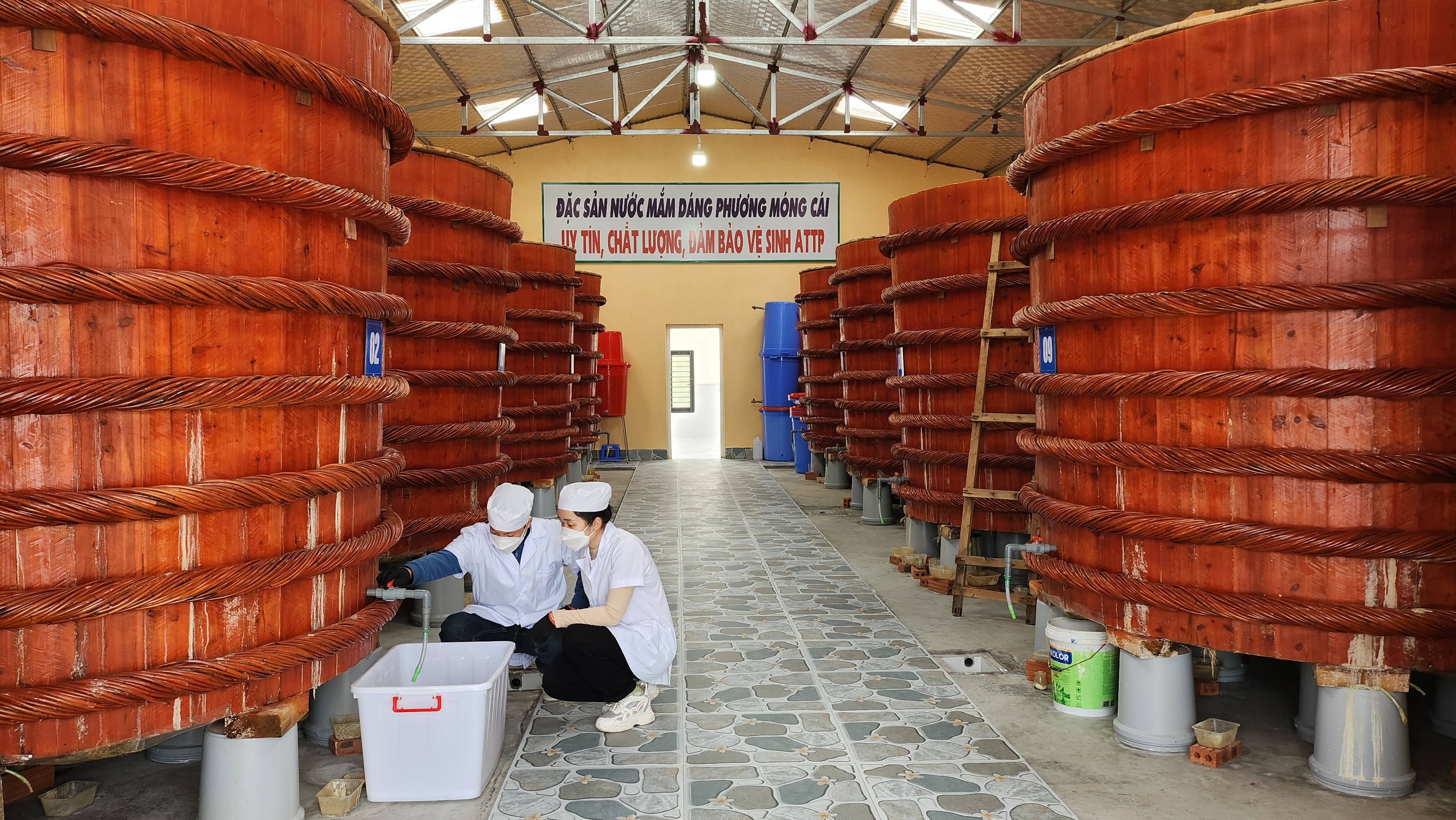
In order to raise awareness among farmers, information, education , and communication efforts are being prioritized by relevant sectors. Information and communication activities on food safety have been given attention and implemented by units and localities during holidays, Tet (Lunar New Year), and the month of action for food safety quality. In 2024, the provincial level organized 6 training conferences with 274 participating officials; the district level organized 212 training courses for over 10,000 agricultural food production and business establishments; distributed nearly 61,500 leaflets; and hundreds of news articles and reports on food safety were disseminated through mass media...
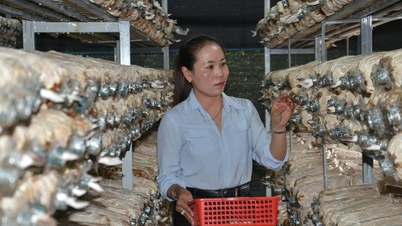
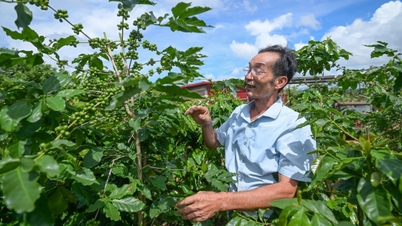
The organization of agricultural, forestry, and fisheries production and business, ensuring quality and food safety, continues to be emphasized; agricultural development is promoted towards large-scale commodity production, and the application of science and technology is strengthened. Concentrated production areas continue to be built and developed along value chains, organically and circularly, reducing emissions; organic farming areas (organic rice, organic tea) are formed and maintained; the issuance and management of planting area codes for export and domestic consumption are strengthened, product quality is improved, and a stable position is secured in the consumer market.
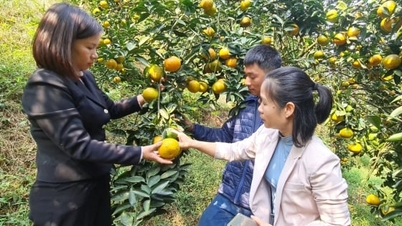
Currently, several concentrated commodity production areas for rice, vegetables, and fruit trees have been established in the province, covering an area of approximately 6,358 hectares (corresponding to over 10,900 hectares of cultivated land); about 1,100 hectares of crops are maintained according to good agricultural practices, of which 322.35 hectares have been certified VietGAP; 90 hectares of rice and 329 hectares of cinnamon (with a yield of approximately 479 tons/year) have been certified as organic. To date, 63 planting area codes have been issued with a total area of over 1,528 hectares (including 46 codes for export and 17 codes for domestic consumption).
Many advanced technologies and production models in crop cultivation, applying scientific and technological advancements to agricultural production, are being widely adopted. Common examples include cultivation in greenhouses and polytunnels, the application of insect monitoring systems, and water-saving irrigation. Integrated pest management programs are being actively implemented, contributing to effective control of plant pests, minimizing the use of pesticides, and promoting the rational use of agricultural inputs. This creates favorable conditions for applying sustainable, environmentally friendly production techniques, saving resources and energy in production.
Livestock farming activities have also undergone significant changes, shifting from small-scale, scattered farming to household and farm-based farming applying science and technology. Aquaculture activities have been reorganized in terms of farming space and developed along the value chain.
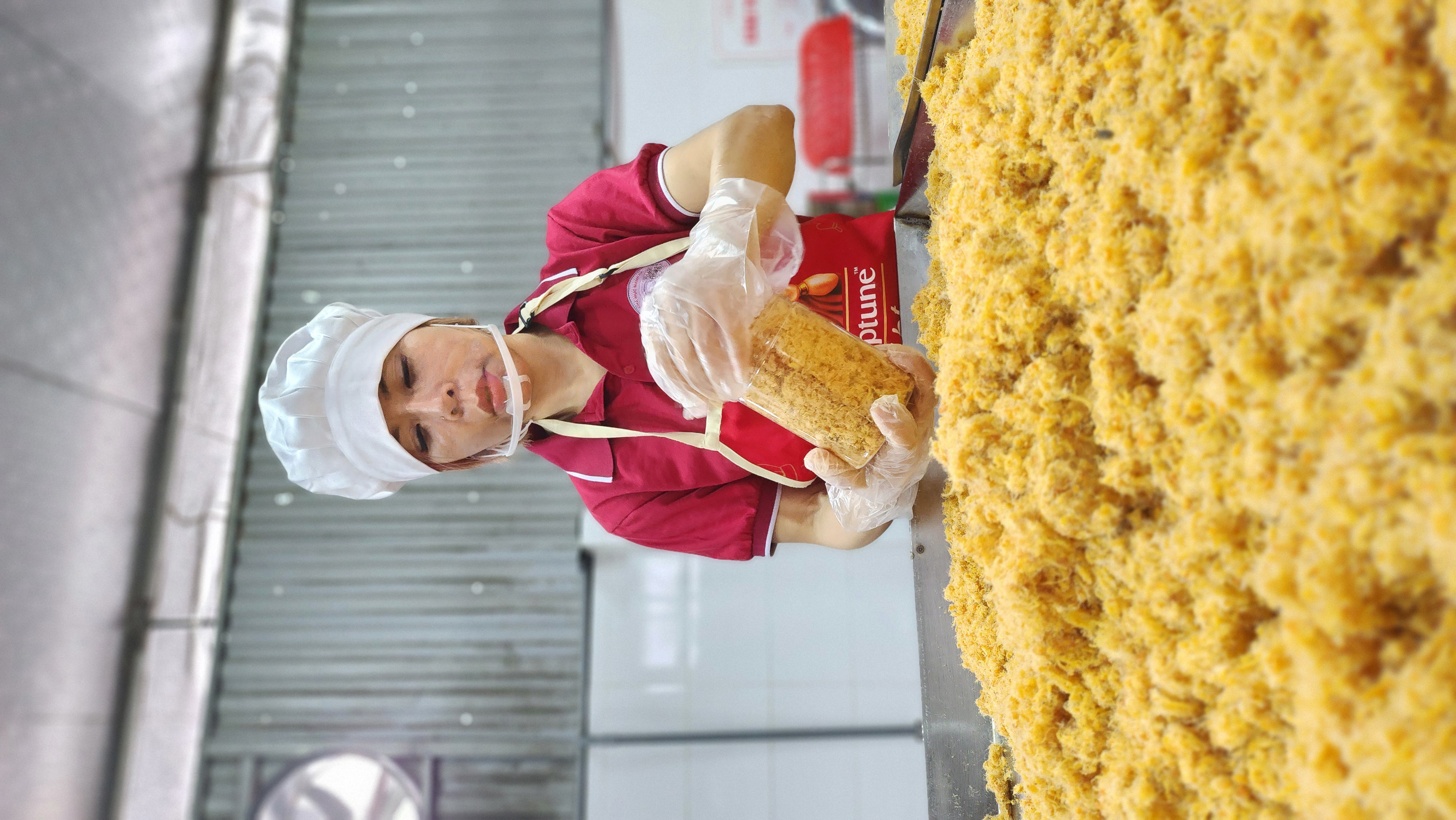
For agricultural, forestry, and aquatic product processing facilities, most have established and implemented advanced quality management programs (GMP, SSOP, HACCP, ISO 22000...).
The entire province has issued food safety certificates to food production and business establishments in the agricultural, forestry, and fisheries sectors, achieving 100% of the plan (999 establishments); and organized the signing of commitments to safe food production and business, achieving 100% of the plan (25,759 establishments). Units proactively organized product sampling and monitoring of pesticide residues, veterinary drug residues, chemicals, preservatives, food additives, microorganisms, and food safety for key agricultural, forestry, and fisheries products, high-volume products, and OCOP products in the province, from production, preliminary processing, processing to distribution and consumption, in order to promptly detect and warn of risks and stages that compromise food safety for products in the province.
In addition, focus on exploiting and utilizing the database system for tracing the origin of safe agricultural, forestry, and aquatic products. By the end of 2024, 2,489 QR codes had been created for agricultural and aquatic products participating in the system; and 343,073 QR code labels for tracing the origin of agricultural, forestry, and aquatic products had been printed and distributed.
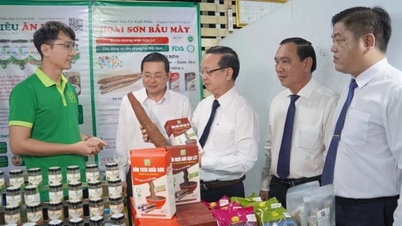
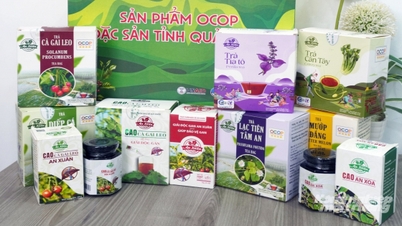
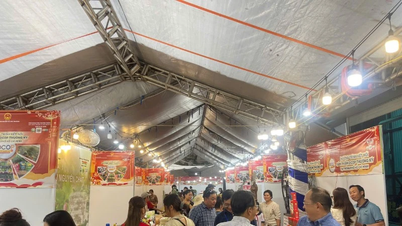
At the same time, development continues in the direction of improving the quality of OCOP products; to date, the entire province has 405 OCOP products from 13 localities that have achieved 3-5 stars, and in 2024, there are 4 potential products to compete for 5 stars at the national level; there are 178 production entities with products that have achieved 3-5 stars.
Source

































































Comment (0)