

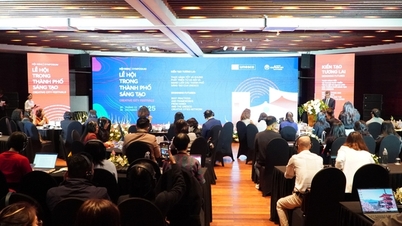
The 4th meeting of the Food Safety Technical Working Group (FSTWG) of the One Health Partnership (MSK) took place on December 5 in Hanoi , focusing on updating policies and agreeing on priorities for the period 2026-2030. The meeting was held in the context of the 10th anniversary of the FSTWG - the first multi-sectoral cooperation platform on food safety under the One Health framework in Vietnam.
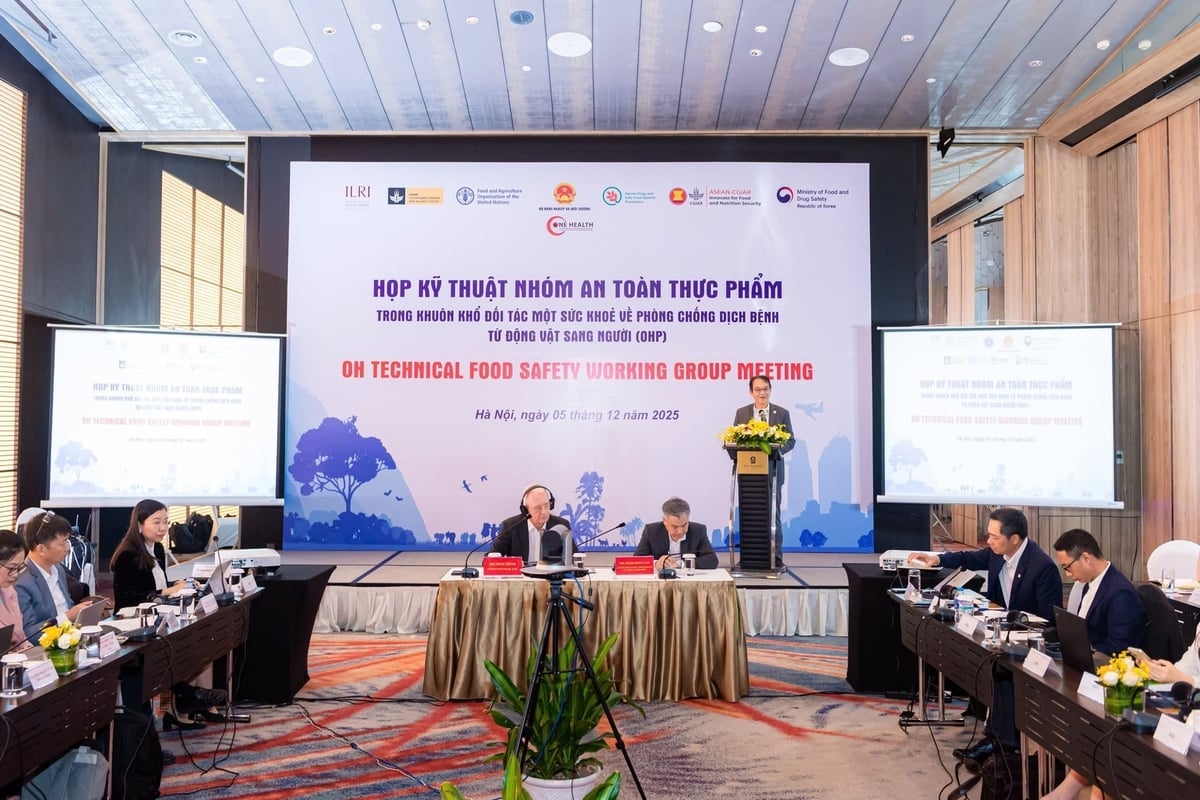
The 4th meeting of the Food Safety Technical Working Group (FSTWG) of the One Health Partnership (MSK) took place on December 5. Photo: OHP.
At the event, the parties agreed that food safety continues to be a pillar of the One Health Framework in Vietnam, due to its direct impact on public health, trade competitiveness and the sustainability of the food system. Reality shows that the number of foodborne diseases tends to increase, while antibiotic resistance, strict requirements from the EU, Japan, and the US markets and the rapid pace of change in the food supply chain put new pressure on management. This requires a deeper multi-sectoral coordination model, based on scientific evidence and risk monitoring throughout “from farm to fork”.
Dr. Nguyen Viet Hung, Director of the International Livestock Research Institute (ILRI) Asia region, emphasized that after a decade of operation, the FSTWG has become an important forum for sharing information, promoting cooperation and proposing food safety policies at the national level, covering many stages of the supply chain and many risk groups. He said that the development of the FSTWG is associated with many notable milestones such as the Vietnam Food Safety Report 2017 published by the World Bank with technical support from ILRI; projects from Canada, the International Finance Corporation (IFC), New Zealand; the Livestock Competitiveness and Food Safety Project (LIFSAP); large-scale food safety studies; the restructuring of the domestic food safety management system; and most recently, the establishment of the Risk Assessment Center under NIFC (National Institute for Food Safety Control).
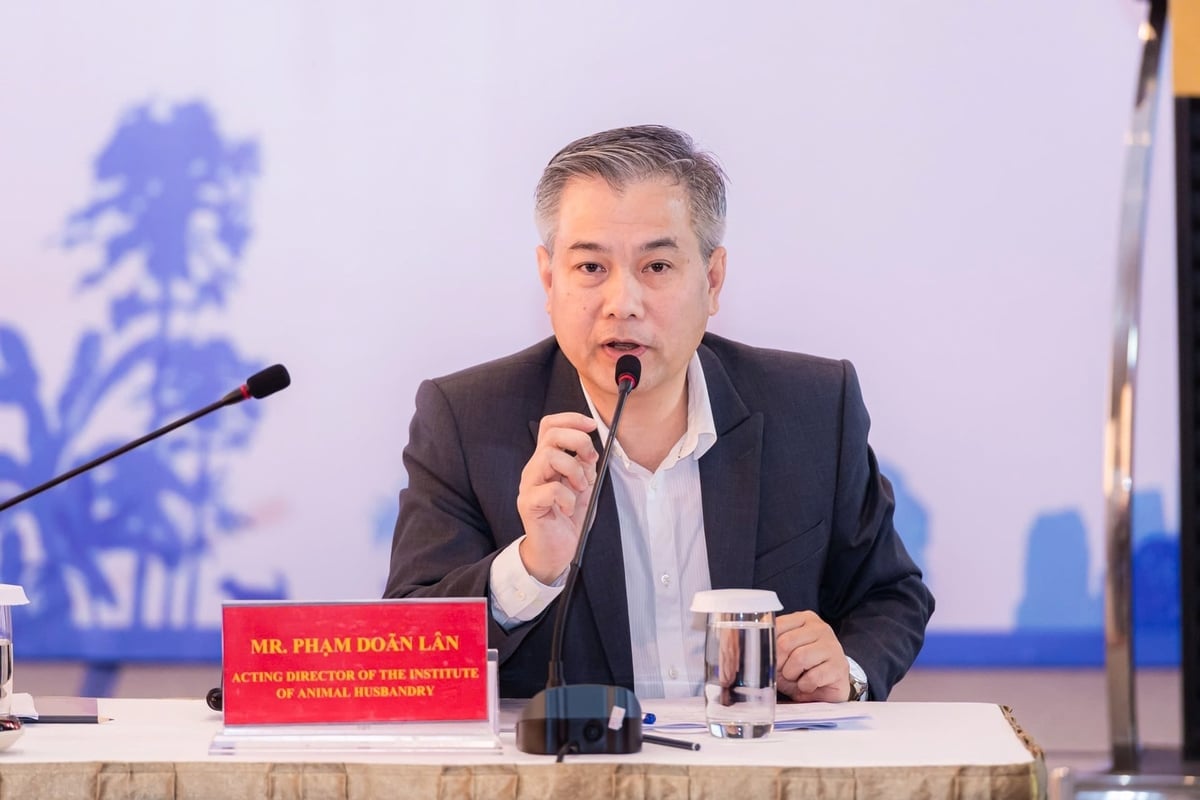
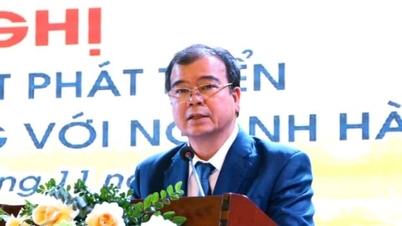
Associate Professor, Dr. Pham Doan Lan, Acting Director of the Institute of Animal Husbandry. Photo: OHP.
According to Mr. Hung, the 4th meeting is an important opportunity to shape priorities for the 2026-2030 period, focusing on completing the legal framework, upgrading the monitoring and laboratory systems, expanding interventions along the value chain, strengthening public-private partnerships and improving data sharing. The effective operation of the rapid warning system was also emphasized to minimize risks and ensure transparency in food safety management.
Based on the analysis of the current situation, the FSTWG agreed on five key priority groups for the coming period. The first is to complete a modern legal framework, approaching international standards, in which microbiological standards and risk assessment procedures are considered important foundations. The second priority is to strengthen the capacity of the testing system, especially for pathogenic microorganisms, antibiotic resistance and gene sequencing (WGS), and to establish a rapid warning mechanism connecting veterinary, medical and industry and trade.
Expanding chain-based and risk-based management models is identified as the third priority. These models will be piloted in key provinces, aiming to more effectively control traditional markets and small slaughterhouses - high-risk points but still playing a central role in food distribution. The fourth priority is to strengthen communication and raise public awareness, targeting businesses, farmers, schools and consumers. The final priority group focuses on promoting public-private partnerships and mobilizing international resources, encouraging businesses, retail systems and industry associations to participate in innovating food safety management models.
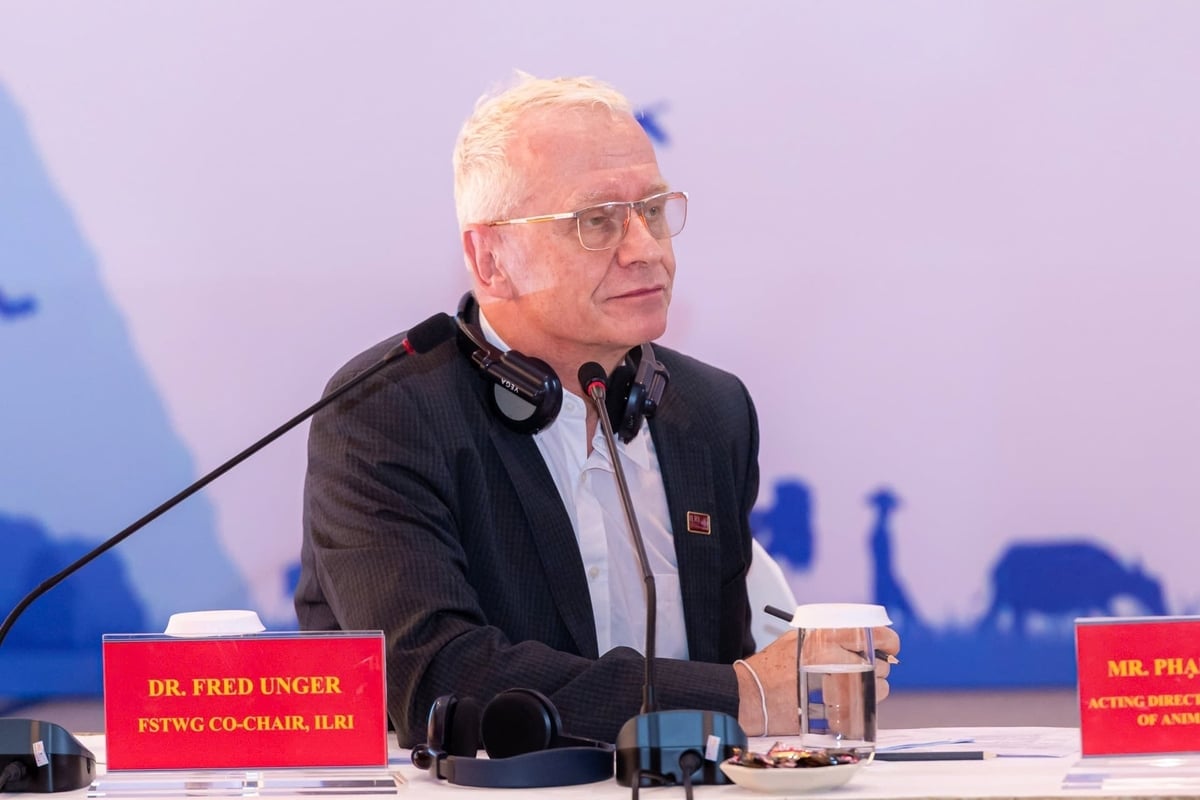
Mr. Fred Unger, Co-Chair of FSTWG. Photo: OHP.
The meeting agreed to hold the 5th session around January - June 2026, focusing on implementing the new phase of the FSTWG, reviewing the 2026 - 2030 Food Safety Plan and selecting in-depth topics suitable to practical needs. From the FAO side, Dr. Pawin Padungtod, Senior Technical Coordinator of the ECTAD Center, assessed that the FSTWG has developed from a modest structure into a dynamic multi-stakeholder community, having a clear influence on Vietnam's food safety policy. He emphasized Vietnam's progress in modernizing management, applying a risk-based approach, strengthening surveillance and improving institutions, while pointing out new challenges from antibiotic resistance, climate change, rapid urbanization and changes in production models.
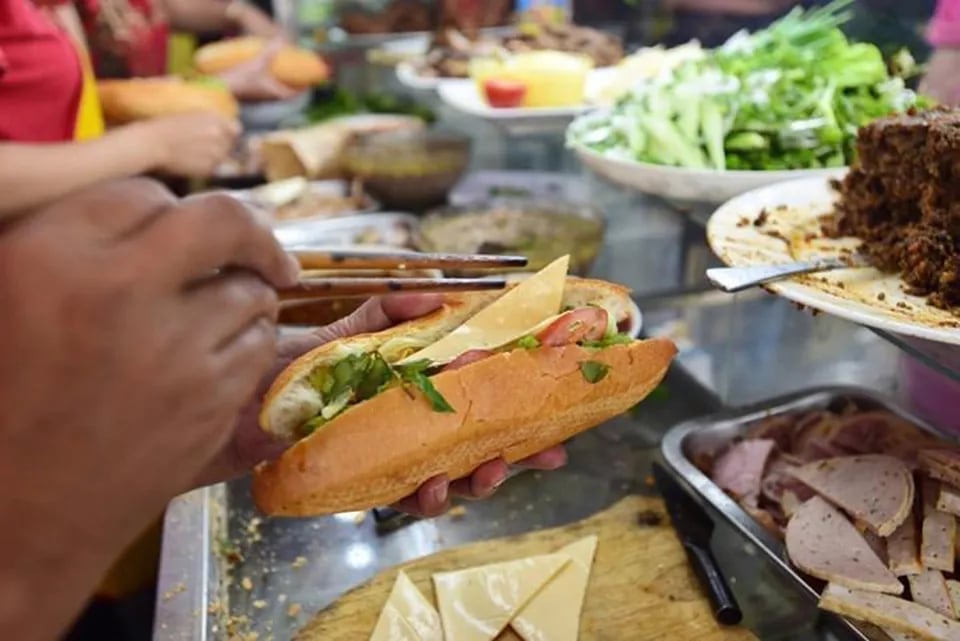
Vietnam has made significant progress in modernizing management, applying a risk-based approach, strengthening supervision and perfecting institutions. Photo: Kinhtedothi.
FAO affirmed to continue cooperating with the Government of Vietnam in improving food safety and hygiene in pork, poultry and seafood chains; developing risk assessments, management strategies and risk communication.
The closing session devoted time to thanking Mr. Fred Unger, Co-Chair of FSTWG, who has been involved in the formation and operation of the multi-sectoral food safety coordination mechanism in Vietnam for many years. Associate Professor, Dr. Pham Doan Lan, Acting Director of the Institute of Animal Husbandry, highly appreciated the support of him and ILRI, noting that it was one of the important factors helping the group maintain effective operations and develop into a typical cooperation model of the One Health framework.
Source: https://nongnghiepmoitruong.vn/viet-nam-dinh-hinh-cac-uu-tien-ve-an-toan-thuc-pham-giai-doan-2026-2030-d787987.html


![[Photo] Cat Ba - Green island paradise](/_next/image?url=https%3A%2F%2Fvphoto.vietnam.vn%2Fthumb%2F1200x675%2Fvietnam%2Fresource%2FIMAGE%2F2025%2F12%2F04%2F1764821844074_ndo_br_1-dcbthienduongxanh638-jpg.webp&w=3840&q=75)

![[Photo] 60th Anniversary of the Founding of the Vietnam Association of Photographic Artists](/_next/image?url=https%3A%2F%2Fvphoto.vietnam.vn%2Fthumb%2F1200x675%2Fvietnam%2Fresource%2FIMAGE%2F2025%2F12%2F05%2F1764935864512_a1-bnd-0841-9740-jpg.webp&w=3840&q=75)







































































Comment (0)