

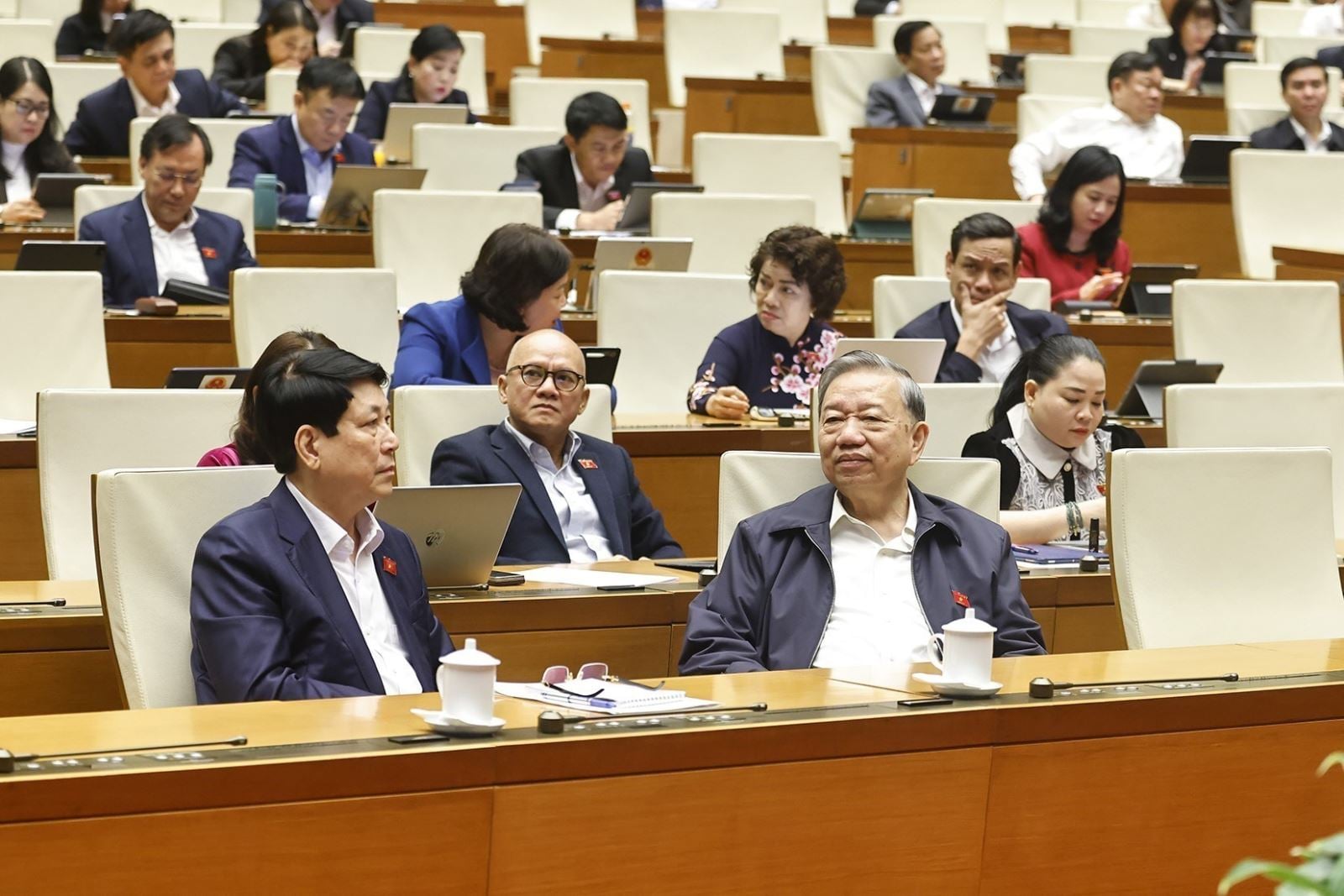
Extend support period to 2035
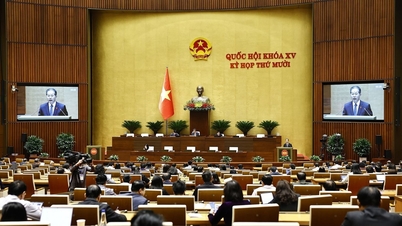
The majority of National Assembly deputies agreed and approved the merger of the three National Target Programs (NTPs) to overcome the shortcomings and limitations of the previous period. However, there were also concerns that the merger could reduce policies and investment resources for ethnic minority and mountainous areas.
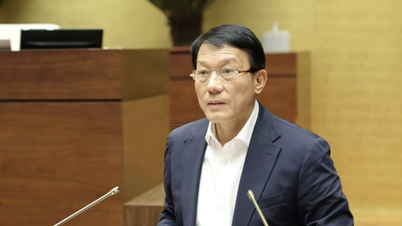
Minister Tran Duc Thang said that the policy of merging into one program demonstrates the Government 's determination to make people have a prosperous and happy life, especially in ethnic minority and mountainous areas.
To achieve this goal, Minister Tran Duc Thang said that, in addition to the general goals, we will continue to focus on prioritizing new rural construction with sustainable poverty reduction and socio-economic development of ethnic minorities and mountainous areas. Improve implementation efficiency, avoid policy overlap and duplication; decentralize and delegate power thoroughly to localities. Extend the support period to 2035 (instead of 2030) as in the current program to focus long-term resources for more synchronous and effective investment. The integration does not reduce policies or narrow the scope of support, but creates conditions for more concentration and priority for ethnic minority and mountainous areas, which are currently the core of poverty in the country.
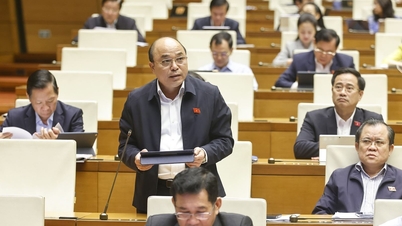
During the discussion session, some National Assembly deputies were concerned and asked to clarify the basis for determining the feasible target, consistent with the resources and context of the 2026 - 2030 period, avoiding setting too broad a target; Minister Tran Duc Thang said: The target is to have 65% of communes meeting new rural standards, while in the 2021 - 2025 period the whole country has reached nearly 80%. Before the implementation of two-level local government, the whole country had 79.3% of communes meeting new rural standards according to the National Criteria for the 2021 - 2025 period.
According to the review results of localities, after the merger, about 65.6% of communes nationwide are capable of meeting new rural standards according to the criteria for the 2021 - 2025 period. Currently, the set of new rural criteria for the 2026 - 2030 period has completed the procedures and will be submitted to the Prime Minister for promulgation in December 2025 in the direction of inheriting, supplementing and improving the set of criteria for the 2021 - 2025 period.
According to the review of the Ministry of Agriculture and Environment, currently about 42% of communes basically meet the regulations of the new set of criteria for the period 2026 - 2030 and it is expected that these communes will be recognized as meeting new rural standards in 2026 - 2027. The remaining communes, mainly in disadvantaged areas, ethnic minority and mountainous areas, about 25% will be prioritized with resources to achieve new rural standards by 2030. "Thus, the goal of striving for about 65% of communes to meet new rural standards by 2030 is feasible," Minister Tran Duc Thang affirmed.
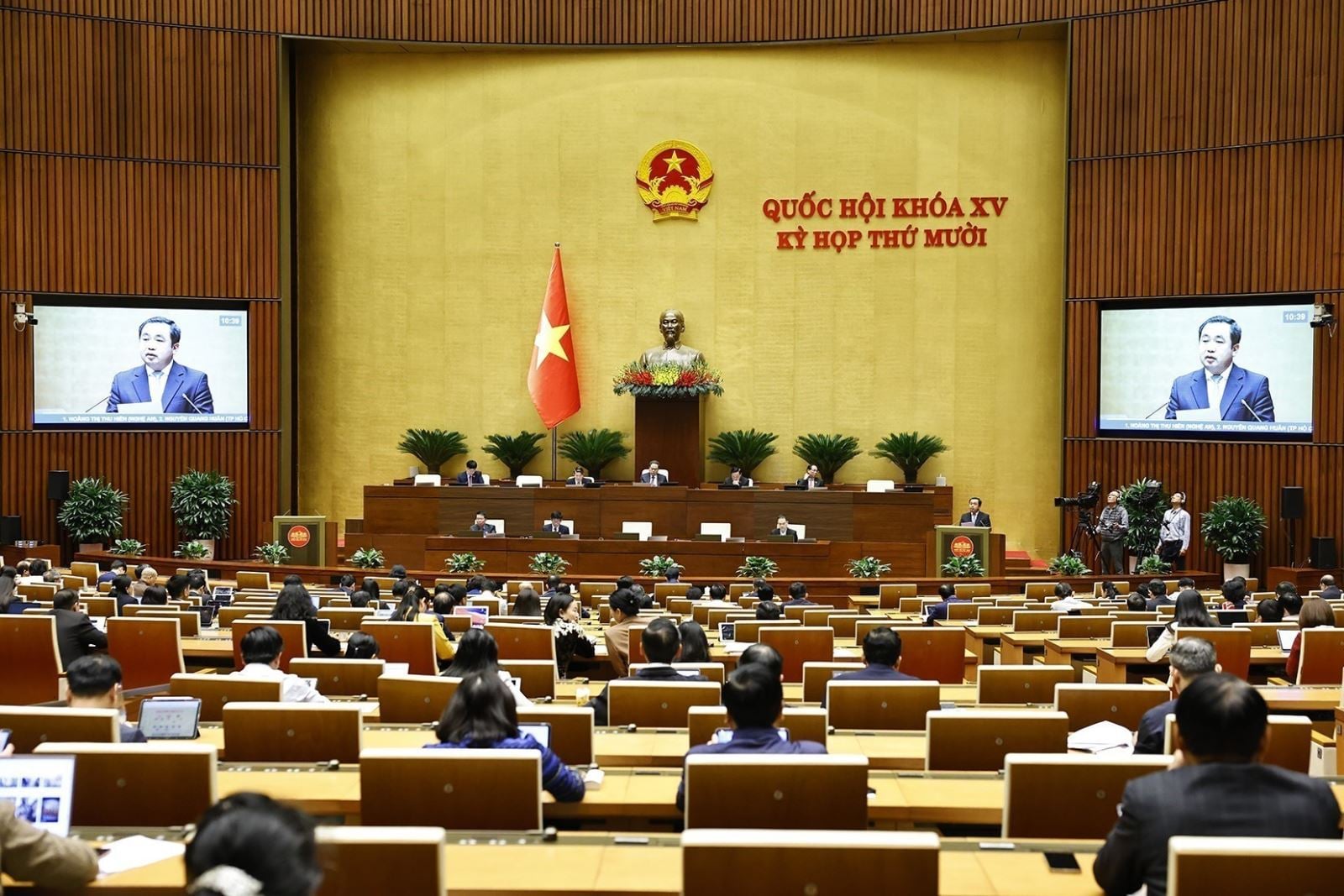
Prioritize resources for the program
Regarding the target of maintaining the multidimensional poverty reduction rate at 1 - 1.5%/year and 100% of poor communes escaping poverty, Minister Tran Duc Thang said: The target of reducing the multidimensional poverty rate is affirmed in the Resolution of the 13th National Congress of the Party and Directive No. 05 of the 13th Party Central Committee Secretariat on strengthening the Party's leadership in sustainable poverty reduction by 2030.
In fact, by the end of 2025, the multidimensional poverty rate will be about 0.9% - 1%, with an average decrease of over 1% per year in the 2021 - 2025 period. It is expected that the multidimensional poverty rate according to the new poverty standard in the 2026 - 2030 period will be about 9.6%, equivalent to the 2022 - 2025 period. Thus, the above target is consistent with the Party's policy, practical results and feasible in the country's socio-economic conditions in the 2026 - 2030 period.
Regarding the investment capital for the program, some delegates were concerned that the allocation of 100,000 billion VND of central budget capital for the Program was low, while the policies and objectives were high, and the ability to mobilize resources in ethnic minority and mountainous areas was difficult. Minister Tran Duc Thang agreed with the opinions of the National Assembly delegates, because the Program has a scope and scale covering the whole country with almost all the contents and tasks of socio-economic development in rural areas, in which priority is given to ethnic minority and mountainous areas. Therefore, the immediate allocation of 100,000 billion VND of central budget capital is limited.
“However, in the period of 2026 - 2030, besides this program, there are 4 other national target programs being implemented in the area as stated by delegate Tran Hoang Ngan (Ho Chi Minh City National Assembly Delegation). These programs have similar goals with a capital source of about 360,000 billion VND. Along with that, the sustainable development program for the Mekong Delta region, the program for stabilizing population in mountainous areas and difficult areas have been included in the draft Resolution of the 14th National Party Congress, expected to focus on investment in the period of 2026 - 2030 and other capital sources such as: Social policy credit sources, commercial credit capital for investment in agriculture, farmers, rural areas, capital of enterprises and mobilizing voluntary contributions from the community and people. To achieve the goals and tasks of the program, during the operation process, the Government will continue to balance the central budget to report to the National Assembly for priority "Additional measures will be made to suit actual conditions," said Minister Tran Duc Thang.
Some opinions of National Assembly deputies said that the regulation of local capital source of 400,000 billion VND is too large, beyond the balancing capacity of localities, especially disadvantaged localities. Minister Tran Duc Thang said: Local budget capital for implementation is the total two-level local budget capital of 34 provinces and cities allocated for the program, including 7 self-balancing localities and 27 localities receiving support from the central budget.
“This is one of the main sources reflecting the proactive and responsible role of local Party committees and authorities in implementing the Program's objectives in the locality for the 2021-2025 period. Of the total of nearly 300,000 billion VND of local capital allocated to implement the 3 National Target Programs, the capital of 16 provinces and cities that balance their own budgets accounts for about 65%. For the remaining 47 provinces, the proportion of counterpart capital of localities is regulated in accordance with the proportion of support received from the central budget and the actual conditions of the locality. In particular, in difficult localities, the proportion of counterpart capital is only about 5% compared to the capital supported by the central budget,” said Minister Tran Duc Thang.
According to Minister Tran Duc Thang, taking into account the opinions of the National Assembly Standing Committee, the review opinions of the Ethnic Council and the opinions of the National Assembly deputies, the Government will continue to review and balance to determine the most appropriate budget capital for localities. Some National Assembly deputies requested clarification of the principles and criteria for capital allocation, with priority given to ethnic minority and mountainous areas.
Minister Tran Duc Thang said that the principles and criteria will be issued by the Prime Minister, focusing on giving the highest priority to ethnic minority and mountainous areas compared to other areas. Localities will decide and be responsible for allocating details to projects to implement specific goals and targets of the program.
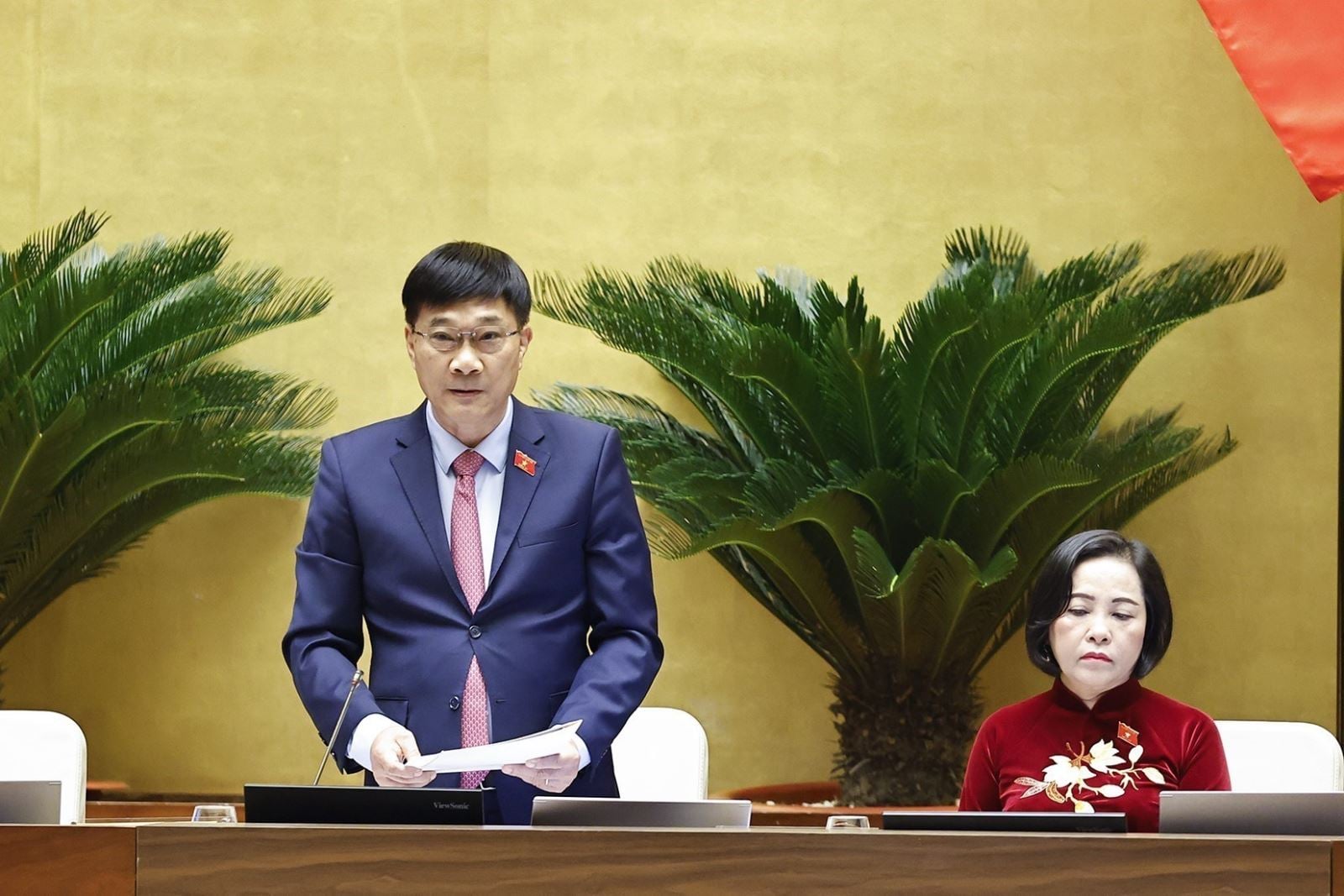
At the latest, by January 2026, all guiding documents will be issued.
Many National Assembly deputies suggested that it is necessary to review and clarify the inappropriate, overlapping, and non-overlapping investment contents between components and contents of other national target programs. Minister Tran Duc Thang said: In the process of building the program, the Government has directed the consolidation principle of stable inheritance, no interruptions, no abolition of effective policies. Only review and rearrange in the direction of focus, clear areas, and responsible subjects.
Accordingly, the program is designed with two clear components, a general component to be implemented nationwide and a specific component for ethnic minority and mountainous areas. Each specific task is only arranged in one component based on the principle of clear content, clear resources, clear beneficiaries; at the same time, it is arranged with other national target programs to avoid duplication of investment, not to miss poor communes and especially difficult areas.
In addition, to overcome the limitation of slow issuance of guiding documents, the Government assigned the Ministry of Agriculture and Environment to preside over and coordinate with the Ministry of Ethnic Minorities and Religions and relevant ministries and branches to unify the issuance of guiding documents for the implementation of the Program to ensure consistency and clarity of content immediately after the National Assembly approves the investment policy of the Program.
It is expected that by January 2026 at the latest, full guidance documents will be issued for localities to implement.
Some National Assembly deputies are still concerned about the omission of areas and subjects, and at the same time recommend that there should be transitional regulations so that people can continue to enjoy the policies. Minister Tran Duc Thang said: The integrated program has fully inherited the policies and results achieved in the period 2021 - 2025, not abolishing or reducing effective policies, ensuring that people continue to fully benefit, especially focusing on priority for poor communes in ethnic minority and mountainous areas.
In addition, the Government has issued a Decree on the delimitation of ethnic minority and mountainous areas for the period 2026 - 2030 and is preparing to issue a Decree on multidimensional poverty standards for the period 2026 - 2030, a decision on poor commune criteria, and a set of national criteria for new rural areas at all levels for the period 2026 - 2030 to ensure that when the program is implemented, there will be no legal gaps; policies will be transferred smoothly as soon as the National Assembly allows the extension of the implementation period and disbursement of the state budget of the remaining national target programs in 2025. The Government assigns relevant ministries and branches to guide the transition regulations between the two phases.
Regarding the organization of program implementation, the majority of National Assembly deputies agreed to assign an agency to be the program owner. However, to clearly define the management model, the role of the program owner, the presiding agency for each component, the content and coordination mechanism, and accountability. Minister Tran Duc Thang said: To create unity, synchronization, and clarity in the organization and implementation, especially in developing documents guiding the program implementation associated with specific responsibilities, the Program is built according to the principle of one focal point for the Program owner; Ministries and branches preside over the content associated with the functions and tasks of state management, and at the same time are responsible for accountability.
“The Government has assigned the Ministry of Agriculture and Environment as the program agency responsible for synthesizing the explanatory report. Taking into account the opinions of the National Assembly Standing Committee, the review opinions of the Ethnic Council, and the opinions of National Assembly deputies, the drafting agency will study the Report and submit it to the Government for consideration and assignment of tasks among ministries and branches; especially the Ministry of Ethnic Minorities and Religions with the highest principle of completing the program's objectives,” said Minister Tran Duc Thang.
Many National Assembly deputies proposed to strengthen decentralization and delegation of power to localities in conjunction with goals and accountability; Minister Tran Duc Thang said the program was designed in the spirit of maximum decentralization to localities, coupled with resource allocation based on the principle of local decision, local action, and local responsibility. The central government unified management and issued a mechanism to strengthen inspection and supervision.
The Government allocates total local capital based on actual conditions, proactively decides on allocation plans, and integrates resources to achieve the assigned common goals. At the same time, establish a multi-level monitoring mechanism: Central, provincial, communal, promoting the role of the people as subjects in monitoring, ensuring publicity, transparency and improving the quality of accountability of authorities at all levels.
Source: https://baotintuc.vn/thoi-su/muc-tieu-cuoi-cung-van-la-lam-cho-nguoi-dan-co-cuoc-song-am-no-hanh-phuc-20251205141438277.htm

![[Photo] Cat Ba - Green island paradise](/_next/image?url=https%3A%2F%2Fvphoto.vietnam.vn%2Fthumb%2F1200x675%2Fvietnam%2Fresource%2FIMAGE%2F2025%2F12%2F04%2F1764821844074_ndo_br_1-dcbthienduongxanh638-jpg.webp&w=3840&q=75)














































































Comment (0)