

This is a major policy of strategic significance, demonstrating the consistent viewpoint of the Party and State on prioritizing the development of rural areas and ethnic minority areas, narrowing regional gaps and ensuring equal development opportunities for all people.
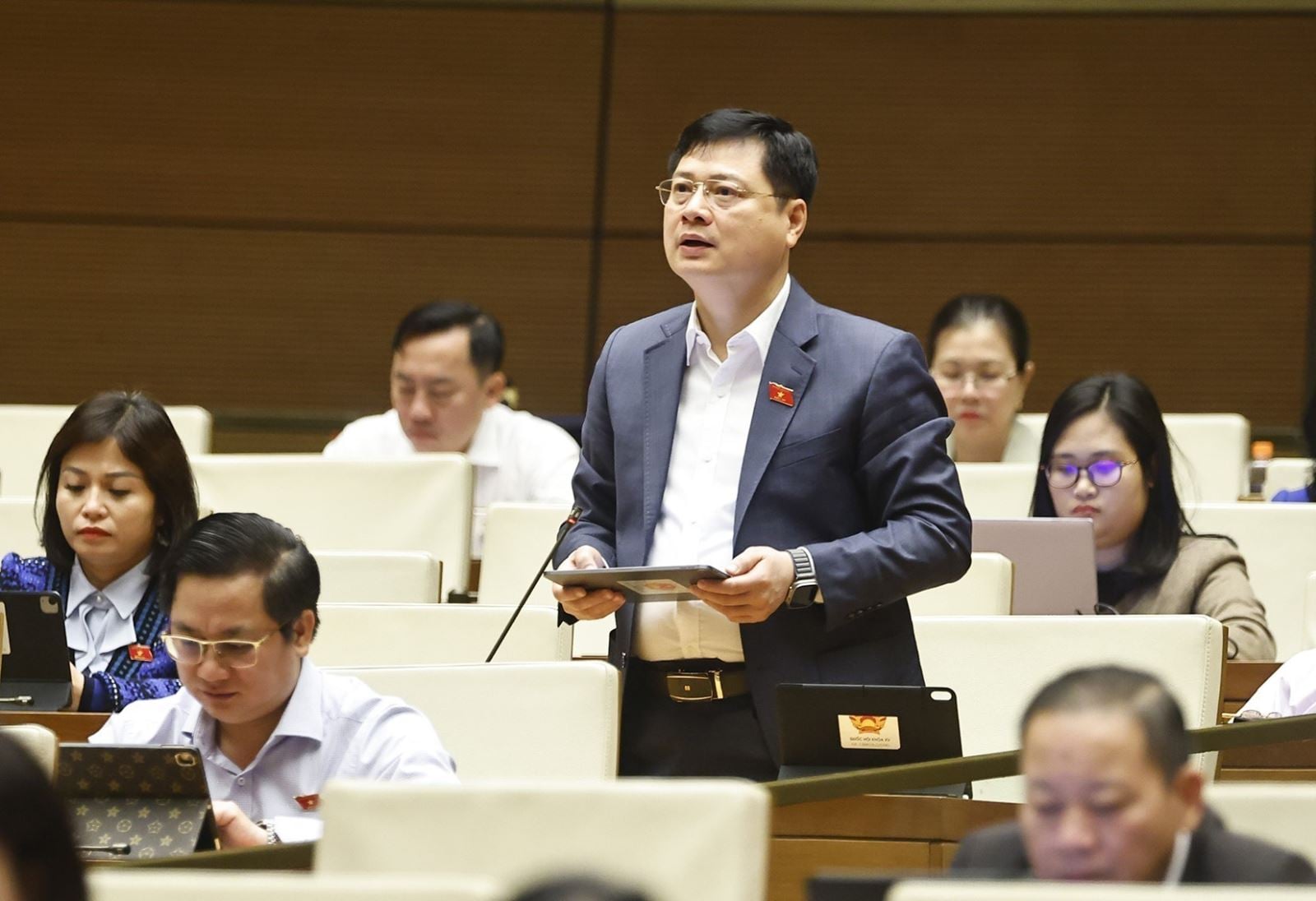
It is necessary to clearly design the structure of each component.
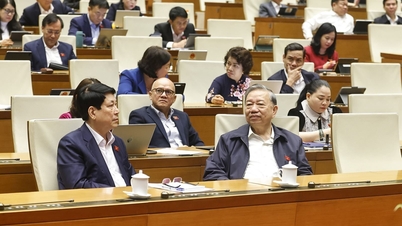
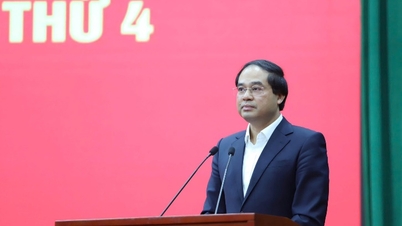
Delegate Cam Ha Chung (National Assembly Delegation of Phu Tho province) agreed with the policy of integrating three major areas: New rural construction; sustainable poverty reduction and socio -economic development in ethnic minority and mountainous areas to create consistency, avoid duplication and increase efficiency in budget use.
However, compared with the implementation practice in the 2021 - 2025 period, if the structure of each component is not clearly designed, it is easy to "blur" the specificity of the socio-economic development component for ethnic minority and mountainous areas. This component is a continuation and implementation of more than 118 policies with 10 component projects in the previous period, beneficiaries, financial mechanisms, support methods, priority targets and organizational methods are very different from the other two areas.
Therefore, “merging” without clarifying the structure will cause difficulties in allocating resources, determining responsibilities for leadership, inspection and supervision, and especially disbursing investment capital; solving specific problems of ethnic minority and mountainous areas. Many difficulties are historical, lasting for many generations; many ethnic minority communities still face challenges in terms of residential land, production land, livelihoods, housing, clean water, traditional culture and security in border areas.
Therefore, delegate Cam Ha Chung proposed that the general objective in Clause a, Section 1, Article 1 related to this component should be expressed in the direction of: "Comprehensive development of ethnic minority and mountainous areas, ensuring specificity, with appropriate goals, tasks, criteria and implementation mechanisms; fundamentally and comprehensively solving historical difficulties and "cores of poverty" and "cores of difficulty" that have existed for a long time in ethnic minority and mountainous areas; narrowing the development gap between regions, areas, and population groups, especially ethnic minority and mountainous areas compared to other regions; consolidating the great national unity bloc, enhancing the trust of ethnic minorities in the Party and State, preserving and promoting the fine cultural identity of ethnic minority communities".
"This addition will help the Program maintain its integration while still ensuring focus, suitability to specific subjects and consistent with experience in implementing target programs for disadvantaged groups in recent times. At the same time, it will create clearer directions for the presiding agency, localities and forces organizing the implementation of the Program," said delegate Cam Ha Chung (National Assembly Delegation of Phu Tho province).
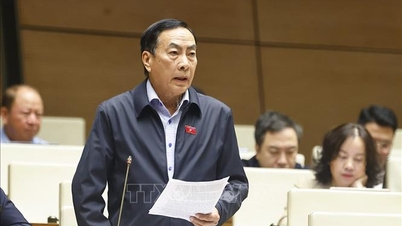
In order for the Resolution to be issued to ensure feasibility and create a real driving force for development, commenting on the specific target provisions in Clause 1, Article 1, delegate Do Van Yen - Ho Chi Minh City National Assembly Delegation agreed with the target group towards building a modern new countryside, reducing multidimensional poverty and improving people's lives. However, delegate Do Van Yen suggested that the Drafting Committee study and add a measurement indicator on "the rate of people accessing digital services and digital infrastructure in rural and ethnic minority areas" to be consistent with the national digital transformation orientation. Adding this indicator will ensure that the development goal not only focuses on physical infrastructure but also prioritizes digital infrastructure - a decisive factor in improving competitiveness, creating new jobs and connecting markets for rural and mountainous areas, thereby increasing the sustainability of poverty reduction and increasing people's income.
It is necessary to arrange the state budget and appropriate capital allocation structure.
Regarding the implementation budget in Clause 3, Article 1, delegate Do Van Yen agreed with the total state budget allocation and the capital decentralization structure between the central and local levels. However, he suggested that the Drafting Committee consider adding a mechanism to "preserve development investment capital for essential infrastructure" for localities with high poverty rates and budget difficulties. The reason is that without a capital preservation mechanism, some localities may have to adjust to other urgent spending tasks, leading to disruptions in infrastructure investment, prolonging the time to complete the new rural goals. Preserving investment capital for essential infrastructure will help ensure consistency in implementation and improve the efficiency of budget use.
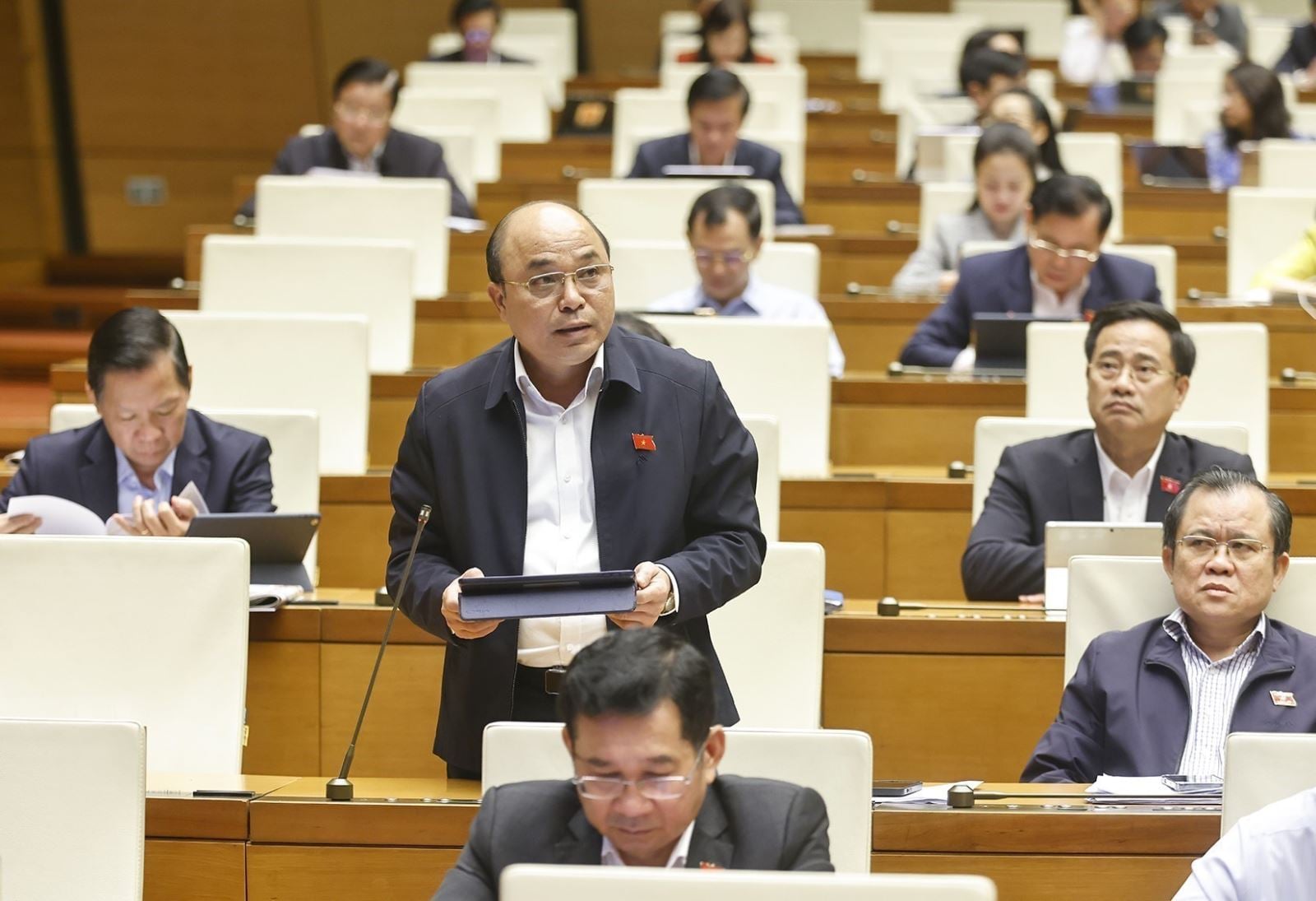
Regarding the principle of allocating central budget capital in Clause 4, Article 1, Ho Chi Minh City National Assembly Delegate Do Van Yen highly appreciated the principle of prioritizing especially difficult areas and ethnic minority areas. However, to be consistent with reality, the Drafting Committee proposed to add allocation criteria according to "the level of completion of targets and disbursement efficiency in the previous period". Linking capital allocation with implementation efficiency will create a strong motivation for localities in management, while reducing the situation of slow disbursement or scattered investment, thereby promoting progress and improving program efficiency.
Sharing this view, delegate Cam Ha Chung (National Assembly Delegation of Phu Tho province) completely agrees with this principle. However, if the allocation structure for each component is not clearly defined, implementation will be difficult, especially for the component of socio-economic development in ethnic minority and mountainous areas, where most localities are unable to balance their budgets and find it very difficult to meet counterpart capital requirements. Therefore, I propose to add to Clause 4, Article 1 "Principles of allocating central budget capital to support the implementation of the Program" the following content: "The structure of central and local budget capital is determined for each component of the Program. In particular, for the component of socio-economic development in ethnic minority and mountainous areas, the central budget plays a decisive role".
Regarding the mechanism for implementing the Program in Clause 5, Article 1, delegates agreed with the establishment of a Joint Steering Committee to avoid duplication and ensure centralized coordination. However, it was proposed to add a mechanism to "cut administrative procedures for small-scale projects with simple techniques and community supervision". Reality shows that many small projects in rural areas and ethnic minority areas are facing difficulties due to complicated and lengthy appraisal processes, slowing down the effectiveness of people's benefits. A controlled procedural reform mechanism will reduce time costs and at the same time increase accountability through community supervision.
Regarding the tasks assigned to the Government in Clause 1, Article 2, National Assembly Deputy Do Van Yen agreed with the task of reviewing, amending and promulgating specific mechanisms. However, to ensure the commitment to support localities in the long term, it is proposed to add a provision "building a common database system to monitor the results of the Program's implementation nationwide", integrating indicators on new rural construction, multidimensional poverty reduction and ethnic minority development. A unified database will help improve transparency, support effective monitoring and serve policy making to adjust promptly to actual fluctuations.
This national target program has a wide scope, a long implementation period and is associated with vulnerable groups, so it is necessary to ensure feasibility, synchronization and effectiveness, and truly put it into practice to improve income, quality of life and development opportunities for rural people and ethnic minority areas, thereby strengthening the great national unity bloc and creating a solid foundation for national development in the new period.
Source: https://baotintuc.vn/thoi-su/chuong-trinh-muc-tieu-quoc-gia-can-uu-tien-vung-dac-biet-kho-khan-va-vung-dan-toc-thieu-so-20251205104032971.htm


![[Photo] Cat Ba - Green island paradise](/_next/image?url=https%3A%2F%2Fvphoto.vietnam.vn%2Fthumb%2F1200x675%2Fvietnam%2Fresource%2FIMAGE%2F2025%2F12%2F04%2F1764821844074_ndo_br_1-dcbthienduongxanh638-jpg.webp&w=3840&q=75)









































































Comment (0)