

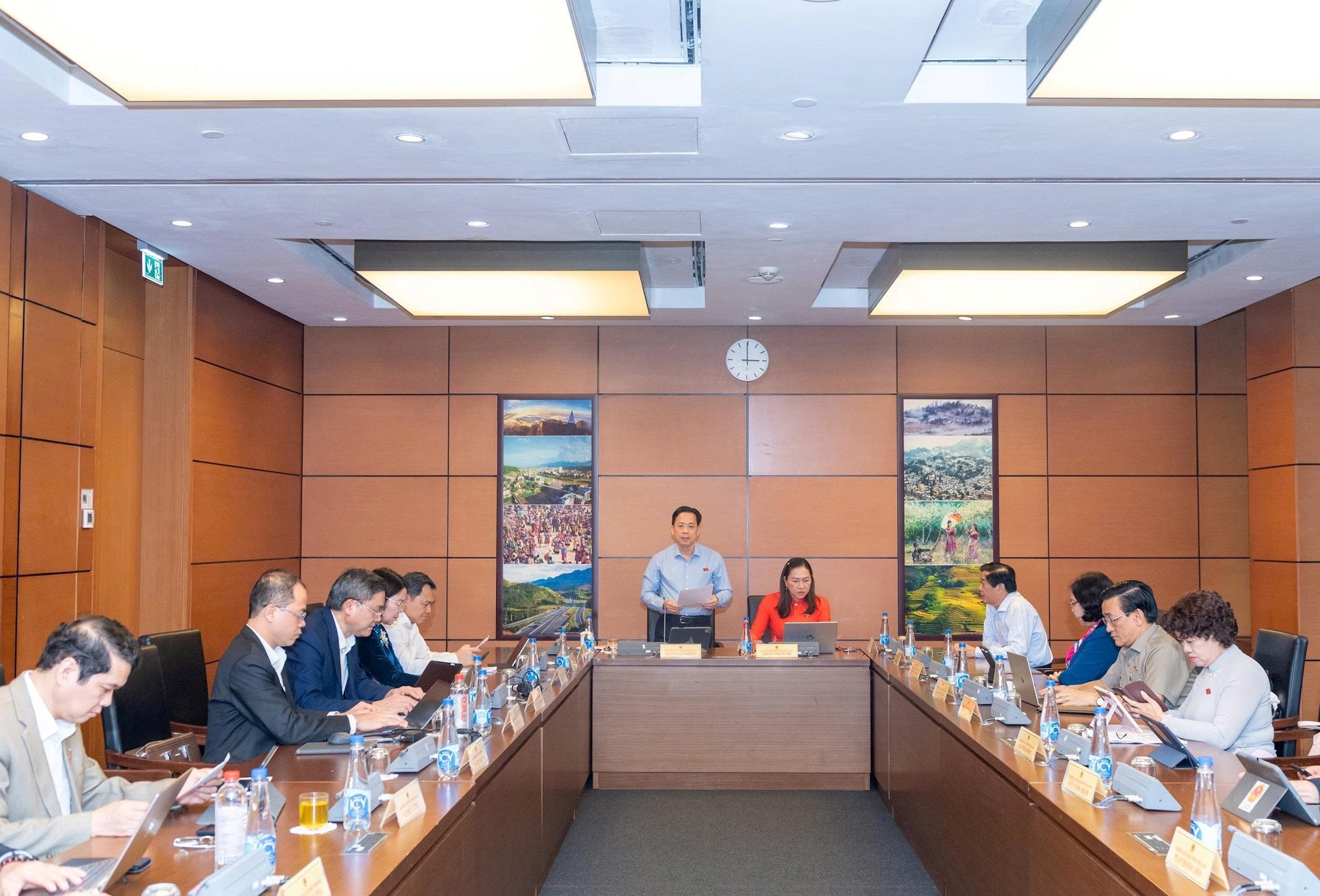
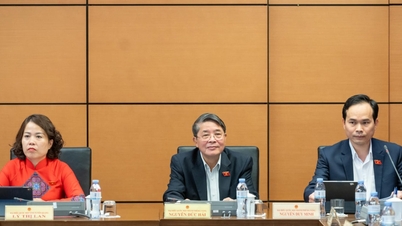
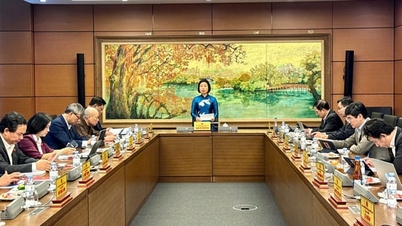
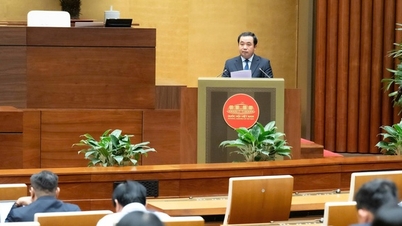
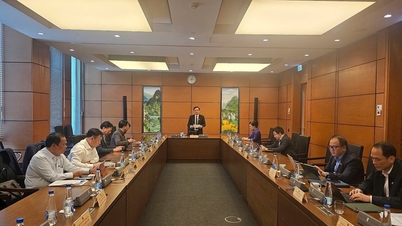
Delegates discuss at Group 13. Photo: Manh Hung
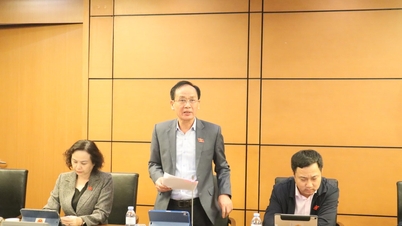
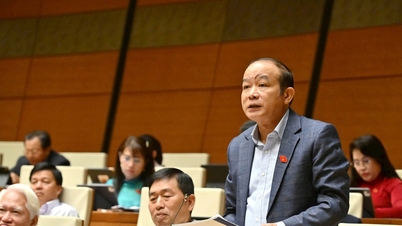
Delegate Hoang Van Nghiem (Son La) expressed his high agreement with the policy of merging the 3 National Target Programs, saying that this is necessary to avoid duplication and facilitate the implementation process in localities with difficult socio -economic conditions. The delegate also noted that although the policy is correct, the actual effectiveness is being hindered due to the lack of clear identification of priority subjects and methods of resource allocation and decentralization in the implementation process.
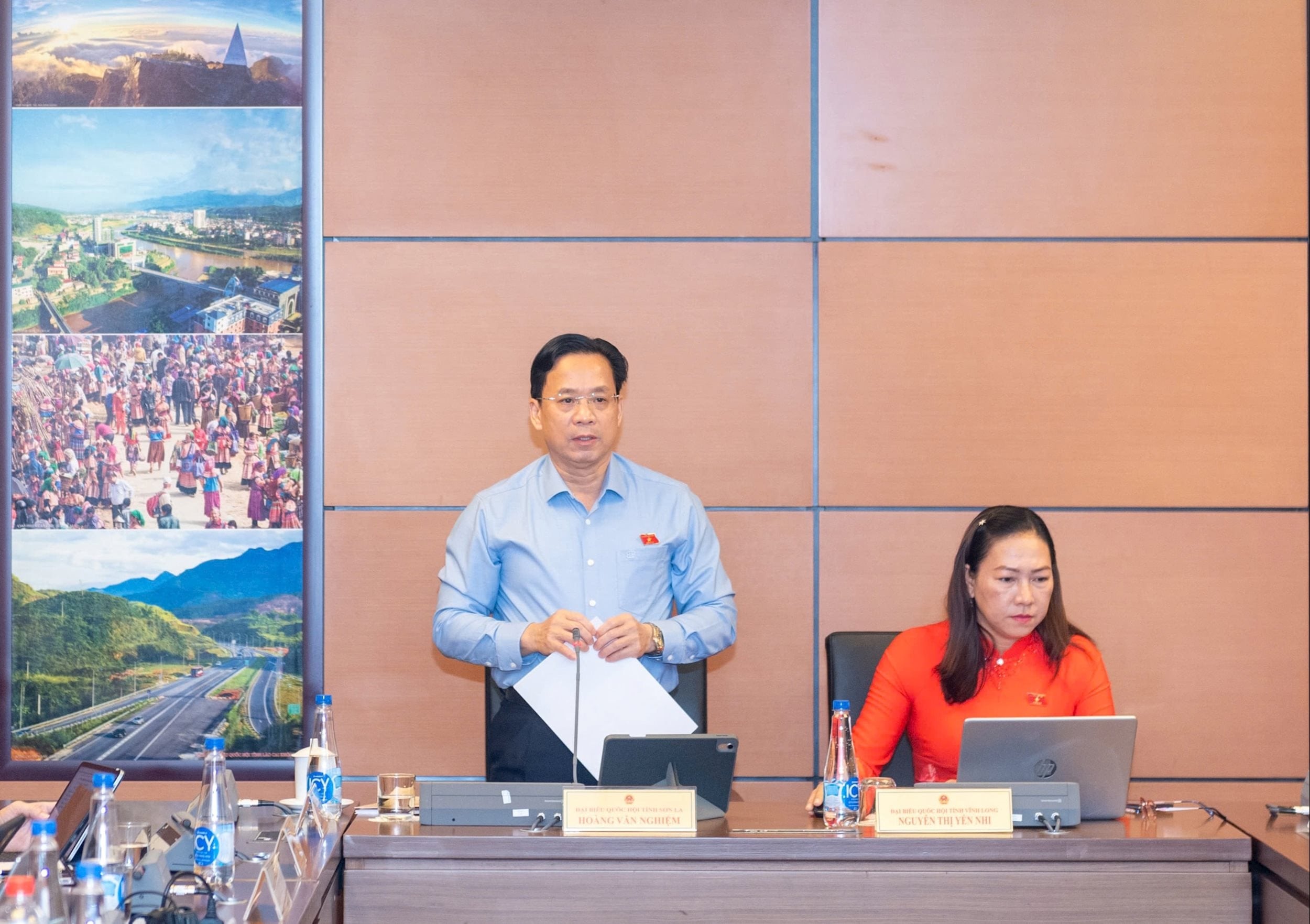
Delegate Hoang Van Nghiem ( Son La ) speaks. Photo: Manh Hung
The delegates recommended a thorough review to have clearer decentralization for local authorities, especially considering the different capital matching capabilities among poor provinces. The delegates also emphasized that the ultimate goal is to assign specific responsibilities and ensure the most effective use of capital to quickly contribute to improving the lives of people in particularly difficult areas.
Delegate Vi Duc Tho (Son La) expressed his strong agreement with the general objectives of the Program; however, further analysis is needed to determine the scientific basis and the strictness of the specific targets set up until 2030. The delegate also recommended increasing the level of central budget support for particularly difficult localities such as Son La, because the current investment level for infrastructure is still too low compared to actual costs. "The main purpose is to ensure that the adopted resolution will be implemented synchronously and effectively, avoiding the situation where the targets lack a basis or the support resources are not commensurate," the delegate stated.
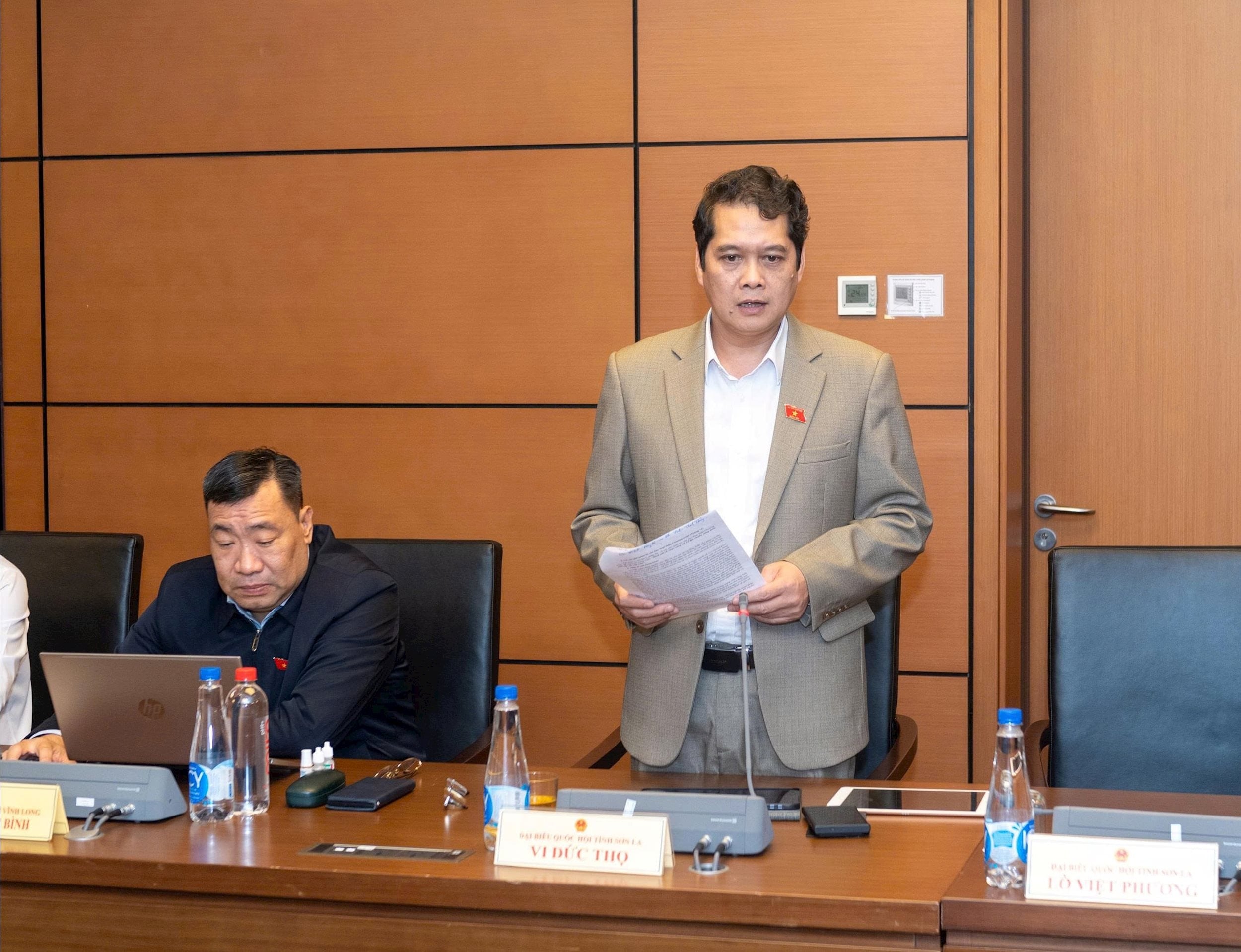
Delegate Vi Duc Tho (Son La) speaks. Photo: Manh Hung
Delegate Nguyen Dinh Viet (Son La) also proposed adjusting the allocation principles and increasing central budget support for particularly difficult areas to ensure the program is truly effective.
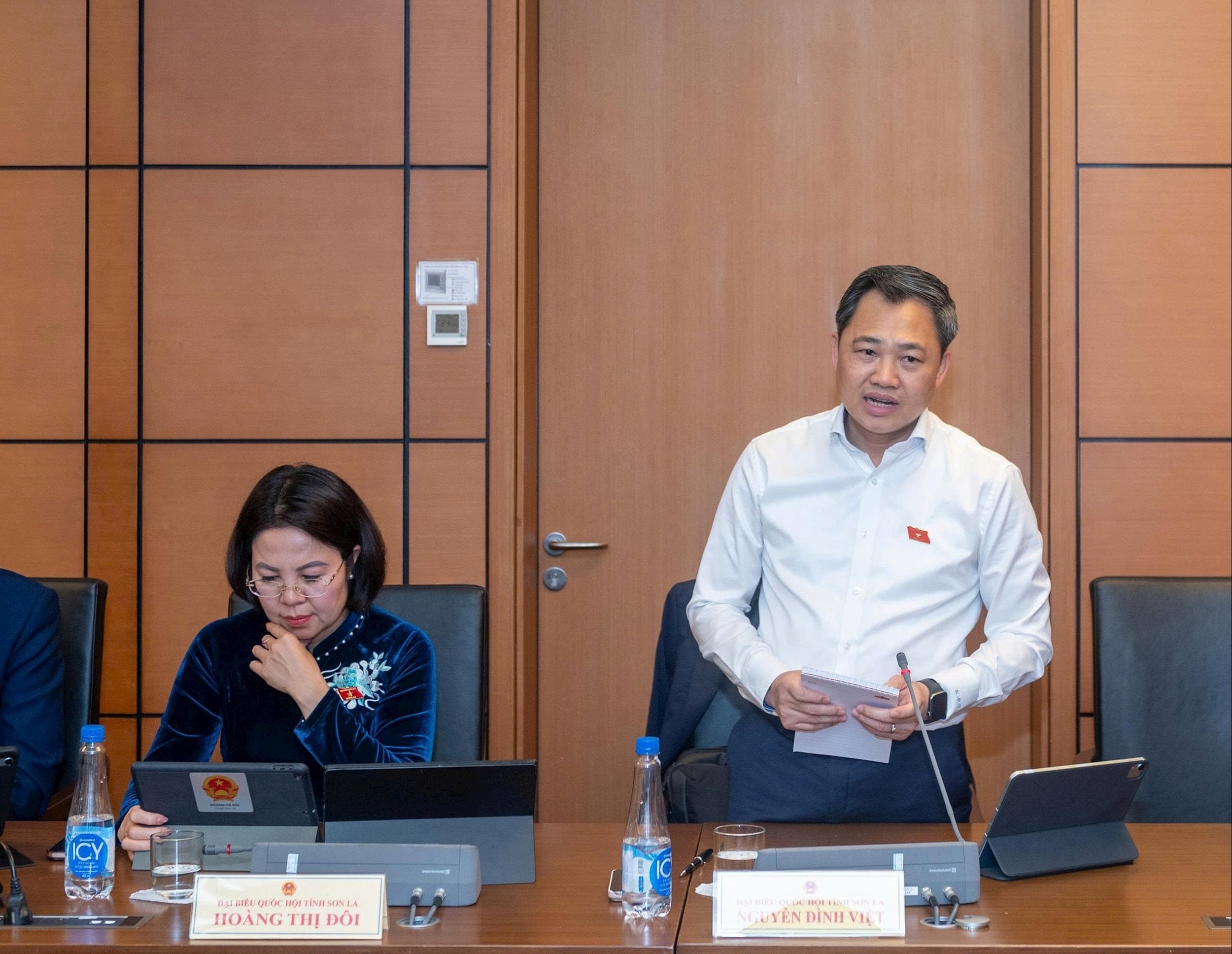
Delegate Nguyen Dinh Viet (Son La) speaks. Photo: Manh Hung
Agreeing with the need to issue the National Target Program for the 2026 - 2035 period, delegate Huynh Thi Hang Nga (Vinh Long) noted that the resources to implement the programs are very large; therefore, she suggested that the Government closely assess the reality to allocate appropriate budgets to localities; ensure stable and uninterrupted capital sources; and at the same time strengthen the monitoring and timely adjustment mechanism to improve investment efficiency.
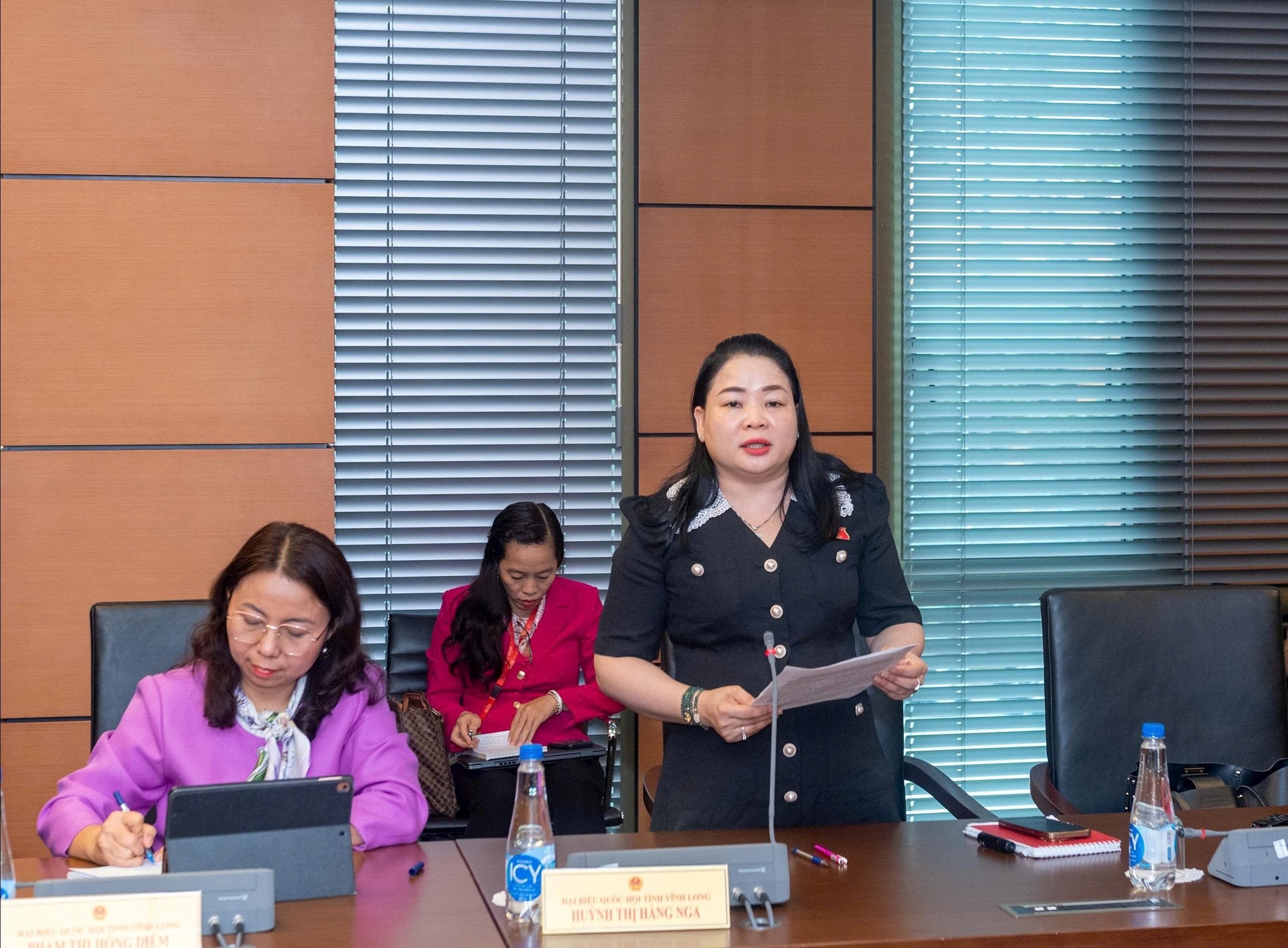
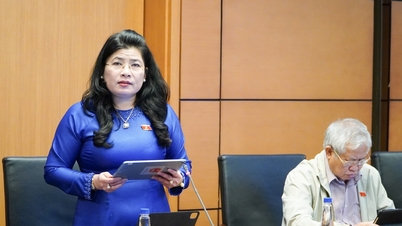
Delegate Huynh Thi Hang Nga (Vinh Long) speaks. Photo: Manh Hung
Regarding social credit policy, delegates proposed expanding the beneficiaries to the group that has just escaped poverty and near poverty, avoiding the situation of no longer being able to borrow when the locality meets the new rural standards. At the same time, it is necessary to review the lending mechanism, increase the limit and extend the loan period; increase the application of information technology to be more transparent and better monitor the capital flow to support the people.
In addition, delegates proposed to clearly define the responsibility for inter-sectoral coordination, because the program is large-scale and multi-sectoral, which can easily lead to problems. Delegates agreed to establish a joint steering committee for national target programs, which should be completed soon after the resolution is passed, in order to coordinate, integrate tasks, remove procedures and shorten progress.
Delegate Huynh Thi Hang Nga emphasized giving local authorities greater autonomy, simplifying the allocation and disbursement process; and at the same time agreeing to extend the capital disbursement period to December 31, 2026. Along with that, clarify the reasons for the slow disbursement and determine specific responsibilities, avoiding the situation of continuing to request extensions in the coming years, except in cases of force majeure.
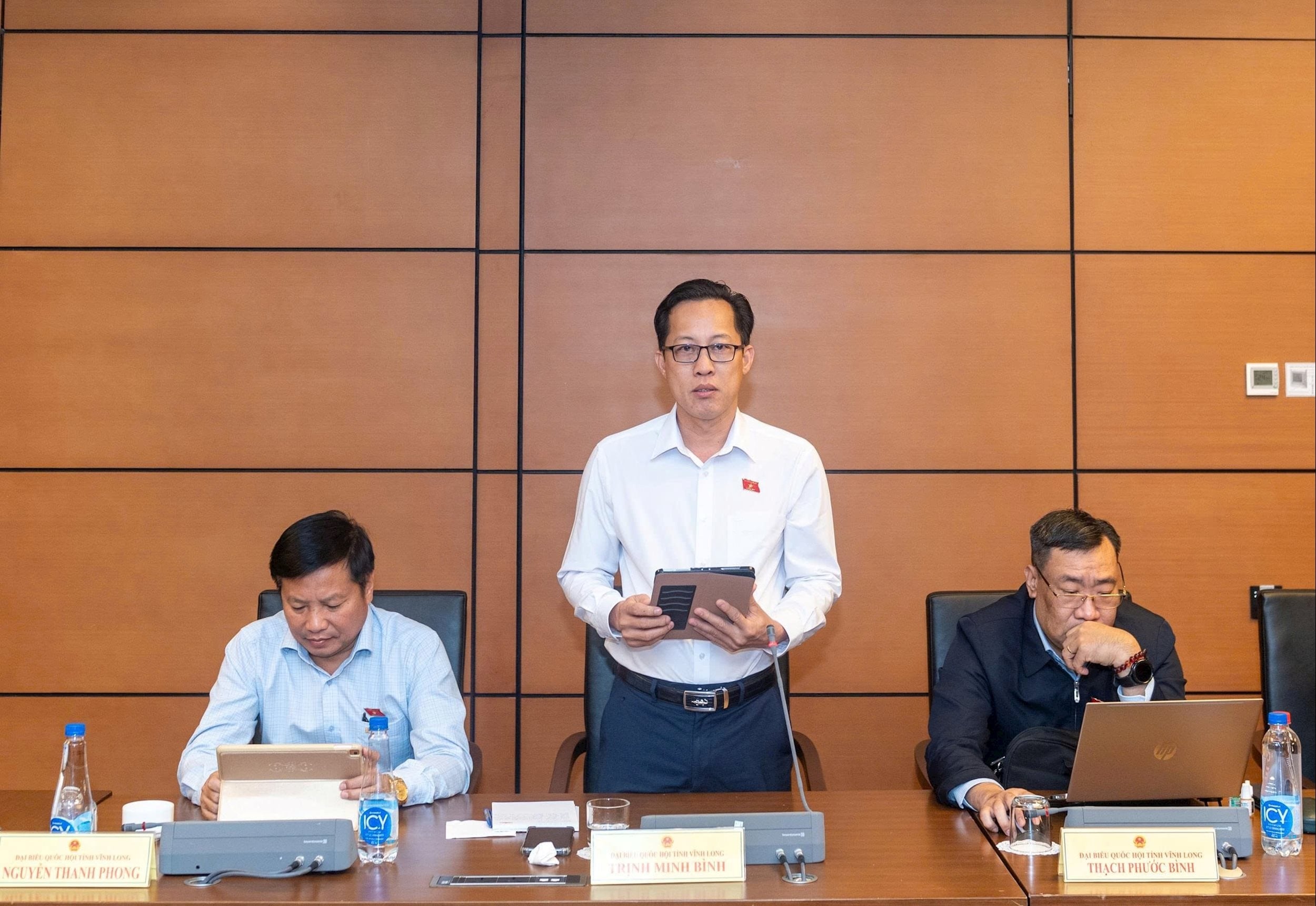
Delegate Trinh Minh Binh (Vinh Long) speaks. Photo: Manh Hung
Highly agreeing with the issuance of the Resolution, delegate Trinh Minh Binh (Vinh Long) commented that the program will contribute to improving people's lives, sustainably reducing poverty, promoting labor restructuring, developing rural areas and maintaining social security.
Regarding the goal of increasing rural income by 2.5 - 3 times by 2030 and at least 1.6 times by 2035, delegates proposed removing the phrase "strive" and replacing it with "achieve" to increase bindingness and avoid the situation of formal implementation and lack of accountability.
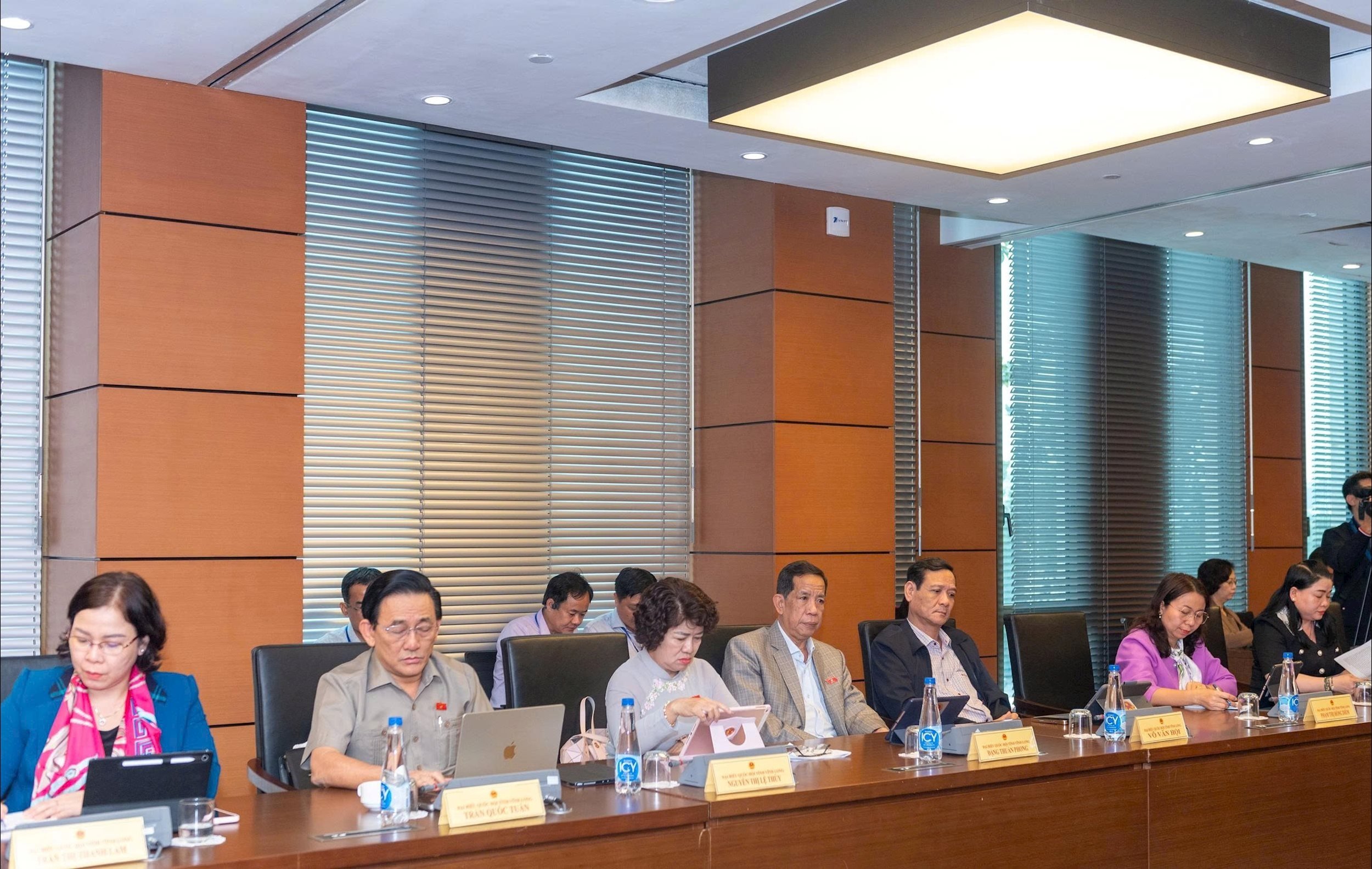
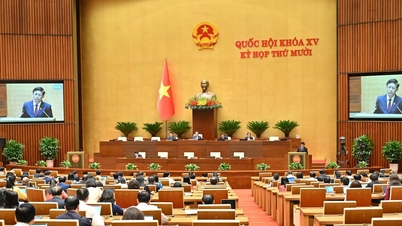
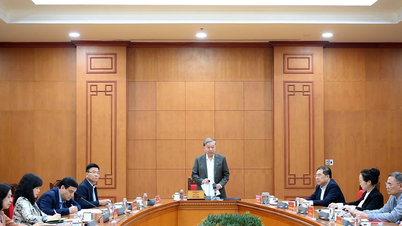
Delegates attending the meeting. Photo: Manh Hung
To achieve the income target, delegates proposed that the Government and ministries and branches, when drafting guidance documents, should focus on six groups of solutions: restructuring agriculture towards modernization; developing rural industry and services; making breakthroughs in vocational training and labor transition; improving infrastructure and investment environment; expanding markets and international integration for agricultural products; perfecting institutions, considering farmers as the subject of development.
Commenting on decentralization and resource allocation at the local level, delegates said that many mountainous provinces, remote areas and isolated areas find it difficult to balance their budgets to implement the 10 goals of the Resolution. Therefore, it is necessary to have a support mechanism from the Central Government in the direction of "mandatory goals - conditional support", allocating the budget based on results; at the same time, promoting business mobilization, focusing on key investments, applying flexible response mechanisms, promoting digital transformation and strengthening supervision to attach responsibility to leaders.
Source: https://daibieunhandan.vn/bao-dam-nguon-luc-nang-cao-hieu-qua-trien-khai-chuong-trinh-muc-tieu-quoc-gia-10398084.html













![[Photo] Worshiping the Tuyet Son statue - a nearly 400-year-old treasure at Keo Pagoda](/_next/image?url=https%3A%2F%2Fvphoto.vietnam.vn%2Fthumb%2F1200x675%2Fvietnam%2Fresource%2FIMAGE%2F2025%2F12%2F02%2F1764679323086_ndo_br_tempimageomw0hi-4884-jpg.webp&w=3840&q=75)
![[Photo] Parade to celebrate the 50th anniversary of Laos' National Day](/_next/image?url=https%3A%2F%2Fvphoto.vietnam.vn%2Fthumb%2F1200x675%2Fvietnam%2Fresource%2FIMAGE%2F2025%2F12%2F02%2F1764691918289_ndo_br_0-jpg.webp&w=3840&q=75)








































![[Infographic] 3 timelines of the "Quang Trung Campaign"](https://vphoto.vietnam.vn/thumb/402x226/vietnam/resource/IMAGE/2025/12/04/1764800248456_fb_ava-2.jpeg)










Comment (0)