

In his opening speech, Deputy Director of the Department of Industry, Ministry of Industry and Trade Pham Van Quan emphasized that digital transformation is creating a new operating model for industrial enterprises, while green transformation is an indispensable requirement to serve the goal of sustainable development. At the same time, these two processes have a complementary relationship, creating an important foundation to improve productivity, reduce emissions and increase the competitiveness of enterprises in the globalized economic environment.
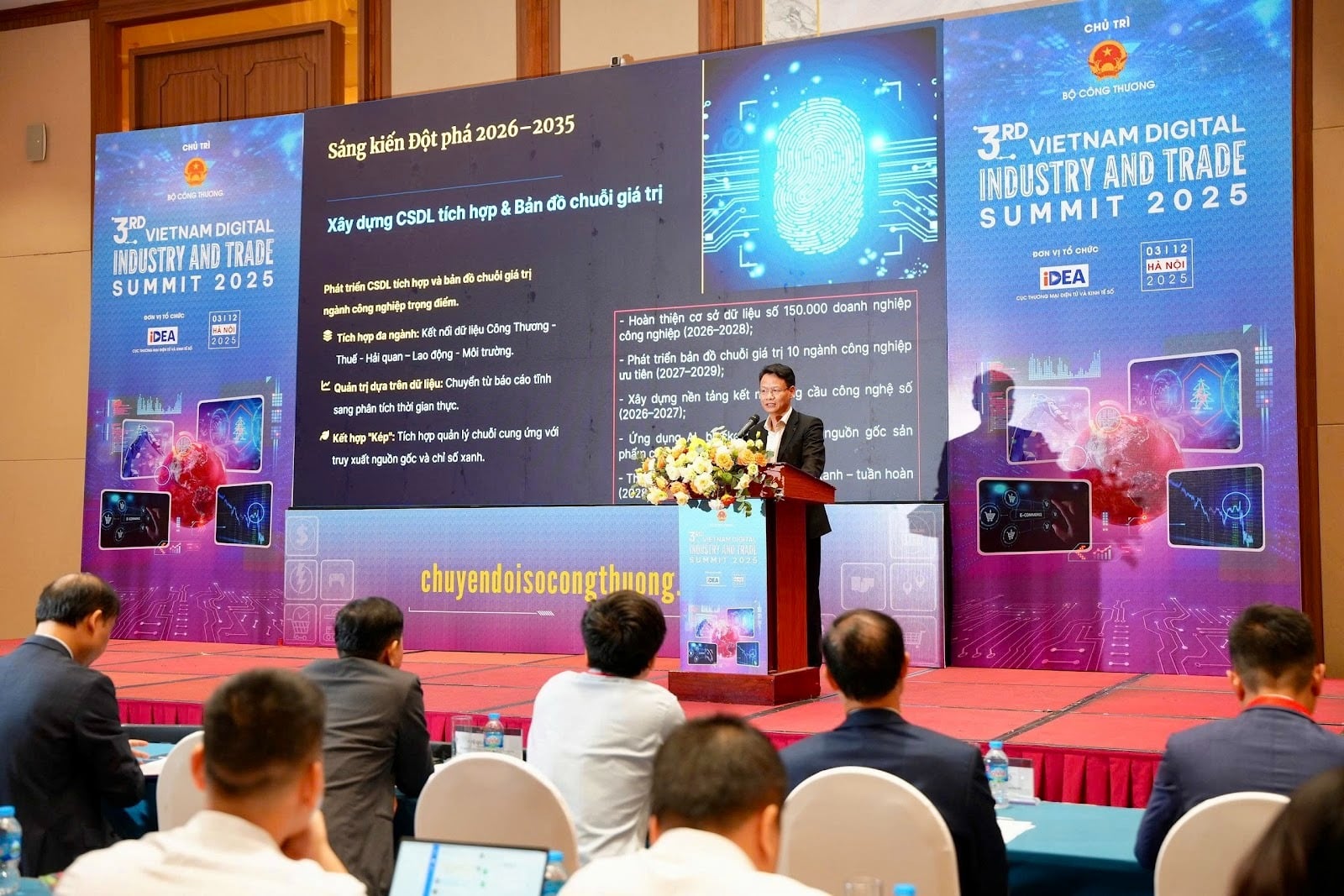
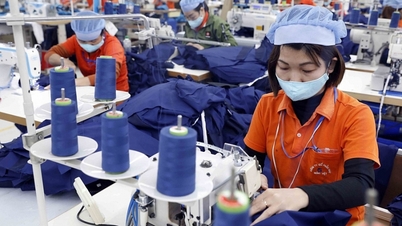
At the event, Mr. Nguyen Hoa Cuong - Deputy Director of the Institute for Policy and Strategy Research presented the key orientations of digital transformation in the industrial sector. According to Mr. Cuong, manufacturing enterprises that want to maintain long-term growth must promote automation, standardize data and develop smart factories. These factors are considered the "three-legged stool" to support enterprises in optimizing operations, making processes transparent and participating more deeply in supply chains with high requirements on quality and traceability.
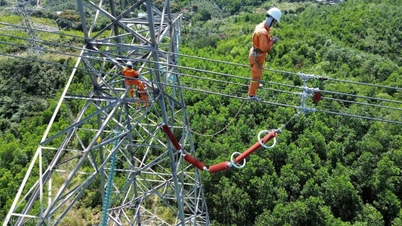
In terms of energy infrastructure, Mr. Nguyen Xuan Khai - Deputy Director of EVN-ICT Center shared information about the modernization process of Vietnam Electricity Group. Mr. Khai said that EVN has been strongly transforming from a traditional operating model to a digital ecosystem, from digital offices, ERP, to SCADA/DCS systems covering the entire national grid. The rate of unmanned substations has reached 92.68% at the 500 kV level and 100% at the 110 kV level. The application of UAVs and AI helps EVN automate line inspection, reduce incident handling time and improve safety. In the period 2025-2030, EVN aims to complete a shared data warehouse, standardize semantics and deploy high-performance AI infrastructure to move towards the "Smart EVN" model.
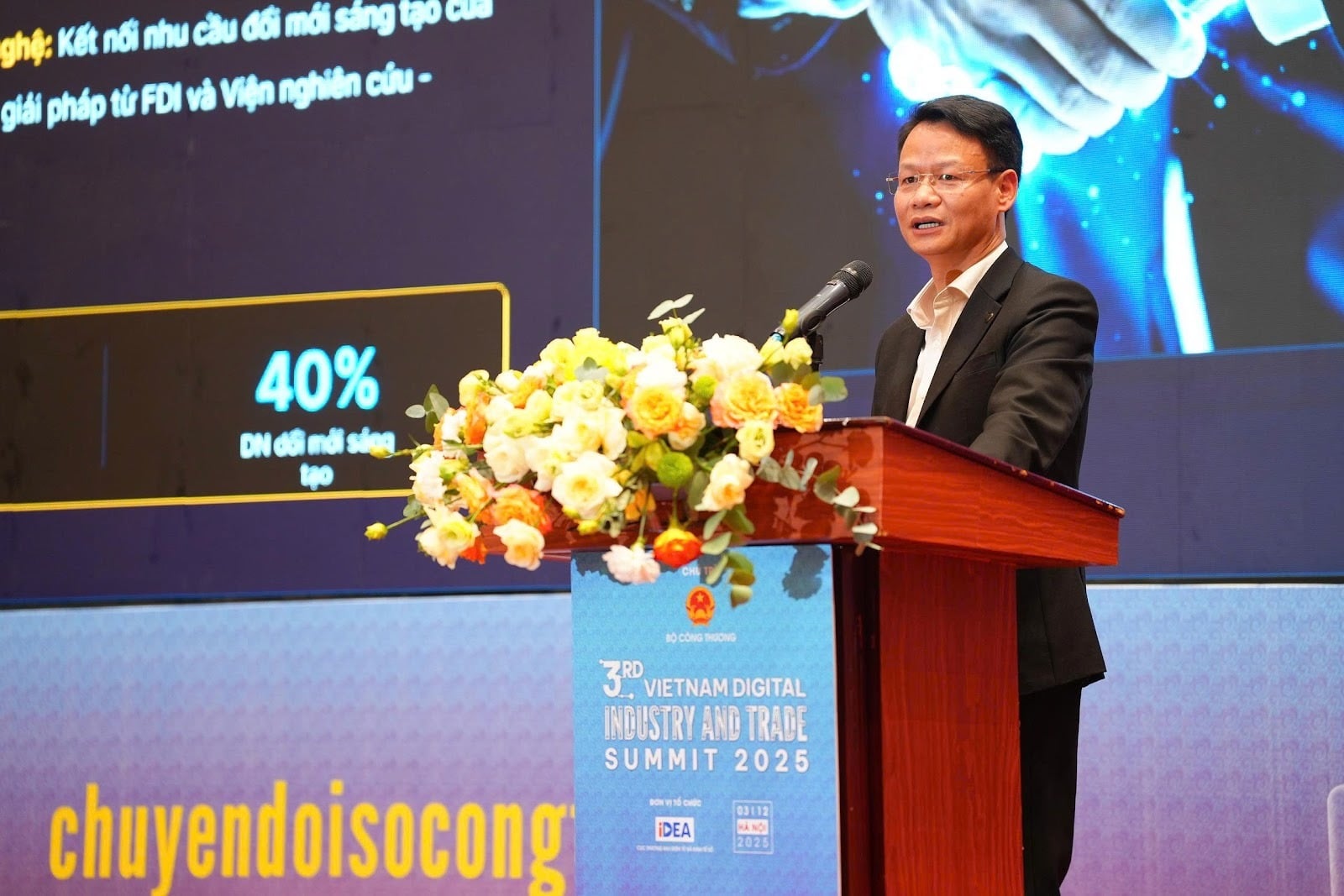
Deputy Director of the Department of Industry, Ministry of Industry and Trade Pham Van Quan
Regarding the chemical sector – an industry strongly affected by environmental standards, Mr. Phung Ngoc Bo – Head of Technical Department of Vietnam Chemical Group (VINACHEM) said that the group is simultaneously implementing two goals: green transformation and digital transformation. VINACHEM aims to reduce CO₂ emissions by at least 5% by 2030 and increase the proportion of renewable energy to 5-10%. Major orientations such as applying IoT, Cloud, automation of production lines, recycling of raw materials and investment in rooftop solar power are considered necessary conditions for the chemical industry to shift to a cleaner and more efficient production model.
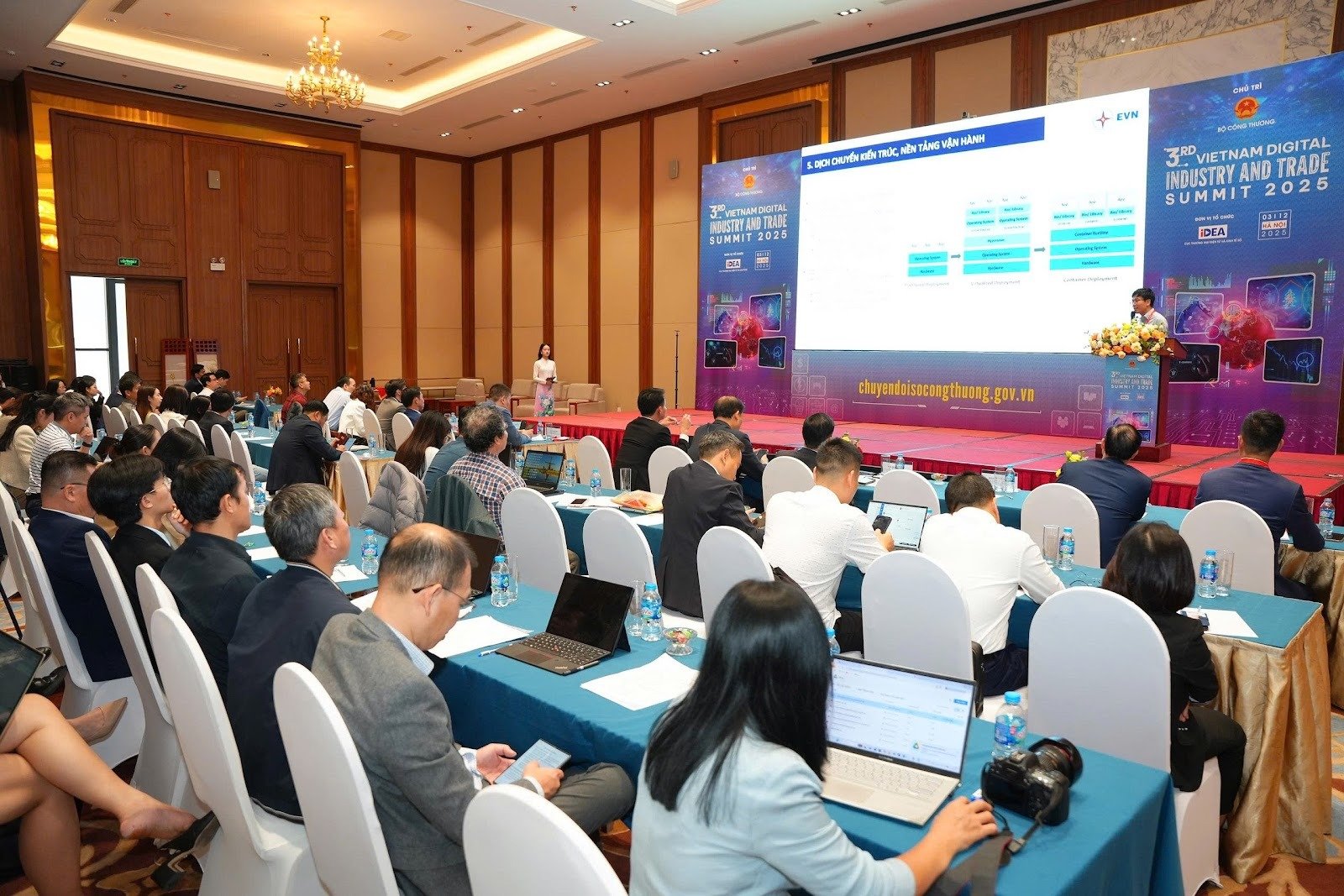
In addition, Mr. Nguyen Hoang Long - Deputy Head of Information Technology and Digital Transformation Department of Petrolimex presented the solution to digitize the petroleum retail system, showing that the trend of digital transformation not only takes place in production but also spreads to distribution stages. With 2,850 stores and total revenue of 140 trillion VND, Petrolimex is deploying a contactless payment system, locating gas stations in real time and integrating waiting time maps, to optimize consumer experience, increase transparency and shorten operating processes at the station.
In the smart industrial solutions group, Mr. Nguyen Hoang Kien - Deputy General Director of Rang Dong Light Source and Vacuum Flask Joint Stock Company shared how businesses apply the "Digital & Green Transformation - AI Transformation" model to both optimize energy and improve productivity. Rang Dong has reduced up to 70% of electricity consumption per unit of revenue and automated 72% of the production line. Notably, the company has self-developed visual robots (VGR) at a cost of only 1/5 compared to imported systems. Mr. Kien affirmed that AI solutions such as Vision Guided Robotics, Digital Twin or Edge AI have helped businesses improve their competitiveness domestically and in the international market.
Closing the discussion, Mr. Phan Ngoc Anh - Director of Alena Energy introduced the smart energy monitoring solution GREENVIEW AI & ESG, emphasizing that this is a combination of digital technology and sustainable development goals. According to Mr. Anh, this system applies AI and Big Data to monitor operations in real time, automatically analyze image data and standardize energy data, helping businesses optimize consumption and reduce risks in production. AI not only supports early detection of security and safety abnormalities but also contributes to transparency in ESG reporting and meets the requirements of global supply chains for green credits and emission reduction. According to Mr. Anh, the combination of technology investment, renewable energy and smart monitoring models will help businesses reduce operating costs, improve adaptability and move closer to the goal of carbon neutrality.
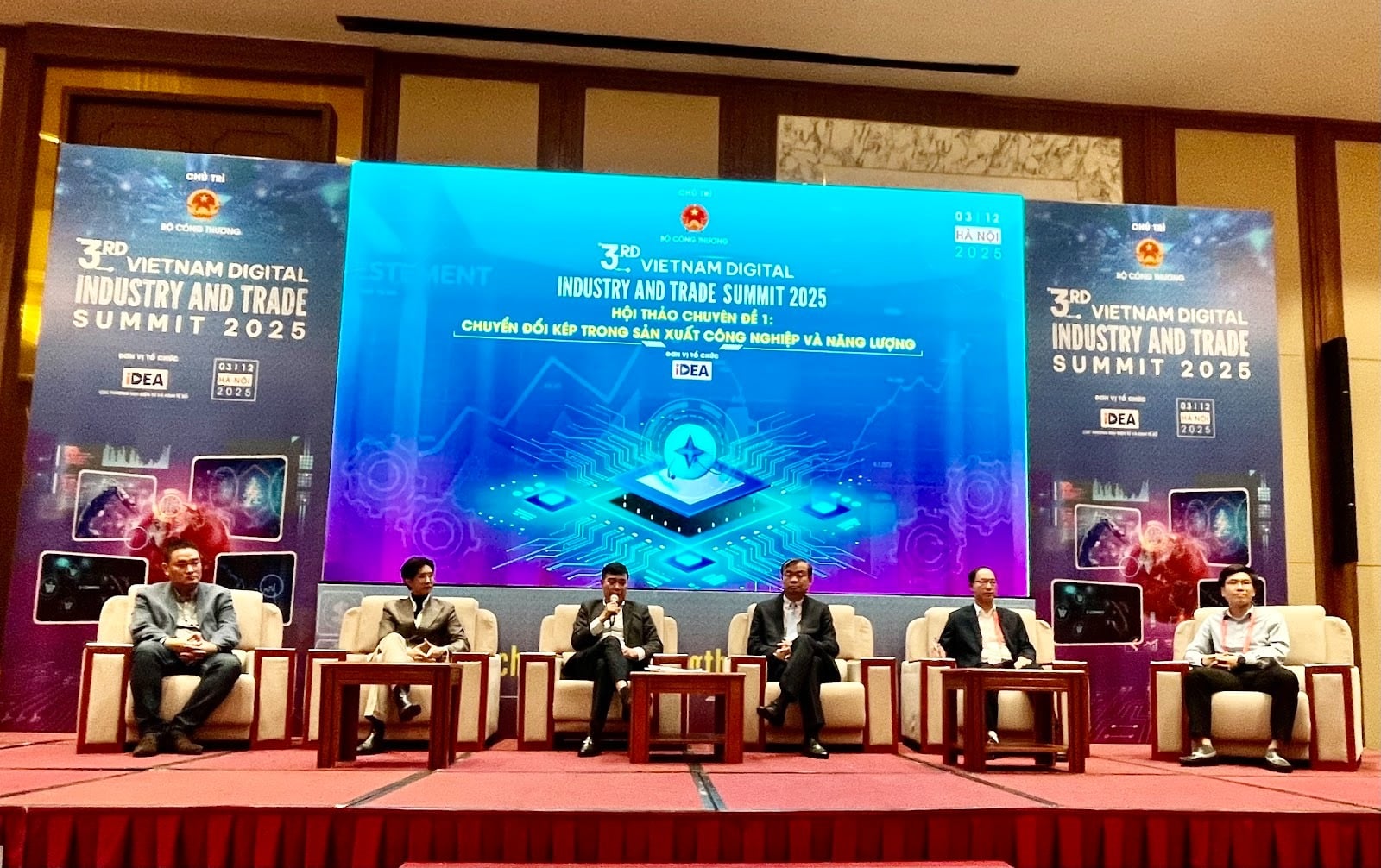
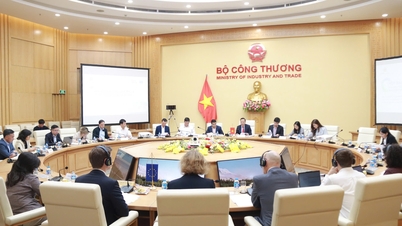
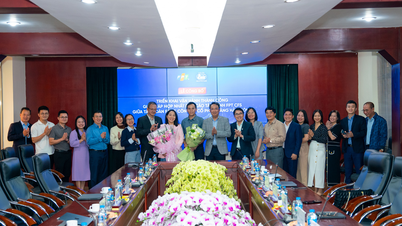
At the seminar, the discussion session “Promoting dual transformation in the energy and industrial sectors” took place with the participation of experts from the Institute for Policy and Strategy Studies, Vietnam Electricity Group, Vietnam Chemical Group, Petrolimex, Rang Dong and Vietnam Clean Energy Association. Delegates focused on discussing solutions to promote digital transformation and green transformation in industrial and energy production, including modernizing the electricity industry data infrastructure, applying digital technology in energy monitoring, automating production lines, innovating production models and improving corporate governance efficiency.
Opinions agreed that the synchronous deployment of smart grids, data standardization, application of AI technology and development of low-emission production models will be an important foundation for the energy industry to successfully implement the dual transformation. At the same time, businesses need to enhance innovation capacity, invest in digital infrastructure and build a green industrial ecosystem to meet sustainability standards for the 2025-2030 period.
The contents shared at the seminar clearly demonstrated the role of digital technology and green transformation in improving productivity, reducing emissions and competitiveness for businesses. This is also an important basis to help the Industry and Trade sector move closer to the goal of sustainable development, in line with the orientation of comprehensive digital transformation in the coming period.
Source: https://moit.gov.vn/tin-tuc/chuyen-doi-kep-trong-san-xuat-cong-nghiep-va-nang-luong.html














![[Photo] Worshiping the Tuyet Son statue - a nearly 400-year-old treasure at Keo Pagoda](/_next/image?url=https%3A%2F%2Fvphoto.vietnam.vn%2Fthumb%2F1200x675%2Fvietnam%2Fresource%2FIMAGE%2F2025%2F12%2F02%2F1764679323086_ndo_br_tempimageomw0hi-4884-jpg.webp&w=3840&q=75)
![[Photo] Parade to celebrate the 50th anniversary of Laos' National Day](/_next/image?url=https%3A%2F%2Fvphoto.vietnam.vn%2Fthumb%2F1200x675%2Fvietnam%2Fresource%2FIMAGE%2F2025%2F12%2F02%2F1764691918289_ndo_br_0-jpg.webp&w=3840&q=75)
































































Comment (0)