

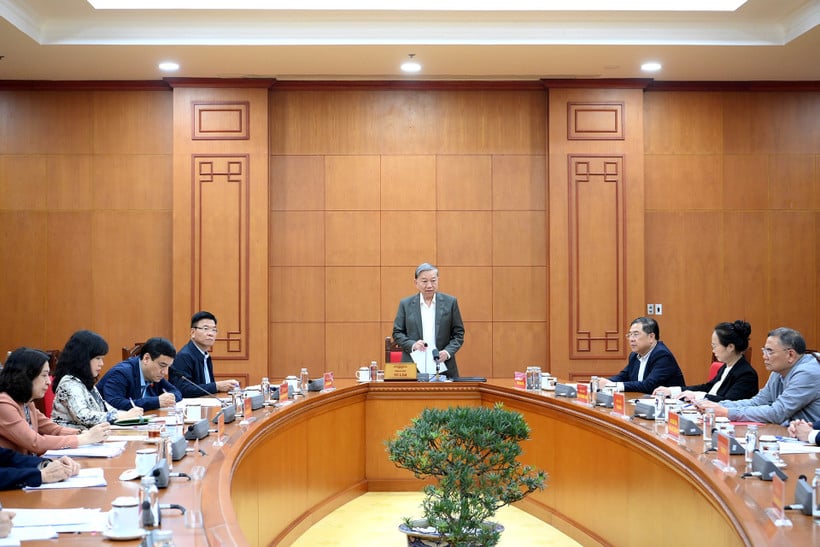
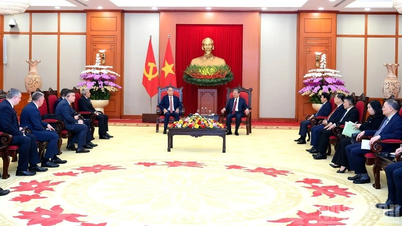
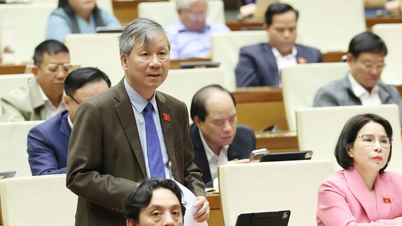
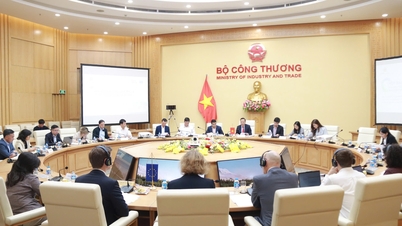
Attending the meeting were Party Central Committee members: Le Thanh Long, Deputy Prime Minister; Pham Gia Tuc, Chief of the Party Central Committee Office; Lam Thi Phuong Thanh, Permanent Deputy Chief of the Party Central Committee Office; Nguyen Dac Vinh, Chairman of the National Assembly's Committee for Culture and Social Affairs; Dao Hong Lan, Minister of Health ; and representatives of relevant departments, ministries and branches.
According to the report of the Ministry of Health at the working session, Vietnam currently has more than 8 million people with disabilities aged 2 years and older, accounting for 7.2% of the population; of which 28.3% are children, 58% are women, about 21.4% are people with severe and extremely severe disabilities. In recent years, the Party and State have had many important policies and guidelines; many models of support, rehabilitation, inclusive education, job creation... have been effective.
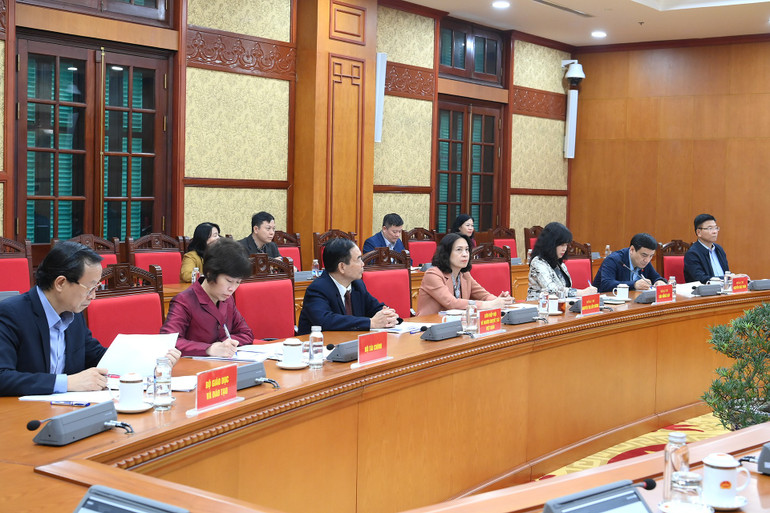
There are more than 1.7 million people with disabilities receiving monthly social benefits. People with severe and severe disabilities receive monthly social benefits, health insurance cards, and support for education and learning costs. Nationwide, there are 165 social assistance facilities caring for people with disabilities (104 public facilities and 61 non-public facilities) caring for about 25,000 people with disabilities and mental illness and managing the cases of about 80,000 people with disabilities and mental illness in the community. Many people with disabilities have made efforts to rise up, study, work, and contribute value to society.
However, in reality, most people with disabilities still face many difficulties in their daily lives. Access to transportation that is not suitable for the mobility of people with disabilities and the use of assistive devices is one of the most difficult problems to overcome today. Many previous construction projects have not complied with technical standards and regulations to ensure accessibility for people with disabilities.
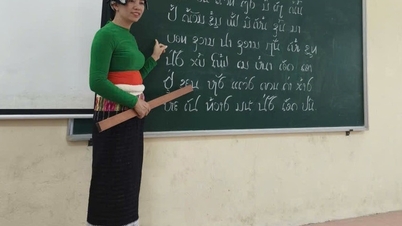
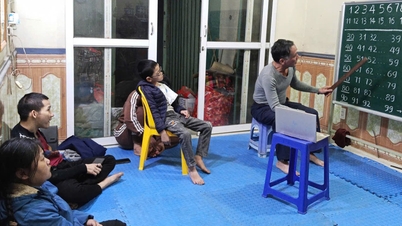
The number of people with disabilities receiving care at social assistance facilities is still low. There are insufficient numbers of centers supporting the development of inclusive education or specialized schools for children with disabilities and lack of support services. People with disabilities also face difficulties in finding jobs, creating livelihoods, accessing cultural, entertainment, and sports activities.
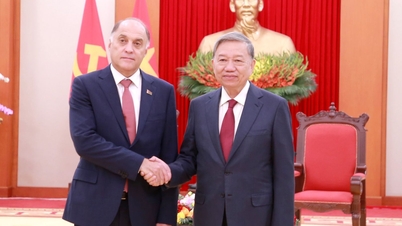
Speaking at the meeting, General Secretary To Lam emphasized the significance of the International Day of Persons with Disabilities (December 3) and affirmed that caring for people with disabilities is a great responsibility of the entire political system. This is not only a moral responsibility, but also a measure of civilization and modernity, and a requirement of sustainable development.
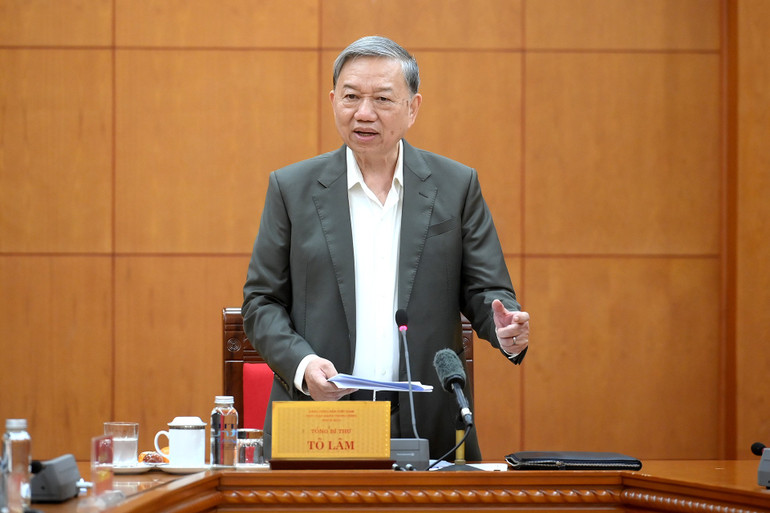
The General Secretary made clear the view that it is necessary to create a new step forward, take stronger and more drastic actions to improve the quality of life of people with disabilities nationwide. Ministries and sectors need to focus on deeper research, complete analysis, clearly identify difficulties and obstacles in policies and practices, and overlapping contents between programs, propose new practical and feasible solutions with clear impacts, suitable to the country's conditions and the actual needs of people with disabilities, ensuring that all people with disabilities can live safely, be cared for, study, work, integrate and develop equally with all other citizens.
Pointing out the goal of not leaving any disabled person behind, the General Secretary requested ministries and branches to research solutions so that disabled people can access health and rehabilitation services; all disabled children can receive early intervention, go to school and study integrated. Expand job and livelihood opportunities for disabled people; support them to be self-reliant, live independently and contribute to society. Infrastructure, transportation, public works and online public services must be truly barrier-free and friendly to disabled people. Increase the application of assistive technology, artificial intelligence and digital transformation to improve the quality of life of disabled people. Mobilize the strength of the whole society to care for and support disabled people in a sustainable manner.
The General Secretary emphasized that behind the number of more than 1 million people with severe and extremely severe disabilities, about 600,000 children with different levels of disabilities who are in need of early intervention, special education or inclusive education are lives and families that are facing many difficulties in life every day. Many people with disabilities, especially women and children, still face the risk of violence, abandonment and discrimination. Therefore, issues related to people with disabilities in health, education, employment, infrastructure, technology, risk prevention and raising public awareness are both urgent and long-term issues.
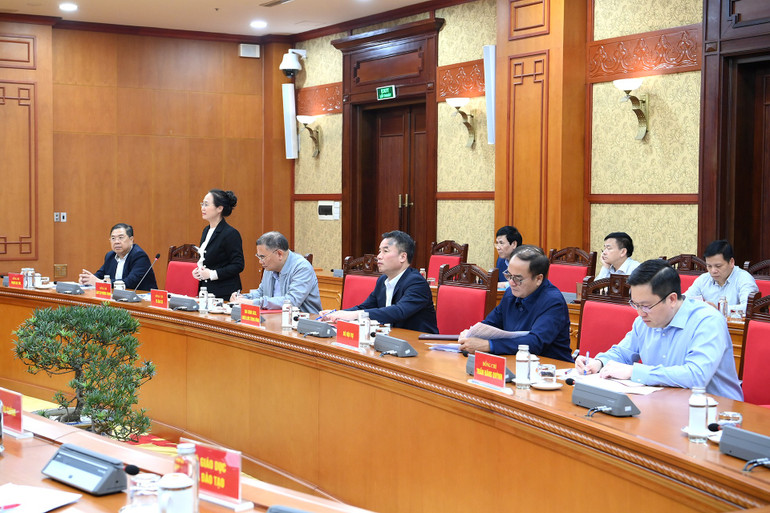
The General Secretary requested the Ministry of Health to review and specify the goals for 2030 that the Ministry is building; research models of continuous care, community-based rehabilitation, and expand early intervention; continue to research strong solutions so that all children with disabilities are detected early and intervened promptly so that they can go to school and be integrated into learning because education is the key to ensuring that children with disabilities are not left behind.
The Ministry of Education and Training and localities will review the system of inclusive education support centers; prioritize localities that lack or do not have centers; develop learning materials for children with visual and hearing impairments; and train support teachers. Ministries and sectors will propose practical solutions to expand employment and livelihood opportunities for people with disabilities; have adaptive vocational training models, support employment in the community, encourage businesses and cooperatives to employ people with disabilities; research fundamental solutions to make infrastructure, public transport, and online public services more user-friendly and accessible.
Noting that technology is one of the breakthroughs for better integration of people with disabilities, the General Secretary suggested studying and promoting the application of assistive technology and digital transformation to improve the quality of life of people with disabilities; simplifying administrative procedures, removing barriers that make it difficult for people with disabilities to access legitimate rights. Continuing to research solutions to prevent, detect and handle violence, abandonment and discrimination against people with disabilities.
There is a friendly reporting mechanism and timely support at the grassroots level; focusing on women and children with disabilities, who are the most vulnerable. Along with that, sectors and levels strengthen communication and raise social awareness, spreading the spirit of respect, sharing, and accompanying people with disabilities.
The General Secretary assigned the Government Party Committee to direct relevant ministries and branches to develop and complete specific projects, programs, and action plans to report to the Politburo for consideration and comments in the second quarter of 2026.
Source: https://nhandan.vn/hanh-dong-manh-me-tao-buoc-chuyen-moi-nang-cao-chat-luong-cuoc-song-cua-nguoi-khuet-tat-post927719.html


![[Video] More than 96% of cases related to land planning, management and use have been resolved.](https://vphoto.vietnam.vn/thumb/402x226/vietnam/resource/IMAGE/2025/12/03/1764775937805_1-5566-png.webp)







![[Video] Many bright spots in implementing 16 Resolutions of the National Assembly on thematic supervision and questioning](https://vphoto.vietnam.vn/thumb/402x226/vietnam/resource/IMAGE/2025/12/03/1764774130071_3-896-png.webp)
![[Photo] Worshiping the Tuyet Son statue - a nearly 400-year-old treasure at Keo Pagoda](/_next/image?url=https%3A%2F%2Fvphoto.vietnam.vn%2Fthumb%2F1200x675%2Fvietnam%2Fresource%2FIMAGE%2F2025%2F12%2F02%2F1764679323086_ndo_br_tempimageomw0hi-4884-jpg.webp&w=3840&q=75)
![[Photo] Parade to celebrate the 50th anniversary of Laos' National Day](/_next/image?url=https%3A%2F%2Fvphoto.vietnam.vn%2Fthumb%2F1200x675%2Fvietnam%2Fresource%2FIMAGE%2F2025%2F12%2F02%2F1764691918289_ndo_br_0-jpg.webp&w=3840&q=75)





















































Comment (0)