

Avoid overlap when merging three National Target Programs
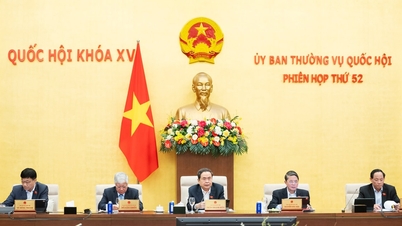
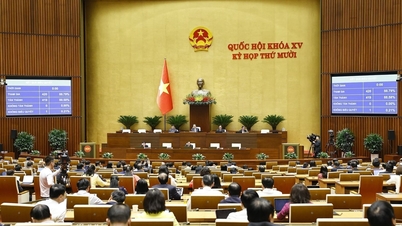
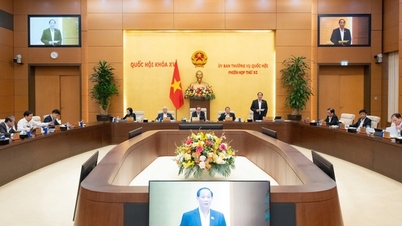
Commenting on the Investment Policy of the National Target Program on New Rural Areas, Sustainable Poverty Reduction, and Socio -Economic Development of Ethnic Minority and Mountainous Areas by 2035, the National Assembly Deputies of Group 6 said that integrating the three programs is necessary. However, the delegates suggested that the Drafting Committee should review the targets and objectives to avoid duplication and dispersion.
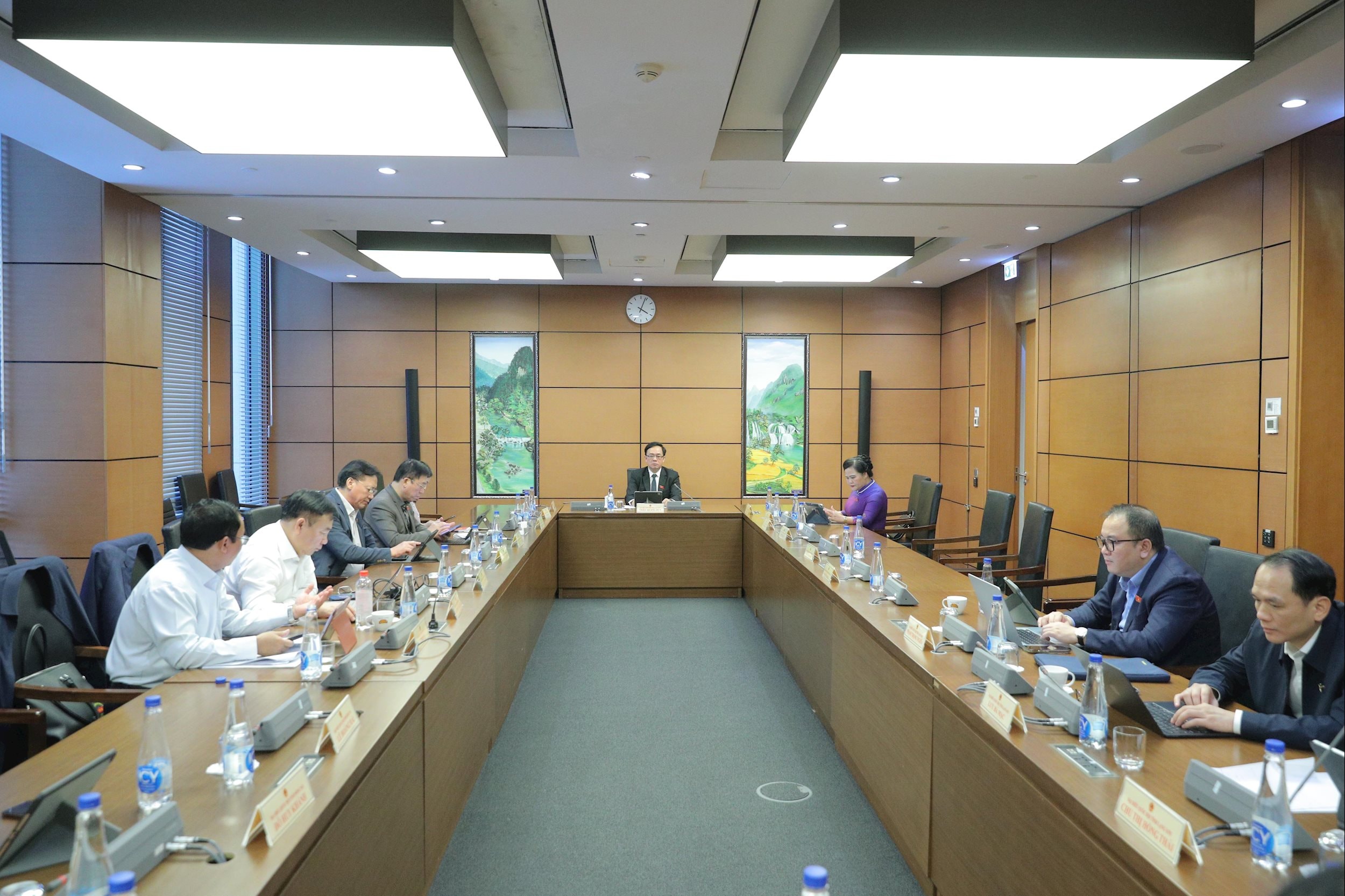
Specifically, commenting on the design of components and policy content, National Assembly member Nguyen Thi Suu (Hue City) said that the draft has not yet defined the investment boundaries between: public investment; career expenditure; specific policies for ethnic minority and mountainous areas; social assistance policies; regular tasks of ministries. There is still a risk of overlap with sectoral programs: education , health, culture, science and technology. Therefore, the delegate suggested that it is necessary to clarify the boundaries between the above investment types and expenditure tasks.
In addition, delegates The Government is requested to attach the following when submitting the program: A table to review the overlap between the National Target Program and sectoral programs; a list of contents that are included or not included in the Program. At the same time, it is necessary to clearly distinguish poor communes, disadvantaged communes, and especially disadvantaged communes based on the new set of criteria to avoid the situation of scattered investment. Delegates also recommended adding regulations in the direction that the Central Government regulates the component framework, while the locality decides on the detailed content, in line with the spirit of decentralization.
Delegates emphasized the need to assess policy risks when merging programs. They suggested that the Government prepare an impact assessment report before implementation, clearly stating: which objectives will be changed, which content will be removed, and the costs of institutional and management system transformation.
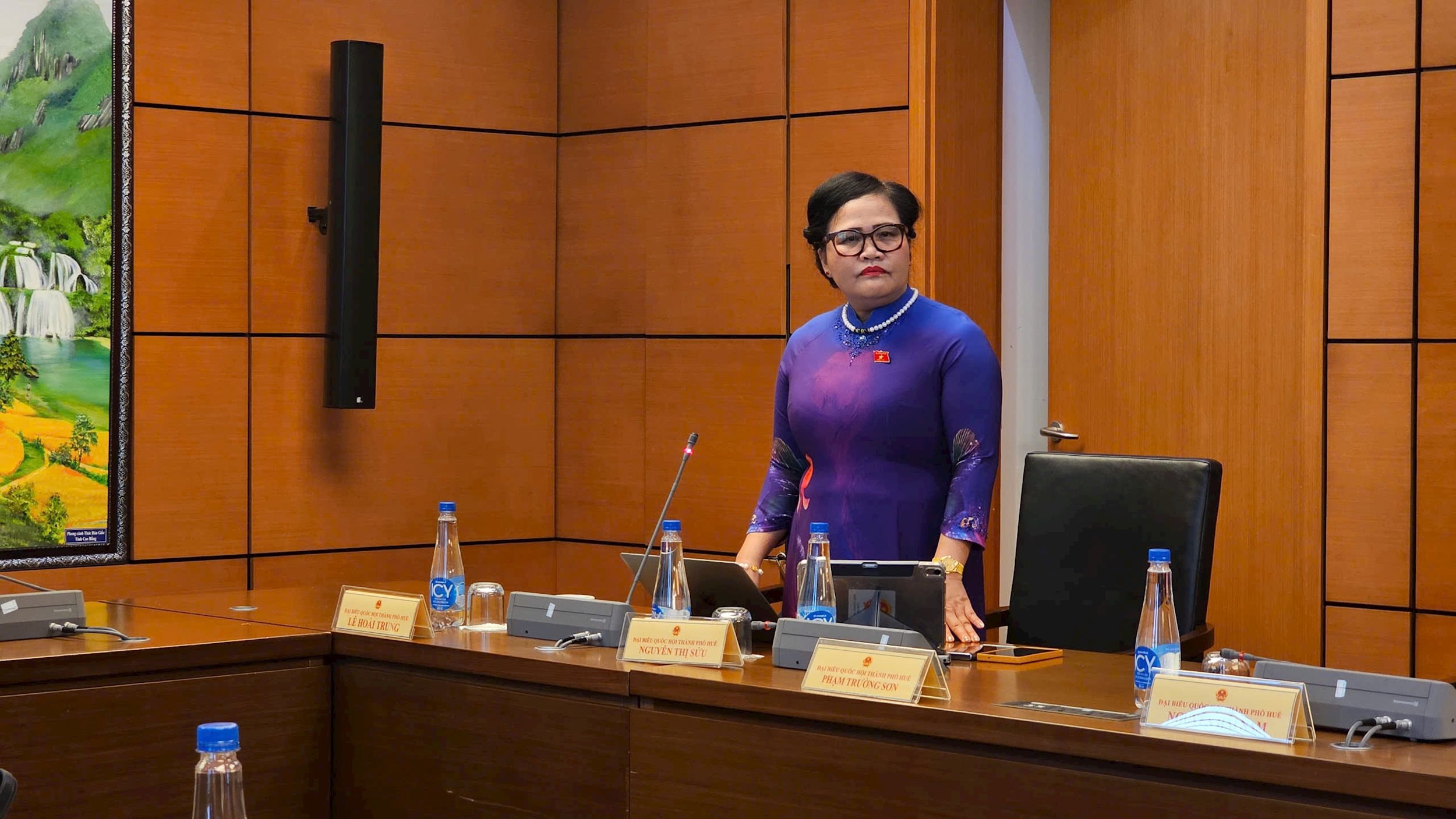
Regarding the tasks of the Government and the Prime Minister (Article 2), delegate Nguyen Thi Suu said that the draft still lacks a transition plan and has not yet stipulated the task of making a list of legal documents that need to be amended, while the merger of the three programs will generate a huge volume of documents. Therefore, the delegate proposed to add the regulation: "The Government directs the making of a list of documents that need to be amended, supplemented or newly issued to implement the Program from 2026".
In addition, annual targets must be closely linked to capital allocation progress; it is impossible to assign income or poverty reduction targets without corresponding resources. Therefore, the delegate suggested adding: “The Prime Minister assigns annual targets based on capital allocation progress and disbursement capacity of each locality”.
Agreeing with the above opinion, National Assembly Deputy Dieu Huynh Sang (Dong Nai) also said that the Drafting Committee needs to comprehensively review the criteria and content of the Program. According to the delegate, it is necessary to fully evaluate to identify duplicated and overlapping content; at the same time, review the components of the program to ensure consistency and effectiveness.
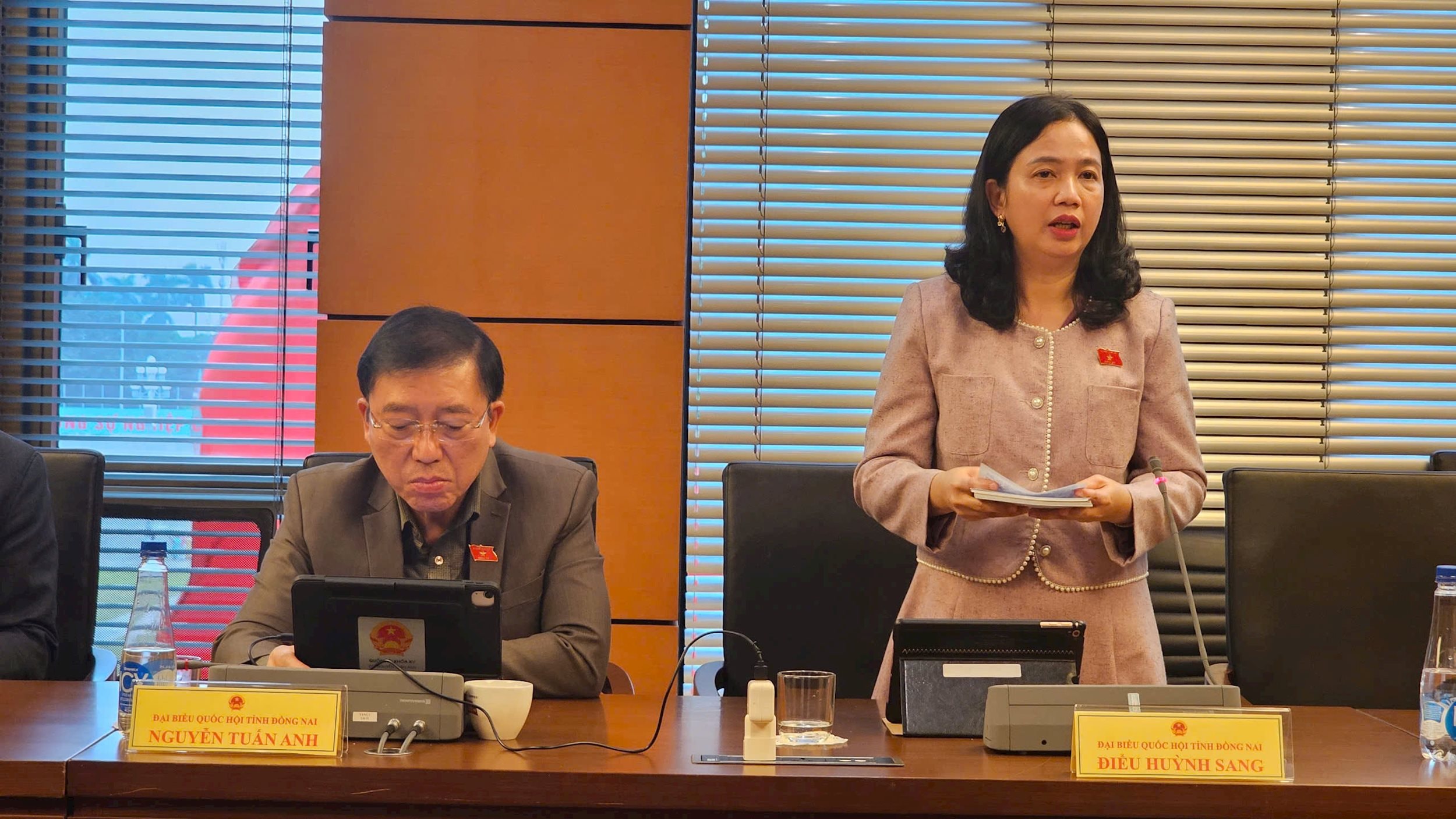
Based on the set goals and targets, delegates emphasized that the new Program must aim for higher goals than the previous period, but more importantly, it must promote real effectiveness and avoid spreading resources.
Regarding the system of indicators, delegates said that some of the indicators set by the Government are still too high and lack consistency, especially the income indicator of ethnic minority people or the indicator of the number of communes meeting new rural standards. Currently, there is no new rural criteria set for the 2026-2030 period, so setting such targets is not clear. Delegates suggested that the Government soon unify the common criteria and indicators to ensure consistency for the entire roadmap.
"The targets must be built on the basis of reliable information and growth forecast data; avoid setting targets that are too high but cannot be achieved" - the delegate emphasized.
Regarding investment resources, delegates suggested that the Drafting Committee should consider and clarify regulations related to the distinction between public investment capital and other investment sources. Some contents should be considered to be transferred directly to target programs to clearly distinguish and avoid overlap.
Regarding the responsibility of the program's host agency, delegates proposed more specific and clear regulations on accountability; at the same time, establishing a close monitoring mechanism during the implementation process, ensuring that each agency properly and fully performs its assigned tasks.
.jpg)
National Assembly Deputy Tho Ut (Dong Nai) also said that these programs have a long history and all focus on investment in the fields of agriculture, farmers and rural areas. However, the implementation of these programs in recent times has also shown that there are many shortcomings in their implementation due to regional specificity and a small staff.
To improve efficiency, delegate Tho Ut suggested that it is necessary to resolve the difficulties in the mechanism, ensure the timely allocation of capital and guidance, and strengthen the consistency of the policy. At the same time, this source also proposed to clarify the counterpart capital mechanism for investment components and consider re-demarcating difficult areas, especially ethnic minority areas. The ultimate goal is to build integrated programs with high inheritance, towards building modern new rural areas and sustainable multidimensional poverty reduction.
Soon issue new poverty standards and new rural criteria for the coming period
Based on the reality of implementing the National Target Programs in localities in recent times, National Assembly Deputies Luu Ba Mac (Lang Son) and Chu Thi Hong Thai (Lang Son) also pointed out a number of difficulties and problems that have arisen in recent times in implementing the programs.
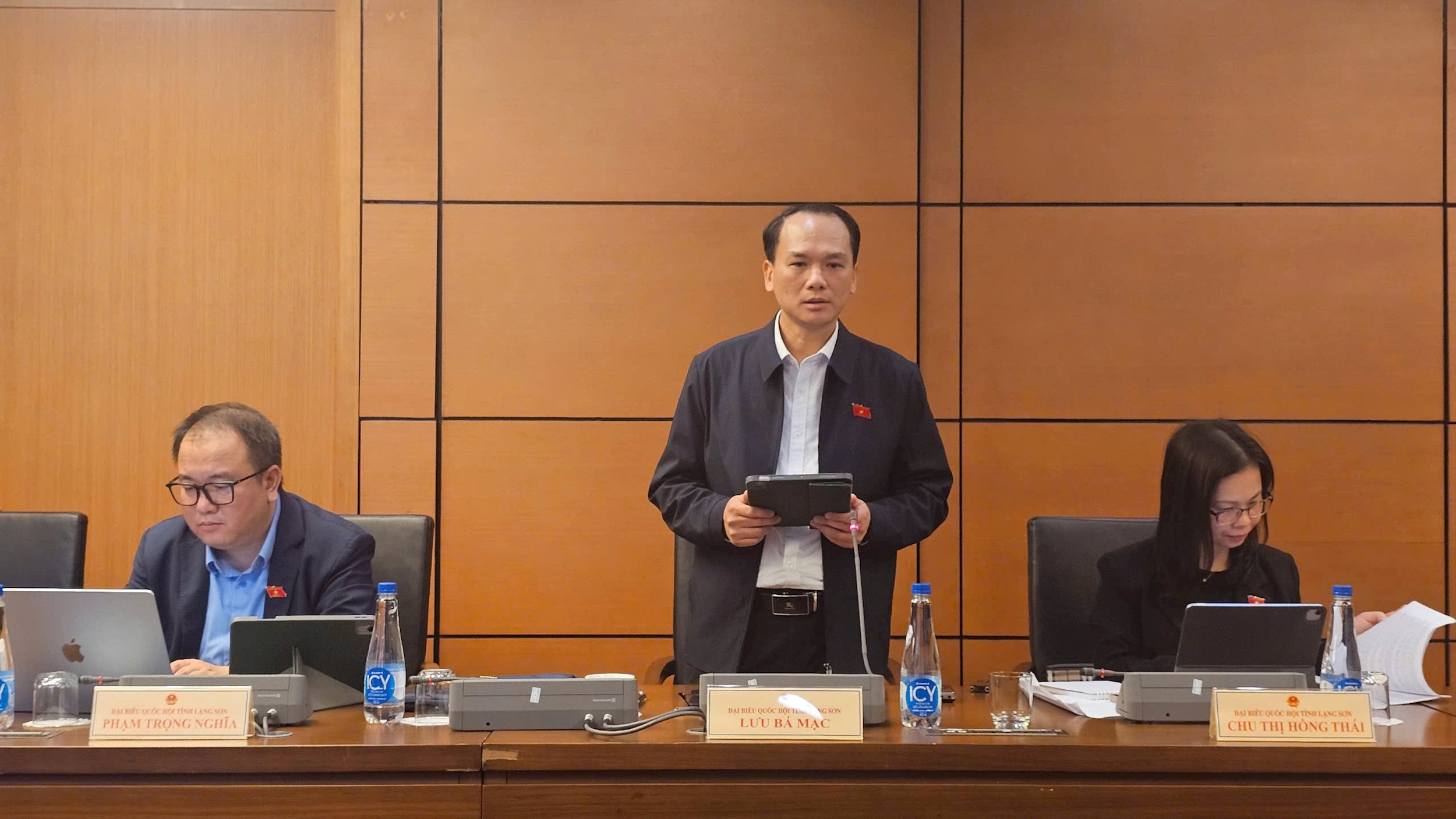
Specifically, the transition to a two-tier government model has caused many changes in the boundaries, scale of administrative units and task targets; while the guidance of ministries and branches has not been timely. In 2025, there will be many natural disasters, storms, and prolonged floods; the number of days of heavy rain has increased, causing most projects to have to temporarily stop construction due to unfavorable weather conditions.
The 2025 funding source of the National Target Program for Socio-Economic Development of Ethnic Minority and Mountainous Areas was allocated late. Some of the Program's indicators are no longer consistent with reality due to changes in quantity, demand, and beneficiaries between the time of the feasibility study report and implementation; the need to make adjustments through the Provincial People's Council also prolongs the implementation time.
Many new legal regulations have been issued and amended, forcing projects to adjust to new processes and procedures, continuing to affect progress...
Based on the above reasons, delegate Luu Ba Mac believes that the Government's proposal is completely reasonable and consistent with the practical situation. The delegate proposed that the National Assembly allow the extension of the implementation period and disbursement of capital for the National Target Programs for the 2021-2025 period until December 31, 2026.
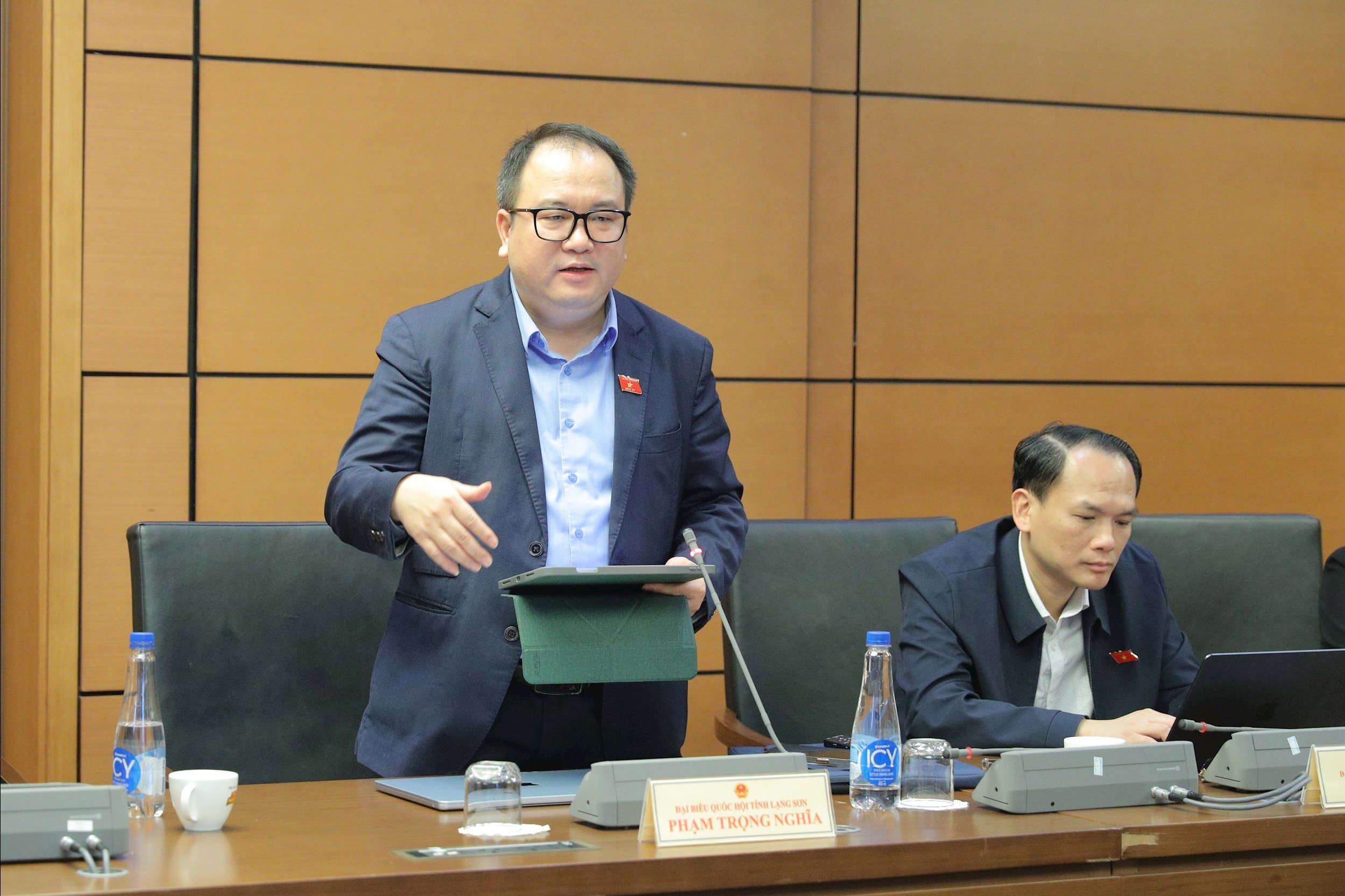
Agreeing and clarifying many important contents to ensure the Program is effectively implemented, National Assembly Deputy Pham Trong Nghia (Lang Son) also pointed out a series of shortcomings that have affected the National Target Program on Poverty Reduction: the guiding documents were issued slowly, were numerous but lacked specificity; capital allocation and disbursement did not meet requirements; the capacity of grassroots officials was still limited, especially in the context that commune-level authorities were having to perform more than 1,000 other tasks.
In addition, the application of information technology in monitoring, evaluating and building a poverty reduction database is not yet uniform; the annual review of poor and near-poor households has not applied IT nationwide; communication is not effective; the effectiveness evaluation mechanism is incomplete; a part of the people still have a mentality of waiting and relying. The delegate emphasized that these shortcomings need to be seriously considered to serve as lessons for the "3 in 1" Program.
Regarding the targets and criteria system, delegate Pham Trong Nghia said that the determination of the tasks and resources of the Program is "going against the process", when the Government has built a large amount of content but has not yet issued the poverty standards for the period 2026-2031 and the new set of new rural criteria. The lack of these two important bases makes it impossible for the National Assembly and localities to assess the current situation and correctly determine capital needs and intervention plans.
Based on that reality, delegate Pham Trong Nghia proposed that the Government soon issue new poverty standards and new rural criteria for the coming period, ensuring they take effect from the beginning of 2026.
Regarding resources and disbursement capacity, delegates expressed concerns about the ability to balance local resources. The draft resolution determined that the total resources of the Program in the 2026-2035 period are 2.8 million billion VND, of which the budget for the 2026-2030 period is 500 trillion VND (100 trillion from the central government, 400 trillion from localities). However, currently, only 7/34 provinces and cities can balance their budgets, while the National Target Programs mainly focus on difficult areas. Citing experience from the previous period, delegate Pham Trong Nghia said: The 2021-2025 poverty reduction program has only disbursed 61.4% of central capital and 72% of local capital. Therefore, delegates suggested that the Government should recalculate capital needs, consider actual disbursement capacity, and avoid the situation of "recording a lot of capital but not using it all".
Regarding implementation, delegates asked the Government to clarify the coordination mechanism, because the draft stipulates the establishment of a Joint Steering Committee for National Target Programs at the central and local levels. Delegates raised the question: will other national target programs such as population, education, culture, drug prevention, etc. be included in the same coordination mechanism? The Government needs to clearly define its viewpoint to avoid overlap in directing and operating the system.
From the above analysis, National Assembly Deputy Pham Trong Nghia suggested that the Government soon complete the criteria system, clearly identify resources, strengthen implementation capacity, and ensure that the "3 in 1" National Target Program is effective, feasible, and close to reality.
Source: https://daibieunhandan.vn/ro-tieu-chi-nguon-luc-de-chuong-trinh-muc-tieu-quoc-gia-3-trong-1-di-vao-thuc-chat-10398103.html
![[Photo] Cat Ba - Green island paradise](/_next/image?url=https%3A%2F%2Fvphoto.vietnam.vn%2Fthumb%2F1200x675%2Fvietnam%2Fresource%2FIMAGE%2F2025%2F12%2F04%2F1764821844074_ndo_br_1-dcbthienduongxanh638-jpg.webp&w=3840&q=75)







![Varieties Revolution: [Part 1] TBR97 - A New Boost for Tay Ninh Rice](https://vphoto.vietnam.vn/thumb/402x226/vietnam/resource/IMAGE/2025/12/02/1764666416147_dsc06039-110200_534-160503.jpeg)


![[Video] The National Assembly acknowledged the Government's management efforts and proposed solutions for education, rural areas and culture.](https://vphoto.vietnam.vn/thumb/402x226/vietnam/resource/IMAGE/2025/12/04/1764829347590_2-6561-png.webp)

![[Video] 15th National Assembly: Completing a large amount of work, creating many innovative marks during the term](https://vphoto.vietnam.vn/thumb/402x226/vietnam/resource/IMAGE/2025/12/04/1764829039607_1-4364-png.webp)



























![[VIMC 40 days of lightning speed] Hai Phong Port determined to break through, reaching the target of 2 million TEUs by 2025](https://vphoto.vietnam.vn/thumb/402x226/vietnam/resource/IMAGE/2025/12/04/1764816441820_chp_4-12-25.jpeg)




































Comment (0)