

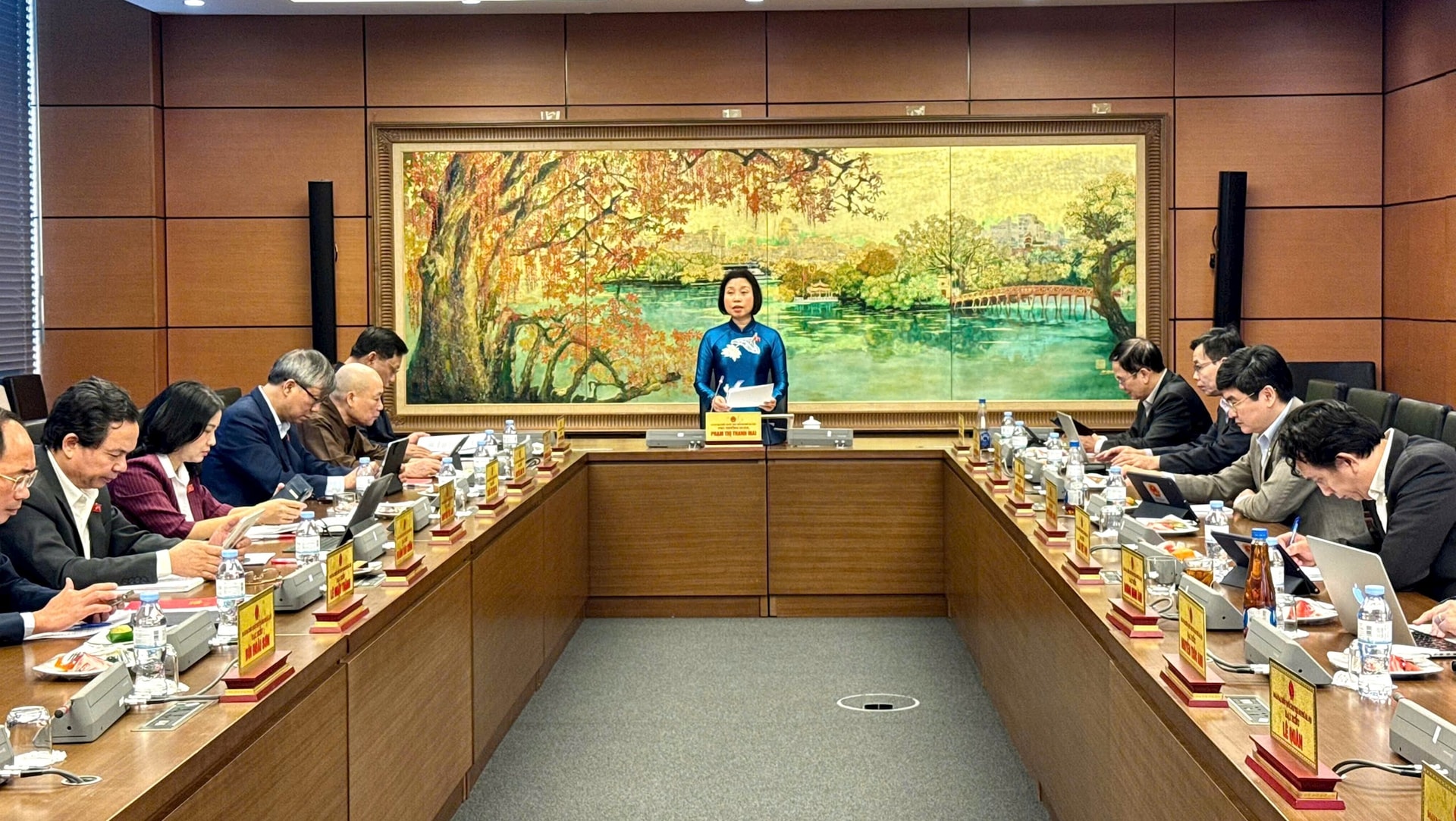
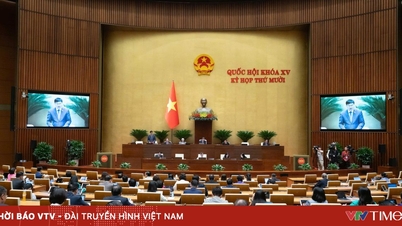
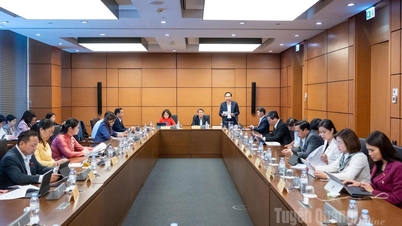
On the afternoon of December 3, continuing the tenth session , the National Assembly discussed in groups the investment policy of the National Target Program on new rural areas, sustainable poverty reduction, socio -economic development in ethnic minority and mountainous areas until 2035 and related contents.
Overlap, duplication and spread in goals
Discussing in groups, delegate Le Nhat Thanh (Hanoi delegation) expressed his high agreement with the important merger of three programs: New rural construction; Sustainable poverty reduction; Socio-economic development in ethnic minority and mountainous areas.
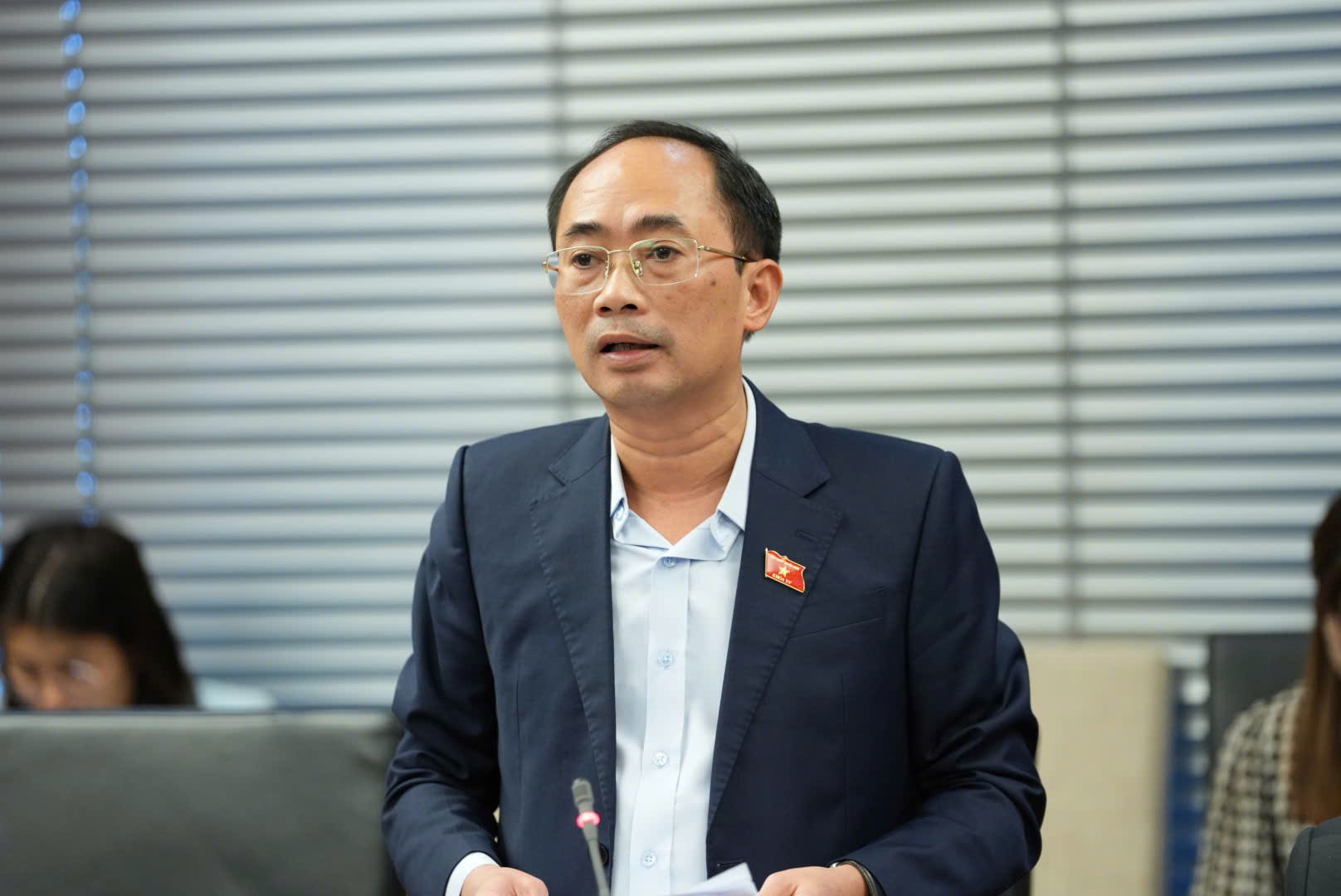
Through monitoring and supervision in localities and feedback from the grassroots, delegates realized that from the practical implementation of the 3 national target programs in the past period, there are still many shortcomings, limitations, difficulties and problems that need to be assessed and identified to serve as a basis for perfecting the program in the next period.
According to delegates, the common shortcomings and limitations in the implementation of the three programs in the past period were overlaps, duplication and dispersion in goals, content and implementation mechanisms.
Localities reported that many contents were assigned to all three programs to implement, causing resource dispersion, wasting coordination time, and making it difficult to allocate capital and organize implementation. Meanwhile, the system of guiding documents is too numerous, but many documents are issued slowly, many documents lack feasibility, are not suitable for practice, and cannot be applied by localities.
“The division of too many components and sub-projects; the content is built from the top down, leading to the components and sub-projects when allocated to localities being often too small, fragmented, and not creating breakthrough impacts. Many contents no longer have beneficiaries; the commune level has to do a lot of paperwork while its capacity is still limited,” the delegate stated the reality.
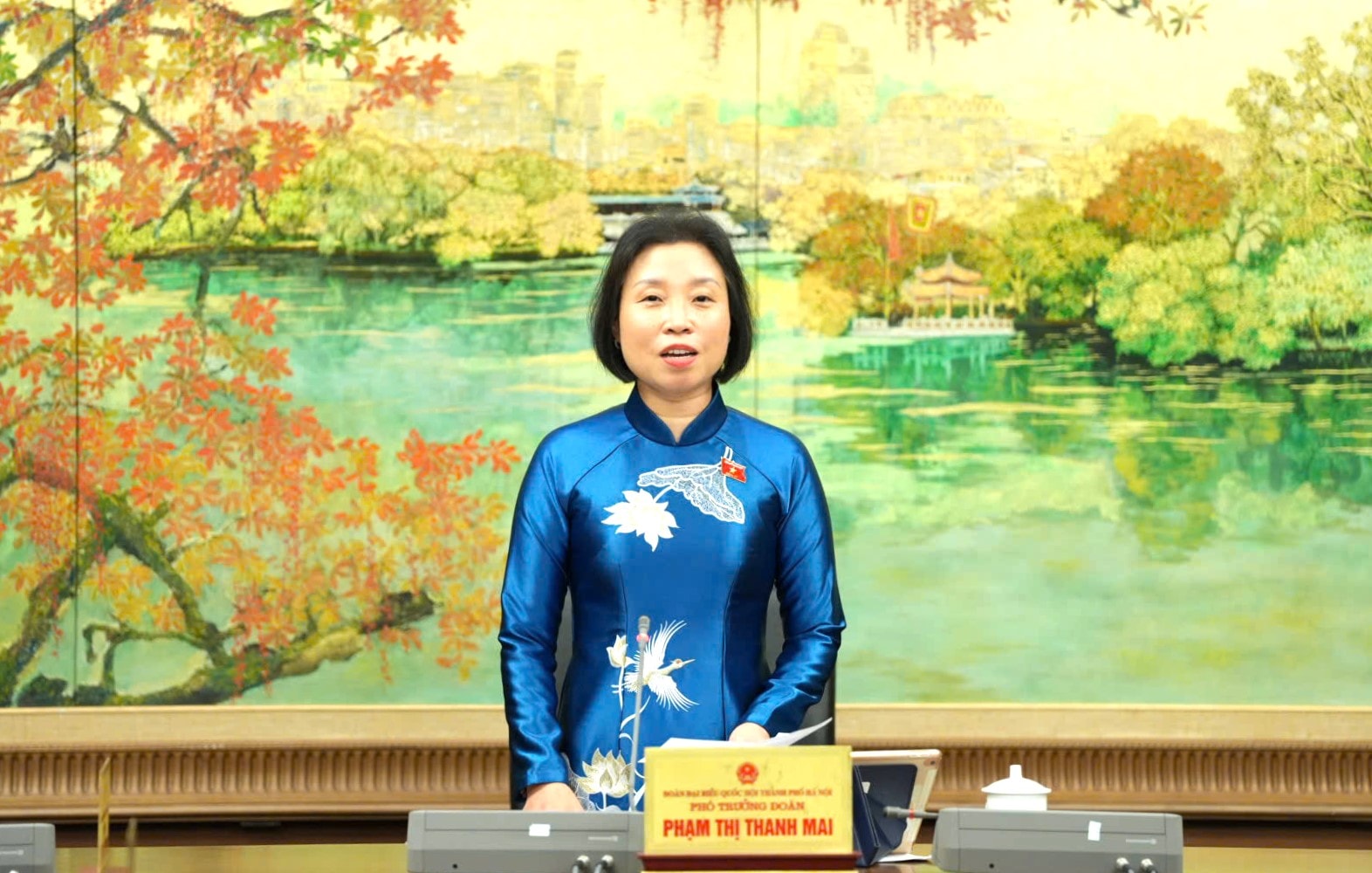
On that basis, delegates agreed on the need to merge three national target programs into one program to overcome the above shortcomings and concentrate resources, increasing the proactive role of localities.
Regarding the components and policies of the program, the delegates said that the program structure with 2 components is reasonable. In addition, the delegates suggested that the drafting agency should conduct research and clearly state in the feasibility report. In particular, clearly identify which tasks are already included in other programs of the Ministries and branches and not include them in the content and investment capital to avoid spreading. At the same time, continue to review the content and activities between the components to ensure there is no duplication, overlap, and no missing objects.
The delegates agreed with the Government’s view that it is necessary to create a “push” for development, starting from ethnic minority and mountainous areas. Therefore, the delegates believed that there should be a consistent view of focusing and prioritizing resources for socio-economic development in this area, in which the central budget plays an important and decisive role.
Delegate Nguyen Hai Trung (Hanoi Delegation), Deputy Minister of Ethnic Minorities and Religions, expressed his high agreement with the policy of merging three national target programs into one overall program to ensure consistency, avoid overlap and improve management and implementation efficiency.
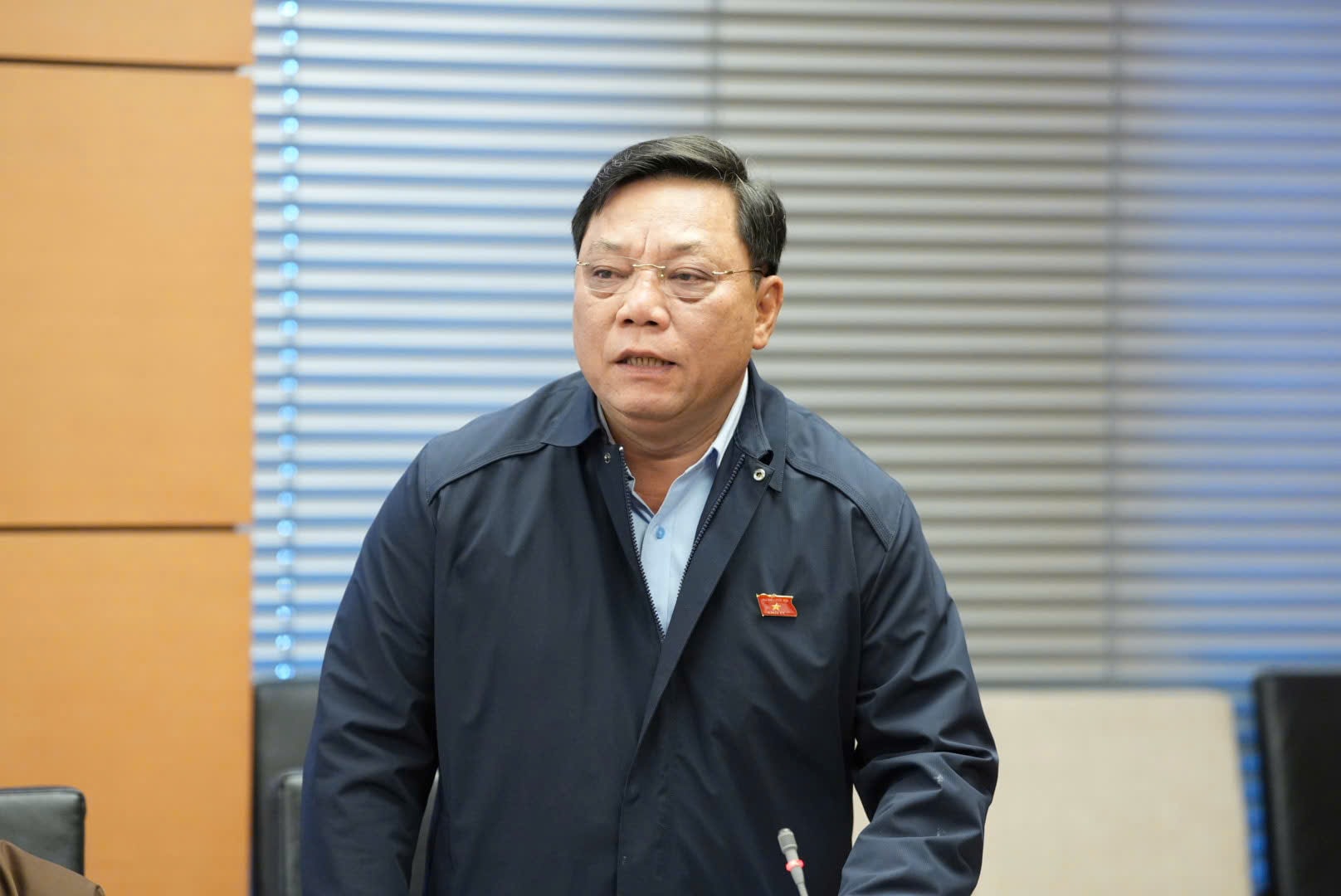
Regarding the management, operation and implementation mechanism, delegates proposed to divide the program into two clear components. Specifically, the first component includes general contents (10 contents), which should be assigned to the Ministry of Agriculture and Environment to preside over. The second component includes 5 specific contents directly related to ethnic minorities and mountainous areas, which should be assigned to the Ministry of Ethnic Minorities and Religions to preside over.
Dramatically improve the quality of rural life
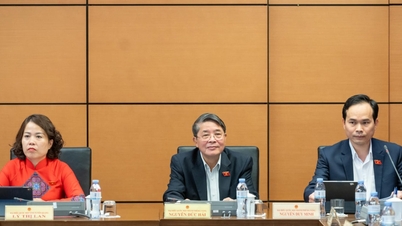
Delegate Nguyen Thi Lan (Hanoi Delegation) highly appreciated three highlights of the draft. Specifically, the approach of integrating three programs into a common framework helps reduce duplication and increase investment efficiency. Second, the development orientation is very modern, focusing on digital transformation, green economy, circular economy and application of science and technology. Third, the goals are clear and well-founded, especially the goal of increasing income by 2.5 - 3 times and strongly improving the quality of life in rural areas.
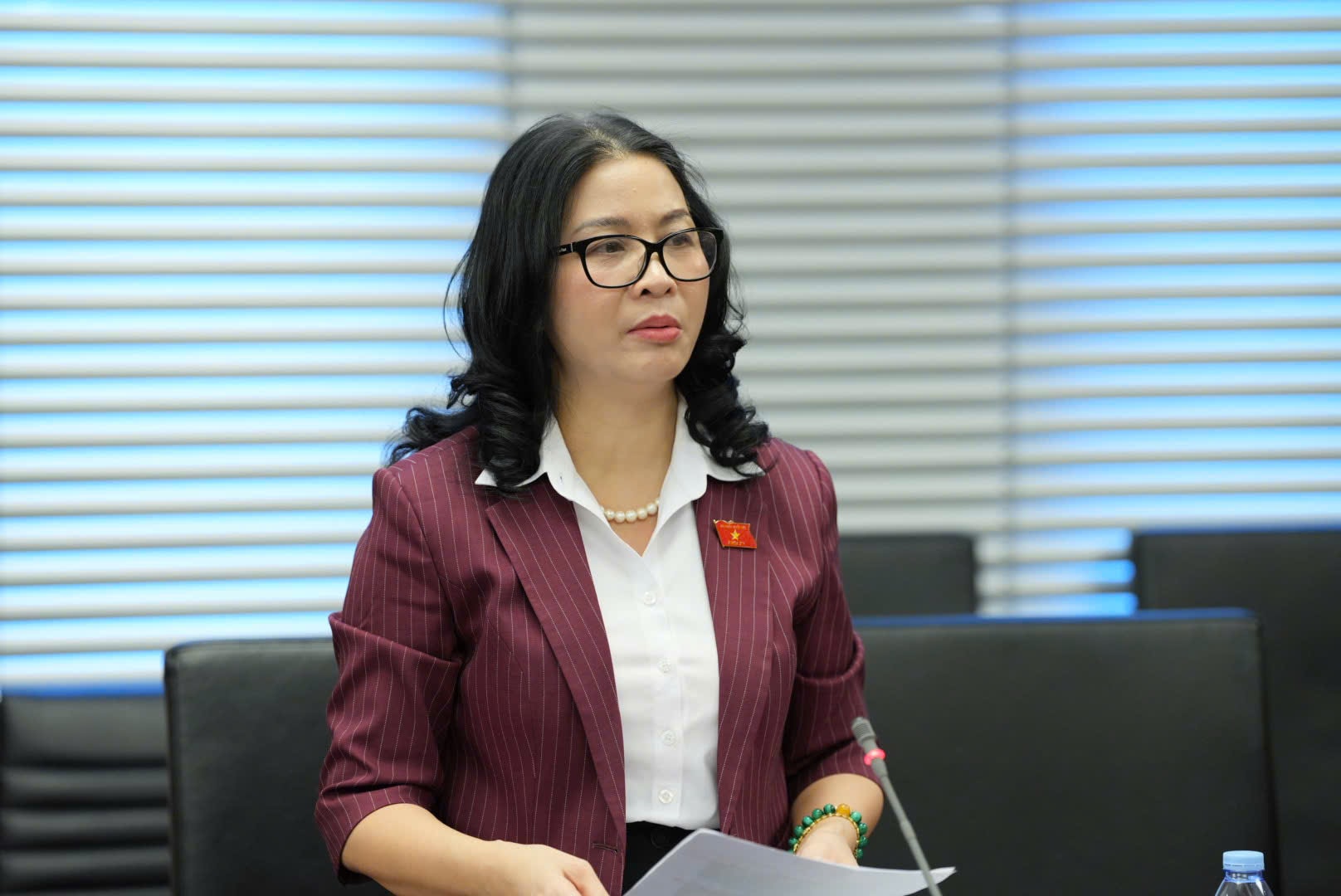
Regarding rural human resources, delegates said that the draft mentioned vocational training but it was still general. Meanwhile, agriculture today requires new skills from digitalization, automation to production management.
Therefore, delegates proposed to supplement the training program for “new generation rural human resources”, focusing on digital skills, modern machinery operation skills and agricultural business management skills. At the same time, increase the role of universities and research institutes to transfer technology directly to farmers.
Regarding science, technology and innovation, delegates said that the draft has not yet specified the budget ratio for science and technology, and there is no mechanism for ordering research or attracting technology businesses.
Therefore, it is necessary to have a Rural Innovation Fund; deploy research orders according to local needs; prioritize biotechnology, varieties, digital transformation, IoT, AI. Especially, increase the connection between institutes - schools - businesses - localities. Because to overcome resource limitations and increase the value of agricultural products, we must rely on science and innovation.
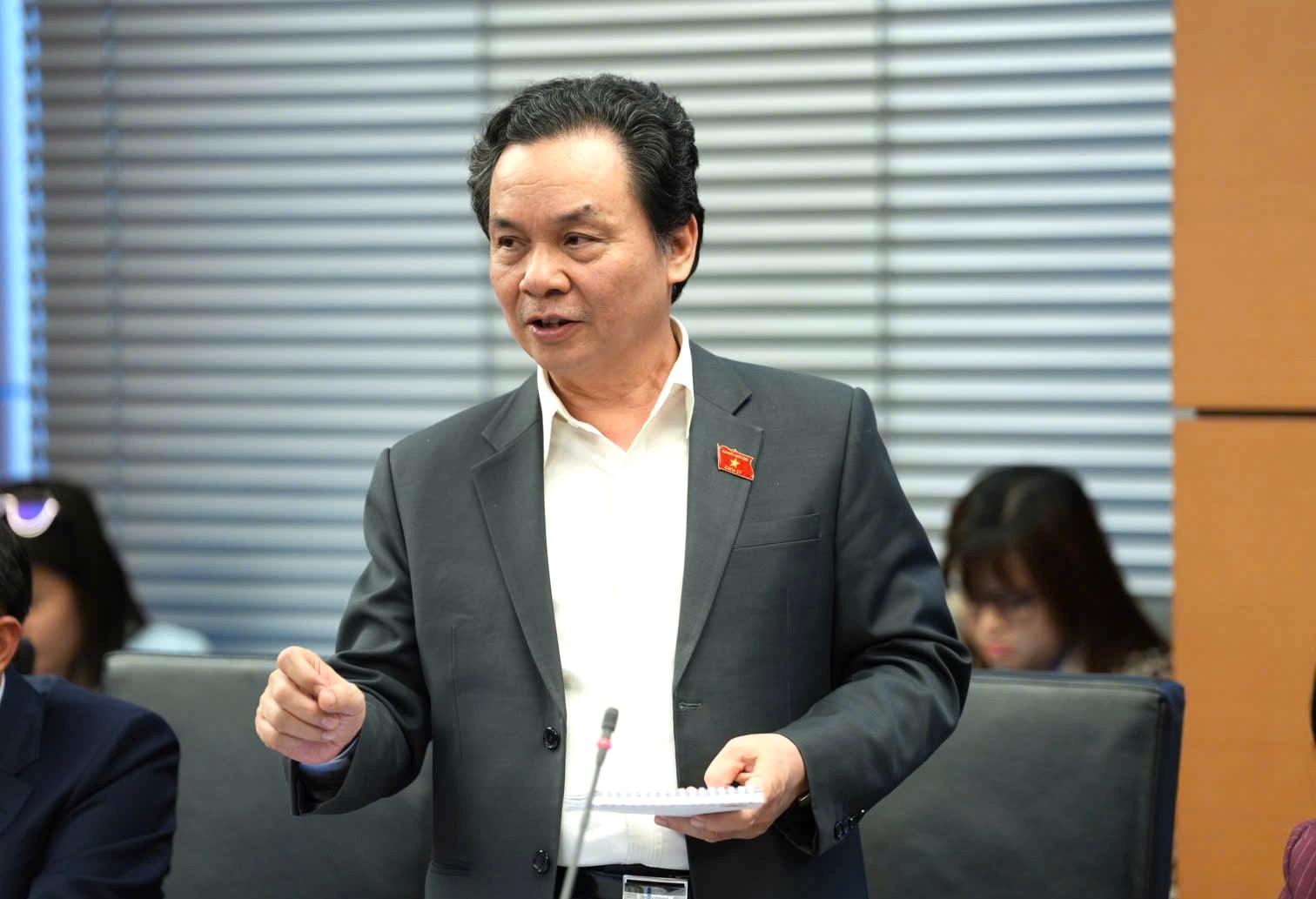
Concerned about infrastructure development and population stability, delegate Hoang Van Cuong (Hanoi Delegation) said that many mountainous areas are currently facing the risk of flash floods and landslides, directly affecting people's lives. Therefore, the draft needs to prioritize population relocation, forming safe clusters of villages, thereby investing in synchronous infrastructure and ensuring a sustainable life for the people.
Regarding education in ethnic minority and mountainous areas, delegates said that the program stated the task of building schools, but there were no targets on the proportion of mountainous children accessing education, especially two-session education, semi-boarding and boarding schools. In reality, the semi-boarding and boarding school model is a key factor in helping mountainous children go to school safely and limit risks. Therefore, delegates suggested adding specific targets in the resolution.
Source: https://hanoimoi.vn/bao-dam-dong-bo-tranh-chong-cheo-trong-3-chuong-trinh-muc-tieu-quoc-gia-725543.html


![[Photo] Cat Ba - Green island paradise](/_next/image?url=https%3A%2F%2Fvphoto.vietnam.vn%2Fthumb%2F1200x675%2Fvietnam%2Fresource%2FIMAGE%2F2025%2F12%2F04%2F1764821844074_ndo_br_1-dcbthienduongxanh638-jpg.webp&w=3840&q=75)
































![[VIMC 40 days of lightning speed] Da Nang Port: Unity - Lightning speed - Breakthrough to the finish line](https://vphoto.vietnam.vn/thumb/402x226/vietnam/resource/IMAGE/2025/12/04/1764833540882_cdn_4-12-25.jpeg)
































Comment (0)