

Hot weather causes dehydration, an unbalanced diet, and consuming contaminated or spoiled food can lead to various digestive problems.
Hot weather creates favorable conditions for viruses and bacteria to multiply and thrive. During this time, the rate of people suffering from digestive diseases such as indigestion, acute diarrhea, dysentery, and food poisoning increases. Dr. Vu Truong Khanh, Head of the Gastroenterology Department at Tam Anh General Hospital in Hanoi , stated that there are many reasons why digestive diseases tend to increase during the hot season.
Food is easily contaminated and spoiled.
Diarrhea, digestive disorders, and food poisoning are often caused by bacteria such as salmonella, botulinum, E. coli, campylobacter, and listeria. The growth rate of these bacteria depends on many factors such as oxygen, temperature, humidity, and acidity. They thrive in environments with temperatures between 5-60°C and can double in number in just 20 minutes at temperatures of around 32-43°C. From a single bacterium, nearly 17 million can multiply in 8 hours.
Hot weather makes food more prone to spoilage and deterioration if not properly stored, especially animal-derived foods that are high in protein and fat, such as meat, fish, seafood, milk, and dairy products. When you consume them, bacteria will produce toxins that cause symptoms of food poisoning and digestive disorders.
According to Dr. Khanh, to avoid digestive problems, you should choose fresh food with clear origins and quality certifications. Food safety principles to follow include cooking food thoroughly, boiling water, and washing food before eating and preparing it. Food preparation and storage must be hygienic. Ideally, you should cook only enough food and consume it within 2 hours. If there is leftover, reheat it immediately after eating, then refrigerate it at a temperature below 5 degrees Celsius.
Food left at room temperature for 4 hours or more after preparation should be discarded as it may have been contaminated by bacteria. After 3-4 days, even when stored below 5°C, food can still spoil and cause food poisoning. Therefore, you should not reuse leftover food after 4 days of storage in the refrigerator.
Fresh foods should not be left at room temperature after purchase; they should be washed immediately and stored in the refrigerator, used within 3-5 days. Avoid mixing raw and cooked foods, green vegetables, and fruits. Some foods stored in airtight containers, such as canned meat and fish, fermented fish, cured meat, and pickled vegetables, may not be salty enough and pose a high risk of food poisoning due to the anaerobic bacterium Clostridium botulinum, so caution should be exercised when consuming them. After cooking, food should be carefully covered to prevent contamination by rodents, flies, cockroaches, etc.
Nutritional imbalance
The body sweats profusely to cool itself down in hot weather, leading to dehydration and electrolyte loss, which in turn reduces appetite. Additionally, the hypothalamus in the brain regulates body temperature and controls appetite. Because digestion also generates a lot of heat, the hypothalamus suppresses appetite to reduce the workload. Therefore, in the summer, people tend to feel thirstier than hungry.
Fatigue and loss of appetite lead to irregular eating habits. Many people tend to skip meals, eat at irregular times, have hasty meals lacking in nutrition, or choose processed foods high in salt and fat while eating few vegetables and fruits. This nutritional imbalance causes a decline in health. Therefore, when exposed to contaminated food, you are more susceptible to illness. Dehydration and a low-fiber diet increase the risk of constipation and anorectal diseases such as hemorrhoids and colitis.
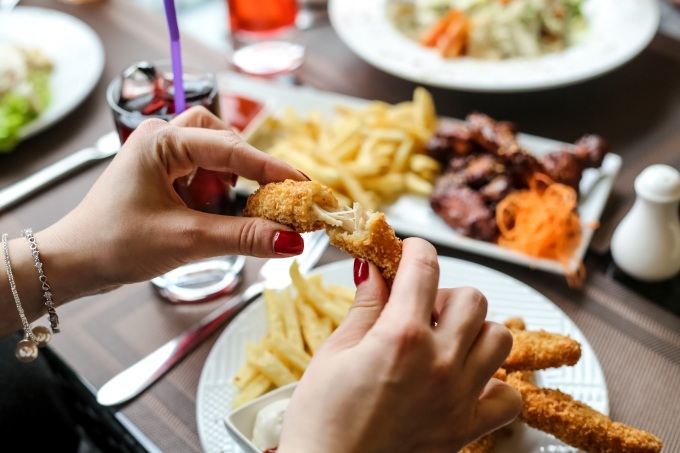
The hot weather causes many people to lose their appetite, leading them to choose processed foods that cause nutritional imbalances. Photo: Freepik
Incorrect cooling habits
Dr. Khanh stated that many Vietnamese people have a habit of "cooling down" with beer, energy drinks, and carbonated soft drinks during the summer. Drinking alcohol in hot weather reduces or eliminates the feeling of heat, but body temperature does not decrease. Alcohol increases diuresis, easily leading to dehydration in hot weather. The alcohol in these drinks also kills a large number of beneficial bacteria, causing an imbalance in the gut microbiome. Frequent and excessive drinking increases the risk of gastrointestinal diseases.
Energy drinks can increase contractions of the digestive tract, increasing intestinal motility and causing loose stools. Sweeteners or sugar alcohols in energy drinks, such as maltitol and xylitol, can cause indigestion and bloating because they cannot be broken down and metabolized by gut bacteria. Carbonated soft drinks contain a lot of carbon dioxide, leading to gas, bloating, and worsening symptoms of acid reflux.
Hot weather often leads many people to crave cold foods and drinks. However, this habit can cause indigestion, especially after a greasy meal.

The habit of cooling down with ice-cold water can cause indigestion. Photo: Freepik
Dr. Khanh added that after being infected with a virus or bacteria, patients may experience vomiting or nausea, fever, and frequent diarrhea for about 3-10 days, lasting approximately two days. If not detected and treated promptly, patients may suffer many health consequences, even life-threatening situations in cases of severe poisoning. Therefore, when experiencing symptoms of digestive illness, patients should seek medical attention for diagnosis and treatment. To avoid digestive illnesses during the summer months, people should maintain a healthy diet and lifestyle, including eating plenty of green vegetables and fresh fruits, drinking enough water, limiting spicy and hot foods and stimulants (alcohol, coffee, tobacco, etc.), getting enough sleep, and exercising regularly every day.
Trinh Mai
Source link


![[Photo] General Secretary and President To Lam presides over a meeting on preparations for the review of one year of operation of the three-tiered government system.](https://vphoto.vietnam.vn/thumb/1200x675/vietnam/resource/IMAGE/2026/06/02/1780391821195_a1-bnd-4595-9717-jpg.webp)






















































































Comment (0)