

Neuralink is developing a brain implant called Link. The goal of Link is to help patients with severe paralysis use neural signals to control external devices. This means that patients with serious degenerative diseases like ALS (amyotrophic lateral sclerosis) could regain the ability to communicate with loved ones through cursor movement and mental typing.
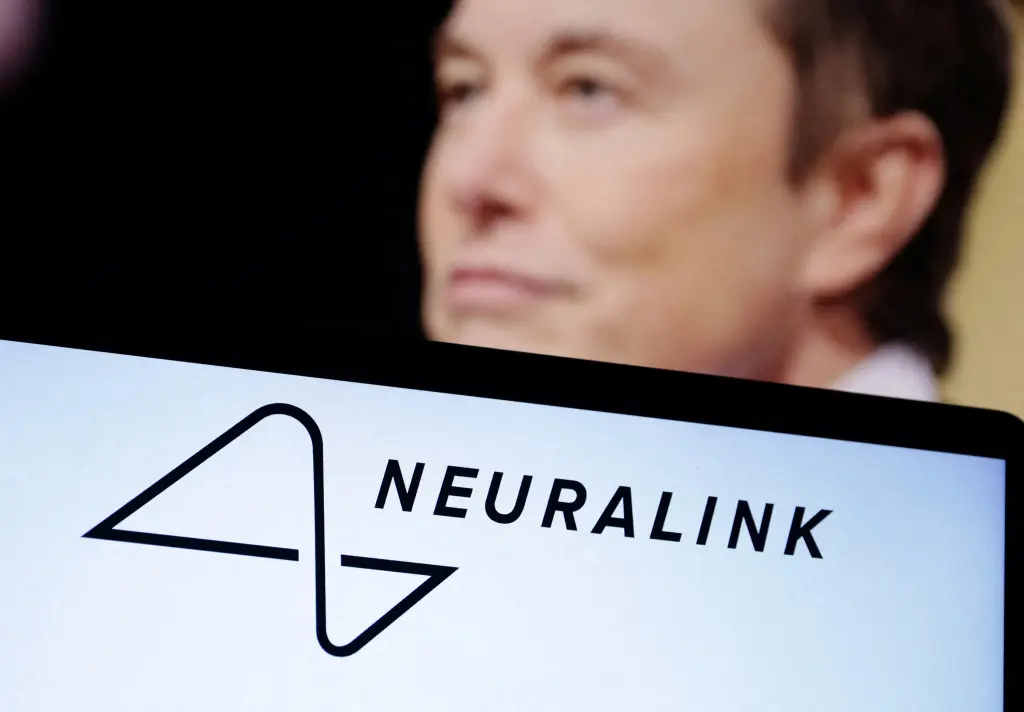
On Twitter, Neuralink stated that the licensing is the first step on a journey to enable the company's technology to assist more people. According to CNBC , the scope of the trial is unclear. Neuralink has also not yet begun recruiting patients for clinical trials.
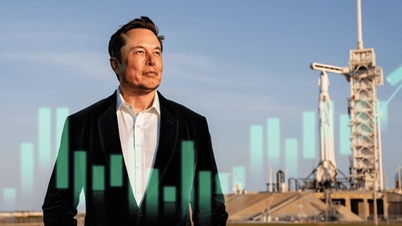
Neuralink is part of the brain-computer interface (BCI) industry. BCI systems decode brain signals and translate them into commands for external technology. Neuralink is perhaps best known for its association with Musk, who is also the CEO of Tesla, SpaceX, and Twitter.
Scientists have been researching BCI technology for decades. Several companies have also developed promising systems that they hope to bring to market. However, obtaining FDA approval for a commercial medical device is not easy. It requires businesses to successfully conduct rigorous testing and collect safety data.
No BCI company has yet secured final FDA approval. However, permission to conduct clinical trials on humans would give Neuralink a significant step towards market entry.
Neuralink's BCI technology requires patients to undergo minimally invasive brain surgery. Its system revolves around Link, a small, circular implant that processes and "translates" neural signals. Link connects to a series of thin, flexible fibers inserted directly into brain tissue, where neural signals are detected.
Patients who receive the Neuralink device will learn how to control it via the Neuralink app. They will then be able to control a mouse and keyboard via Bluetooth connection, according to the startup's website.
The FDA's approval is a major victory for Neuralink after a series of recent hurdles. In February, the U.S. Department of Transportation confirmed it was investigating the company for allegedly packaging and shipping contaminated hardware in an unsafe manner. A month later, Reuters reported that the FDA had rejected the startup's application for human trials and outlined dozens of issues that needed to be addressed.
Neuralink has also been criticized by activist groups for its animal cruelty. They have called on Musk to release information about the experiments on monkeys, which resulted in external bleeding, paralysis, chronic infections, seizures, mental health deterioration, and death.
Besides assisting patients with paralysis, experts believe that one day, BCI will help treat conditions such as blindness and mental health. Musk said Neuralink will explore these cases in the future. At an event late last year, he even announced that he would personally implant the Neuralink device.
(According to CNBC)
Source


![[Photo] Prime Minister Pham Minh Chinh presides over a meeting on private sector economic development.](/_next/image?url=https%3A%2F%2Fvphoto.vietnam.vn%2Fthumb%2F1200x675%2Fvietnam%2Fresource%2FIMAGE%2F2025%2F12%2F20%2F1766237501876_thiet-ke-chua-co-ten-40-png.webp&w=3840&q=75)

























































































Comment (0)