

On New Year's Eve of the Year of the Horse, in a small house on the slope of Dien Bien Phu Street, next to Tu Dam Pagoda, the sound of bells echoed through the tranquil space. There, culinary artist Mai Thi Tra calmly welcomed the new year – and another year older. Her 92nd birthday came as lightly as a breath, for for more than half a century, this woman from Hue has been accustomed to living slowly, deeply, quietly preserving and passing on the soul of the ancient capital's cuisine.
Persistently passing on the flame
In her cozy little house, Mrs. Tra celebrated New Year's Eve without fanfare or parties. A single incense stick, a moment of quiet reflection listening to the temple bells echoing down the familiar slope – that was enough. At an age when many people struggle with health issues, she remains lucid, cooks her own meals every day, regularly visits the temple to pray for peace, and maintains a relaxed and peaceful pace of life.

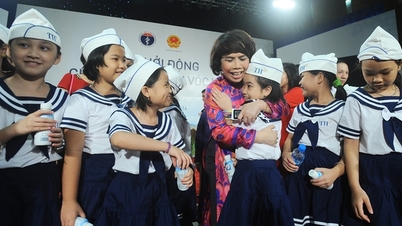
Artisan Mai Thi Tra (far right) at a food festival.
Just a few days before Tet (Vietnamese Lunar New Year), she was in Ho Chi Minh City teaching cooking and receiving the title of "National Artisan of Vietnamese Culinary Culture" awarded by the Vietnam Culinary Culture Association. It was a recognition of a lifetime of dedication, but for her, all honors were insignificant. After the ceremony, she took a late flight back to Hue , woke up early the next morning, and, as was her unchanging habit, asked someone to drive her to the temple.

Artisan Mai Thi Tra with her book "Hue Royal Vegetarian Dishes".
That title was not the end, nor was it the first time she had received social recognition. For artisan Mai Thi Tra, the path to culinary art did not begin with fame, but from the traditional Hue family kitchen – where every meal, every feast, contained a philosophy of life.
From Hue's family traditions to the journey of bringing vegetarian cuisine to the world.
Born into a respectable family, Mai Thi Tra was the granddaughter of Mai Thi Vang – the wife of Emperor Duy Tan, whose father had served as a district magistrate. She received a careful and thorough education and graduated from Hue University of Education. Before 1975, she was a literature teacher at Nguyen Tri Phuong School and Hue Citadel Girls' School; from 1976, she taught literature and home economics at Dong Khanh Girls' School, now Hai Ba Trung School.

Artisan Mai Thi Tra: The sophistication of Hue cuisine lies not only in the food itself but also in the invitation.
She came to cooking without formal schooling or a curriculum. Her "school" was the traditional family life of Hue. Back then, for every ancestral commemoration and festival, the women of the household had to roll up their sleeves and prepare everything. From washing rice and vegetables to cooking sweet soups, making cakes, and setting the table… Hue girls learned to cook through observation, with their hands, and with patience. Each dish was not just for satisfying hunger, but also to instill in the cook meticulousness, carefulness, and proper manners.
In 1999, as part of the Hue Culture Week in Hanoi, Ms. Tra personally prepared two vegetarian dishes, "Twelve Causal Links" and "Mixed Vegetable Soup." Without elaborate presentation, these two dishes captivated culinary experts with their harmonious flavors and cultural depth.

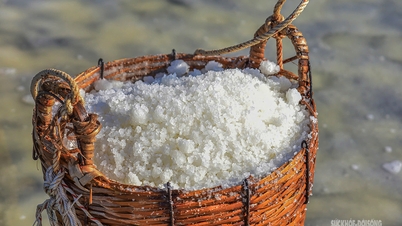
Salted rice was prepared by Mrs. Tra.
A year later, she was invited to participate in introducing Vietnamese cuisine in Europe. From her encounters with the Vietnamese diaspora community, she compiled the book "Vegetariens à la mode de Huế – Vegetarian Dishes in the Hue Style" in both Vietnamese and French, as a way to preserve and tell the story of Hue through the language of food.
The philosophy of "delicacies" and the simple invitation of "rice and salt" in Hue.
According to artisan Mai Thi Tra, mentioning Hue cuisine is mentioning the philosophy of "high-class, exquisite dishes." "High" means elegant, "good" means wholesome – beneficial to health, and "exquisite" means beautiful and delicious. The beauty lies not only in the presentation but also in the delicate balance of sour, spicy, salty, and sweet flavors. Hue dishes are not harsh or one-sidedly strong, but rather well-balanced and harmonious, making them easy to appreciate and remember.

Hue-style spring rolls.
It is this moderation that gives Hue cuisine its enduring vitality. Famous dishes such as Hue beef noodle soup, banh khoai (fried rice cakes), and various types of sweet soups are not distant royal dishes, but rather dishes of everyday life, refined over time to achieve perfection.
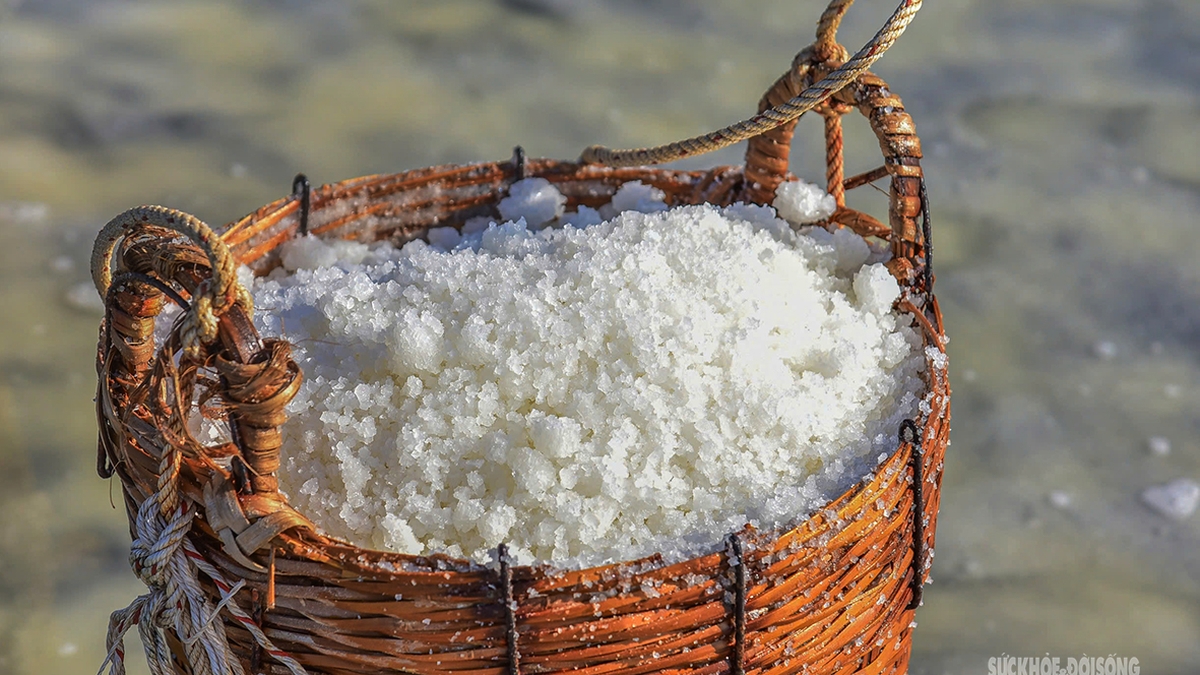
Ms. Tra often mentions a very Hue cultural aspect: the invitation to a meal with "rice and salt." It sounds simple, but it's a humble way of speaking, avoiding ostentation. In reality, a Hue meal is always complete and abundant, just without the ostentatious display. "Rice and salt," therefore, carries two layers of meaning: simplicity in the meal and subtlety in the etiquette.
For artisan Mai Thi Tra, cuisine, like life, is always in motion and changing. But innovation doesn't mean losing identity. Preserving old values isn't about rejecting the new, but about selective development, so that as time passes, Hue cuisine retains its essence and unique soul.
At 92 years old, the artisan still quietly works by the stove, surrounded by the sound of temple bells, living each day in serenity. Like Hue cuisine itself – unpretentious, unhurried – yet profound enough to linger in the memories of those who enjoy it.
Source: https://nld.com.vn/nghe-nhan-92-tuoi-truyen-nghe-am-thuc-hue-196260217114906988.htm




















































Comment (0)