

Students in grades 8 and 11 did not encounter difficulties because they were already familiar with the way literature exam questions were formulated, using materials outside of the textbook, from the previous school year.
Observing the mid-term exam results from the first semester, several encouraging signs have emerged. Specifically, the teaching of literature is gradually eliminating model essays and eradicating rote learning and cramming that have existed for so long.
The difficulty arises when the data is complex and lengthy.
However, the source material for the literature exam is a text. Being completely new, students are still facing some difficulties.
For example, if the assignment for a text (usually one of the genres: poetry, short story, play, or essay) is long and difficult, students will struggle to read and complete it.

For the past two years, the Ministry of Education and Training has advocated for teachers to use materials outside of textbooks when creating literature tests.
When teachers assign essay writing to students at home, they have ample time to read the text and consult resources to understand it. However, during a test, with a relatively short timeframe (90 minutes), accurately understanding the content and theme of the text is not easy at all.
Students with good language skills may find it relatively easy. However, those who read slowly or have limited cognitive abilities will find it difficult to understand the text. Without understanding the text, or with misinterpretation, students will be unable to complete the assignment or will go off-topic.
For students who chose a subject combination that included literature, most of them performed very well. However, with a similar test, students who did not choose literature as an elective performed very poorly, making many mistakes, especially in the essay writing and literary analysis sections.
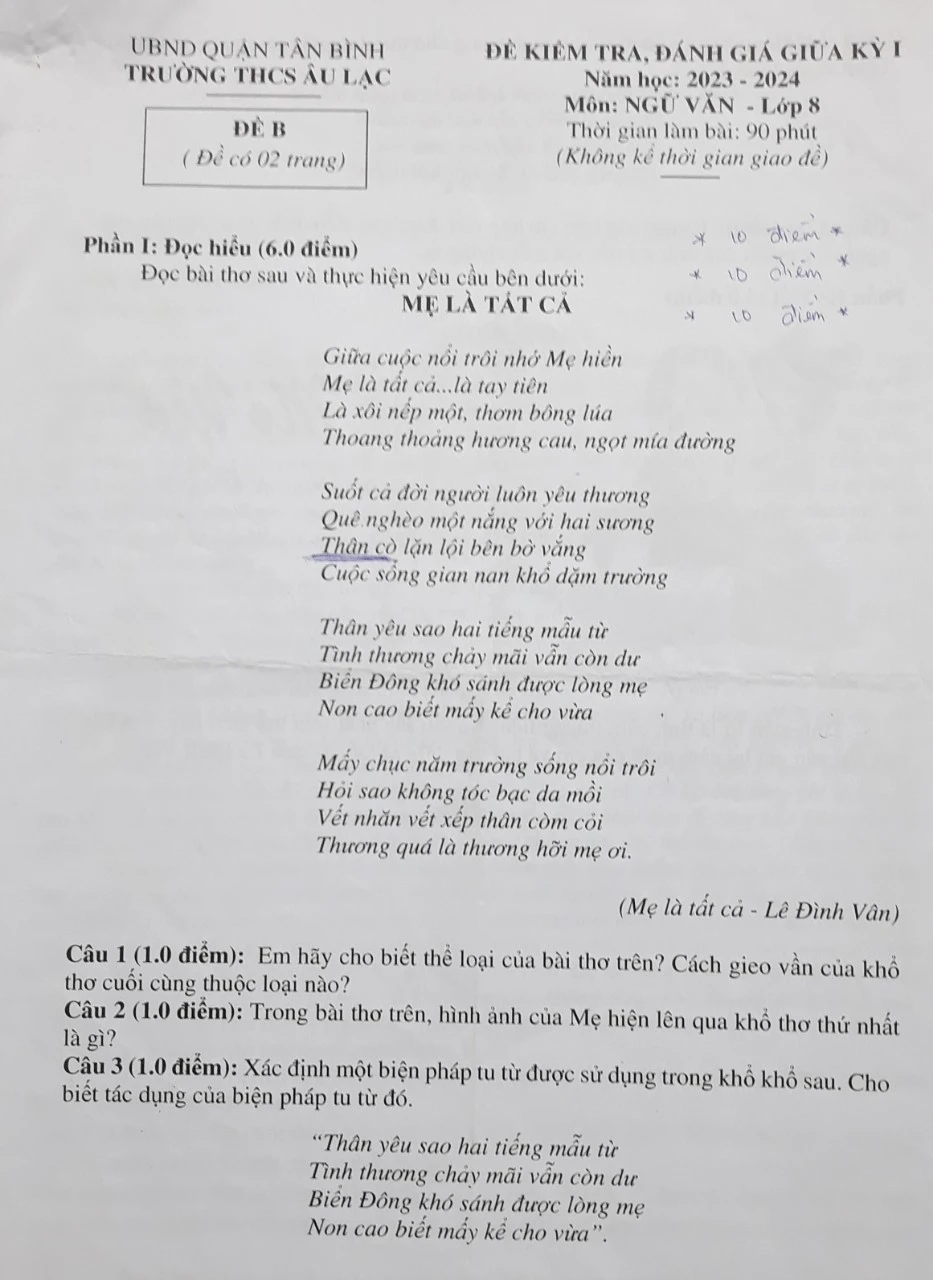
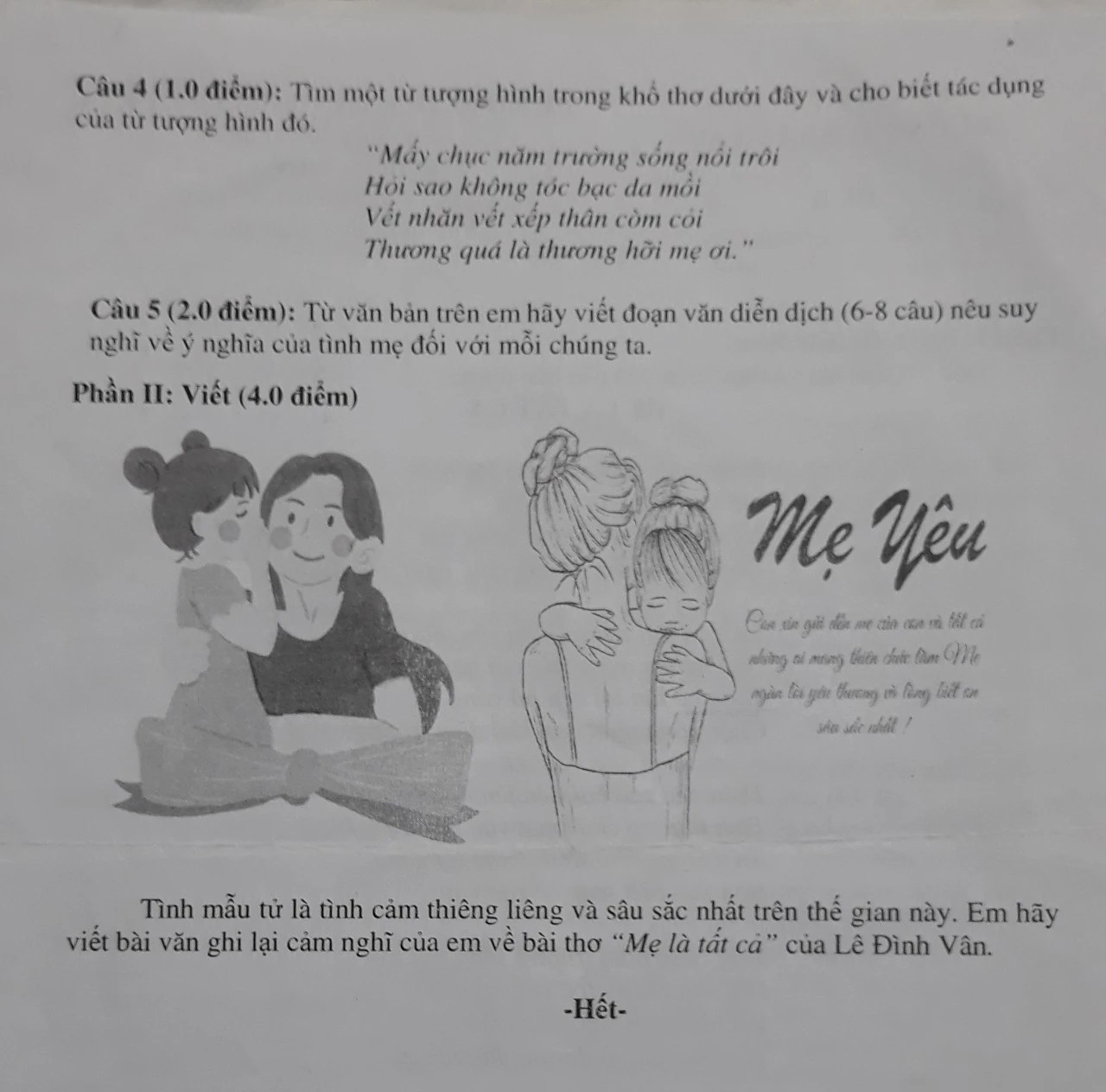
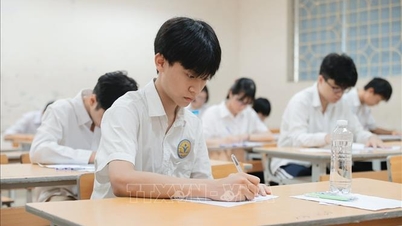
Midterm Literature Exam for 8th Grade at Au Lac Secondary School (Ho Chi Minh City)
Solutions to reduce pressure on students
To make it easier for students, first and foremost, those designing literature exams need to pay attention to the length of the texts. Exam setters should not choose texts that are too difficult and beyond the students' level of understanding. The questions should also closely adhere to the learning objectives and genre requirements of the lesson.
The structure of the test also helps reduce pressure on students. Accordingly, test designers should increase the points allocated to the reading comprehension section and decrease the points allocated to the essay writing section, following a 6/4 ratio as seen in many schools' current test formats. Social commentary questions should be integrated into the reading comprehension section.

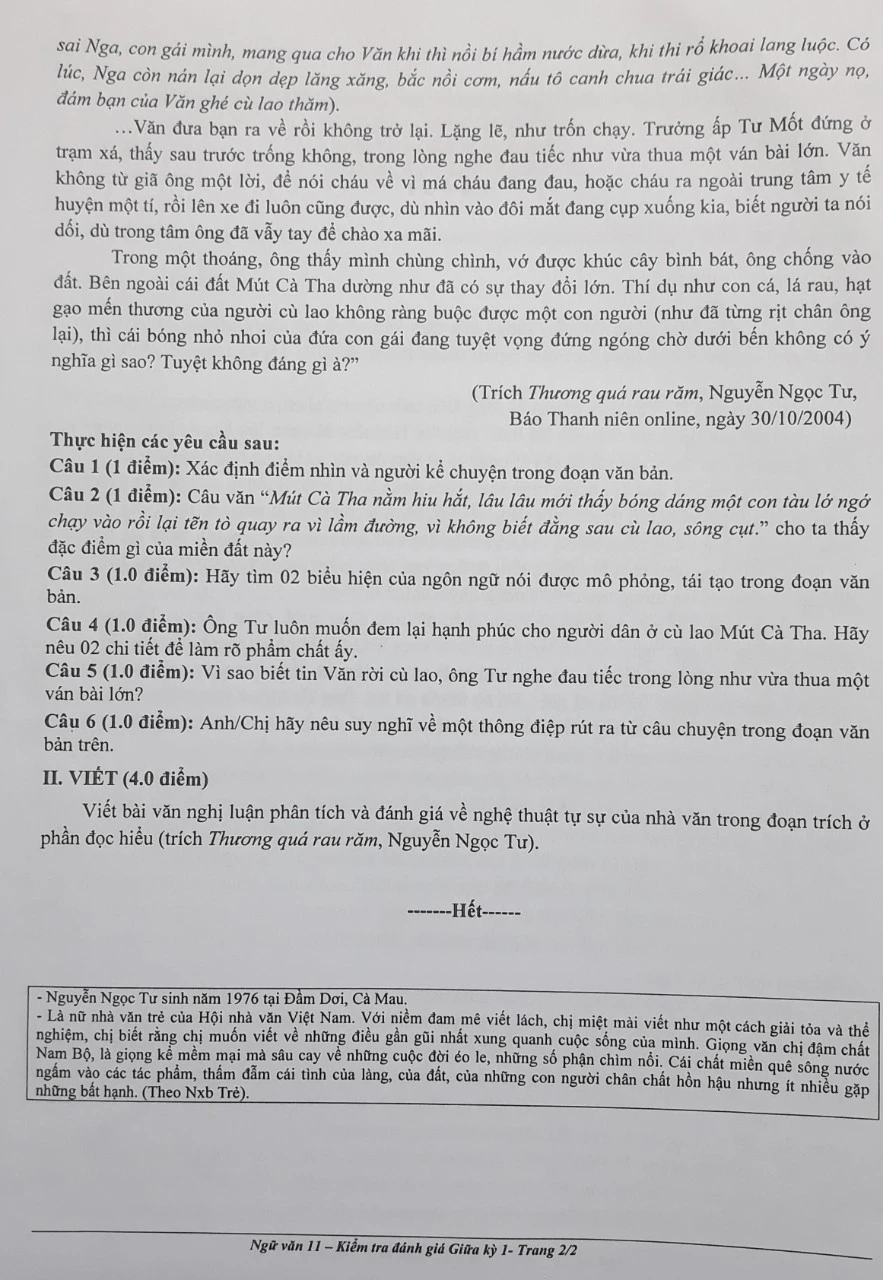
The midterm exam for 11th grade at Tay Thanh High School (Ho Chi Minh City) used material from writer Nguyen Ngoc Tu's article on Thanh Nien Online.
When creating grading rubrics, teachers shouldn't expect students to analyze the text in depth, detail, or write lengthy essays. The important thing is that students understand the text, extract its meaning and lessons, and analyze some key aspects of literary knowledge as required. For texts read for the first time, examiners should award points to encourage students who offer insightful observations, discoveries, and individuality.
Teachers should also limit the scope of topics that will be covered in the test so that students can proactively prepare for it.
Source link


![[Photo] Prime Minister Pham Minh Chinh presides over a meeting on private sector economic development.](/_next/image?url=https%3A%2F%2Fvphoto.vietnam.vn%2Fthumb%2F1200x675%2Fvietnam%2Fresource%2FIMAGE%2F2025%2F12%2F20%2F1766237501876_thiet-ke-chua-co-ten-40-png.webp&w=3840&q=75)































































































Comment (0)