

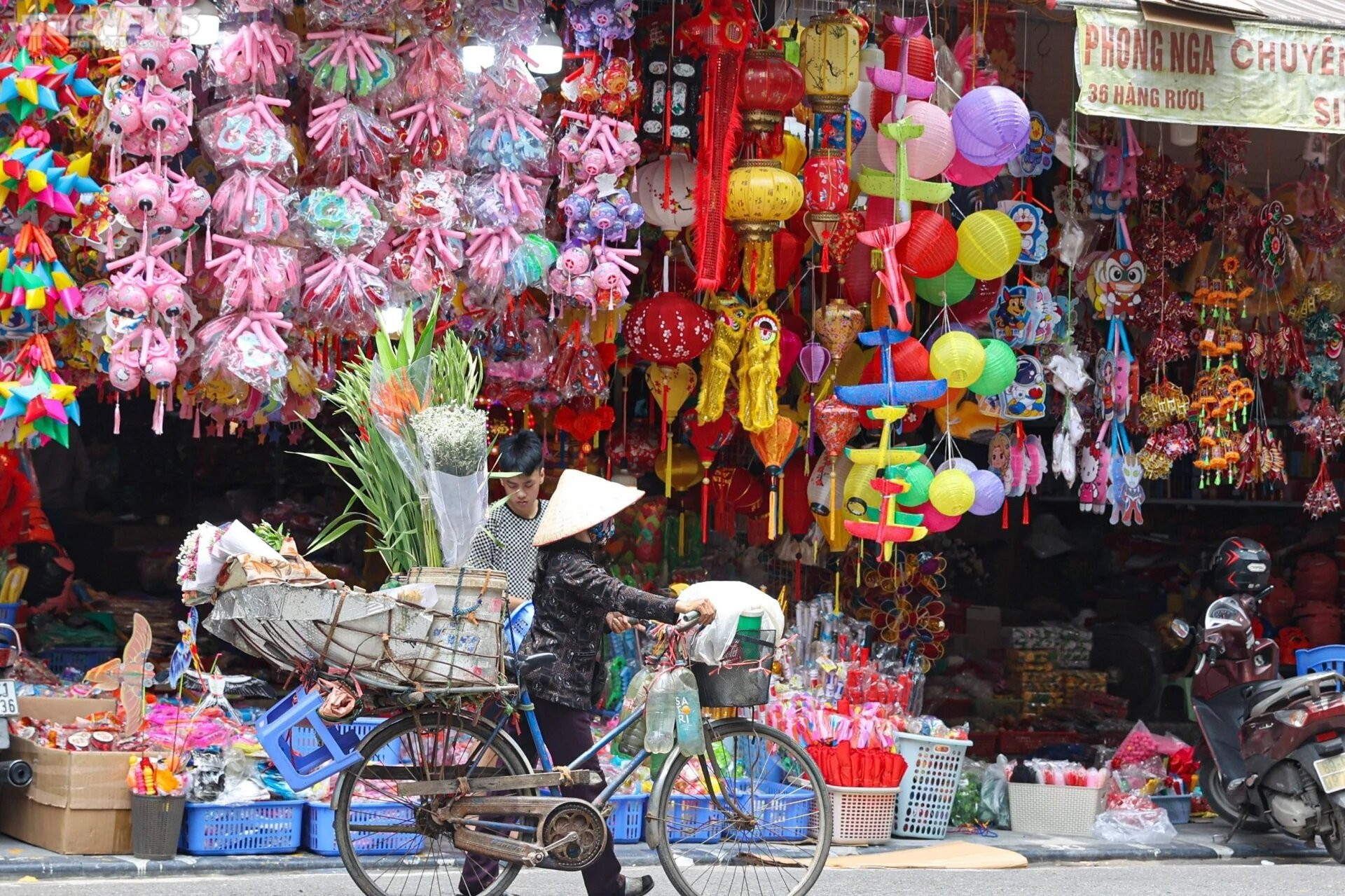
Mid-Autumn Festival is one of the important traditional holidays in many Asian countries such as Vietnam, China, Japan, Korea, and Singapore. It takes place on the 15th day of the 8th lunar month, considered the day when the moon is fullest and brightest.
When did the Mid-Autumn Festival originate?
According to archaeologists, scenes of people celebrating the Mid-Autumn Festival have appeared on the Ngoc Lu bronze drum, dating back approximately 2,500 years. An inscription at Doi Pagoda from 1121 shows that from the Ly Dynasty, the Mid-Autumn Festival was officially celebrated in Thang Long (Hanoi) with boat races, water puppetry, and lantern processions. During the Le-Trinh Dynasty, this festival was celebrated with extreme extravagance in the Lord's palace.
The Mid-Autumn Festival in Vietnam originates from an agricultural civilization. At this time of year, the weather is pleasant, farmers have finished harvesting their crops, so they organize celebrations, feast, and pray for favorable weather and a bountiful harvest in the coming season.
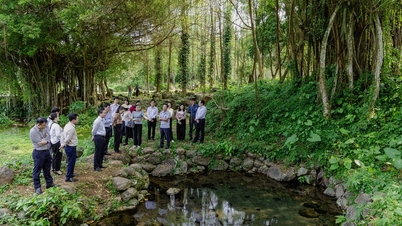
Vietnamese folklore explains the origin of the Mid-Autumn Festival with the story of Cuoi sitting under a banyan tree. One day, a woodcutter named Cuoi went into the forest to chop firewood and was fortunate enough to discover a precious banyan tree with the power to bring the dead back to life. He uprooted it and brought it back to plant in his garden. Thanks to this miraculous tree, Cuoi helped many people come back to life.
One day, while Cuoi was away, his wife was murdered by villains. Thanks to a magical medicinal plant, Cuoi saved her life. However, after being brought back to life, her mind was no longer the same; she became forgetful and confused. One day, the absent-minded wife, forgetting her husband's instructions, watered the precious banyan tree with dirty water, causing it to uproot and fly into the sky. Just then, Cuoi returned, frantically running to grab the tree, but he couldn't hold it and was dragged along by the tree all the way to the moon.
From then on, on full moon nights, people looking up at the moon would see a dark mark resembling an ancient banyan tree with a person sitting under its roots – that was Cuoi. The Mid-Autumn Festival is associated with the full moon; people enjoy feasts while gazing at the moon, and the image of Cuoi sitting under the banyan tree becomes increasingly familiar, deeply ingrained, and a symbol.
For the Chinese, the origin of the Mid-Autumn Festival is linked to the story of Hou Yi and Chang'e. Hou Yi was a skilled archer with extraordinary strength, who shot down nine of the ten suns that were scorching the earth, saving humanity from a severe drought. To reward Hou Yi's功績 (merit), the Jade Emperor gave him an elixir of immortality. His wife, Chang'e, drank this elixir and ascended to the moon.
From then on, Hou Yi often looked up at the moon to remember her. Sad and missing his wife, every year on the fullest moon, he would hold a ceremony to commemorate Chang'e. People would also light lanterns and admire the moon, reminding each other of their story.
For the Chinese, the Mid-Autumn Festival is also associated with the story of Emperor Xuanzong of Tang and his concubine, Yang Guifei. During the An Lushan Rebellion, the emperor was forced by his court officials and soldiers to execute the concubine, whom they believed was the source of the chaos. Although he loved her deeply, the emperor was compelled to comply, and afterward, he grieved and missed her intensely. Folklore says that, moved by this sentiment, the fairies decided to take the emperor to heaven to reunite with the concubine on the brightest moonlit night of autumn. After returning to earth, the emperor observed the 15th day of the 8th lunar month to commemorate his beloved concubine.
There is also a story that says Emperor Xuanzong of Tang went to the moon simply for sightseeing. To commemorate this joyful experience, upon his return, he ordered that the 15th day of the 8th lunar month be celebrated with festivities, including drinking, carrying lanterns, and moon-gazing, thus establishing the Mid-Autumn Festival as a tradition.
The meaning of the Mid-Autumn Festival
The Mid-Autumn Festival holds many special meanings, not only for children but also for all members of the family and community.
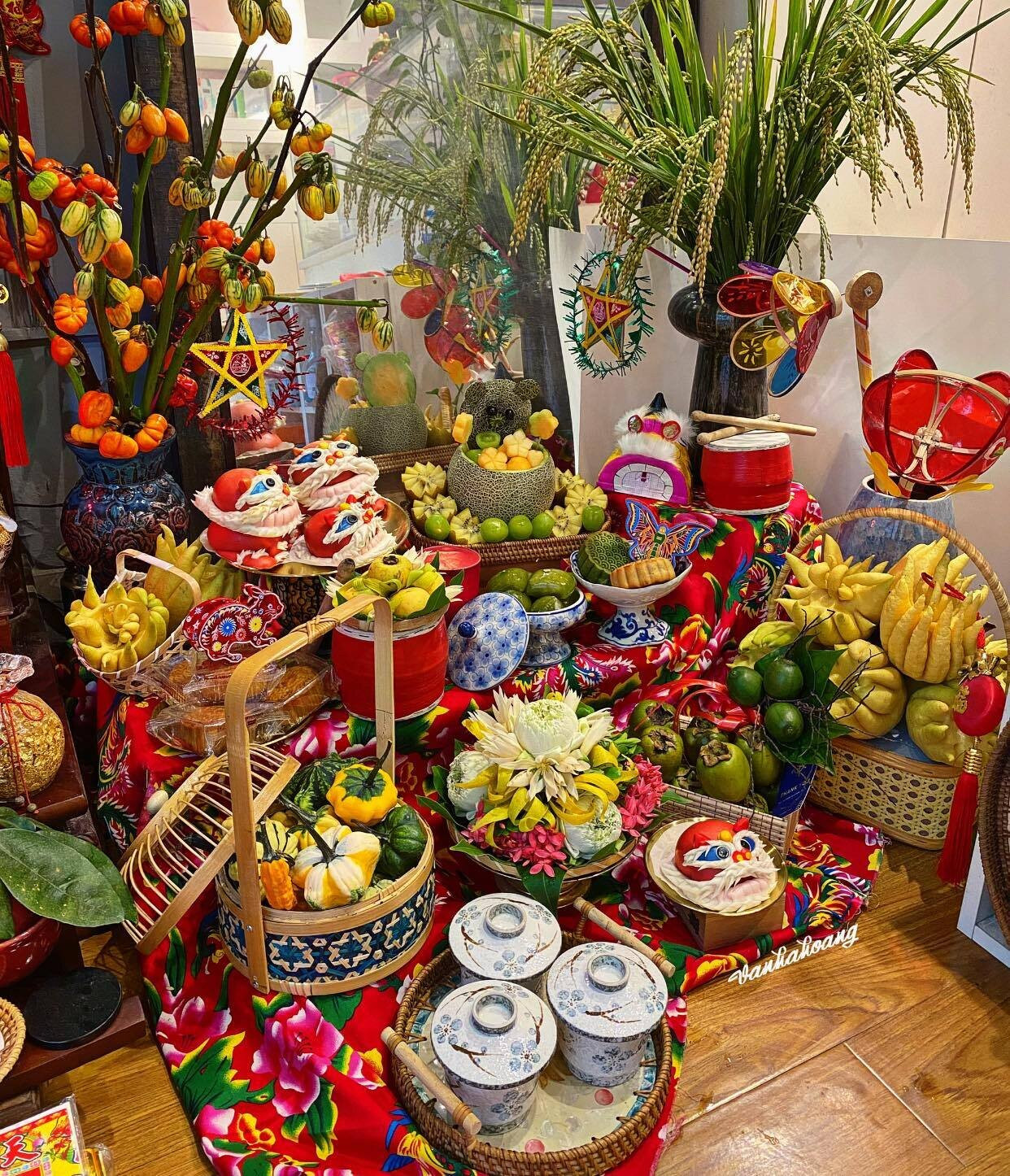
Honoring and remembering ancestors : The Mid-Autumn Festival is also an occasion for Vietnamese people to remember their origins, respect and preserve traditional values. Activities such as offering mooncakes, holding ceremonies, and releasing lanterns all carry the profound meaning of remembering one's roots. This is also an opportunity for people to express gratitude, remember their ancestors, and pray for peace and prosperity.
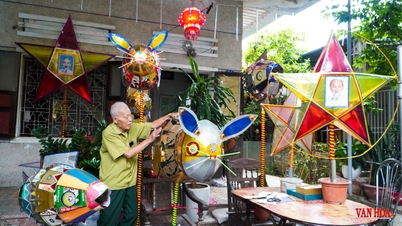
Family Reunion : One of the greatest meanings of the Mid-Autumn Festival is family gathering, enjoying mooncakes and admiring the moon together. This is a time for all family members, from grandparents and parents to children, to sit together after busy days. Activities such as making lanterns, baking mooncakes, and organizing camping trips help strengthen family bonds, making relationships more enduring and profound.
Concern for children
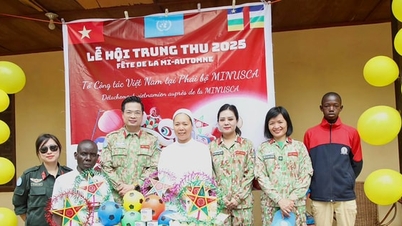
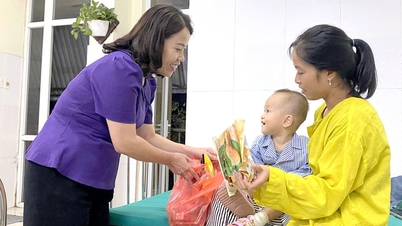
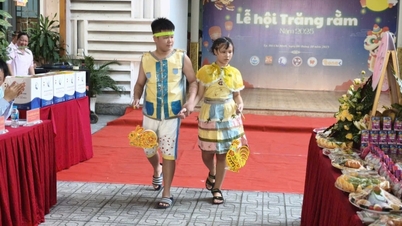
In Vietnam, the Mid-Autumn Festival is often known as Children's Day, a time to show care and attention to children. Children receive gifts such as lanterns, masks, and toys, and participate in fun activities like lantern parades, lion dances, and singing. Besides entertainment, these activities also help children understand and appreciate national cultural values.
May the harvest be bountiful.
For farmers, the Mid-Autumn Festival is also an occasion to pray for a bountiful harvest. They offer sacrifices to the gods and organize activities to pray for peace and prosperity in the country. Customs such as making mooncakes, enjoying sticky rice cakes and autumn fruits also symbolize appreciation and gratitude towards nature.
TB (according to VTC)Source: https://baohaiduong.vn/nguon-goc-va-y-nghia-ngay-tet-trung-thu-393255.html


![[Photo] General Secretary and President To Lam presides over a meeting on preparations for the review of one year of operation of the three-tiered government system.](https://vphoto.vietnam.vn/thumb/1200x675/vietnam/resource/IMAGE/2026/06/02/1780391821195_a1-bnd-4595-9717-jpg.webp)




















































Comment (0)