

- The exploitation and fishing of freshwater fish using electric shock devices must be stopped.
- Ms. Tran Thu Ba: Earning millions of dong from making fermented fish sauce from freshwater fish.
- Calling for $400 million in investment to build a fisheries center in the Mekong Delta.
- Enhancing responsibility to restore freshwater fish stocks.
This positive signal stems from the implementation of Directive No. 17-CT/TU dated February 26, 2024, of the Provincial Party Committee (Directive 17), on strengthening the leadership of Party committees at all levels in preventing destructive exploitation of aquatic resources in the province; and Directive No. 10/CT-UBND dated November 15, 2023, of the Chairman of the Provincial People's Committee on strengthening the management of destructive and unsustainable exploitation of aquatic resources in the province.
In Tran Van Thoi commune, there was a time when the rainy season brought a scarcity of freshwater fish due to chemical pesticides, electric fishing, and overfishing. Since the issuance of Directive 17, signs of recovery have begun to appear. The directive requires localities in the province to intensify measures to restore inland aquatic resources by planning natural breeding zones, prohibiting destructive fishing practices, and raising community awareness.
In particular, in Tran Van Thoi Commune, with its dense network of low-lying fields, abandoned ponds, and irrigation canals, the implementation of the directive has been carried out synchronously from the commune to the hamlets, from officials to farmers. According to the functional agencies of Tran Van Thoi Commune, from the beginning of the year until now, the commune has integrated the directive into 49 propaganda meetings with 2,026 attendees; established 4 new hotlines; encouraged the surrender of 27 sets of electric shock devices; patrolled and inspected 12 cases of violations related to the storage and use of electric shock devices , imposing administrative fines totaling 56.5 million VND, and confiscating and destroying 13 sets of electric shock devices.
Along with this, the involvement of the entire political system has created positive changes, gaining high consensus and support from a large number of people. The work of protecting aquatic resources and disseminating legal regulations has been emphasized and implemented. As a result, people's awareness and understanding of protecting aquatic resources have been raised. Freshwater fish stocks are gradually recovering compared to before.
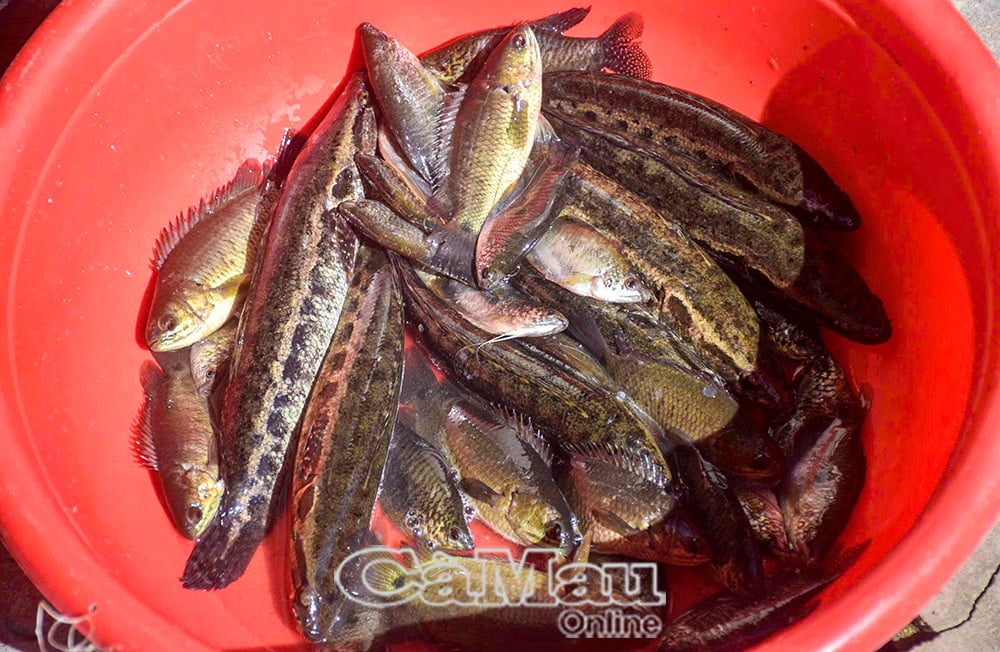
In the recently flooded fields of Da Bac commune, Le Thanh Tung, a farmer who has been involved in setting fish traps for over 20 years, excitedly shared: "A few years ago, catching 3-4 snakehead fish was considered very valuable. This year, setting 10 traps, we might get a whole kilogram of fish. Our people don't overfish, the water is clean, and we don't use fertilizers or pesticides, so the fish in the fields stay and thrive."
Mr. Tung also said that in the past, some people used electricity to electrocute fish to make a living. Recently, thanks to regular awareness campaigns and the long-term benefits, many people have voluntarily abandoned this destructive practice and switched to traditional fishing methods, exploiting resources rationally according to the seasons.
Beyond just exploiting resources, Directive 17 also created momentum for Tran Van Thoi Commune to develop livelihood models based on inland aquatic resources. Processing facilities for dried fish and fermented fish paste are increasingly springing up in communes along major roads. Ms. Nguyen Thi Hong Diem, owner of a dried fish processing facility in Tran Van Thoi Commune, shared: “Before, fish were scarce, so I had to import fish from Dong Thap and An Giang to make dried fish. Now, there's plenty of fresh fish. Customers from Saigon love my fermented snakehead fish paste and dried eel; they place long-term orders.”
Besides creating jobs for rural women, the local fish sauce and dried fish production models also help increase the value of agricultural products, closely linked to the identity of the riverside countryside. Simultaneously, some communes such as Da Bac and Khanh Hung have begun incorporating experiences like catching fish in ponds, setting fishing lines, and using traps and nets to catch freshwater fish into community tourism tours.
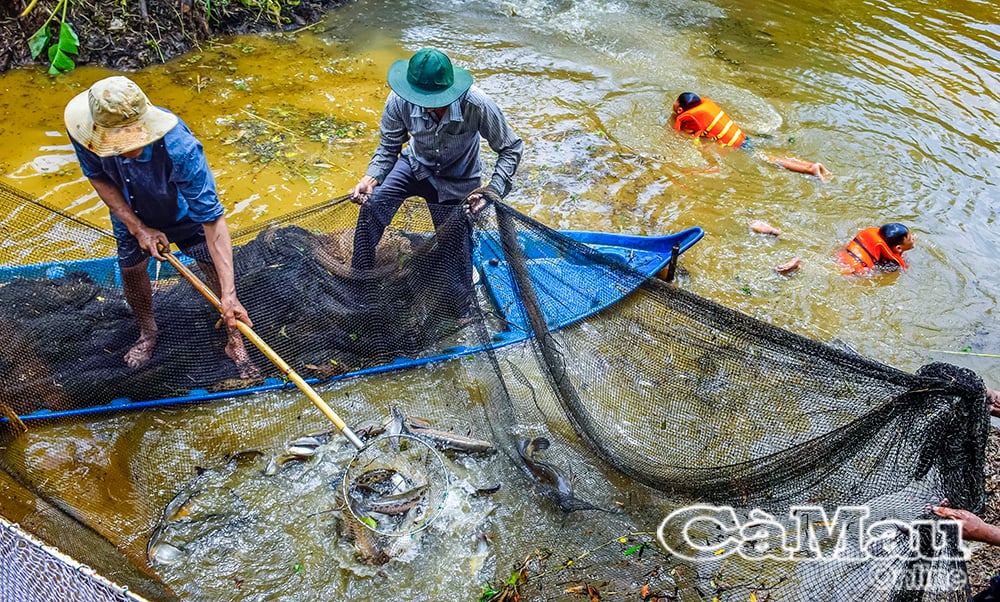
However, according to experts, although the freshwater fish resources in Tran Van Thoi Commune have gradually recovered, many challenges remain, such as: unpredictable weather changes, pressure from market-oriented agricultural production, and a lack of significant improvement in community awareness in some areas.
In Tran Van Thoi Commune, people have witnessed the "sweet fruits" of adjustments in exploitation combined with regeneration, where the season for freshwater fish is gradually returning. Freshwater fish are not only food but also stories, memories passed down through generations, and a point of connection between people on their homeland's fields.
Vu Linh
Source: https://baocamau.vn/nguon-loi-ca-dong-dan-khoi-phuc-a121864.html
![[Image] Hanoi Police officially crowned champions of V-League 2025/2026](https://vphoto.vietnam.vn/thumb/1200x675/vietnam/resource/IMAGE/2026/05/31/1780244769054_ndo_br_039d561b692be875b13a-jpg.webp)
![[Photo] Solemn bathing ceremony and Buddha procession in Hue](https://vphoto.vietnam.vn/thumb/1200x675/vietnam/resource/IMAGE/2026/05/31/1780228263543_1-jpg.webp)


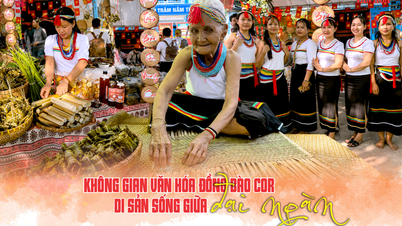
![[Photo] Admire the coral "masterpiece" amidst the million-year-old heritage of Dak Lak province.](https://vphoto.vietnam.vn/thumb/1200x675/vietnam/resource/IMAGE/2026/05/31/1780221235105_anh-man-hinh-2026-05-31-luc-16-53-27.png)
![[Photo] The General Secretary, President and his wife begin their state visit to the Philippines.](https://vphoto.vietnam.vn/thumb/1200x675/vietnam/resource/IMAGE/2026/05/31/1780230559452_anh-man-hinh-2026-05-31-luc-19-28-11.png)

















![[Video] Sunset at Lap An Lagoon – Where the sun sets over the fishing nets](https://vphoto.vietnam.vn/thumb/340x192/vietnam/resource/IMAGE/2026/05/31/1780192137701_beach-landscape-sea-water-nature-grass-745871-pxhere-com.jpeg)
































![[Photo] Admire the coral "masterpiece" amidst the million-year-old heritage of Dak Lak province.](https://vphoto.vietnam.vn/thumb/402x226/vietnam/resource/IMAGE/2026/05/31/1780221235105_anh-man-hinh-2026-05-31-luc-16-53-27.png)



























Comment (0)