

According to The Korea Herald , South Korean lingerie manufacturer Ssangbangwool announced on February 22nd that it will provide up to 100 million won (approximately 1.85 billion VND) in support to pregnant employees.
According to the company's maternity benefit program, employees can receive 30 million won for their first child, another 30 million won for their second child, and an additional 40 million won for their third child.
The company also revealed that it will provide up to 3 million won to employees who need in-vitro fertilization.
"Low birth rates are a critical challenge that our society must overcome. The company will take responsibility and make every effort to help the country increase its birth rate," a spokesperson for Ssangbangwool said.
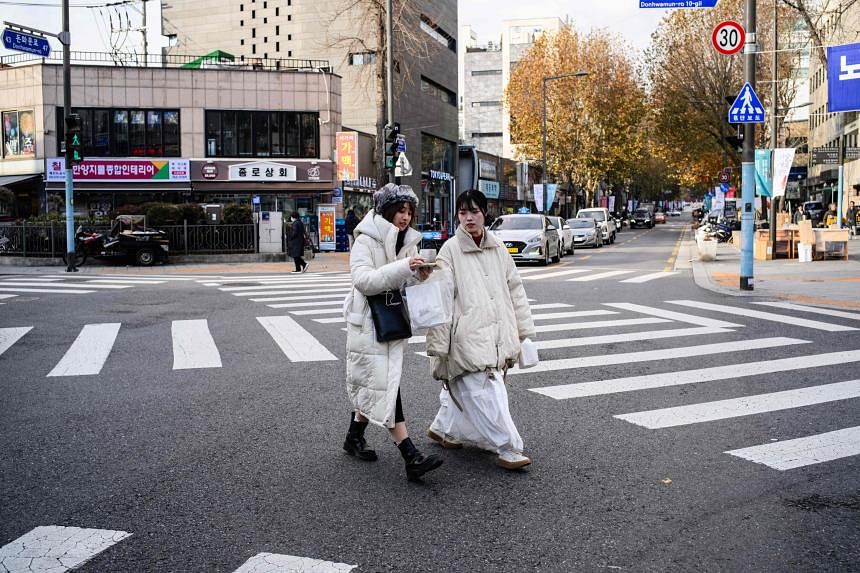
South Korea's birth rate is at a record low.
This announcement comes after construction giant Booyoung Group announced earlier in February that it would provide employees with 100 million won for each child they give birth – the highest maternity benefit offered by any company in South Korea.
The company stated that Booyoung has provided a total of 7 billion won to 70 employees who have one or more children since January 2021.
The South Korean government is also supporting corporate programs that encourage childbirth.
South Korea is caught in a vicious cycle of low birth rates and a shortage of pediatricians.
Last week, South Korean President Yoon Suk Yeol instructed his aides to offer tax incentives and other support measures to encourage companies to implement birth control programs.
Despite joint efforts by both the public and private sectors to boost the birth rate, many workers in South Korea still believe that simply spending money is unlikely to make a difference.
"My company recently decided to increase financial support for pregnant employees. But I don't think money alone can get employees to have children. They don't want to feel guilty about using up all their parental leave, and policies that could guarantee flexible working hours no longer exist," The Korea Herald quoted a working woman with a 7-year-old child as saying.
Some people worry that the government's tax incentives could lead to job polarization.
"Recent news regarding large companies' birth control programs and the government's tax incentive plans have made me worried because I don't qualify for those programs," said a Lee, an employee at a small company.
According to the National Tax Service of Korea, only 2.3% of domestic workers receive financial support from their companies' childbearing incentive programs.
"Company programs that encourage childbirth offer some financial support, but they won't have a major impact on significantly boosting the country's birth rate because only a small number of employees benefit from them," shared a human resources employee at a South Korean conglomerate.
The birth rate – the average number of children a woman gives birth to in her lifetime – in South Korea hit a record low of 0.78 in 2022, and this figure is projected to fall even further in 2023.
Source link


![[Photo] Ba Lang An Lighthouse - the "eye of the sea" amidst the "rock museum" of Quang Ngai province.](https://vphoto.vietnam.vn/thumb/1200x675/vietnam/resource/IMAGE/2026/05/29/1780038698840_anh-man-hinh-2026-05-29-luc-14-10-42.png)


![[Image] Pleasant weather helps students enter the 10th grade entrance exam with confidence.](https://vphoto.vietnam.vn/thumb/1200x675/vietnam/resource/IMAGE/2026/05/29/1780034401612_ngay-1-thi-lop-10-minh-duy-8-5009-jpg.webp)













































































Comment (0)