

The circular issued by the Ministry of Health clearly stipulates the responsibilities of medical facilities and pharmaceutical companies throughout the entire process of implementing the free medication support program for patients.
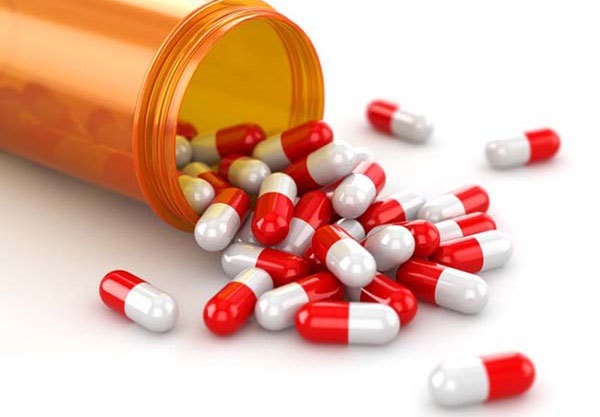 |
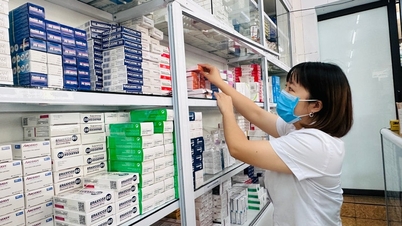
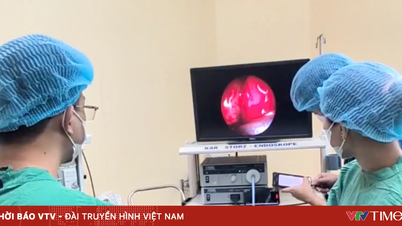
| Illustrative image. |
It is known that over the years, with the emergence of new generation treatments that are very expensive, especially in cancer, immunology, and rare diseases, many drug support programs have been implemented to reduce the financial burden on patients.
On the positive side, this is an opportunity for many patients to access modern medicines that were previously beyond their means. However, without transparent oversight mechanisms, drug support programs can also create "grey areas" in pharmaceutical competition, indirectly impacting treatment choices or making patients dependent on a specific support program.
To mitigate this risk, the Ministry of Health requires that free medication support programs be implemented based on written agreements between pharmaceutical businesses and healthcare facilities, in accordance with legal regulations.
The provision of medication support must be free of charge, not tied to commercial conditions, and must not influence the doctor's decision on treatment methods or medication prescriptions.
Notably, the Ministry of Health emphasized that providing free medication is not a mandatory obligation for pharmaceutical companies to ensure the availability of all necessary medications for patients. Furthermore, the health insurance fund will not reimburse for the amount of medication that has been provided free of charge.
The circular also stipulates strict principles regarding the prescription and use of medicines in the support program. Accordingly, free medicines must be legally available in Vietnam, and their use must be consistent with the treatment guidelines of the Ministry of Health, approved drug instruction leaflets, or the National Pharmacopoeia.
The beneficiaries are patients who have been definitively diagnosed, prescribed appropriate medication by their doctor, and voluntarily participate in the program.
One of the notable points of this Circular is the requirement for transparency in the entire process of managing and distributing free supportive medications.
The Ministry of Health requires that medications be used only as prescribed and for the correct patients; medical records or prescriptions must clearly state that these medications are provided through a free support program. These medications must also be stored separately and clearly identified.
Furthermore, the disposal of expired, damaged, or returned medications must comply with pharmaceutical regulations, and the responsibilities and costs of disposal must be clearly defined between the pharmaceutical company and the healthcare facility.
The Ministry of Health also requires healthcare facilities to publicly disclose information about drug support programs on their websites or at their facilities so that patients are aware of their rights. At the same time, hospitals must develop internal procedures to ensure fair, reasonable, transparent drug dispensing and to prevent abuse and waste.
In particular, healthcare facilities must provide patients with comprehensive information about treatment protocols, drug effectiveness, side effects, drug costs, and their rights when participating in free medication support programs.
For pharmaceutical businesses, the Ministry of Health requires them to ensure the legal origin and quality of medicines, and to provide them fully and promptly in accordance with the commitments made to healthcare facilities.
Most notably, the Circular emphasizes the strict prohibition of using the free medication support program to advertise, market, or promote drugs to patients or healthcare facilities. Businesses are also prohibited from exploiting medication support activities to gain an unfair competitive advantage in the supply of pharmaceuticals.
Regarding the supply of medicines to the population, according to a report by the Drug Administration of Vietnam (Ministry of Health), the Vietnamese pharmaceutical market currently has a size of approximately US$8 billion per year. Average spending is increasing by 12-15% per year, while the compound annual growth rate is 8%, the second highest in Asia. By 2025, average spending on pharmaceuticals is projected to reach US$78.3 per person.
Although drug imports still account for a significant proportion in terms of value, domestic production capacity has improved significantly. Domestically produced drugs now account for approximately 70% of the quantity used and nearly 50% of the value. The number of manufacturing facilities has increased from 167 (in 2016) to 243 (in 2025).
Domestic pharmaceuticals have covered all treatment groups used in disease prevention and treatment in Vietnam; some products are exported to the EU, the United States, Japan, and South Korea. The number of original branded drugs with transferred technology has also been increasing year by year.
In 2025, 67 Vietnamese companies exported pharmaceuticals and pharmaceutical raw materials to Asian, European, and Japanese markets, achieving a total turnover of US$312 million, ranking fourth in Southeast Asia. Of this, FDI-funded enterprises contributed US$230 million, while domestic enterprises accounted for US$82 million.
According to Mr. Ta Manh Hung, Deputy Director of the Drug Administration Department, the pharmaceutical industry is developing sustainably with many positive indicators. The rate of substandard drugs remains below 1%; the CPI for the group of drugs and medical services is low; 100% of administrative procedures are implemented online; and the database for issuing marketing authorization certificates has been updated with 53,526 drugs and drug raw materials.
Clinical pharmacy activities are implemented in 100% of central and provincial hospitals, and 90% of (former) district hospitals and private hospitals. The ratio of university-trained pharmacists is expected to reach approximately 3.4 per 10,000 people by 2025, gradually increasing over the years.
However, according to Deputy Minister of Health Do Xuan Tuyen, the pharmaceutical industry still faces many challenges. Nearly 90% of raw materials for medicines are still dependent on imports. Investment in research and development (R&D) is not commensurate with the demand. There is a shortage of high-quality human resources in specialized fields. Many international corporations are only at the export or franchising stage, and have not yet transferred core technologies.
The identified solutions include perfecting the legal framework, reforming procedures, strengthening quality and price management of medicines, promoting technology transfer, developing R&D, and building modern production infrastructure, including pharmaceutical and biotechnology industrial parks. Alongside this, comprehensive digital transformation will continue, and the standards for vaccine and drug management will be raised to international best practices.
Source: https://baodautu.vn/nhieu-giai-phap-ngan-bien-tuong-quang-cao-thuoc-d606009.html
![[Image] Pleasant weather helps students enter the 10th grade entrance exam with confidence.](https://vphoto.vietnam.vn/thumb/1200x675/vietnam/resource/IMAGE/2026/05/29/1780034401612_ngay-1-thi-lop-10-minh-duy-8-5009-jpg.webp)
![[Photo] Ba Lang An Lighthouse - the "eye of the sea" amidst the "rock museum" of Quang Ngai province.](https://vphoto.vietnam.vn/thumb/1200x675/vietnam/resource/IMAGE/2026/05/29/1780038698840_anh-man-hinh-2026-05-29-luc-14-10-42.png)


















































































Comment (0)