

Mangosteen is a popular fruit in many countries. It has a dark purple or red color, white flesh, and a slightly sweet and sour taste.
Mangosteen contains protein, fat, fiber, manganese, copper, vitamin C, vitamin B1, B2, and B9. In traditional medicine in some countries, mangosteen can treat infections, diarrhea, and other ailments.
Here are some of the health benefits of mangosteen, according to the health website Healthline (USA).
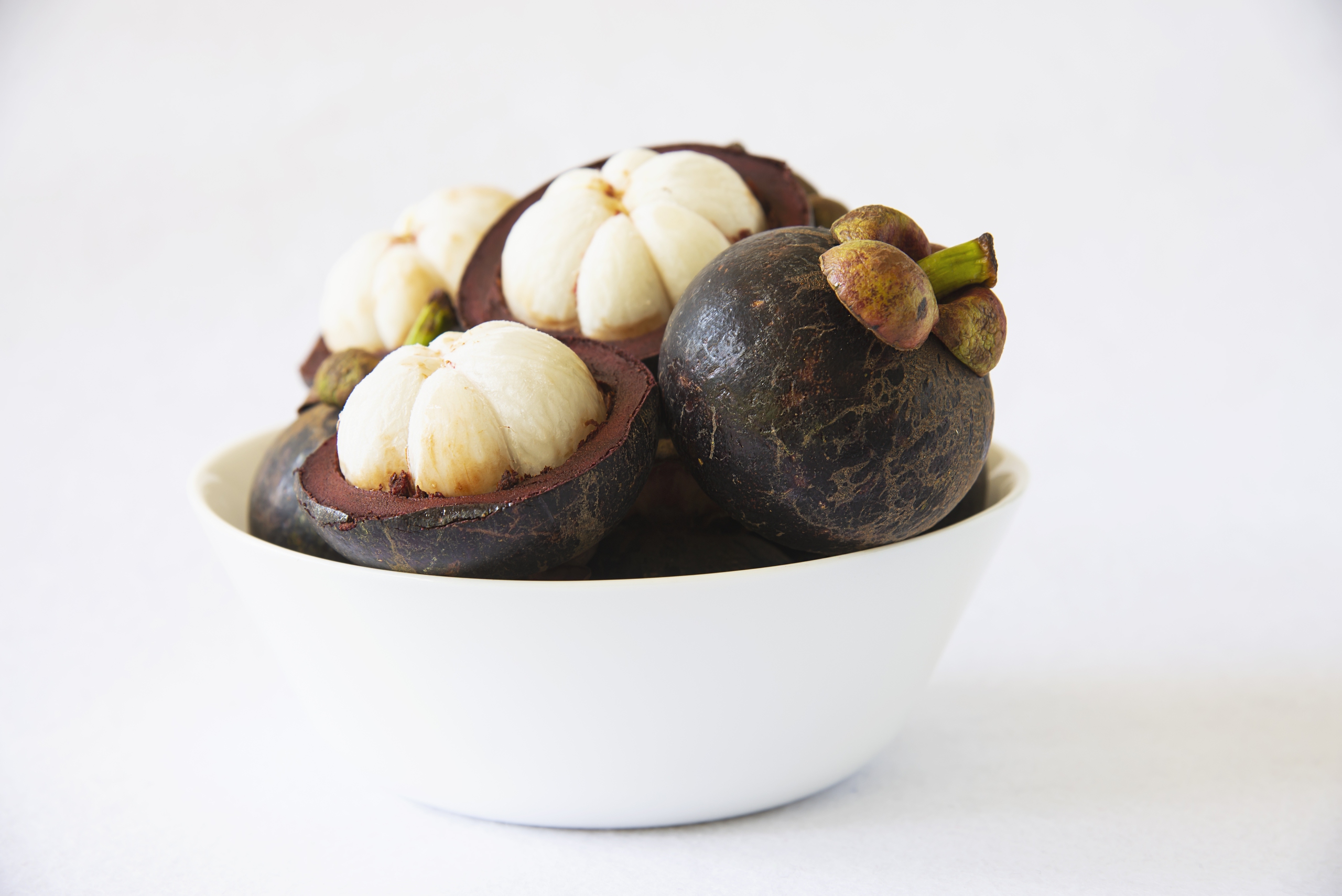
Mangosteen has many health benefits.
Rich in antioxidants
Antioxidants are compounds that can neutralize the damage caused by free radicals, which are linked to many chronic diseases. Mangosteen contains several nutrients with antioxidant properties, such as vitamin C and manganese. In addition, mangosteen provides xanthones – a type of plant compound with strong antioxidant properties.
Several studies have indicated that the antioxidant activity of xanthones may exert anti-inflammatory, anticancer, anti-aging, and antidiabetic effects.
Improve insulin resistance.
Mangosteen extract may improve insulin resistance by making the body more sensitive to insulin. Specifically, compounds in mangosteen can increase the body's responsiveness to insulin – the hormone responsible for moving glucose (sugar) out of the bloodstream and into cells for energy use.
Helps with weight loss
One study showed that mice on a high-fat diet gained significantly less weight when fed mangosteen compared to mice that did not eat the fruit. Another 8-week study also showed that people who drank mangosteen juice had a lower body mass index than others.
Helps maintain a healthy immune system.
The fiber and vitamin C in mangosteen play an important role in the immune system.
Fiber supports healthy gut bacteria. Meanwhile, vitamin C is essential for the function of other immune cells.
Additionally, some studies suggest that certain plant compounds in mangosteen may possess antimicrobial properties, benefiting immune health by fighting harmful bacteria.
Source link

![[Photo] Standing Committee member of the Party Central Committee Tran Cam Tu working with the Central Inspection Committee](https://vphoto.vietnam.vn/thumb/1200x675/vietnam/resource/IMAGE/2026/05/28/1779969579668_ndo_br_bnd-2495-jpg.webp)


















































































Comment (0)