

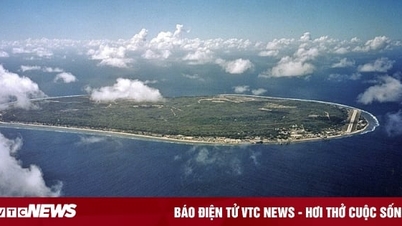
In 2011, the Samoan government decided to move west of the International Date Line to facilitate trade with Australia and New Zealand – its two leading trading partners. As a result, December 30, 2011, completely disappeared from the history of Samoa.
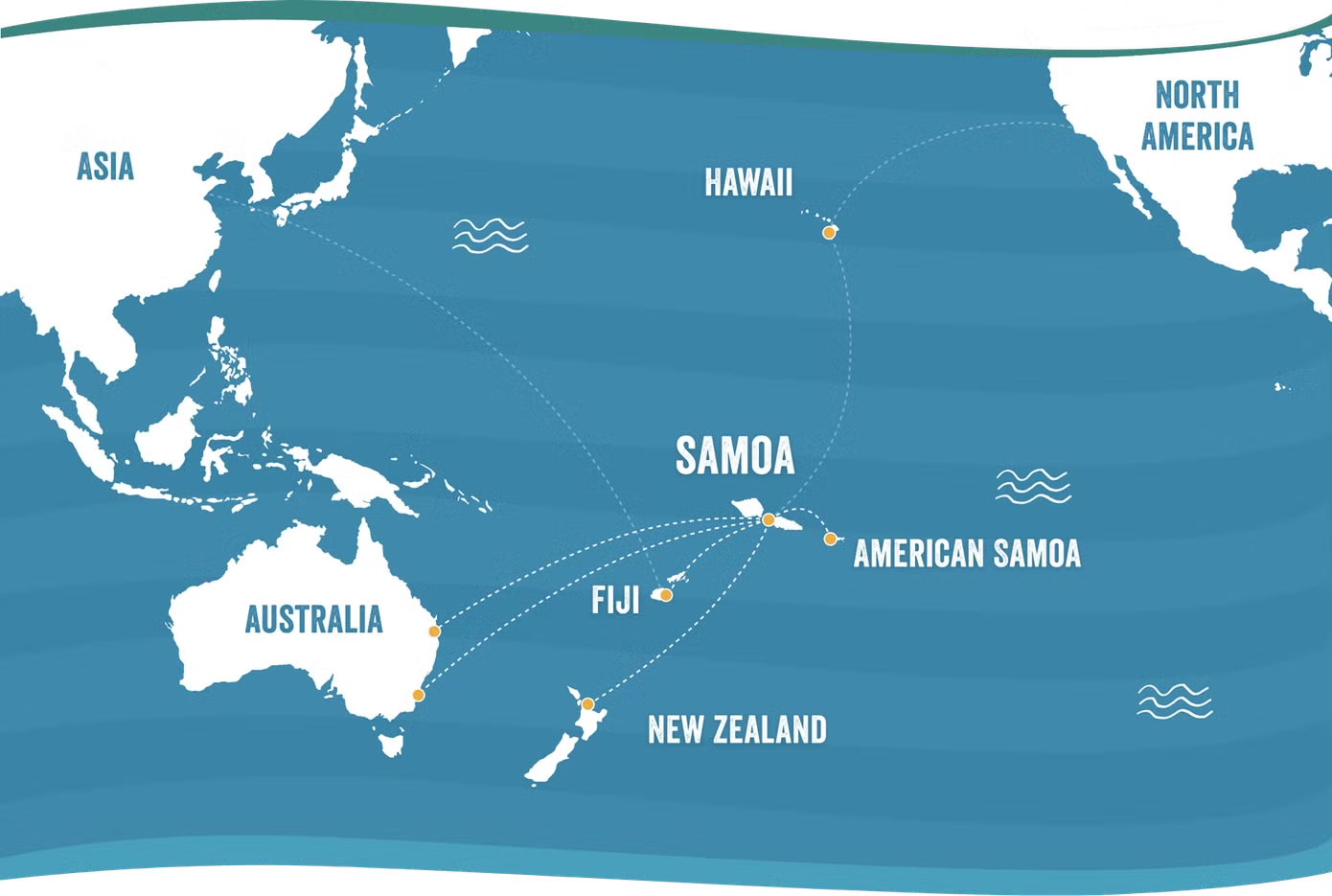
Prior to 2011, Samoa was located east of the International Date Line, so its time was similar to that of the United States, but significantly different from that of key economic partners such as Australia and New Zealand. At that time, when it was Friday in Samoa, it was already Saturday in Australia and New Zealand, causing considerable inconvenience for trade and work.
To remedy this, the Samoan government decided to "jump" to the time zone on the other side of the International Date Line. Therefore, after 11:59 PM on December 29, 2011, clocks in Samoa did not change to December 30 but jumped straight to December 31, 2011.
In other words, the people of Samoa go to sleep on Thursday night, December 29th, and wake up on Saturday morning, December 31st. Friday, December 30th, 2011, simply doesn't exist in the Samoan calendar.
This is considered one of the most unusual time zone changes in the world . Although it "loses" a day, Samoa benefits greatly economically as its working hours are closer to those of Australia and New Zealand.
Samoan way of life
Samoans place particular importance on their traditional way of life called “Fa’a Samoa” – meaning “the Samoan way of life.” Family, community, respect for elders, and collective responsibility play a vital role in their daily lives.
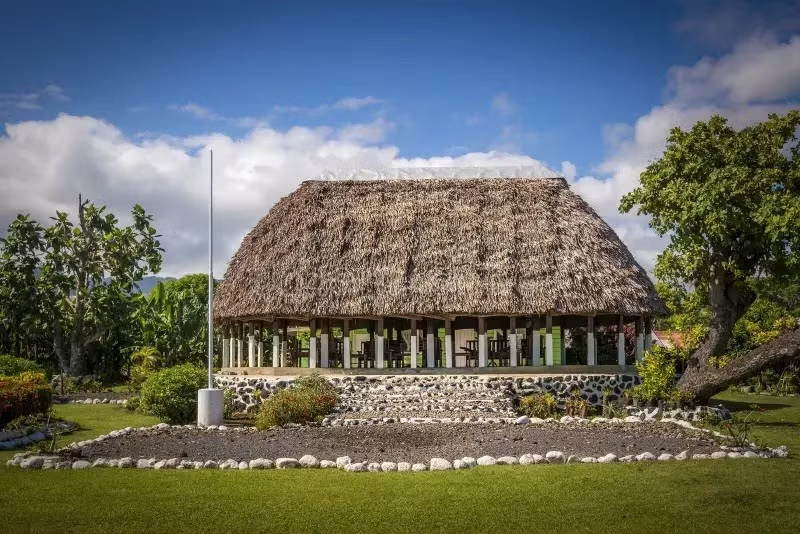
Traditional Samoan houses, called "fale," are also quite distinctive. These houses typically don't have solid walls but are designed with an open layout, featuring wooden posts and thatched roofs, allowing them to catch the sea breeze and adapt to the hot, humid tropical climate.
Samoa is also globally renowned for its traditional tattooing art. Men's tattoos, called "pe'a," typically cover from the waist down to the knees and can take weeks to complete. This process is considered a sacred coming-of-age ritual. Interestingly, the English word "tattoo" actually originates from the Polynesian word "tatau."
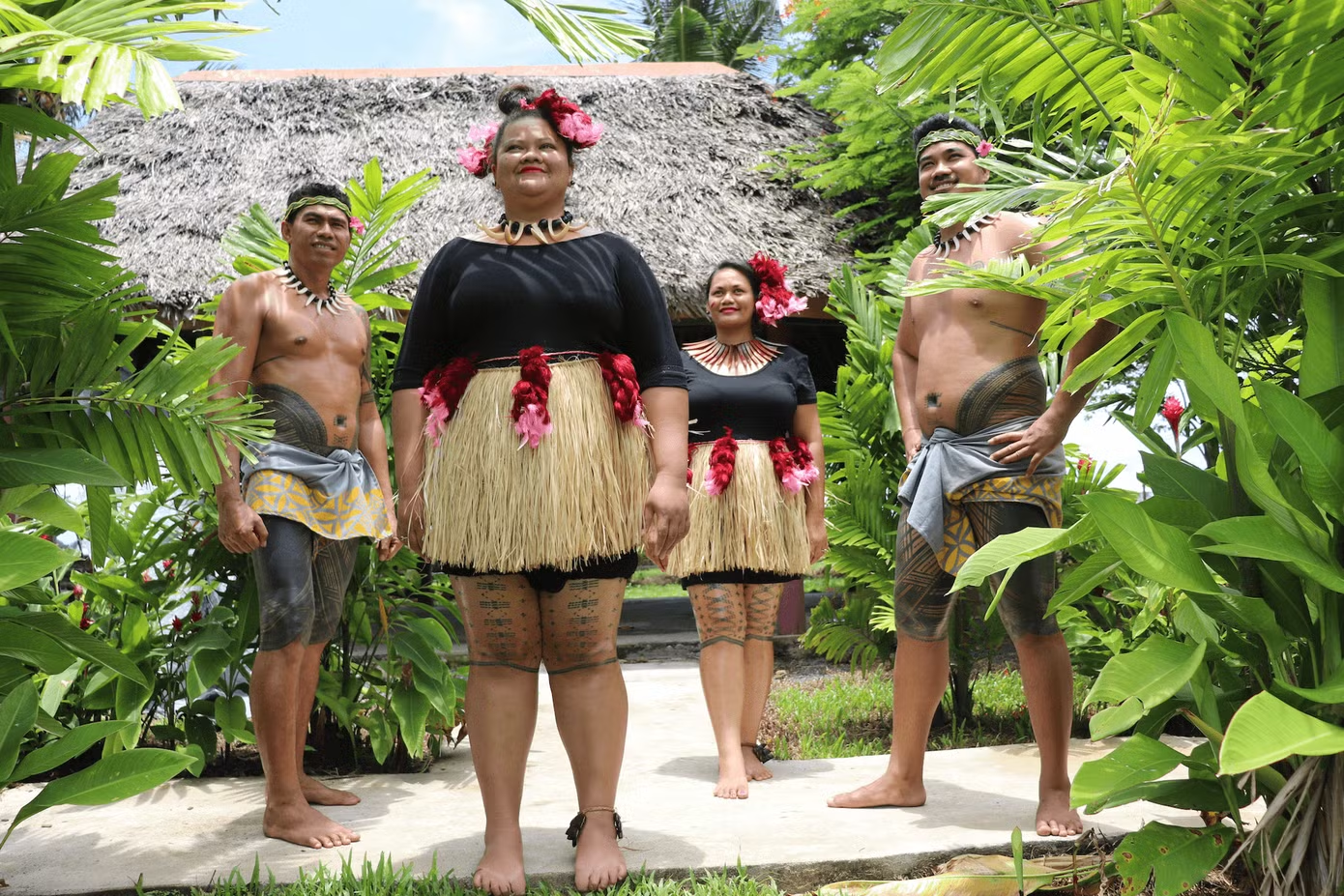
The four pillars of Fa'a Samoa
-'Aiga (Family): The large family network is the foundation of society. Family members are bound together in a communal economy, where resources, land, and welfare are managed jointly.
-Matai (Head of Household): Each 'aiga is led by a matai (head of household). They are responsible for the family's welfare, resource allocation, making important decisions, and representing the family in the village council.
-Fa'aaloalo (Respect): Mutual respect and reverence for elders are paramount. This concept of respect governs how people stand, walk, talk, and interact in the village.
-Fa'amatai: A traditional social and political organizational system that unified villages and managed community life.
Despite its relatively small population (according to UN data compiled and published by Worldometer, Samoa's population is estimated to be around 220,500 by mid-2026), Samoa has a significant influence in the world of rugby. The island nation is considered the birthplace of many internationally renowned rugby players.
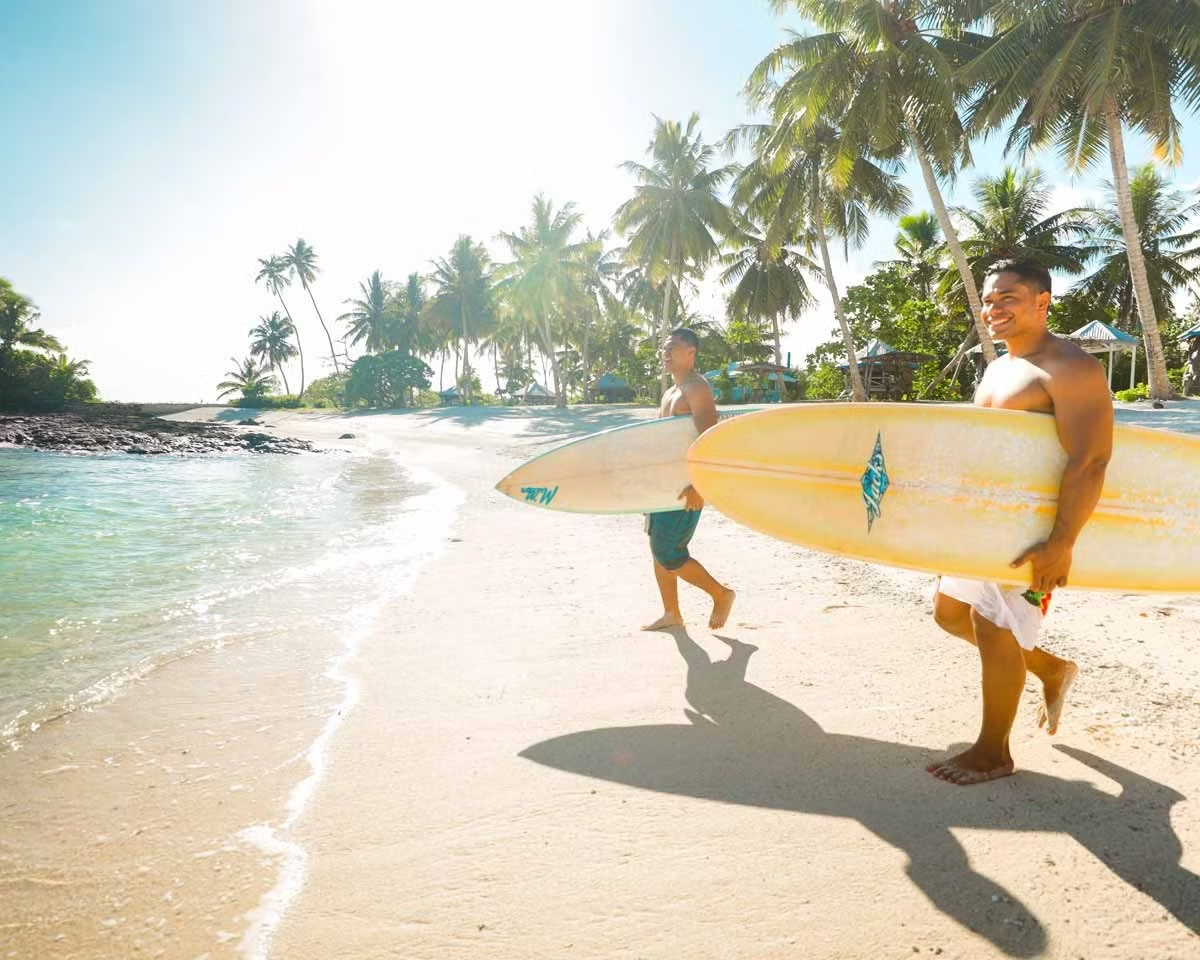
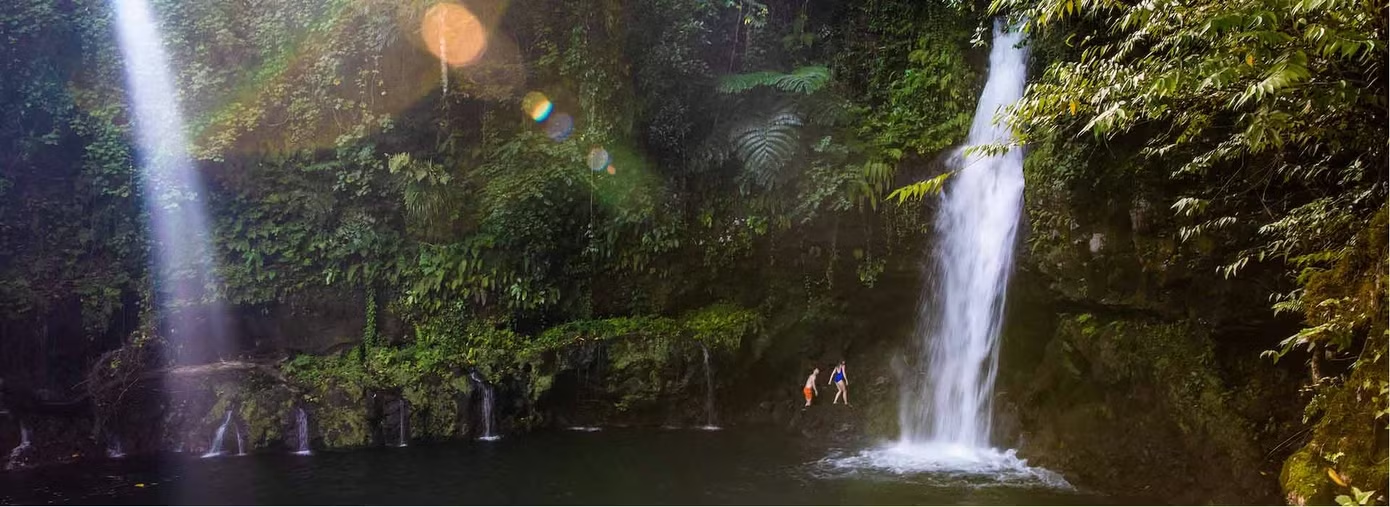
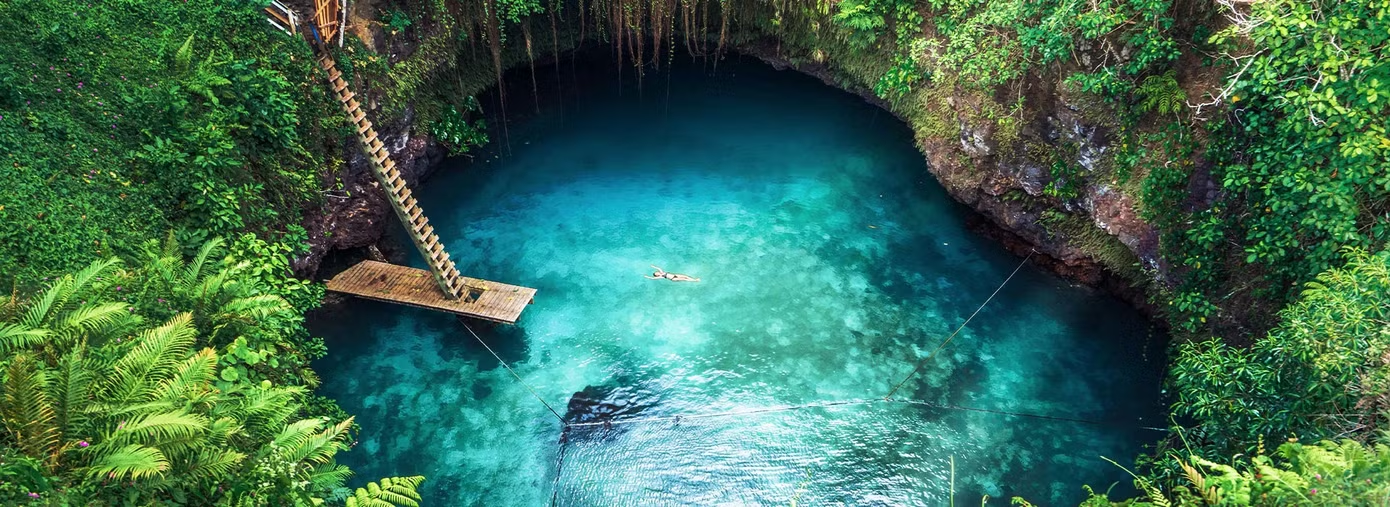
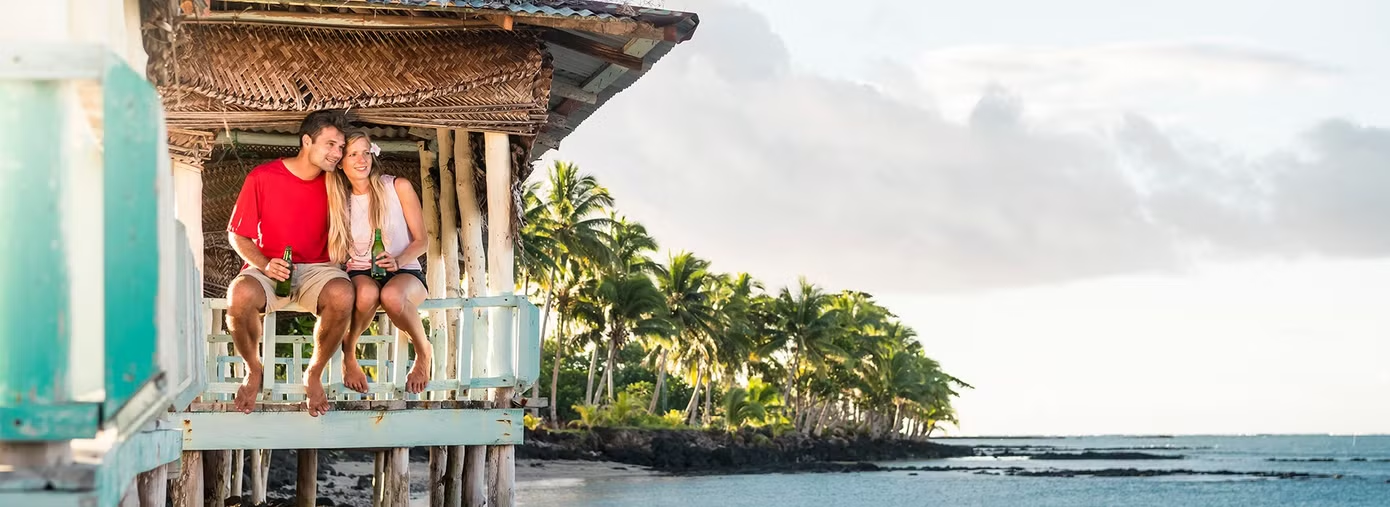
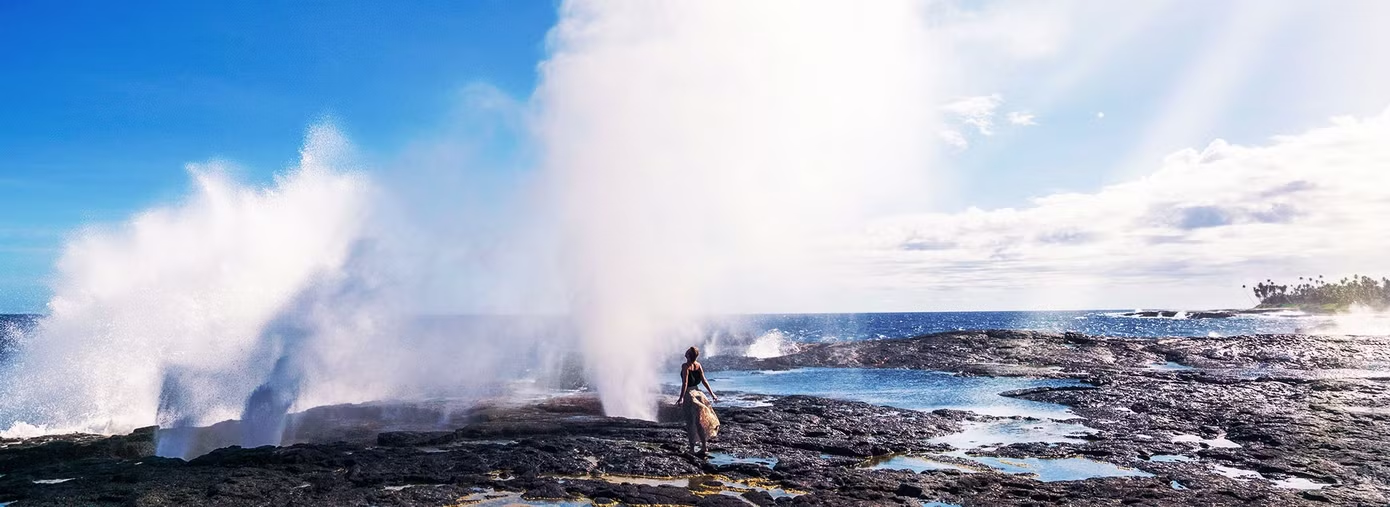
Samoa's natural beauty is unspoiled, featuring volcanic islands, tropical rainforests, waterfalls, and long stretches of white sandy beaches. Some areas also boast "blowholes"—natural phenomena where ocean waves forcefully erupt through lava tubes, creating a spectacular sight.
Coconuts play a special role in the lives of the Samoan people. From food and coconut oil to building materials and handicrafts, almost every part of the coconut tree is utilized.
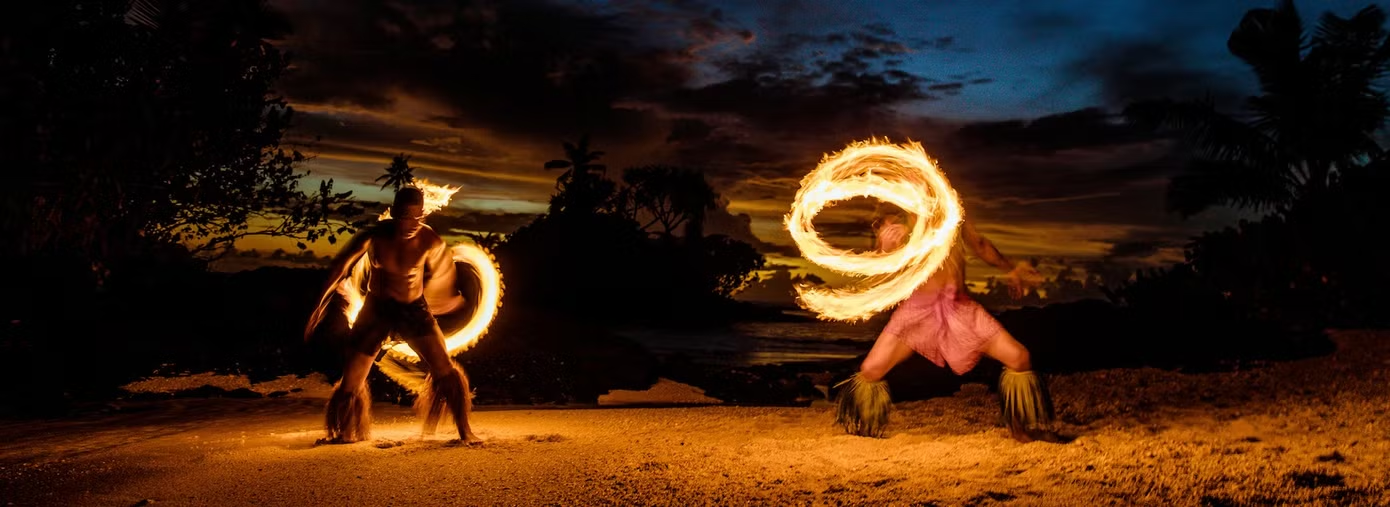
Music and dance are also an integral part of Samoan culture. The famous "siva" dance, with its graceful and fluid hand movements, tells traditional Polynesian stories.
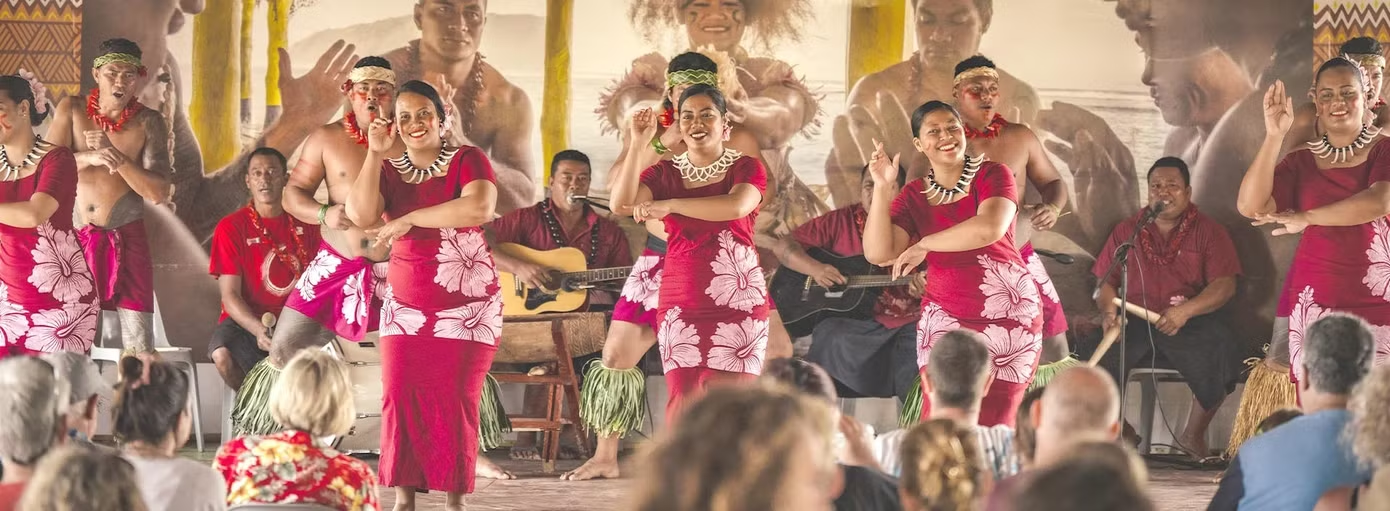
Samoans are renowned for their hospitality. Visitors are often warmly welcomed with traditional meals and community rituals that reflect the unique local culture.
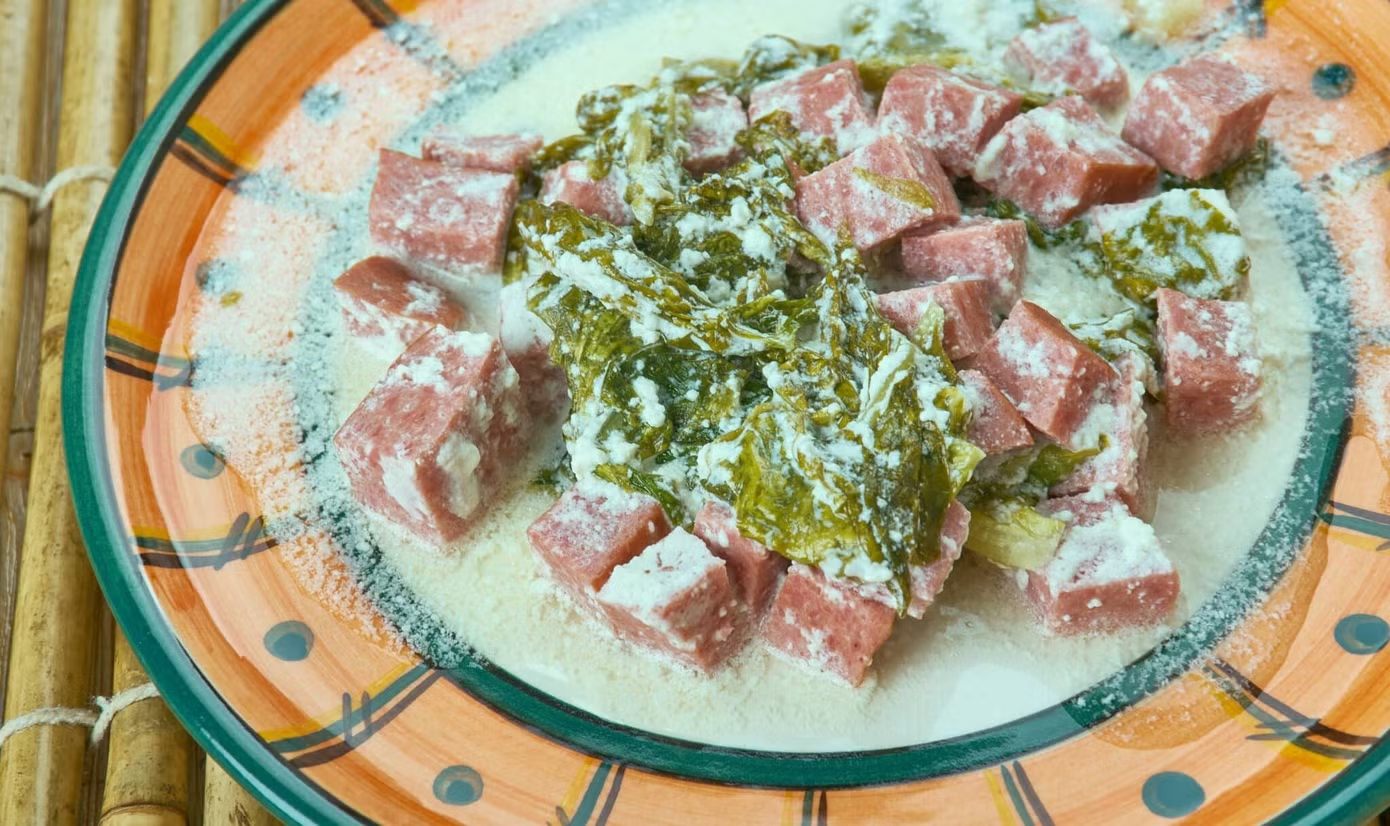
A signature dish of Samoa is “palusami”—grilled taro leaves with coconut milk, sometimes combined with meat or seafood. Meanwhile, many traditional dishes are prepared using an “umu”—a clay oven heated with volcanic rock.
Sunday holds special significance in Samoa, as most people dedicate their time to church and family. Christianity plays a vital role in the social life of this island nation.
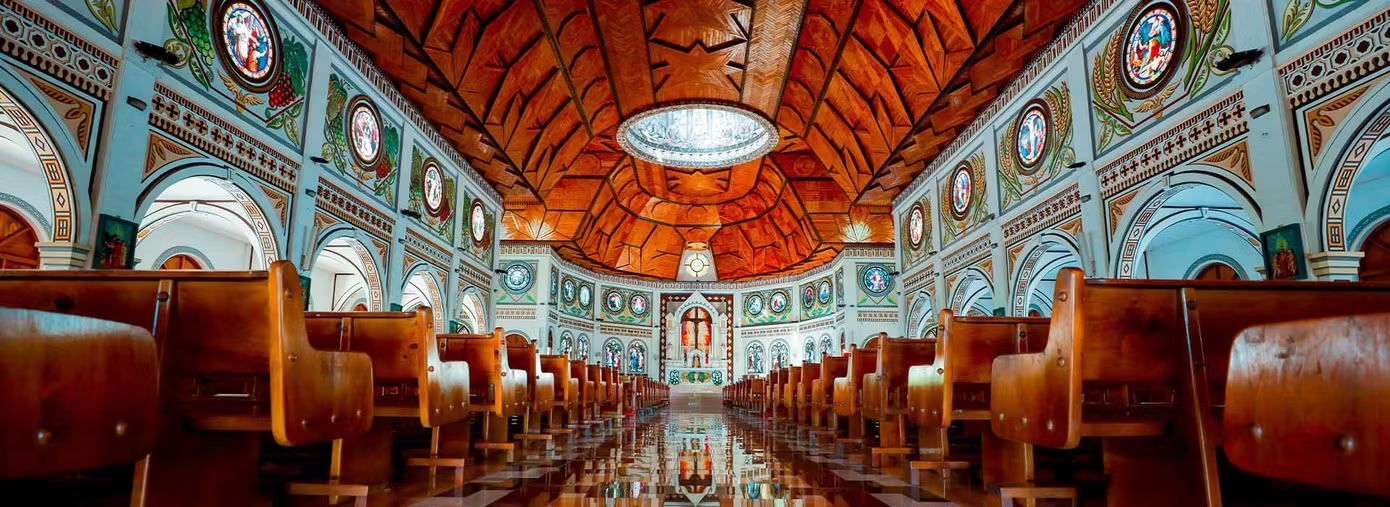
Many Samoans now live in New Zealand, Australia, and the United States. Despite living far from their homeland, many Samoan families maintain very strong cultural and community ties.
One of the famous people with Samoan ancestry is Dwayne Johnson – the Hollywood movie star and wrestler known as “The Rock”. In public, he frequently speaks of his pride in his Samoan heritage.

Source: https://tienphong.vn/nhung-su-that-thu-vi-ve-dat-nuoc-va-con-nguoi-samoa-post1846854.tpo
![[Photo] Standing Committee member of the Party Central Committee Tran Cam Tu working with the Central Inspection Committee](https://vphoto.vietnam.vn/thumb/1200x675/vietnam/resource/IMAGE/2026/05/28/1779969579668_ndo_br_bnd-2495-jpg.webp)









































































Comment (0)