

Polytechnic University
Ho Chi Minh City University of Technology is one of the training institutions under the Vietnam National University Ho Chi Minh City system.
The school's predecessor was the National Center for Technology, established in 1957. Over nearly seven decades of development, the Ho Chi Minh City University of Technology - Vietnam National University Ho Chi Minh City has become one of the key technical and technological training institutions in the Southern region.

Campus 1 of the university, located at 268 Ly Thuong Kiet Street (Dien Hong Ward), covers an area of approximately 14.08 hectares, with most of the buildings constructed decades ago. This is the university's important administrative and academic center, housing the management apparatus along with various departments, offices, and functional centers.
University of Social Sciences and Humanities
Campus 1 of the University of Social Sciences and Humanities - Vietnam National University Ho Chi Minh City is located at 10-12 Dinh Tien Hoang Street, Saigon Ward, on a campus of approximately 1.2 hectares.
Established in 1957, formerly the Faculty of Literature under the University of Saigon, the school is now one of the major centers for training and research in social sciences and humanities in the southern region.
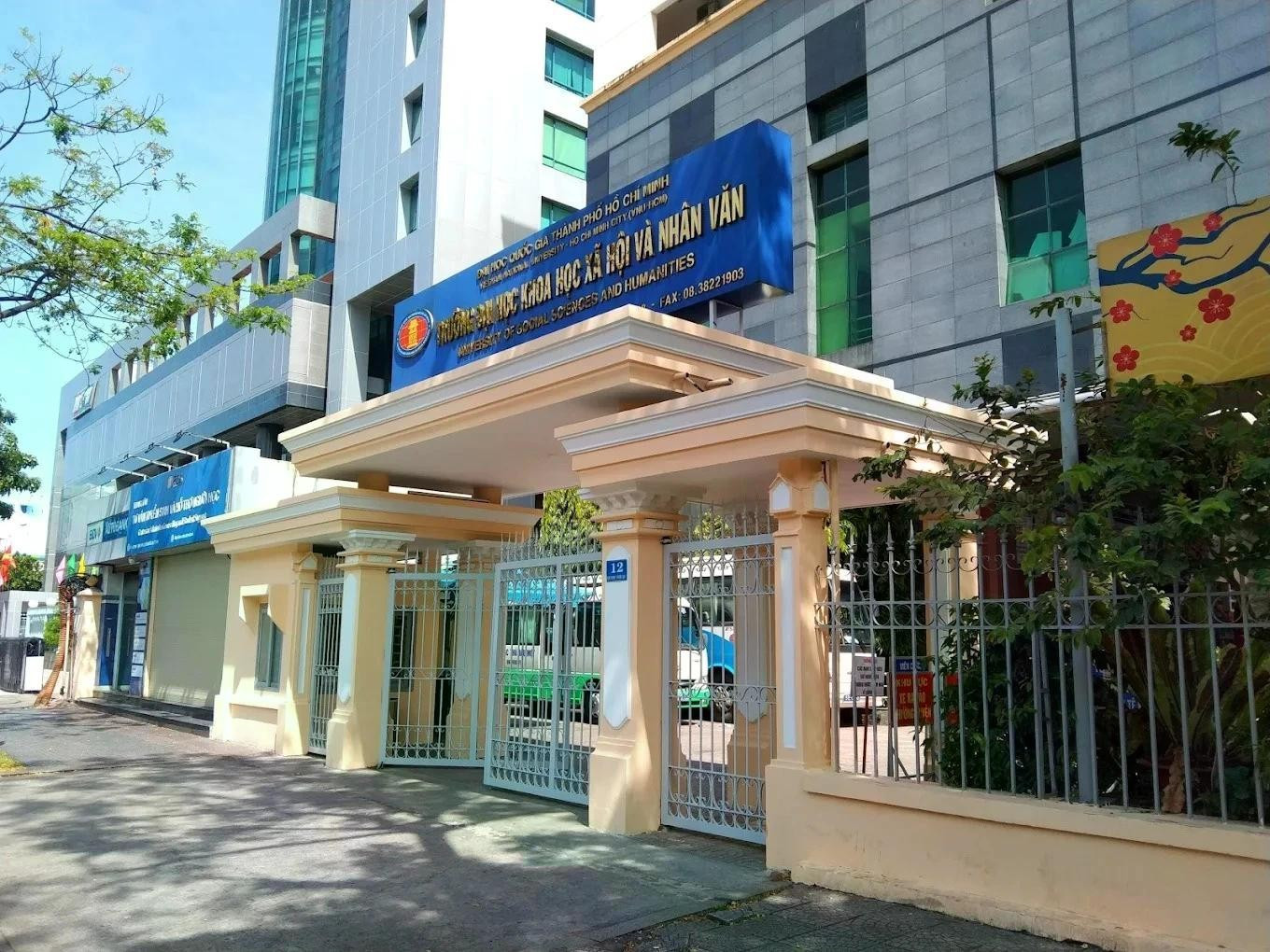
This campus, formerly part of the Saigon Faculty of Letters before 1975, still preserves many historical traces of higher education in South Vietnam. Located in the city center, the main campus is very close to famous landmarks such as the Independence Palace, Saigon Zoo, Notre Dame Cathedral, and the Ho Chi Minh City Post Office .
Ho Chi Minh City University of Architecture
The school's origins trace back to the Department of Architecture at the Indochina School of Fine Arts, established in 1926 in Hanoi following the French training model. After 1975, the Ministry of Construction took over and reorganized the architectural training system in the South, at which time the Faculty of Architecture and Construction was established under the Ho Chi Minh City University of Technology.
In 1981, the Ho Chi Minh City University of Architecture was officially established by a decision of the Ministry of Construction, becoming one of the important training centers for architecture, planning, and construction in the Southern region.
Currently, the school's main campus is located at 196 Pasteur Street, Xuan Hoa Ward. This building was constructed in 1972. To this day, the building has largely retained its original design, serving not only as a place of learning but also as an art exhibition space with a distinctive architectural style.
Saigon University
Saigon University is under the direct management of the Ho Chi Minh City People's Committee. The university's main campus is located at 273 An Duong Vuong Street, Cho Quan Ward, along with two other campuses in the city center, covering a total area of approximately 57,000-60,000 m2.
The school's main campus, built in the early 20th century, is notable for its antique architecture, a blend of Chinese and French styles. In particular, the school has a nearly 120-year-old building that has been recognized as an architectural and artistic heritage site.
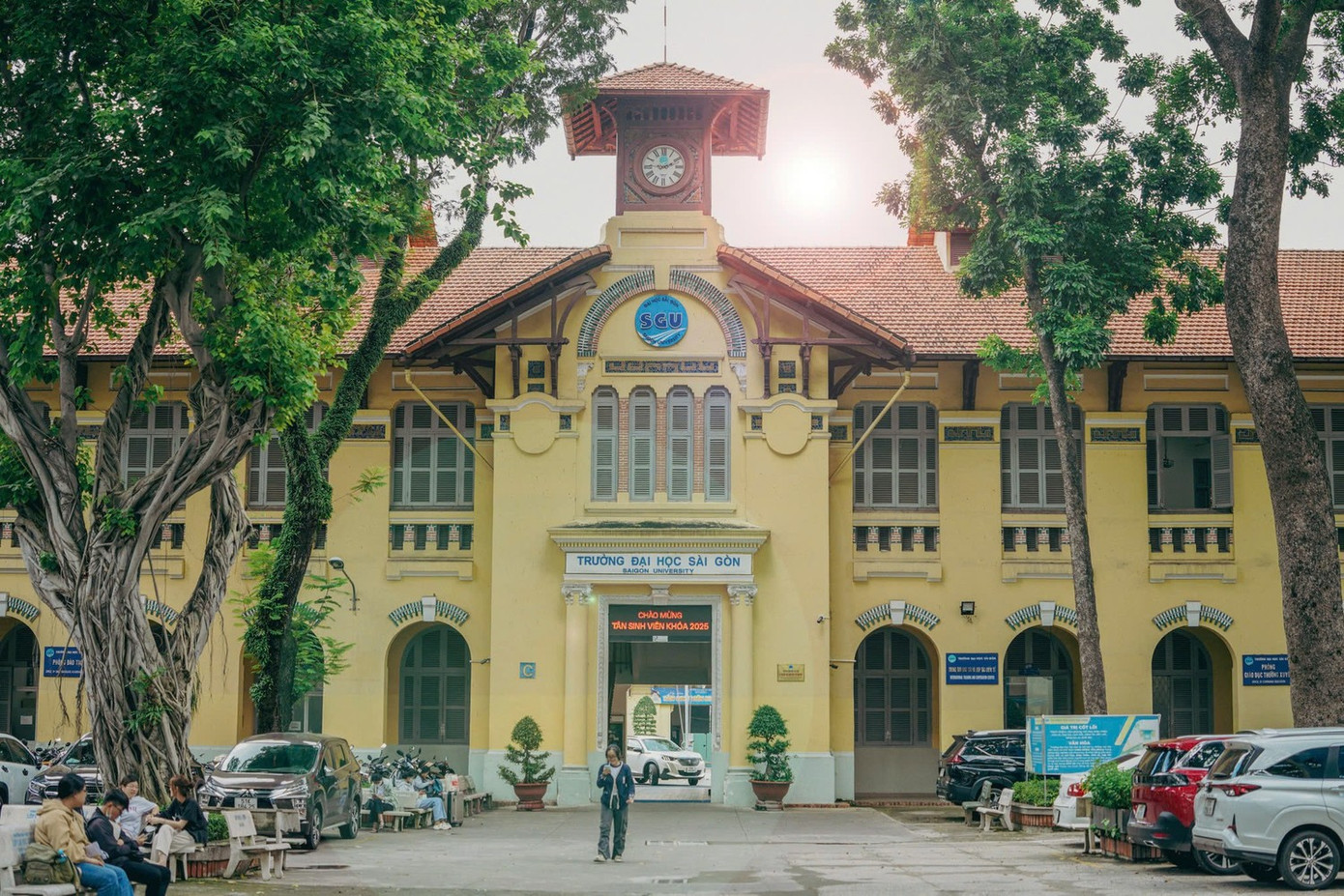
The school's origins date back to 1908, when an educational institution called the Franco-Chinese High School was established in Saigon. During this period, students were taught both French and Chinese, so graduates often held high positions in society, particularly in the commercial circles of the Southern provinces of Vietnam, and were often referred to as "the Nine Branches." Later, the school changed its name to Bac Ai Academy, specializing in educating the children of the Chinese diaspora.
On February 9, 1972, the Southern Vietnam Secondary Teacher Training School was established in War Zone C (Tay Ninh). After 1975, the school moved to Saigon and developed into the Ho Chi Minh City College of Education in 1976. In 2007, the school was officially upgraded to Saigon University.
University of Natural Sciences
The University of Science, Vietnam National University Ho Chi Minh City, is one of the leading institutions for basic science training and research in the country, associated with many generations of scientists in fields such as mathematics, physics, and biology.
The school's history dates back to 1941, when it was formerly the College of Science under the University of Indochina. After several restructurings, in 1996 it officially became a member unit of the Vietnam National University Ho Chi Minh City, focusing on training and research in basic sciences.
Currently, the school's headquarters are located at 227 Nguyen Van Cu Street, Cho Quan Ward. This campus is built on a plot of land approximately 1.1 hectares in size, notable for its many buildings with classic architecture dating back to the 1940s, creating a historically rich academic space in the heart of the city.
Ho Chi Minh City University of Medicine and Pharmacy
The Ho Chi Minh City University of Medicine and Pharmacy is one of the oldest and most prestigious medical training institutions in the South of Vietnam. Its predecessor was the Saigon Medical University (Saigon University Medical School), established in 1947 as a branch of the Hanoi Medical School.
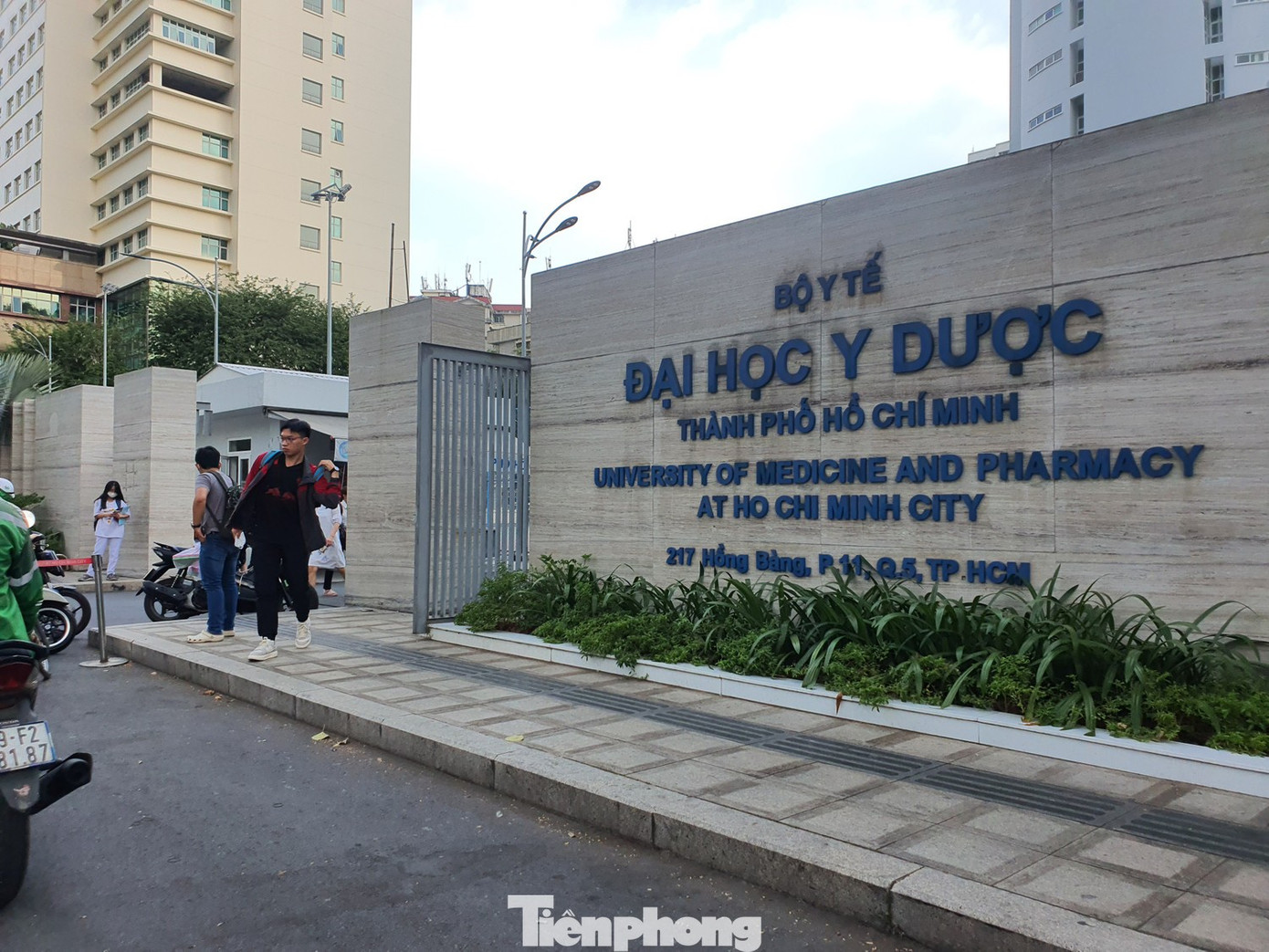
By 1954, the school was officially named Saigon University of Medicine and Pharmacy. In 1961, this institution was split into two independent units: Saigon University of Medicine and Saigon University of Pharmacy. A year later, the Dental Department was further separated, forming Saigon University of Dentistry. These three schools operated independently within the Saigon University system.
After 1975, the three schools of Medicine, Pharmacy, and Dentistry were merged, officially forming the current University of Medicine and Pharmacy of Ho Chi Minh City.
Currently, the school's main campus, located at 217 Hong Bang Street, Cho Lon Ward, is an important center for medical training, research, and practice, contributing to providing high-quality medical personnel for Ho Chi Minh City and the whole country.
Ho Chi Minh City University of Education
Ho Chi Minh City University of Education is one of the key teacher training institutions in the Southern region. Its predecessor was Saigon University of Education, established in 1957.
After 1975, the teacher training system was reorganized, and in 1976, the school officially became Ho Chi Minh City University of Education by government decision.
In 1999, after a period as a member of the Vietnam National University Ho Chi Minh City, the school was separated to develop with the orientation of becoming a key teacher training center in the Southern region.
Currently, the school's main campus is located at 280 An Duong Vuong Street, Cho Quan Ward, on a site with a total floor area of approximately 100,000 m2, featuring ample green spaces to create a pleasant learning environment.
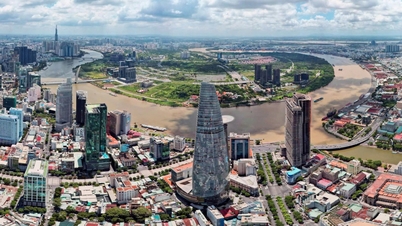
Ho Chi Minh City is studying the relocation of universities and hospitals out of the inner city to reduce pressure on population, traffic, and infrastructure. Simultaneously, it plans to reallocate prime land (large plots in central locations) for new urban development goals. A prime example is the Ho Chi Minh City University of Technology, with its more than 14-hectare plot in District 10. The story of "prime university land" in Ho Chi Minh City is a major test of urban governance: relocation for development or redistribution of benefits – the answer lies in how the land is used afterward.
Source: https://tienphong.vn/nhung-truong-dai-hoc-so-huu-vi-tri-dac-dia-nhat-tphcm-post1828985.tpo



















































































Comment (0)