

According to data from the Customs Department, in 2024, Vietnam's fruit and vegetable export turnover reached approximately US$7.15 billion, an increase of 27.6% compared to 2023. Of this, fruit and vegetable exports to China reached over US$4.63 billion, an increase of 27.3%; the US increased by 39.8%; South Korea by 39.6%; Thailand by 73.7%; Japan by 15.3%; Taiwan (China) by 10.9%; and Australia by 25.9%...
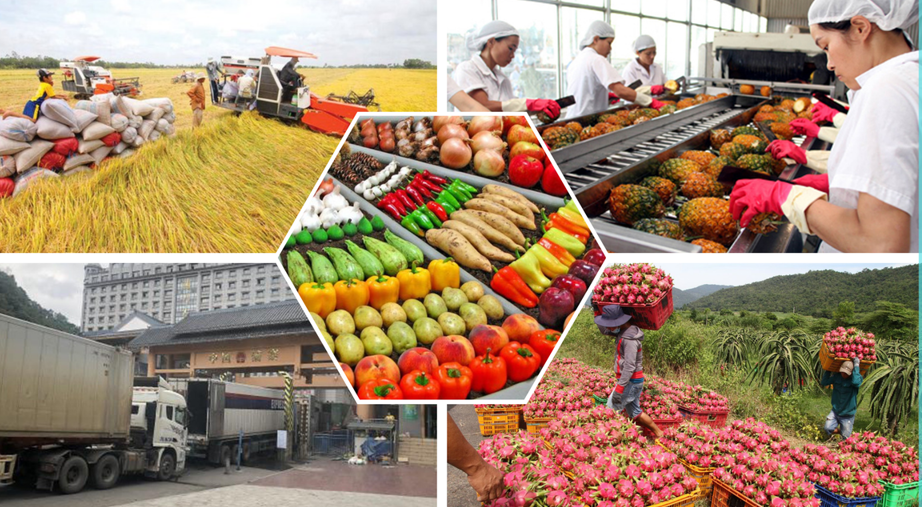
This reflects the efforts of the fruit and vegetable industry in improving quality, meeting stringent market standards, and especially in taking advantage of opportunities from free trade agreements (FTAs).
Nevertheless, Vietnamese fruits and vegetables still face quality challenges. Specifically, in January 2024, China issued a warning regarding Vietnamese durian and fresh jackfruit exports due to non-compliance with plant quarantine and food safety regulations.
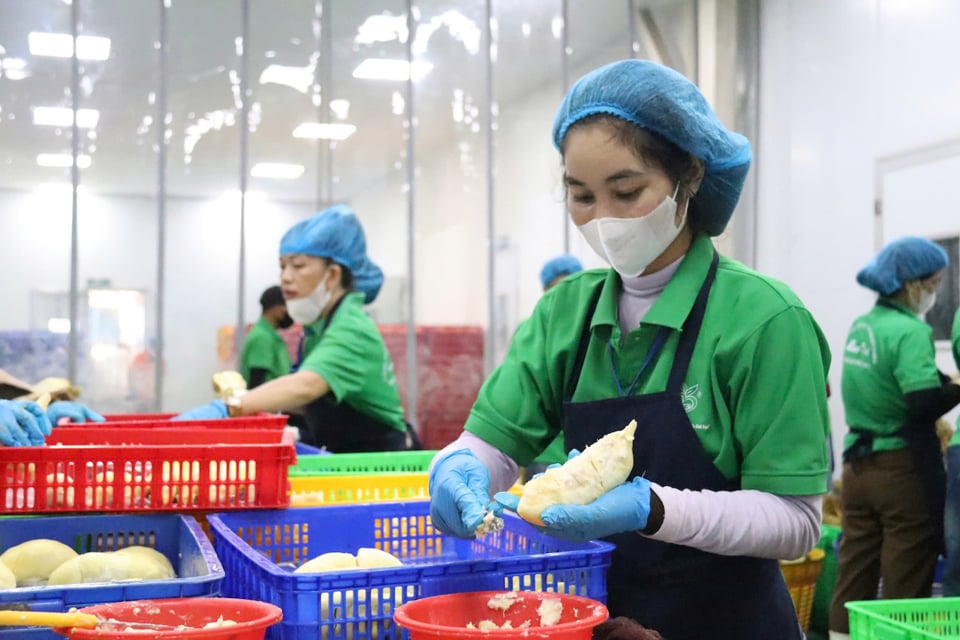
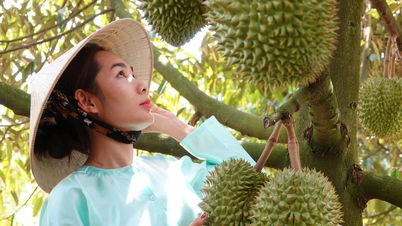
In particular, durian exports plummeted in the first two months of 2025 due to an 80% drop in exports to China, as this market implemented stricter controls on imported agricultural products. Accordingly, durian shipments must have results showing cadmium residue and Yellow O, and testing must be conducted at laboratories recognized by China. All Vietnamese durian shipments entering China are subject to 100% inspection before customs clearance.
According to Dang Phuc Nguyen, Secretary General of the Vietnam Fruit and Vegetable Association, there is currently no specific information from relevant authorities regarding the source of durian contamination with Yellow O or Cadmium. Therefore, the role of the State in establishing a legal framework for quality control from the source is crucial. For example, all durian growers should be required to have a certificate confirming the absence of Yellow O and Cadmium before selling their produce.
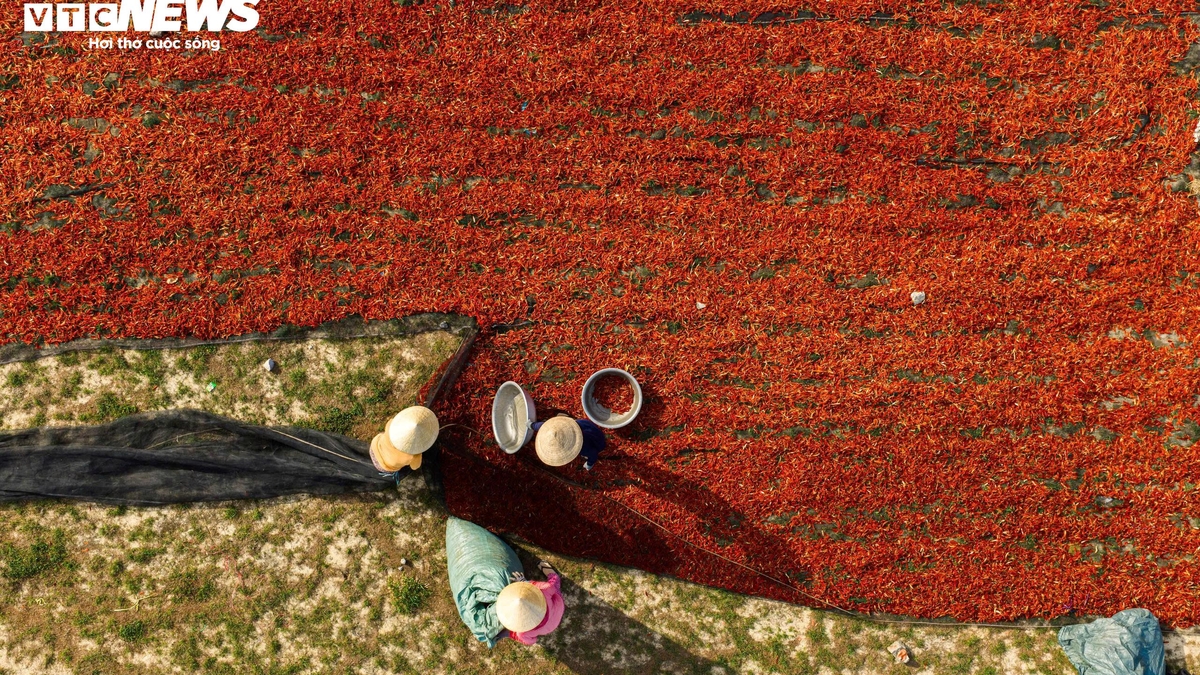
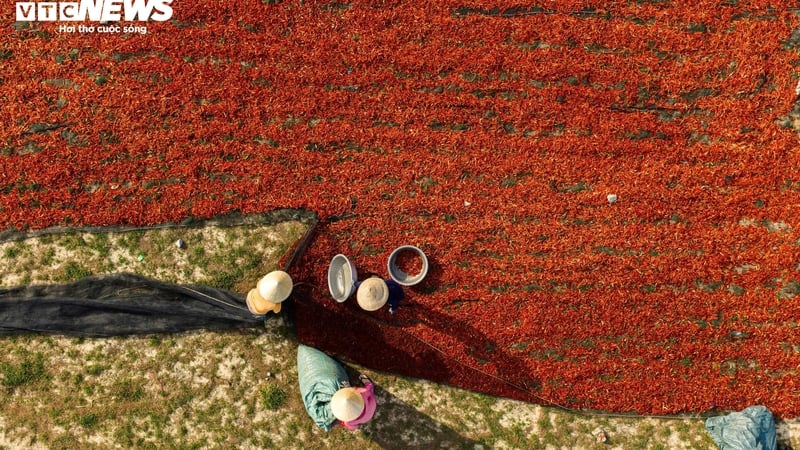
The issue of quality in the pepper and spice industry also needs attention. According to the Vietnam Pepper and Spice Association (VPSA), in 2024, Vietnam recorded the highest number of warnings from Europe with 21 cases, a sevenfold increase compared to 2023. Chili peppers were the most frequently warned product with 11 warnings; cinnamon had 7 warnings, and black pepper had 1 warning regarding Salmonella bacteria.
Also in 2024, Vietnamese spices imported into the US received 15 warnings, including 6 cases related to cinnamon. In addition, several shipments of Vietnamese black pepper imported into Taiwan (China) were flagged due to the detection of Sudan red exceeding the maximum permissible residue limit.
Tighten management from the source.
Identifying the practical difficulties, Mr. Dang Phuc Nguyen analyzed: for example, with durian, currently, when businesses come to buy from the orchards, the farmers will require the businesses to finish harvesting, pay, and only take samples for testing outside the orchard. This is safe for the farmers but creates difficulties for the businesses.
Regarding this issue, Ngo Xuan Nam, Deputy Director of the Vietnam SPS Office ( Ministry of Agriculture and Environment ), stated that current management practices heavily rely on post-inspection. Accordingly, functional agencies only conduct inspections of facilities to collect samples for analysis. However, Vietnam's system of testing and analysis agencies is still limited, and sending samples and obtaining results takes a long time and is quite costly.
In response to the requirements of importing countries such as the EU and the US, one of the current management tools is to take samples for testing at the source of production. Therefore, testing units also need to be located in major production areas or concentrated export production areas to facilitate testing.
Stricter inspections at the source and transparent information are also ways for the agricultural sector to thrive in the long run. Changing farming practices and mandating inspections at the source of products not only protects consumer health and export markets but also safeguards the producers themselves.
Notably, to boost exports and build brands for agricultural products, one of the pressing issues today is the establishment of quality control standards. Regarding solutions, Deputy Minister of Agriculture and Environment Phung Duc Tien stated that the Ministry will soon research, develop, and issue national standards for key agricultural products.
Establishing and enacting quality standards for fruits and vegetables will provide a "basis" for all parties involved in production, harvesting, and processing. These standards will serve as a foundation for the Ministry of Agriculture and Environment, the Ministry of Industry and Trade , the Ministry of Foreign Affairs, and others to confidently continue negotiations to open up markets. Furthermore, regulatory agencies will have stricter legal mechanisms to protect legitimate producers.
Source: https://kinhtedothi.vn/nong-san-viet-doi-dien-voi-bai-toan-chat-luong.html










![When forestry is a 'weakness' for Nghe An?: [Part 3] Forest owners worry about the challenge of financial self-sufficiency](https://vphoto.vietnam.vn/thumb/402x226/vietnam/resource/IMAGE/2026/06/01/1780328200116_pu-hoat-014846_425-223223.jpeg)



![Transforming from Resolution 57: [Part 1] 'Digital Field' in the Heart of the City](https://vphoto.vietnam.vn/thumb/402x226/vietnam/resource/IMAGE/2026/06/01/1780313803412_2848-htx-nong-nghiep-tuan-ngoc-8-173833_249-173836.jpeg)











![[Photo] Reception to welcome General Secretary and President To Lam and his wife on their State visit to the Philippines](https://vphoto.vietnam.vn/thumb/1200x675/vietnam/resource/IMAGE/2026/06/01/1780295488620_vna-potal-chieu-dai-chao-mung-tong-bi-thu-chu-tich-nuoc-to-lam-va-phu-nhan-tham-cap-nha-nuoc-toi-philippines-8798060-7855-jpg.webp)



























































Comment (0)