

Investment in clean energy is projected to increase by 24% in 2023.
The IEA cites a prime example demonstrating how investment in clean energy (also known as renewable energy) is surpassing fossil fuels: investment in solar power may for the first time exceed investment in oil production. According to IEA forecasts, investment in solar power, primarily photovoltaic panels, will reach $380 billion in 2023, while investment in oil exploration and production will be $370 billion.
The IEA highlighted that investment in clean energy in 2023 is expected to increase by 24% compared to 2021, reaching over $1.7 trillion. Meanwhile, investment in fossil fuels is projected to increase by 15% during the same period.
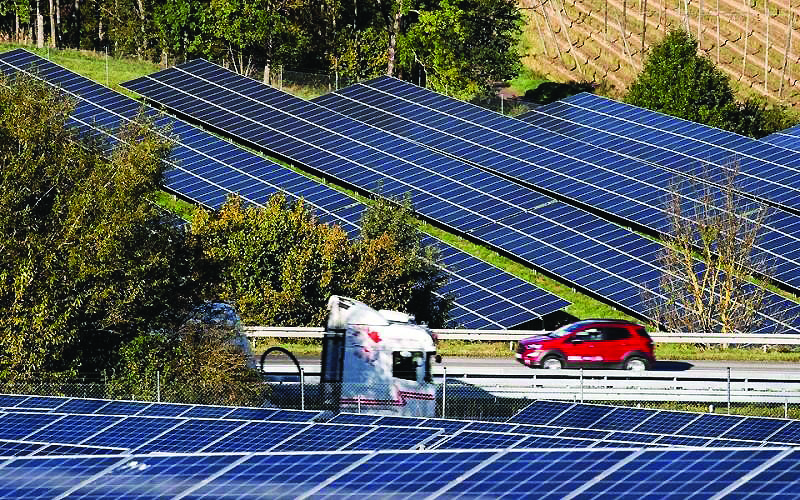
A solar power plant in Munich, Germany.
Despite progress in investment in clean energy, the IEA warns that investment in fossil fuels is still increasing while it should be decreasing rapidly to achieve net-zero emissions by 2050. It estimates that total investment in fossil fuels in 2023 will more than double the amount that the sector is expected to spend in 2030. Of that, investment in coal will be six times higher.
Global energy investment is projected to reach approximately $2.8 trillion in 2023, with over $1.7 trillion allocated to renewable energy, nuclear power, electric vehicles, and energy efficiency improvements. The remaining $1 trillion will be invested in oil, natural gas, and coal. According to the IEA, by 2025, renewable energy will become the primary source of electricity production, supplying one-third of the world's electricity. It is estimated that wind and solar power capacity will surpass that of natural gas by 2023 and coal by 2024.
According to Reuters, 2022 was a challenging year for the global energy sector as the energy crisis affected most countries worldwide. Entering 2023, countries around the world will lead the trend of reducing dependence on other energy sources and becoming more self-reliant in renewable energy. Renewable energy has emerged as one of the most timely solutions to these challenges.
An alternative solution is urgently needed.
Clean energy, or renewable energy, is generated from natural sources or natural processes that are continuously formed. Some typical forms of clean energy include: solar energy (harnessed through solar panels to convert sunlight into electricity), wind power (using wind turbines where kinetic energy from wind is converted into mechanical energy), hydropower (electricity is generated by water flowing through a turbine to power a generator), biomass energy (from organic materials of plant and animal origin; including crops, waste wood, and trees. When biomass is burned, energy is released as heat and can generate electricity using steam turbines), geothermal energy (extracted from the heat in the Earth's core), etc.
Fossil fuels are fuels with high carbon and hydrocarbon content, formed by the anaerobic decomposition of dead organisms that were buried more than 300 million years ago. Coal (formed from plant remains), petroleum (from plankton buried for millennia under the influence of intense heat and high pressure from deep within the earth), natural gas (formed by plankton buried deep underground under the influence of higher temperatures and pressures than petroleum), shale oil (formed from sand deposits the size of clay and containing small amounts of organic matter)... are all forms of fossil fuels.
The most significant difference between renewable energy and fossil fuels is their lifespan. Renewable energy can be used repeatedly without fear of depletion because it is derived from inexhaustible natural processes. Fossil fuels, on the other hand, are naturally replenished over time, but this process takes millions of years. Furthermore, the use of fossil fuels has many harmful effects: a significant reduction in oxygen (burning fossil fuels consumes oxygen to sustain combustion and releases CO2), air pollution (burning fossil fuels produces acids such as carbonic, sulfuric, and nitric acids, leading to acid rain, significantly impacting natural areas and damaging the environment), and water pollution (due to oil extraction in the marine environment). This is why the world needs an alternative to fossil fuels by using clean or renewable energy.
According to VNA
Source link


![[Photo] Standing Committee member of the Party Central Committee Tran Cam Tu presents the Decision appointing the Secretary of the Party Committee of the Ho Chi Minh National Academy of Politics.](/_next/image?url=https%3A%2F%2Fvphoto.vietnam.vn%2Fthumb%2F1200x675%2Fvietnam%2Fresource%2FIMAGE%2F2026%2F02%2F02%2F1770039902160_le-cong-bo-bt-hvctqg-11-7880-jpg.webp&w=3840&q=75)


Comment (0)