

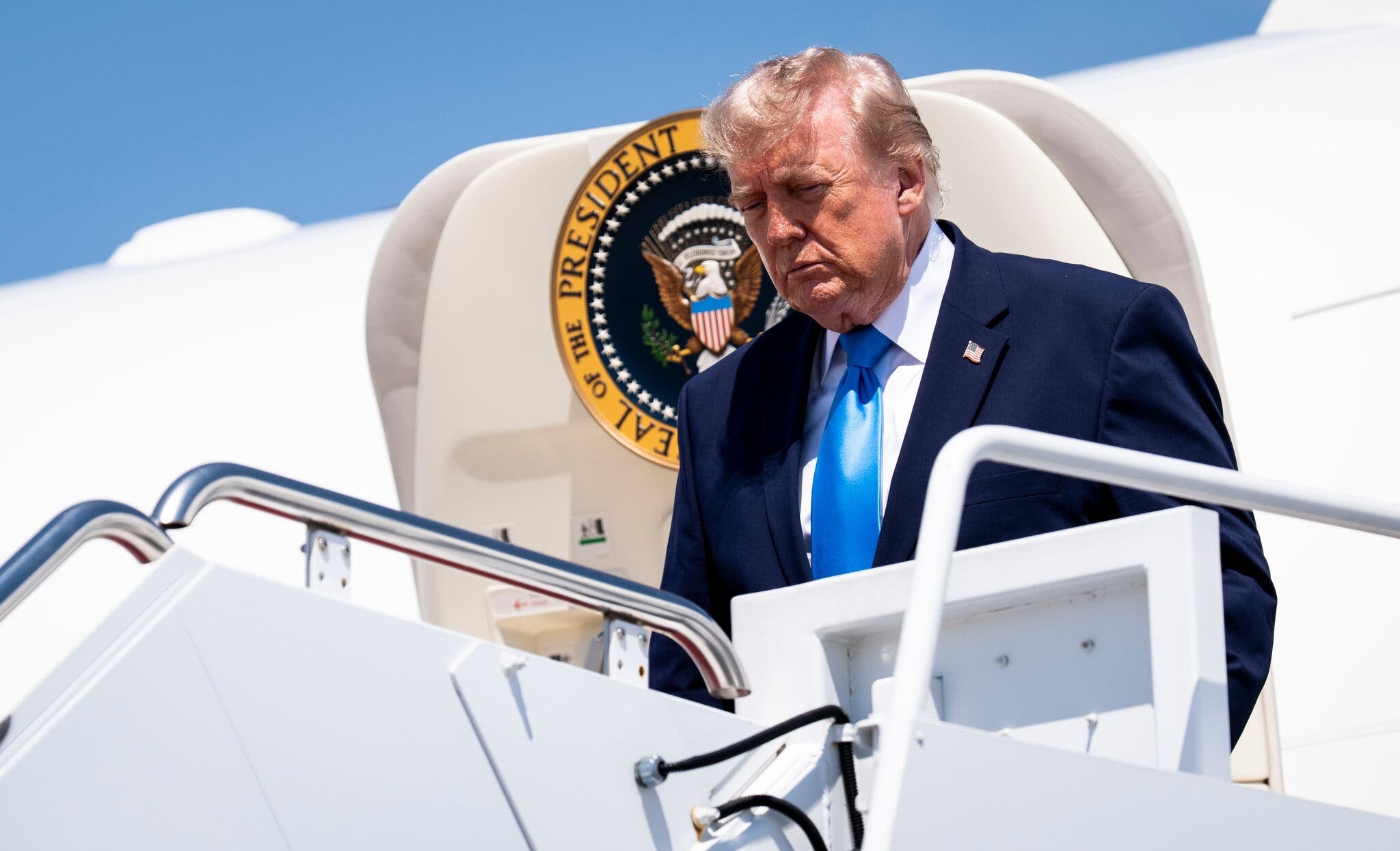
According to CNN , US President Donald Trump has repeatedly stated that a deal with Iran is very close. However, reality shows that many of his predictions were overly optimistic and misjudged the actual situation.
Therefore, it is not surprising that Trump's latest statements about reaching a framework agreement with Iran continue to be met with skepticism within the United States.
Both the pro-war hawks within the Republican party, and the anti-war factions within both the Republican and Democratic parties, are now criticizing Trump for a variety of reasons.
The most important issues must be left for... last.
For the U.S. and Iran to potentially reach a framework agreement to reopen the Strait of Hormuz, key issues such as Iran's nuclear stockpiles, uranium enrichment activities, and missile program will be discussed later.
The most positive aspect for the international community right now is that the risk of conflict spiraling out of control is decreasing, and the Strait of Hormuz may be reopened.
If the Strait of Hormuz is reopened, Trump's aides say Washington will move to phase two, resuming serious negotiations with Iran on the core issues that led to the war.
The reality is that Trump has shifted his stance considerably, but the most difficult decisions still lie ahead. Two major unresolved issues are how the U.S. should handle Iran's demands for the release of frozen assets and the lifting of sanctions against Tehran. These are two issues that will cause Trump significant headaches if he wants to withdraw from the Iran conflict.
Pressure is mounting on Trump from all directions.
In American politics, the Iran conflict is dominated by sharply conflicting viewpoints. In almost every scenario, Trump is unlikely to win politically .
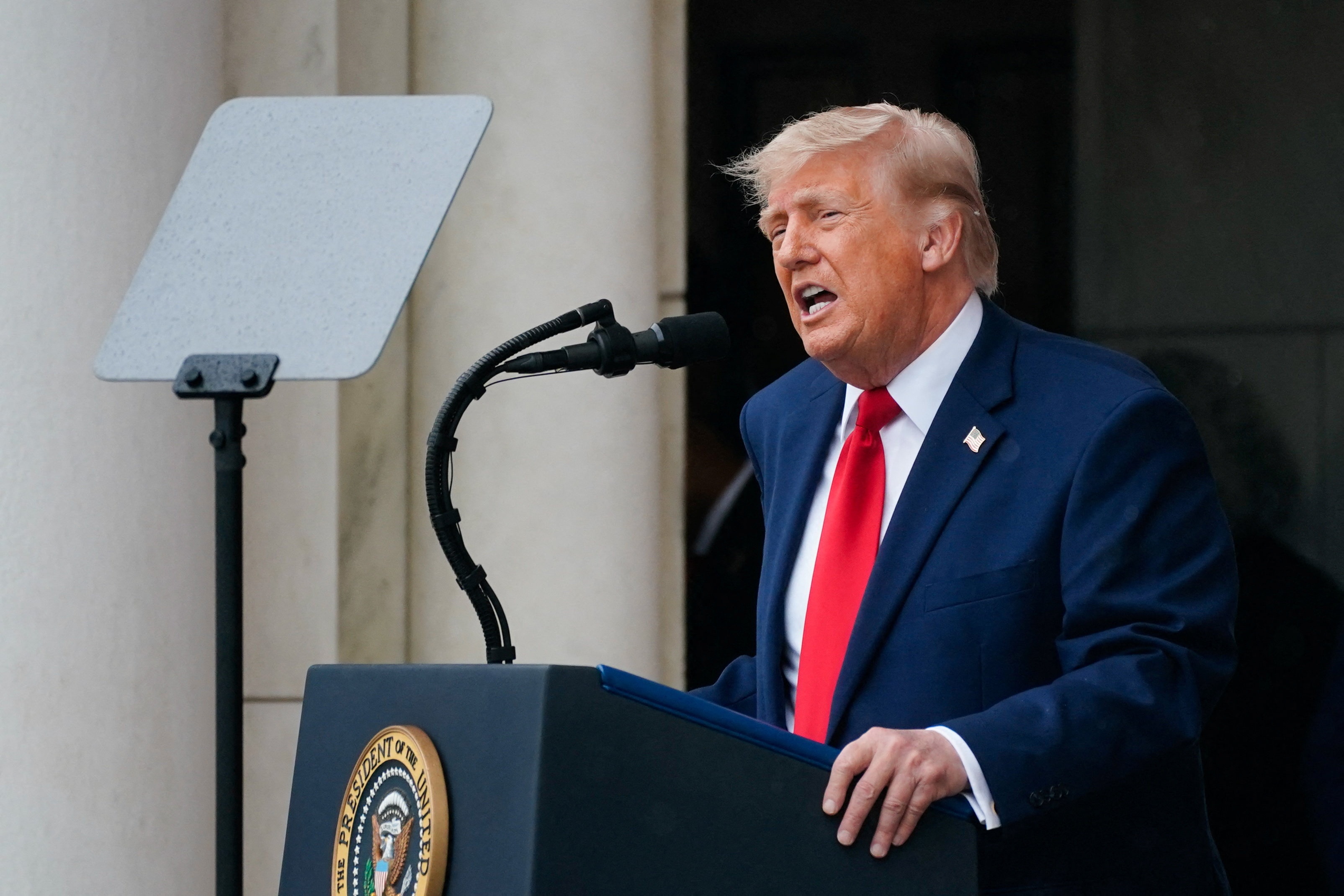 |
Trump is under immense pressure and facing a storm of criticism over the Iran conflict. Photo: Reuters . |
Polls showed that a majority of Americans opposed the war. This led him to face a wave of backlash throughout the course of the conflict.
If he orders a new attack on Iran, the opposition will be even greater, as it risks escalating the conflict, getting bogged down in fighting, and causing serious economic damage.
Nevertheless, initial details of a potential agreement between the US and Iran suggest that the terms are unlikely to help Trump "turn defeat into victory."
For example, Washington's agreement to release some of Iran's frozen assets and gradually lift sanctions in exchange for Tehran reopening the Strait of Hormuz shows that, ultimately, the US has had to acknowledge Iran's leverage.
The terms being discussed are far removed from the “unconditional surrender” demand that Trump made to Iran in March. However, Trump now needs to find a way out of the conflict, amid rising gas prices, declining approval ratings, and weakening Republican support. It is precisely in this effort to find a way out that Trump is facing further criticism.
 |
The current US objective is to reopen the Strait of Hormuz as soon as possible. Photo: New York Times. |
The hawkish faction within the Republican party who support the Iran conflict are now criticizing Trump, fearing he is about to make concessions.
Senator Roger Wicker, Chairman of the Senate Armed Services Committee, warned that “any gains from the campaign could soon become meaningless.” He argued that the effort to end the conflict in Iran was justified, but seeking an agreement now could create an “image of a weak America.”
Senator Lindsey Graham also warned that Iran's continued control of the Strait of Hormuz would alter the balance of power in the region.
Senator Ted Cruz commented: "If the end result is an Iran that remains as it was, now with billions of dollars and de facto control of the Strait of Hormuz, that would be a catastrophic mistake."
Former CIA Director and former US Secretary of State Mike Pompeo believes that the deal Trump is pursuing is similar to the type of deal the Obama administration signed with Iran.
The situation became so tense that Trump's advisors began to directly counter the critical voices.
White House spokesman Steven Cheung responded to Pompeo, saying the former secretary of state "doesn't understand what he's talking about" and should "shut up and let the experts do their work."
Political advisor Alex Bruesewitz responded to Ted Cruz: "Nobody asked your opinion. Don't interfere."
But even veteran negotiators who opposed the war have expressed concerns about the agreement.
"This is the consequence of a war launched without proper planning turning into an unwilling and flawed peace agreement," said Aaron David Miller, a former US expert who negotiated Middle Eastern issues and now works at the Carnegie Endowment for International Peace.
Miller argues that the initial, unattainable goals have been abandoned, but Washington now also has little leverage to achieve two crucial objectives: limiting Iran's nuclear capabilities and ensuring the Strait of Hormuz remains open.
These arguments are well-founded. However, continuing the conflict at this point is unlikely to offer any better opportunities for the Trump administration.
According to sources familiar with U.S. intelligence, Iran has rebuilt its military capabilities during the ceasefire. This means that if war resumes, Iran could retaliate more fiercely, resulting in greater damage.
Attempts to reopen the Strait of Hormuz by military force are also very dangerous and would require a prolonged military presence.
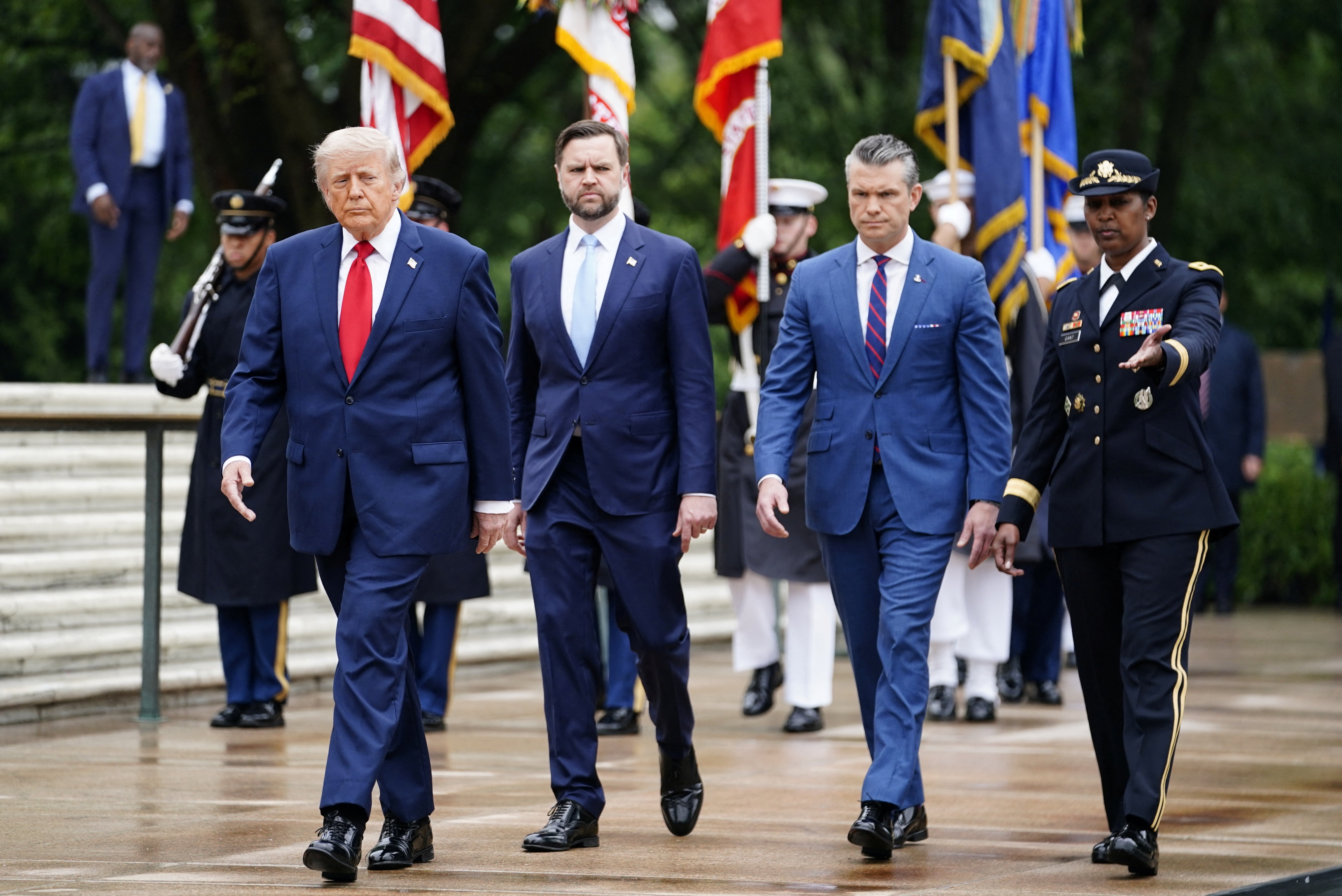 |
The Trump administration is negotiating with Iran under immense pressure. Photo: Reuters. |
Democrats, who have criticized Trump for initiating and conducting wars, are now also criticizing how he ended them.
Senator Cory Booker expressed concern about the order in which Iran would reopen the Strait of Hormuz first, with discussions on the nuclear issue to be addressed later.
“What infuriates me is that the President says he launched this campaign to address Iran’s nuclear program. But the deal being pursued doesn’t immediately solve that problem. Trump was taken advantage of from the start, by dragging America into this fight,” Booker said.
Senator Chris Van Hollen warned that the proposed agreement could bring the situation “back to pre-war conditions and even worse.” “I think this war was a mistake in the first place. Once you’ve dug a hole too deep, you stop digging it. And it seems we’ve finally realized that,” Hollen said, acknowledging that the U.S. has no other choice.
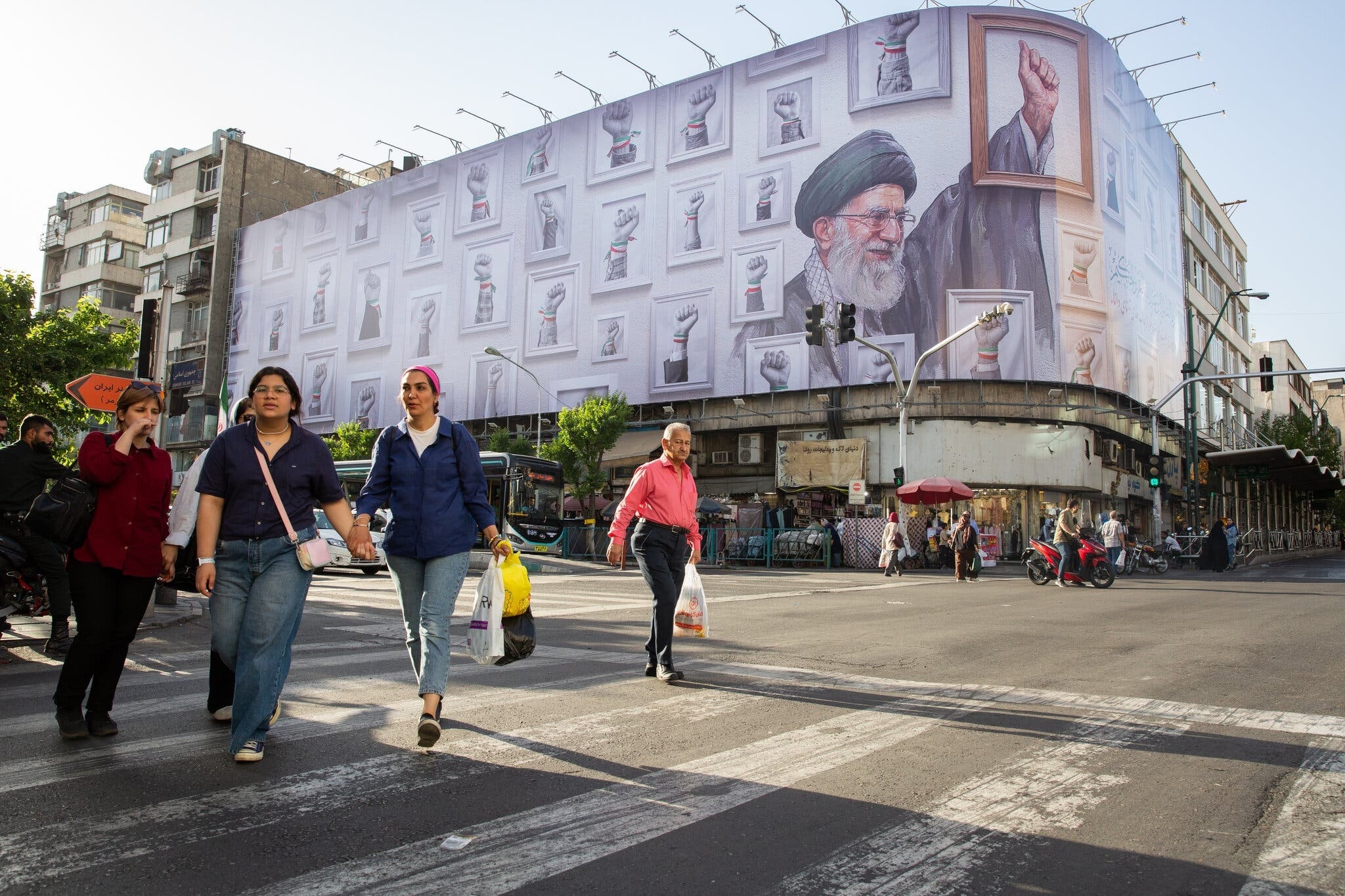 |
Streets in Tehran during the ceasefire. Photo: New York Times. |
The US has previously stated that it would not accept any agreement unless a consensus was reached on how to resolve the nuclear issue from the outset.
However, U.S. officials eventually de-escalated, partly because they needed to reopen the Strait of Hormuz, and partly because they recognized the complexity of negotiating about Iran's large-scale nuclear program.
This task took the Obama administration nearly two years of negotiations to produce a 160-page agreement.
US Secretary of State Marco Rubio has rejected criticism of the ongoing agreement.
"The suggestion that the current agreement could make Iran more ambitious is absurd. Right now, the strait must be reopened immediately, and then we will enter into serious negotiations based on agreed principles regarding uranium enrichment, the amount of highly enriched uranium, and Iran's commitment to nuclear weapons," Rubio said.
However, Trump also seems to be listening to concerns about the deal. He wrote on social media on May 25: "I have instructed my representatives not to rush into a deal because time is on our side."
However, it is becoming increasingly clear that Trump and his negotiating team are in a difficult position. They had said the war would last about a month, but it is now in its third month. More importantly, Iran shows no sign of being swayed by U.S. threats or pressure.
This leaves Trump with virtually only two options: Resume military action, which he does not want; or accept a war of attrition, seeing which side backs down first after the economic losses over the Strait of Hormuz.
Indeed, withdrawing from the war is not easy. Trump once risked alienating the anti-war faction within the Republican Party to start the war. Now, he risks disappointing even the pro-war faction.
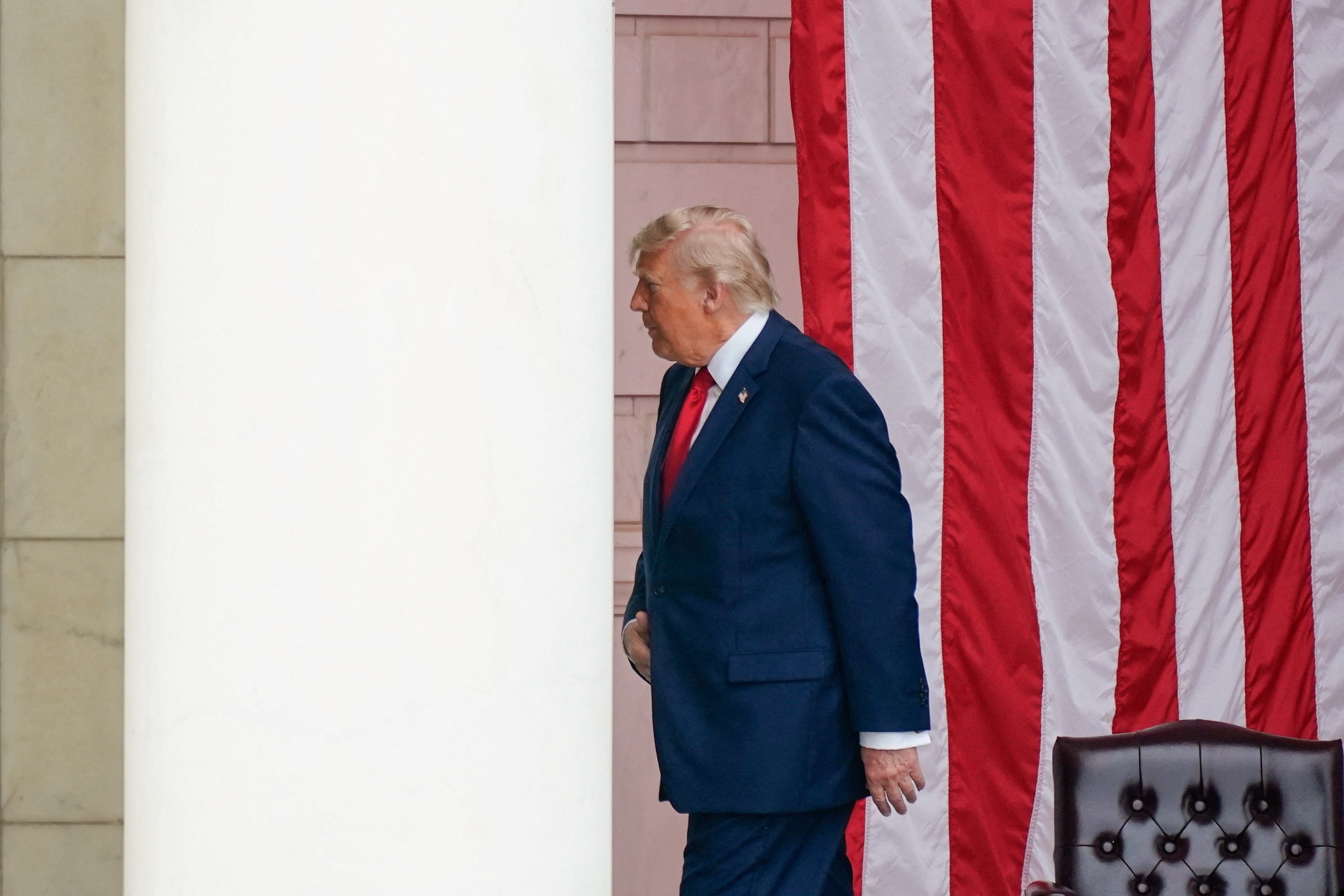 |
Mr. Trump must have realized that entering a war is difficult, but getting out is even harder. Photo: Reuters . |
As more details of the agreement are released, Mr. Trump is about to face two key questions.
First, will the new agreement be more stringent than the one reached under former President Obama?
Secondly, after everything Trump has done to Iran, is the U.S. ultimately in a better position in its relationship with Iran?
The fact that these questions remain unanswered highlights Trump's dilemma: Continuing the war could easily lead to a quagmire; but ending it with the current terms also risks causing significant controversy.
Meanwhile, the possibility of the framework agreement collapsing remains open at any time.
Source: https://znews.vn/ong-trump-hung-chi-trich-post1654255.html

![[Photo] General Secretary and President To Lam presides over the meeting to approve the draft report on the results of the second inspection by the Politburo of the Standing Committee of the Hanoi City Party Committee.](https://vphoto.vietnam.vn/thumb/1200x675/vietnam/resource/IMAGE/2026/05/26/1779789811432_a2-bnd-4430-9620-jpg.webp)

























































































Comment (0)