

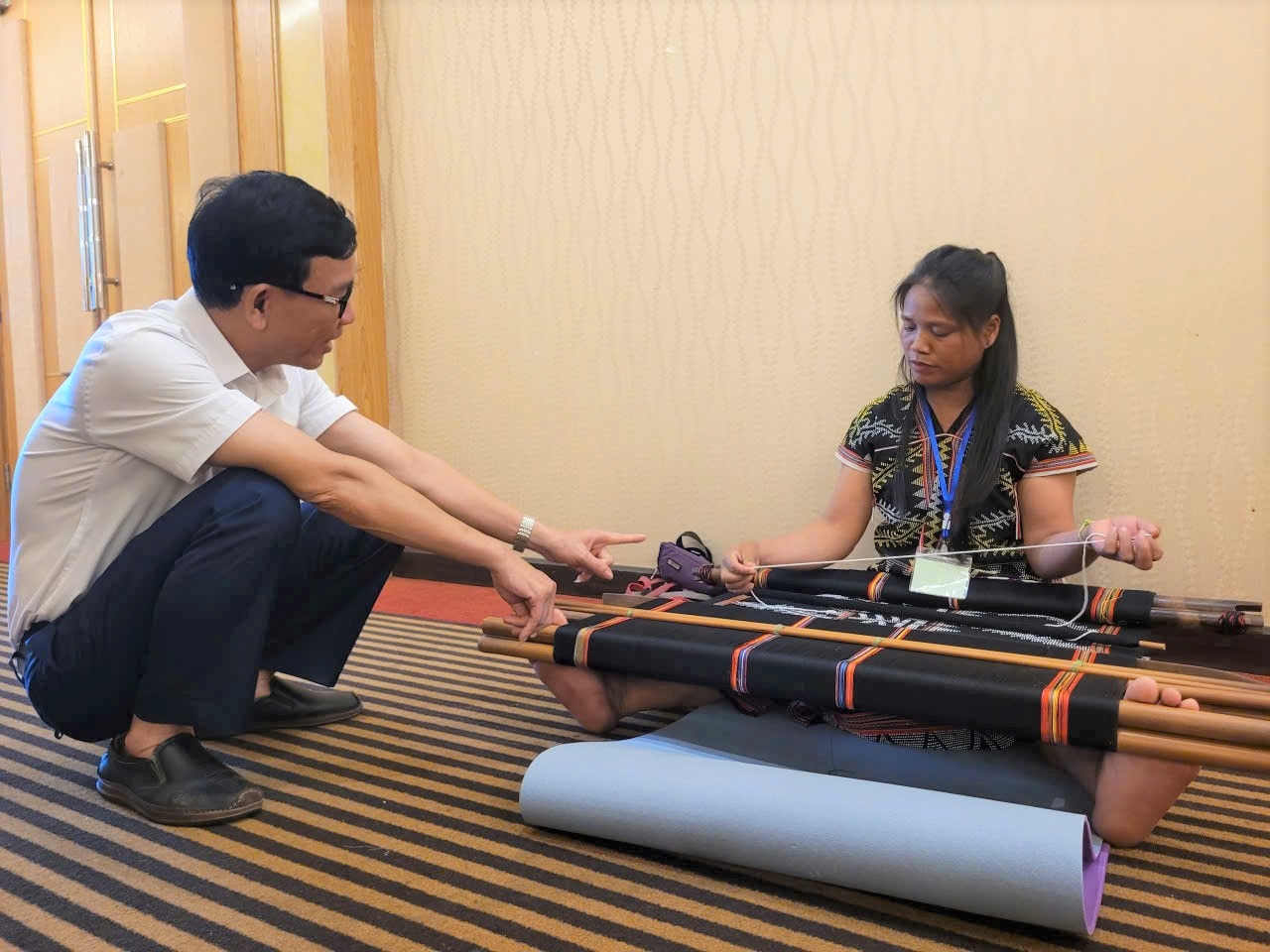
Community tourism is a bright spot.
The EMMi project, funded by the Japan International Cooperation Agency (JICA) through the FIDR organization, commenced in 2021. The project is being implemented in 35 mountainous communes in Quang Nam province, now Da Nang city, with a total investment of US$900,000 (equivalent to VND 21.6 billion).
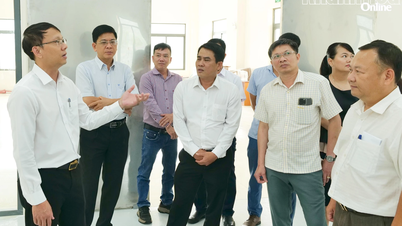
According to Mr. Nguyen The Hung, Head of the Rural Development Sub-Department of Da Nang City, the project's goal is to support sustainable livelihood development for people in mountainous areas through the development of local products, handicrafts, and community-based tourism.
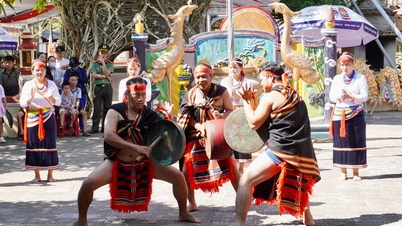
Within the local product development component, the "treasure hunt" activity was successfully organized in 9 mountainous districts of the former Quang Nam province, helping communities rediscover and identify many potential local products and resources. In particular, the Co Tu - Nam Giang community-based tourism model stood out, excelling and winning the ASEAN Award.
Mr. Briu Thuong, Chairman of the Co Tu - Nam Giang Community-Based Tourism Cooperative, shared that proof of this success is the fact that the cooperative has welcomed over 600 tourists with 50 experiential tours in 2025. In particular, there has been a significant change in the mindset of tourism, which is no longer simply selling goods, but choosing to sell the value of the product so that tourists can directly experience it. When tourists understand the cultural story behind the product, they will voluntarily buy it as a gift and develop a greater appreciation for the local culture.
According to Mr. Briu Thuong, to sustain this model, the cooperative focuses on a core team of individuals who aspire to advance the village, preserving culture while developing the economy. In addition to this internal strength, support from the project in connecting with travel companies and retail outlets has helped the cooperative maintain a stable customer base and achieve initial breakthrough results.
Regarding the model, Ms. Nobuko, Head Representative of FIDR in Vietnam, affirmed that the strength of community-based tourism products lies in the fact that tourists not only shop but also directly experience the process. In other words, they are buying the core value and the cultural story behind it.
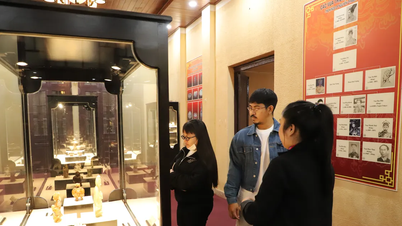
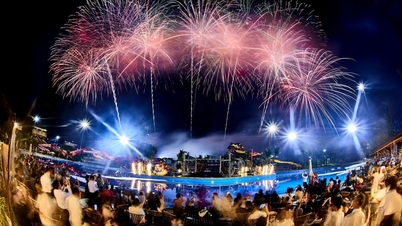
To put this into practice, in recent times, regular trade promotion events such as the Co Tu and Ca Dong Culinary Night or the Highland Agricultural Products Market have brought local specialties closer to consumers, helping to increase income for households. Most recently, at the Da Nang Food Tour 2026, the project supported highland communities in operating two stalls selling local food and agricultural products, contributing to introducing and spreading traditional products to a large number of tourists.
Connecting for growth
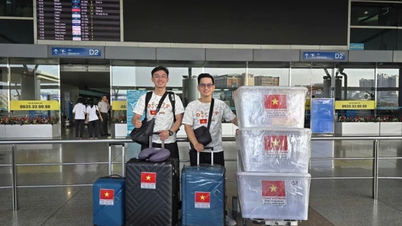
Within the framework of the EMMi Project, many handicraft products from Da Nang's mountainous regions, after development, have been successfully distributed at Japanese international airports, as well as through organic food store chains in Hanoi and Ho Chi Minh City.
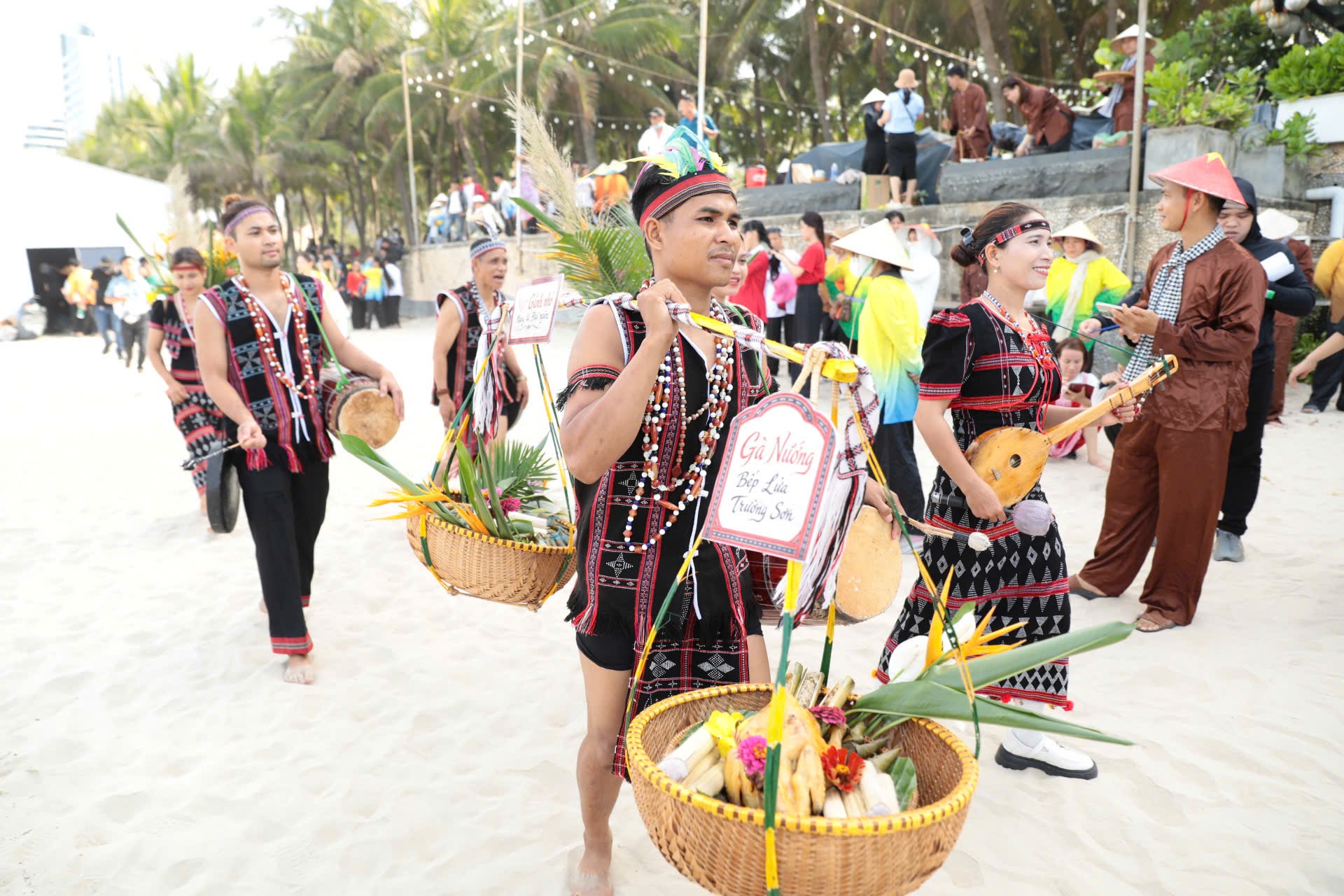
Besides its market impact, the project also achieved impressive results in community capacity building. Specifically, the program organized training on business knowledge and skills for 89 initiative groups; and trained 68 local tour guides in presentation and tourism service provision skills.
One of the outstanding results of the EMMi Project from 2021 to the present is the establishment and operation of 10 community-based tourism destinations. However, localities in the project areas still have concerns about the challenge of linkage and connection to optimize the effectiveness of attracting tourists.
Ms. Vo Thi Thuy Hang, Vice Chairman of the People's Committee of Tra My commune, believes that cultural values, when considered in isolation, lack uniqueness and therefore require close collaboration.
To ensure the project's continued development, especially in promoting community cultural values, Ms. Hang hopes that the cultural and tourism management agency will play a bridging role between localities, connecting cultural spaces in different regions and communities to create unique highlights.
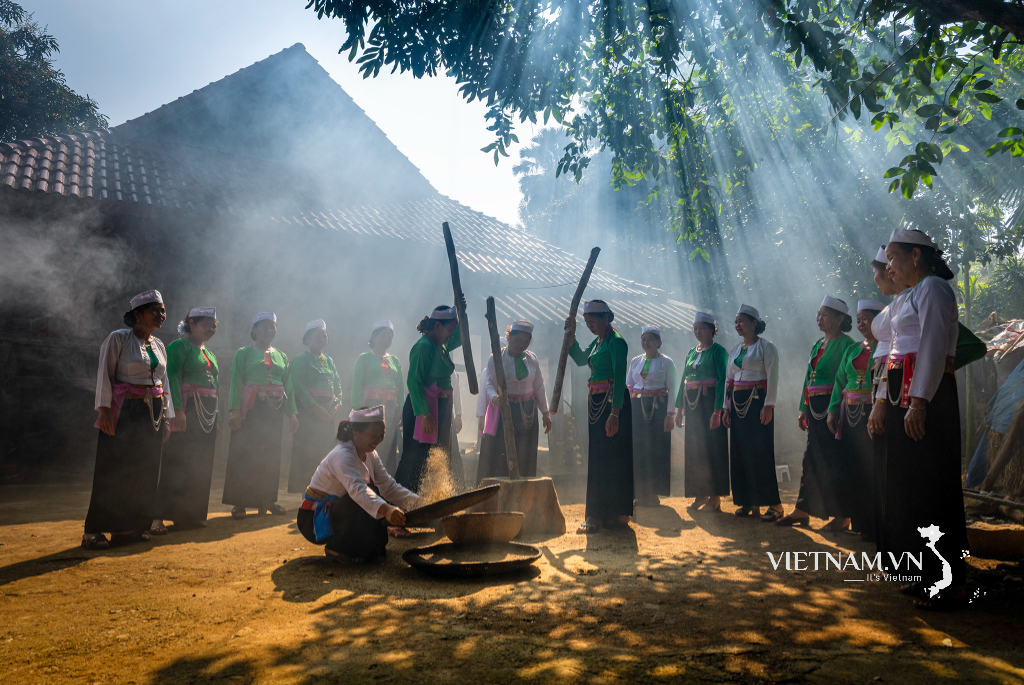
For example, a community-based destination like a Muong village, in addition to focusing on showcasing local identity, would become richer and more attractive to tourists if it integrated the culinary essence, folk songs, and traditional arts from neighboring regions.
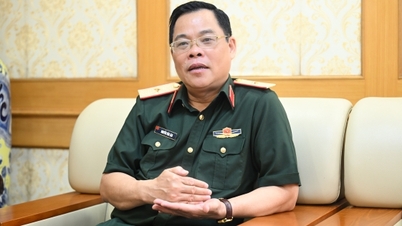
This perspective is also a matter of particular concern to Mr. Tran Ut, Deputy Director of the Department of Agriculture and Environment. According to Mr. Ut, in order to preserve local products and develop sustainable community tourism, linking destinations is a vital factor.
Currently, in the mountainous commune of Tra My, community-based tourism destinations such as Cao Son village and Muong village have been established. However, it is necessary to connect these unique destinations in the region into a chain to extend the length of stay for tourists.
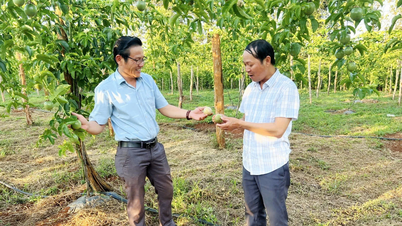
“The essence of community-based tourism is to create unique highlights, closely linked to practical and ecological experiences. Localities can absolutely develop new tours, such as experiences through cinnamon forests. Therefore, planning sufficiently large cinnamon growing areas not only enhances the medicinal value but also creates unique landscapes for ecotourism,” Mr. Ut shared.
Addressing tourism models and local communities on their journey to overcome difficulties, Ms. Nobuko, Head Representative of FIDR in Vietnam, expressed her hope that these entities would not be discouraged or give up in the face of initial challenges.
Instead, view culture as a leverage point, allowing your identity to shine and confidently showcase the most unique aspects of your homeland to develop your livelihood.
A representative from FIDR Vietnam affirmed that the organization will always stand by and support the people on this journey towards sustainable development.
Source: https://baodanang.vn/phat-trien-ben-vung-tieu-thu-cong-nghiep-mien-nui-3338894.html

















![[Photo] Reception to welcome General Secretary and President To Lam and his wife on their State visit to the Philippines](https://vphoto.vietnam.vn/thumb/1200x675/vietnam/resource/IMAGE/2026/06/01/1780295488620_vna-potal-chieu-dai-chao-mung-tong-bi-thu-chu-tich-nuoc-to-lam-va-phu-nhan-tham-cap-nha-nuoc-toi-philippines-8798060-7855-jpg.webp)










































Comment (0)