

 |
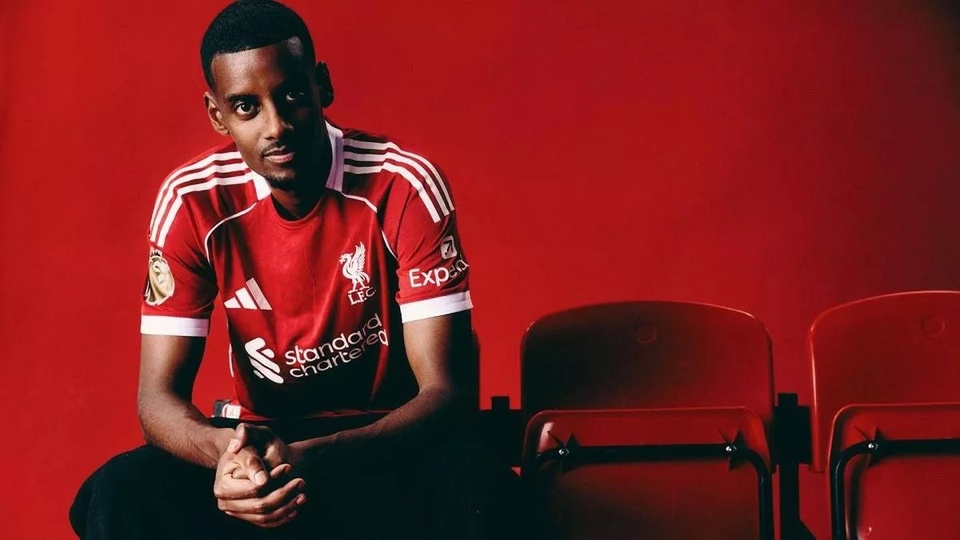
Isak moved to Liverpool for a record transfer fee. |
From Everton and Sunderland to Chelsea, even the "lower-tier" teams have the means to buy stars once reserved only for the super clubs. But behind the glamour lies the paradox of academies becoming "warehouses" and the worry of a financial bubble.
Premier League escapes the "Big Five"
The 2025 summer transfer window revealed a harsh truth: the Premier League is no longer on par with Europe's "Big Five." With a total spending of £3.1 billion, the English league alone surpassed Spain, Germany, Italy, and France combined.
From being a member of the top five leagues, the Premier League has risen to become the sole financial superpower, alongside a few other isolated super clubs in Europe.
Surprisingly, it's not just the top teams that are benefiting, but also the "underdogs." Everton – who finished 13th last season – were able to spend £27 million to bring in Thierno Barry, Villarreal's star striker. Sunderland, newly promoted, spent £30 million on Habib Diarra (Strasbourg) and £17 million for Granit Xhaka from Bundesliga runners-up Leverkusen. Leeds also aggressively poached players from Milan, Lyon, and Lille.
According to the Deloitte Football Money League 2025, 14 out of the 30 highest-earning clubs in the world are playing in the Premier League. Last season's bottom-placed team, Southampton, received £109 million from the central revenue sharing scheme – more than what Barcelona or Bayern Munich, despite winning their respective domestic leagues, earned from their respective competitions.
The financial boom stems from three key areas: television rights, European and global revenue, and audience engagement. From the 2025–29 season, the Premier League has sold a rights package worth £1.69 billion per year, plus a 27% increase in international revenue.
 |
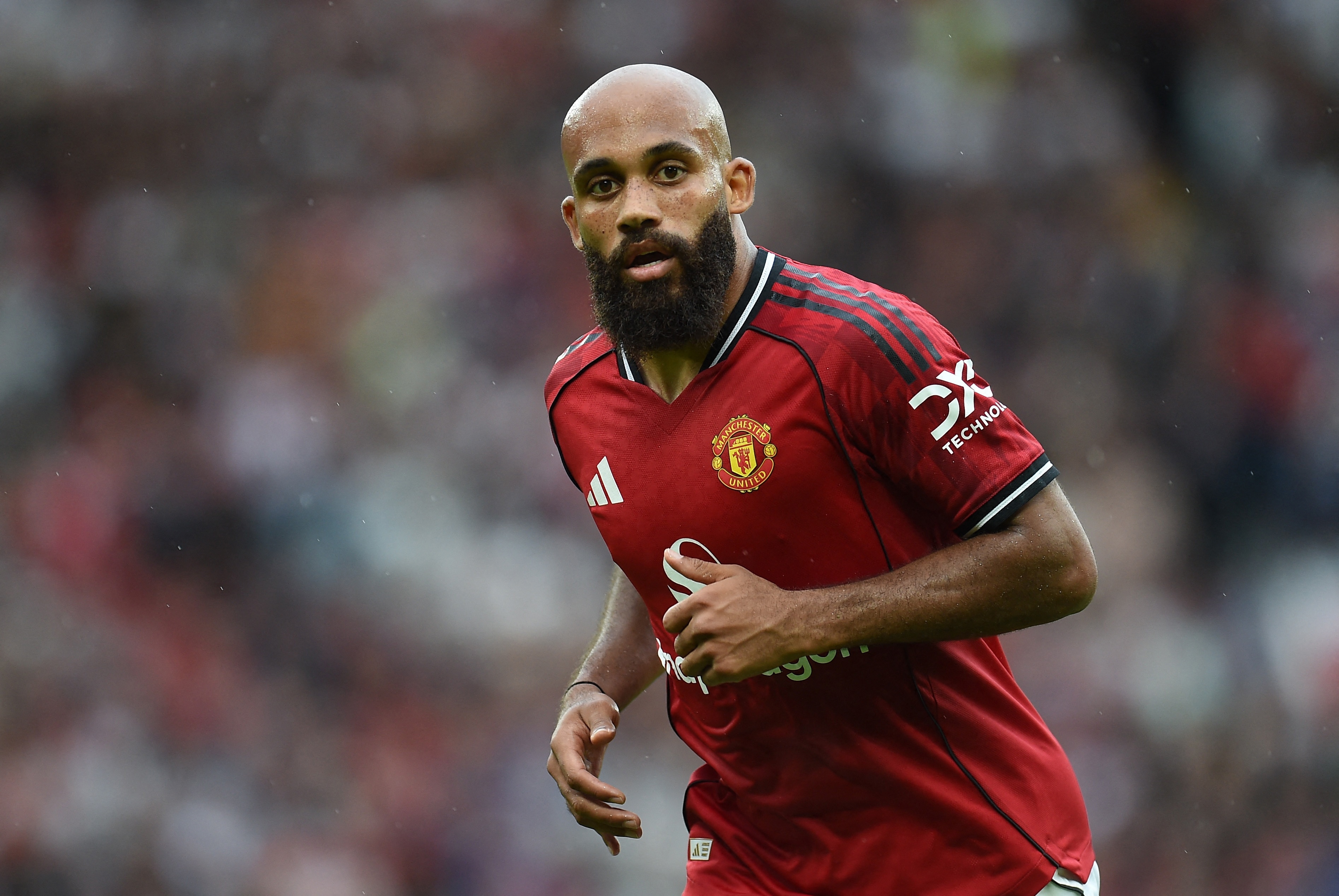
MU is spending big to improve the quality of their attacking line. |
This year, a record six English clubs are participating in the Champions League, expected to pocket an additional £40-200 million each. Chelsea and Man City will also benefit from the new Club World Cup.
Even domestically, clubs are accelerating their efforts to attract fans: Everton is building a new stadium, Leeds is raising season ticket prices by 14%, and Man City, Chelsea, and Fulham are expanding their VIP seating to attract "football tourists ." A money-making cycle is being created, ensuring clubs always have ample funds to invest in the transfer market.
The striker shortage and the spending spree.
It's no coincidence that the majority of the money is being poured into attacking players. Statistics show that 60% of the Premier League's total spending in the summer of 2025 will be focused on strikers, wingers, and attacking midfielders – a significant increase from 45% four years prior.
Manchester United single-handedly spent £207 million to rebuild their attack with Cunha, Mbeumo, and Sesko. Liverpool broke the record to acquire Isak. English clubs are not only buying stars, but also setting a new price benchmark for the whole of Europe.
Alongside the lavish party came the shadow of Profit and Sustainability Regulation (PSR). The new law forced clubs to sell players, and the easiest way to generate accounting profit was to sell… their own homegrown stars.
A player sold from an academy for £30 million will be recorded as a profit, while a player bought from elsewhere will only have the difference recorded. The consequence: the academy becomes a "profit center," while young players become "inventory." Children who grow up to play for their dream club are now often pushed out as a business transaction.
 |
Premier League clubs spend more than the rest of the world. |
While the Premier League is incredibly wealthy, the Championship is equally impoverished. In the last two years, all six clubs promoted have been immediately relegated. Understanding this harsh reality, Burnley, Leeds, and Sunderland have spent a combined £350 million this summer – a figure that would make even Serie A and the Bundesliga envious.
And with new recruits spending so heavily, the middle class has to spend even more to avoid being left behind. A full-blown "arms race" has begun.
Interestingly, most Premier League owners today no longer prioritize profit and loss. For them, football is a passion project or a long-term investment.
Many private funds view the club as a luxury asset, as long as the team remains in the Premier League – where even bottom-of-the-table finishes guarantee huge revenues. But the big question remains: is this a sustainable model, or just a bubble about to burst? With domestic broadcasting rights stagnating, with stricter PSR regulations, and with the cost of failure (relegation, missing out on European qualification) becoming prohibitively expensive, a single misstep could bring down a multi-billion pound project.
Despite lingering doubts, the current reality is undeniable: the Premier League is far ahead of the rest. Not only the top clubs, but even the "lower tiers" have the means to acquire stars who were once exclusive to European super-clubs.
On the pitch, this league remains one of the most fiercely contested. But off the pitch, it has become an absolute financial empire – and that's the kind of game European football has to accept.
Source: https://znews.vn/premier-league-tro-thanh-sieu-giai-dau-post1582046.html

![[Image] Nearly 125,000 Hanoi students completed the Literature exam for the 10th grade entrance exam.](https://vphoto.vietnam.vn/thumb/1200x675/vietnam/resource/IMAGE/2026/05/30/1780117233041_ndo_br_thiet-ke-chua-co-ten-2-png.webp)






















![[Photo] Admire the coral "masterpiece" amidst the million-year-old heritage of Dak Lak province.](https://vphoto.vietnam.vn/thumb/1200x675/vietnam/resource/IMAGE/2026/05/30/1780107638639_y25-jpg.webp)









































































Comment (0)