

Promoting Sustainability: How PUMA & Vietnam Can Move Forward Together
Vietnam's national goals – including the Net Zero 2050 commitment, the Green Growth Strategy, and new regulations on renewable energy, water management, and the circular economy – are fully aligned with PUMA's Science-Based Climate Goals and Vision 2030. This consensus on shared priorities has contributed to accelerating sustainable development in several environmental areas.
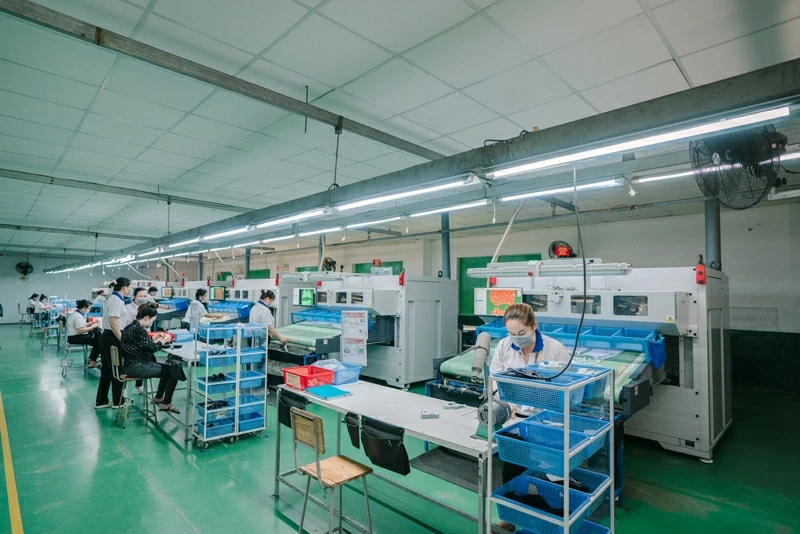 |
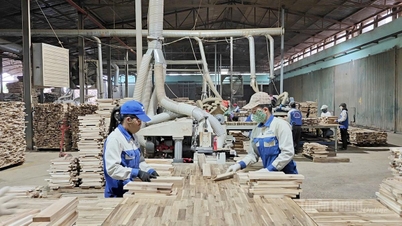
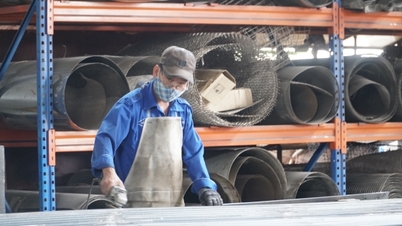
| Workers are seen working in a factory that supplies PUMA in Vietnam. |
Decarbonization and Renewable Energy
Vietnam has established a dynamic policy environment that encourages the procurement of renewable energy, a key contributor to PUMA's carbon emission reduction roadmap. By 2024, Vietnamese suppliers are expected to achieve a renewable energy utilization rate of up to 30%, exceeding PUMA's global average of 27%, clearly demonstrating their capacity for green growth and the modernization of energy systems within their factories.
Protecting clean water and managing chemicals
Vietnam has a national water resource management plan aimed at supporting the responsible use and protection of water resources. This plan is reinforced by stringent wastewater monitoring requirements and a robust legal framework for chemical management and pollution control. One of the highlights of Vietnamese regulations is the requirement for digital wastewater monitoring, under which factories are required to report real-time discharge data to national systems, significantly contributing to the improvement of water quality nationwide.
Environmental partnerships
PUMA collaborates closely with numerous domestic and international organizations to expand its environmental impact, including the Vietnam Textile and Apparel Association (VITAS), an independent organization that works with businesses and government ministries to promote the development of the textile and garment industry. Through policy dialogue, joint initiatives, and ongoing cooperation, VITAS helps guide sustainable development for the entire industry. The partnership between PUMA and VITAS ensures that the voice of businesses is reflected in the development of new strategies, policies, and guidelines. These efforts contribute to strengthening Vietnam's position as a leading nation in sustainable production.
The supply chain of the future
In terms of sustainability, Vietnam is currently considered one of the most developed and progressive legal environments in Asia. This foundation helps PUMA build a supply chain that not only minimizes negative environmental impacts but is also transparent and highly resilient. National policies encouraging clean energy production are also driving the growth of the domestic renewable energy industry.
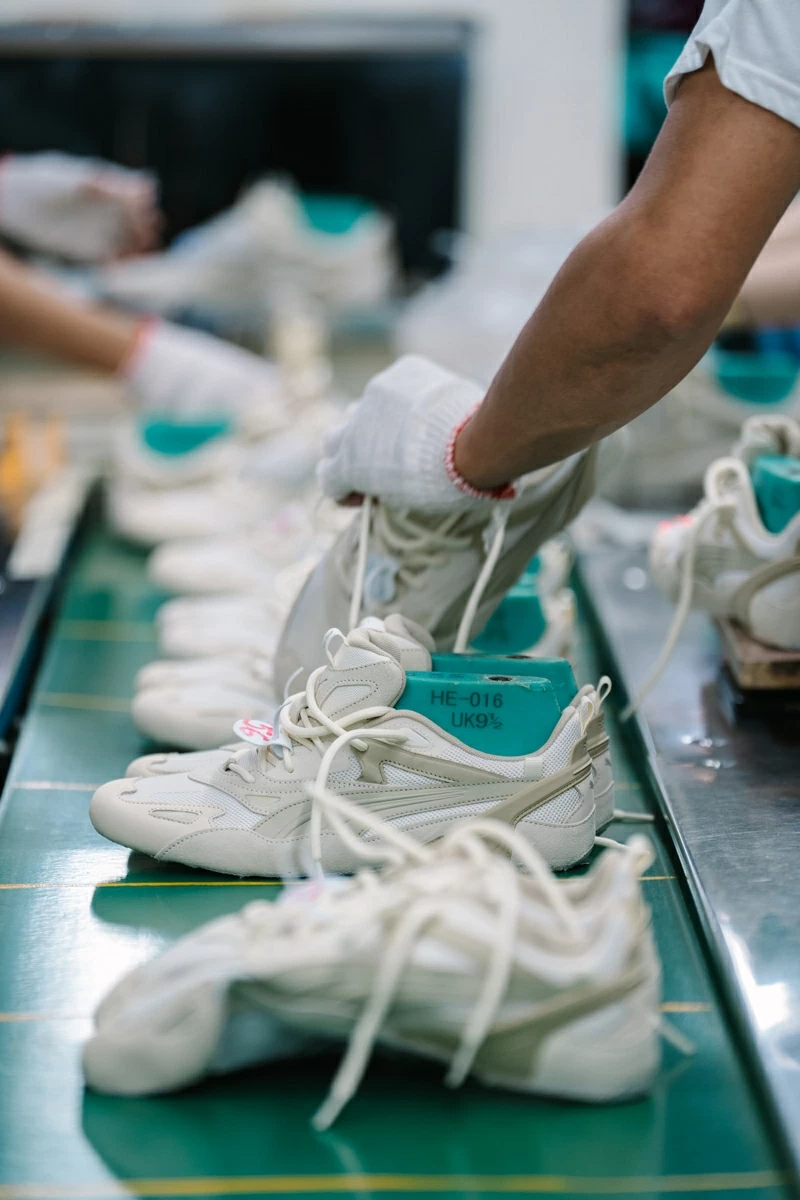 |
| PUMA shoe production line at a factory. |
Infrastructure design in Vietnam contributes to emission reduction, alongside systems requiring digitized reporting of environmental data, enhancing accuracy and accountability. Regulations promoting circular economy, recycling, and waste management have been widely implemented, and factories in the textile and footwear sectors generally maintain a strong compliance culture. PUMA has helped its suppliers in Vietnam develop climate targets, diversify their energy portfolios, and adopt international standards. All these efforts are contributing to the formation of a supply chain capable of facing future environmental challenges.
Innovation in Every Movement: Vietnam's Next Stage of Development
The 35th anniversary of the Vietnam-European Union partnership is an opportunity to highlight the importance of technological progress and policy consensus in the comprehensive transformation of global value chains. For PUMA, Vietnam plays a central role in this process – not simply as a production location, but truly as fertile ground for proactive initiatives shaping the future of environmental performance in the footwear and textile industries.
A recent step forward is Vietnam's implementation of the Direct Power Purchase Agreement (DPPA), allowing suppliers to accelerate the adoption of renewable energy. Technological innovations are also being accelerated. For PUMA, one of the most promising areas of development is industrial thermal electrification. PUMA is supporting feasibility studies on the deployment of heat pump solutions at four Tier 2 textile factories to assess the potential replacement of traditional heating systems, thereby reducing emissions and improving production efficiency.
At the policy level, Vietnam's Environmental Protection Law is driving a strong shift toward a digital monitoring model. Large-scale textile factories are now required to install systems to continuously monitor and report wastewater discharge data to government management platforms. This approach enhances transparency and aligns with international standards such as the ZDHC Wastewater Guidelines, contributing to the strengthening of clean water systems and ensuring higher levels of environmental compliance and management across the industry.
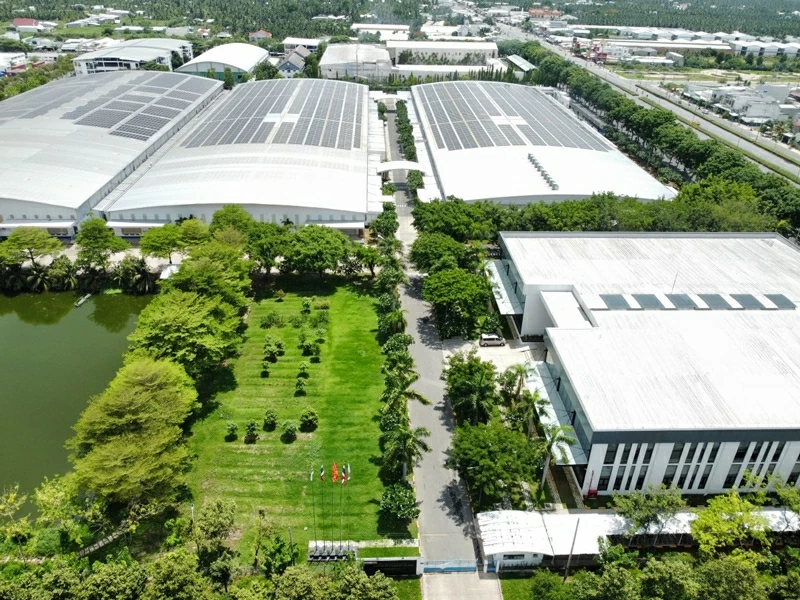 |
| Solar panels at a PUMA supplier facility in Vietnam. |
The collaboration between PUMA and Vietnam demonstrates that superior quality and rigorous environmental standards can absolutely coexist. This shows the potential for achieving lasting and substantial progress when governments, businesses, and communities share common goals.
Source: https://baoquocte.vn/puma-viet-nam-cung-nhau-phat-trien-ben-vung-339613.html





![[Image] Hanoi's urban life under the challenge of a "scorching hot" environment](https://vphoto.vietnam.vn/thumb/1200x675/vietnam/resource/IMAGE/2026/05/25/1779706979265_nang-nong-t5-2026-minh-duy-7-4636-jpg.webp)





































































Comment (0)