

Non-traditional security threats around the world are also prevalent in Vietnam, with extremely serious consequences, highlighting the need for proactive prevention and response.
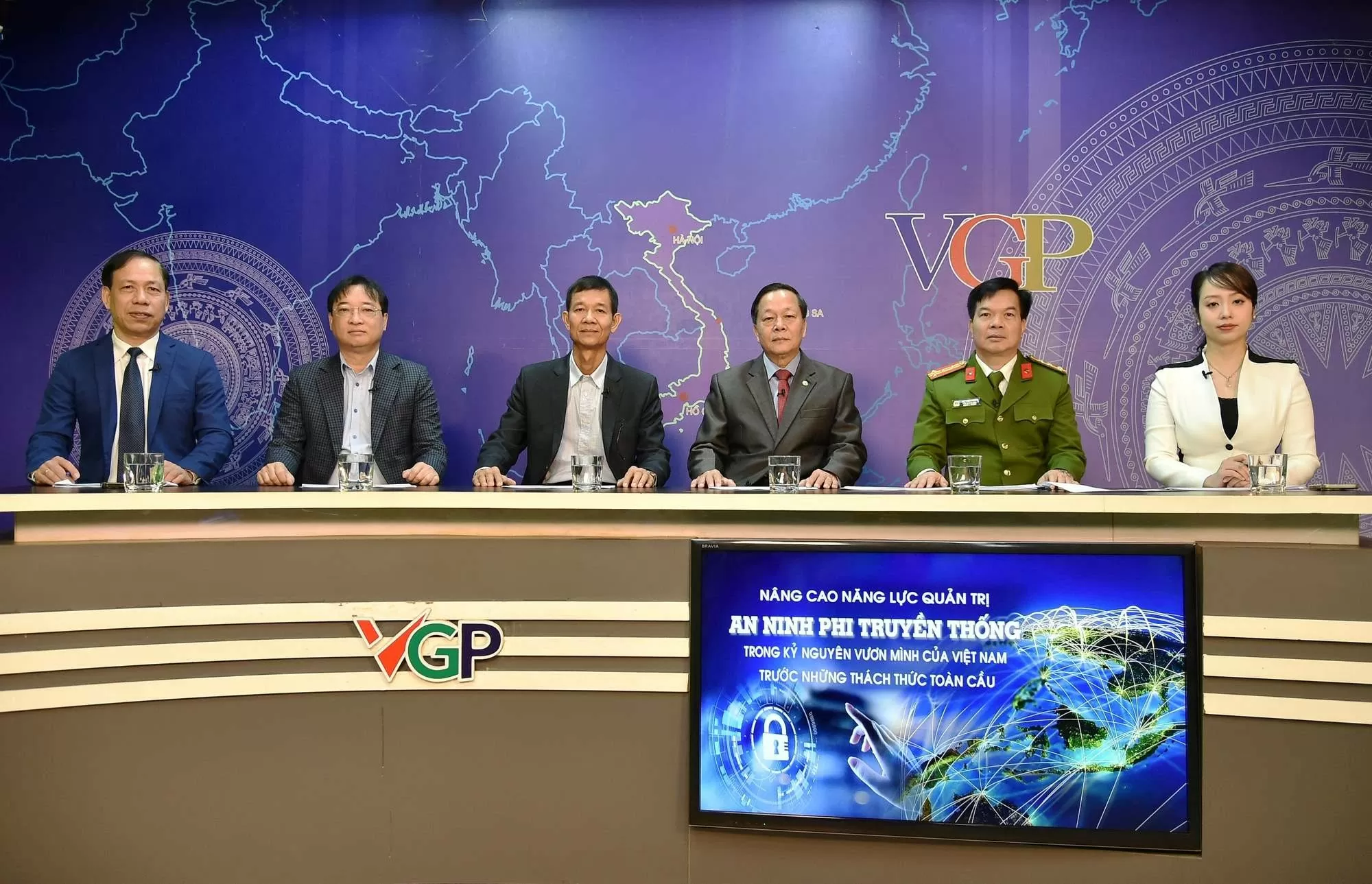 |
| The seminar aims to raise awareness and responsibility throughout society, at all levels and in all sectors, especially among leading and managerial officials in both the public and private sectors, in ensuring non-traditional security. |
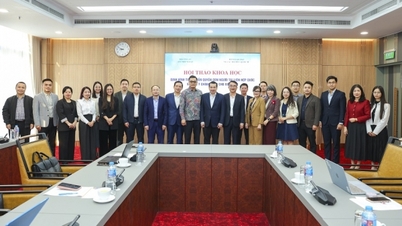
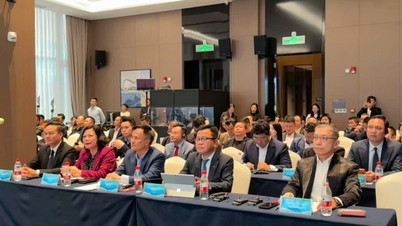
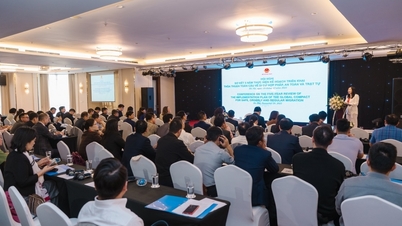
On the morning of November 21st, the Government's Electronic Information Portal organized a seminar on the topic "Enhancing non-traditional security governance capacity in the era of Vietnam's rise in the face of global challenges".
The seminar featured the following guests: Lieutenant General, Professor, Doctor Nguyen Xuan Yem, Director of the Institute of Non-Traditional Security, School of Management and Business, Vietnam National University, Hanoi; Associate Professor, Doctor Hoang Dinh Phi, Rector of the School of Management and Business, Vietnam National University, Hanoi; Colonel, Doctor Do Tien Thuy, Deputy Director of the Tuyen Quang Provincial Police; Mr. Nguyen Van Su, Deputy General Director of Vietnam Petroleum Corporation Petrolimex ; and Mr. Luu Van Vinh, economic security expert, former Deputy Head of the Economic Security Department, Hai Phong City Police.
Identifying risks
Lieutenant General, Professor, Doctor Nguyen Xuan Yem stated that non-traditional security is essentially an extension of national security, of traditional security, and constitutes an additional part of the overall national security in the current context. Through research, there are approximately 30 emerging non-traditional security threats that have emerged, are emerging, and will continue to emerge in the current period. Among them, there are 5 emerging threat groups that need attention, including: (1) Transnational crime; (2) Vietnam's economic security; (3) environmental security, water security; (4) health security, medical security; (5) threats to cybersecurity and social network security.
“During the COVID-19 pandemic, the State estimated the damage caused by the pandemic at 500,000 billion VND. And during the recent Typhoon Yagi, Yen Bai province's total revenue for 2023 reached 4,100 billion VND, but after only one week of storms, floods, landslides, etc., Yen Bai province suffered losses of up to 4,600 billion VND,” Professor Nguyen Xuan Yem cited as an example.
Citing local examples, Colonel Dr. Do Tien Thuy stated that Tuyen Quang recently faced five non-traditional security risks and challenges. The Yagi typhoon, which hit the northern provinces (September 2024), clearly demonstrated the risks to water security and environmental hazards. During that typhoon, Tuyen Quang was one of the provinces facing widespread flooding and heavy rainfall, and for the first time, the Tuyen Quang Hydropower Plant had to open all eight spillway gates. Following the storm and floods, five people died, six were injured, houses collapsed, and crops were damaged; after the floodwaters receded, the risks to disease, healthcare, and the environment became very apparent…
"This shows that we must proactively address and prevent non-traditional security challenges and risks early and from afar," said Colonel Dr. Do Tien Thuy.
In Hai Phong, Mr. Luu Van Vinh, an expert in economic security and former Deputy Head of the Economic Security Department of the Hai Phong City Police, observed: Vietnam's non-traditional security challenges all appear in Hai Phong; it can be said that this is a locality with very typical non-traditional security challenges.
Firstly, there is the challenge of climate change, especially after Typhoon Yagi passed through, with Hai Phong being a major center of damage. Secondly, environmental issues include oil spills, chemical incidents, fires and explosions, and maritime accidents, particularly given the city's large volume of trade and import/export activities. Thirdly, there is the issue of crime, not only traditional crimes but also international crime, transnational crime, high-tech crime, and cybercrime.
“Through practical experience, we have established many special cases and successfully solved cases involving online fraudsters, arresting both Vietnamese and foreign nationals, not only within Hai Phong City but also in other localities. In 2019, the Hai Phong Police coordinated with the Ministry of Public Security to crack a very large case, arresting nearly 400 foreigners involved in international gambling, with an estimated amount of approximately 11,000 billion VND. This is also a very new type of activity that needs to be identified,” said Mr. Luu Van Vinh.
From the business perspective, Mr. Nguyen Van Su, Deputy General Director of Vietnam National Petroleum Group, shared: Vietnam National Petroleum Group is supplying the market with 12-14 million cubic meters/tons of petroleum products annually, of which about 10 million cubic meters/tons are sold in the domestic market. Therefore, the risks and challenges that this enterprise faces daily are significant, including non-traditional security factors.
"For example, during a fuel supply disruption like in 2022, importing businesses incurred losses and couldn't sell their fuel, so all the excess went to Petrolimex, forcing us to sell significantly more than our production capacity. Without risk management and safety management, gas stations would become hotspots for social disorder and insecurity," Mr. Nguyen Van Su explained.
 |
| Participants in the seminar emphasized that non-traditional security is essentially an extension of national security. |
Effective response
Discussing solutions to address non-traditional security threats, Associate Professor Dr. Hoang Dinh Phi suggested the first solution: strengthening communication efforts at all levels, from central to local government, especially organizations, businesses, and grassroots units where significant risks can originate, preventing small sparks from escalating into large fires that threaten the non-traditional security of individuals and people.
Secondly, there must be systematic research programs from the central to local levels; thirdly, the management of science and technology must be strengthened to be fast and effective; fourthly, the human factor needs to be properly educated, ethical, possess good qualities, and have the determination to protect people and the nation.
Regarding non-traditional security issues at the enterprise, Mr. Nguyen Van Su stated: For businesses dealing in petroleum products, incidents related to fires, explosions, and fuel, if not properly controlled, can cause significant safety risks and impacts. Therefore, to prevent risks, Petrolinex focuses on three key factors:
Firstly, the infrastructure system is affected by climate change and safety incidents at warehouses and ports, all impacting petroleum products. Secondly, in addition to a well-invested infrastructure system, the Group pays great attention to human resource training, including awareness, mindset, and skills, starting from practical experience, with systematic and in-depth training programs. Thirdly, current institutions and regulations must be specific and consistent from the highest leadership down to the workers; there must be regulations for inspection and control.
According to Professor Nguyen Xuan Yem, non-traditional security differs from traditional security in its focus on identifying and managing risks not only at the individual and family level, but also extending to agencies, organizations, businesses, localities, and the nation. This is a comprehensive challenge, requiring multi-faceted coordination to develop effective prevention and response solutions.
Firstly, assess and propose timely solutions to address new challenges in the context of increasingly complex non-traditional security threats. Secondly, train high-quality human resources. Thirdly, promote the identification and proposal of preventive and response solutions to non-traditional security threats.
“We expect the State, and specifically the Ministry of Science and Technology, to pay attention to and implement a key national science program on non-traditional security. This program will not only create a solid scientific basis for further research, but also promote the development of sustainable policies and strategies, contributing to ensuring national security and stable development in the new context.”
Furthermore, another crucial issue is focusing on human resource training and strengthening public awareness campaigns. Improving the awareness and professional capacity of staff is key to effectively responding to new challenges in the increasingly complex context of non-traditional security.
Ultimately, Vietnam cannot solve non-traditional security challenges on its own but needs to strengthen international cooperation and enhance coordination among domestic ministries and agencies. Only with concerted efforts at both national and international levels can we proactively respond to increasingly complex and unpredictable risks.
“In short, traditional security and non-traditional security, although two different fields, are essentially a unified whole. Both aim at the common goal of ensuring national security and promoting sustainable development,” said Professor Dr. Nguyen Xuan Yem.
Source


![[Photo] Prime Minister Pham Minh Chinh attends the Conference on the Implementation of Tasks for 2026 of the Industry and Trade Sector](/_next/image?url=https%3A%2F%2Fvphoto.vietnam.vn%2Fthumb%2F1200x675%2Fvietnam%2Fresource%2FIMAGE%2F2025%2F12%2F19%2F1766159500458_ndo_br_shared31-jpg.webp&w=3840&q=75)






























































































Comment (0)