

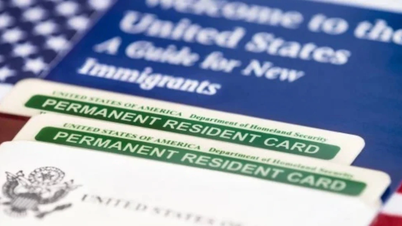
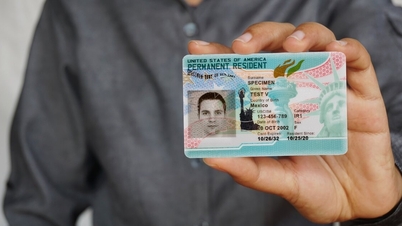
The U.S. Citizenship and Immigration Services (USCIS) announced on May 22 that foreign nationals currently in the U.S. who wish to apply for permanent residency (green card) will need to leave the U.S. and return to their home country to submit their application, with the exception of certain special cases that have not yet been specified.
Immediately, immigration lawyer Flavia Santos Lloyd's phone rang incessantly as her clients expressed their concerns about the implications of the new policy. Lloyd wasn't sure how to answer them, but she knew the change would slow down the processing of green card applications.
"This is causing apprehension. We have a number of cases ready to be processed, but now I see clearly that we should wait and see how things unfold," she said.
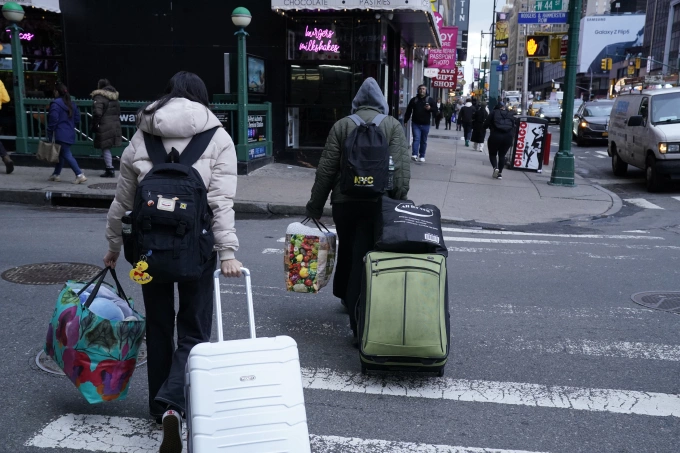
This policy, which has the potential to affect hundreds of thousands of green card applicants in the U.S. each year, is seen as part of the Trump administration's shift toward legal immigration pathways, after having focused largely on processing undocumented immigrants in the U.S. since last year, according to AP commentator Rebecca Santana.
For over half a century, legally residing foreigners have been allowed to apply for and complete the entire green card (permanent resident) application process right in the United States. This group includes those married to U.S. citizens, holders of work or student visas, refugees, political asylum seekers, and many others.
However, with the new announcement from USCIS, this has changed. These individuals will have to return to their home country, submit their applications at the local US consular office, and wait for approval. They will not be able to appeal or file a complaint if their application is rejected by a consular official.
USCIS also issued a more detailed memo to guide its case review officers. Immigration experts say this memo contains more complex information, creating ambiguity about the scope of the new regulations.
The Department of Homeland Security said on May 27 that the change would not prevent anyone who is "legally and properly" eligible for a green card, although it would require some to apply outside the United States. The department said the policy would "have no significant impact on highly qualified applicants and skilled professionals who have always complied with the law."
In a blog post explaining the new policy, immigration law firm Boundless Immigration stated that its officers are being instructed to "apply discretionary standards more strictly." However, they argued that this regulation does not completely end the process of changing residency status for "eligible applicants," depending on the type of visa they hold.
Shev Dalal-Dheini, senior director of government relations at the American Immigration Lawyers Association, said the new policy could target those overstaying their visas, such as parents of U.S. citizens who remain after their visas expire, employees of a company transferred to the U.S., or those in the country on visas for clergy and religious officials.
"It appears they are targeting people who are overstaying their permitted period of stay in the United States," she said.
Kevin Miner, an associate at the immigration law firm Fragomen, said he expects those using employment-based visas, such as the H-1B, to be exempt. This is a category of visas known as "dual-intent," which allows non-immigrant visa holders to apply for a green card. The memo also clarifies that dual-intent visas may be subject to this exception.
"These are likely the cases that will continue to go through the normal review process, and we won't see any significant impact," Miner stated.

Matthew Soerens, a member of the organization World Relief, which helps resettle refugees in the U.S., said the wording in the memo refers to cases where immigrants must change their residency status in the U.S. This led Soerens to hope the new policy would not apply to refugees.
Soerens added that refugees, who are fleeing violence in their home countries, meet a specific set of criteria for admission to the U.S. after a lengthy vetting process. They are required to go through the green card application process one year after arriving in the U.S. and cannot return home due to the risks they may face there.
However, those who entered the U.S. on temporary entry visas for humanitarian reasons could also be affected, according to Soerens. Many of these individuals may already have family in the U.S. or be married to a U.S. citizen, allowing them to qualify for a green card. However, the application process could now become more complicated.
Dalal-Dheini said that in the current circumstances, it is difficult to give general legal advice to everyone. "It would be a very specific issue and would have to be considered on a case-by-case basis," she said.
The American Immigration Lawyers Association said that some people who participated in green card interviews under the new guidelines on May 26 faced questions they had never encountered before.
A person applying for a green card through marriage to a U.S. citizen was asked why they applied for adjustment of status in the U.S. instead of returning to their home country and applying at the embassy there. They were also asked if there were any factors preventing them from returning to their home country to apply, and whether they still had family there.
Another individual was asked to submit a form demonstrating why they should be allowed to apply in the U.S. and was told they had to prove they would not become a financial or "social burden" on the U.S. This evidence could include their 2025 tax returns, letters from their employer confirming their pay, and bank statements.
On May 26, attorney Lisa Seifert accompanied one of her clients to the U.S. Department of Homeland Security building in Tukwila. This is where people go to handle immigration procedures with the federal government, including those seeking green cards while already in the U.S.
"Everyone was more anxious than usual. Everyone wanted to know if they would have to face these new vetting questions," Seifert recounted.
According to the Washington Post, the U.S. issues more than one million green cards each year, and to date, more than half of the applicants are already present in the U.S.
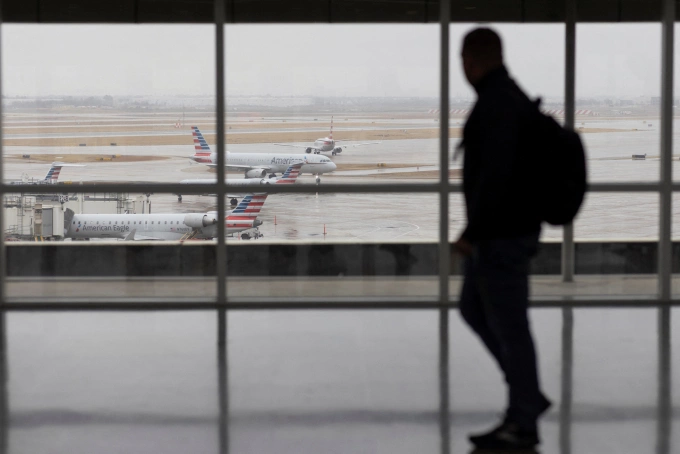
Immigration lawyer Karol Brown said that since the beginning of this week, many clients have contacted her to ask how the policy changes will affect them and whether they will be able to stay.
"The confusion and anxiety are real. The new regulations are impacting people's lives, their ability to be with loved ones and do their dream jobs, and employers' right to secure staff for critical positions here," Brown said.
Ms. Lloyd said, "I don't want people to panic. My advice to them right now is to be patient and see what happens."
( According to vnexpress.net )
Source: https://baodongthap.vn/quy-dinh-moi-phu-bong-len-giac-mo-the-xanh-my-a241429.html


![[Video] Sunset at Lap An Lagoon – Where the sun sets over the fishing nets](https://vphoto.vietnam.vn/thumb/1200x675/vietnam/resource/IMAGE/2026/05/31/1780192137701_beach-landscape-sea-water-nature-grass-745871-pxhere-com.jpeg)


















![[Video] Sunset at Lap An Lagoon – Where the sun sets over the fishing nets](https://vphoto.vietnam.vn/thumb/800x450/vietnam/resource/IMAGE/2026/05/31/1780192137701_beach-landscape-sea-water-nature-grass-745871-pxhere-com.jpeg)














































![[Video] Sunset at Lap An Lagoon – Where the sun sets over the fishing nets](https://vphoto.vietnam.vn/thumb/402x226/vietnam/resource/IMAGE/2026/05/31/1780192137701_beach-landscape-sea-water-nature-grass-745871-pxhere-com.jpeg)




























Comment (0)