

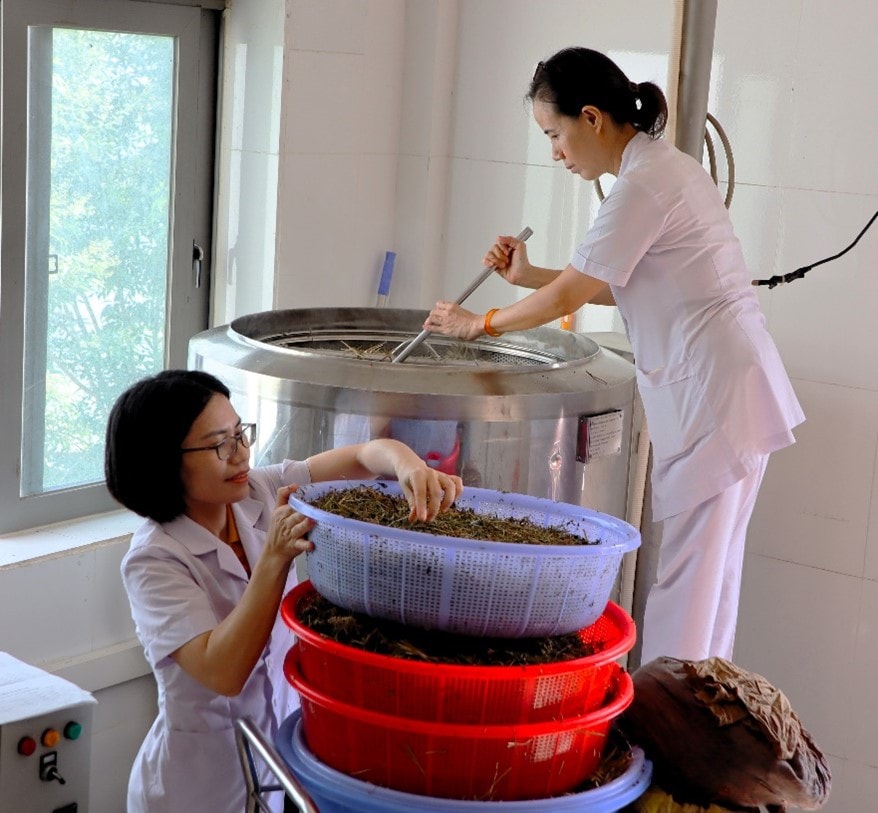
Every morning, pharmacist Tran Thi Minh Nguyet leisurely walks through the quiet, fresh, and cool space of the hospital grounds, along the corridor on the left filled with the aroma of traditional Vietnamese and Chinese medicine, before returning to her office. She still prefers to call the rooms where she has worked for 26 years, where she has been dedicated to preparing and cooking medicine, "The Herbal House," rather than its administrative name: Pharmacy Department - Da Nang Traditional Medicine Hospital, because it always evokes the rich scent of herbs and medicinal plants found in the gardens of the Vietnamese countryside.
Entering the age of "knowing one's destiny"
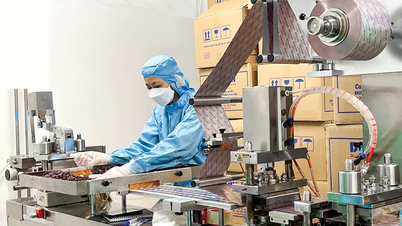
Unlike other departments and offices, the Pharmacy Department possesses a surprisingly tranquil atmosphere. Only the gentle movements of white-coated figures can be heard amidst the low humming of centrifuges used for coating and compressing tablets, the soft murmur of boiling herbal decoction furnaces, and the clicking of machines packaging freshly brewed liquid medicines… all combining to create a harmonious symphony of time falling softly each day.
I followed pharmacist Minh Nguyet through the preparation, brewing, and storage rooms from the ground floor to the second floor to experience the "House of Herbs." "The Pharmacy Department brews nearly 1,200 doses of medicine daily, weighing over 150 kg, according to doctors' prescriptions for patients being treated in the departments. That's not including the extracts and pills produced according to traditional recipes...", the pharmacist's voice echoed like clear musical notes along the quiet corridor.
A person reaching the age of 50 is considered to be "knowing their destiny," and the Pharmacy Department of the Da Nang Traditional Medicine Hospital also "knows their destiny" in a certain sense, since its establishment alongside the Quang Nam - Da Nang Traditional Medicine Hospital in October 1976.
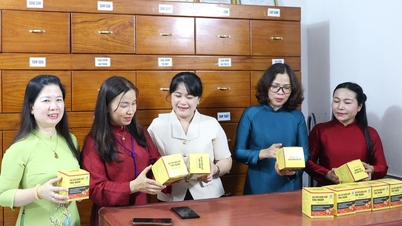
To date, Da Nang Traditional Medicine Hospital has become a Grade II specialized hospital, receiving more than 1,000 inpatients and outpatients daily. The Pharmacy Department has collaborated with doctors to conduct scientific research at various levels, developing numerous technical innovations to produce new traditional medicine preparations that are of high quality and effective in treatment. Currently, the Pharmacy Department is equipped with a GSP (Good Storage Practice) drug warehouse system and a traditional medicine production area with modern, high-capacity machinery, ensuring efficient preparation.
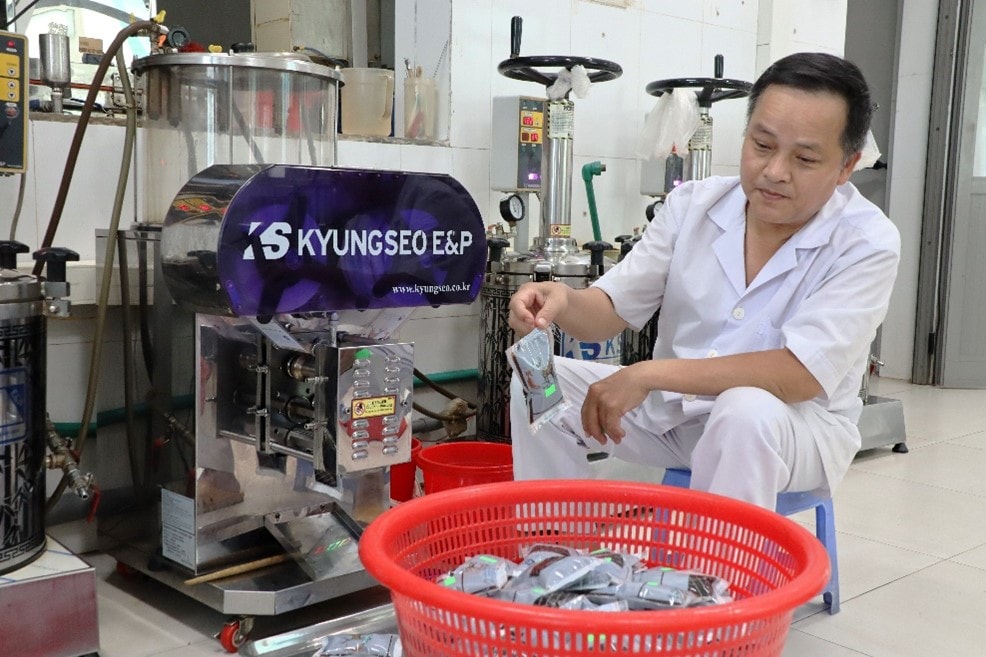
Experience the medicinal aroma from the bubbling sound in the stove.
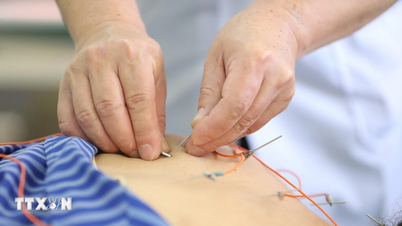
From the Traditional Medicine Hall within the hospital grounds, sunlight bathes the blooming roses lining the entrance. Upon entering the hospital, patients not only receive examinations, prescriptions, and herbal remedies from doctors, combined with traditional medicine procedures such as acupuncture, acupressure, electrotherapy, moxibustion, and spinal stretching, but also treatment with herbal decoctions prepared and processed by the Pharmacy Department.
The scent of laurel wafts through the hospital grounds, a subtle, meditative aroma that soothes the soul. My heart swells with admiration as I watch the doctors and pharmacy staff quietly working wonders with the finest herbs from Mother Earth, contributing to calming and regenerating positive energy, restoring inner balance so that people can have a healthy body and a peaceful mind.
Pharmacist Tran Thi Ai Lan, while watching the boiling herbal decoction system, told me: "Making traditional medicine is hard work, with many manual steps and the ability to sense each herb, listening to the bubbling sounds in the furnace. Now there are machines operating, but the heart and soul of the practitioner are very important. Not to mention, on days when the outside temperature reaches 40 degrees Celsius, the drying cabinet is scorching hot, washing hundreds of kilograms of medicinal ingredients every day, or sitting all day by the furnace boiling the herbal decoction for packaging – it's not pleasant at all..."
Around noon, a truck carrying medicinal herbs pulled into the back corridor, preparing to be stored. Curious, I asked, "Besides herbal and mineral remedies, does the hospital use products from wild animals?" Pharmacist Minh Nguyet replied sweetly, "Yes, decades ago, traditional medicine used some products from wild animals. However, this consumption is now strictly prohibited by law. Many modern medical studies also show that products like rhinoceros horns, pangolin scales, or bear bile do not have the medicinal effects that folk beliefs once held. Medical experts recommend using alternative medicinal herbs to protect the ecosystem. The Da Nang Traditional Medicine Hospital, in particular, has collaborated with TRAFFIC (Wildlife Trade Monitoring Network) in its communication efforts, and this has been fully implemented..."
It was only eight o'clock in the morning, but the sun was already streaming into the hospital corridors, casting slanted patches of sunlight along the walkways. From the door of the herbal medicine preparation room, nurses returned after receiving the herbal decoctions for the various departments and wards, their small trolleys laden with fragrant herbal medicine bags.
Each course of treatment lasts 18 to 21 days, during which time patients take medication prepared or processed into pills by the Pharmacy Department... One thing is certain: as a Grade II specialized hospital, receiving more than 1,000 inpatients and outpatients every day, the daily work of the healthcare workers in the Pharmacy Department of Da Nang Traditional Medicine Hospital is anything but idle.
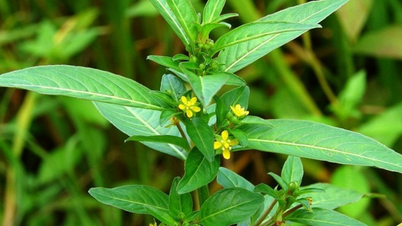
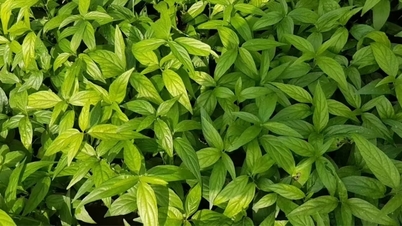
The wonders of nature's plants and trees.
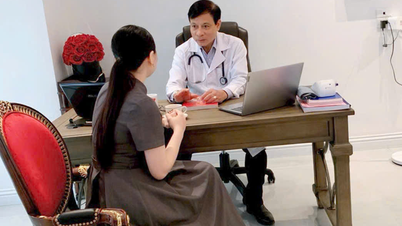
Sitting beside a cup of sweet, fragrant tea, subtly scented with herbs, prepared by the Pharmacy Department, the Distinguished Physician, Specialist Doctor Nguyen Van Anh, Director of the Da Nang Traditional Medicine Hospital, leisurely chatted: “Traditional medicine not only treats the body and mind but also uses purely natural medicinal ingredients, causing few side effects. That is why more and more people are choosing the Traditional Medicine Hospital as their destination for treatment…”
In his works "Nam Duoc Than Hieu" and "Hong Nghia Giac Tu Y Thu," the renowned physician Tue Tinh (14th century) affirmed that using Vietnamese herbs was suitable for the soil and climate conditions to treat diseases in Vietnam.
However, the hospital's current supply of medicinal herbs is mainly imported from the North (China). When I raised this concern, physician Phan Cong Tuan, who used to write the column "Recipes and Precious Medicines" in the Da Nang Weekend newspaper, calmly added: "Southern medicine and Northern medicine are colloquial terms used to distinguish the origin of the medicinal herbs, not their effectiveness or strength. The hospital's current supply of medicinal herbs is mainly imported from China because it meets the hospital's needs in large quantities, through bidding and rigorous testing, rather than the small amounts of Southern medicine grown and harvested by people in nature..."
Several years ago, I visited the Suoi Hoa Charity Nursing Home (formerly Hoa Phu commune) many times and heard traditional medicine practitioner Huynh Su recount his trips to gather medicinal herbs in the mountains and forests of Hoa Bac, Hoa Ninh, Hoa Phu, Son Tra… Now, the mountains and forests have shrunk, so those trips have become less frequent. Small-scale medicinal herb gardens lack sufficient variety, and are nowhere near enough to meet the "enormous" needs of hospitals and Traditional Medicine departments in Da Nang. Therefore, the medicinal herb gardens at hospitals only serve the needs of students and doctors for visits, learning, and research.
Interestingly, the medicinal herb garden at Da Nang Traditional Medicine Hospital is also a place for patients to stroll and relax, hence it's called the Therapy Garden. In the fresh, slightly earthy scent of herbs, each person's soul feels purified.
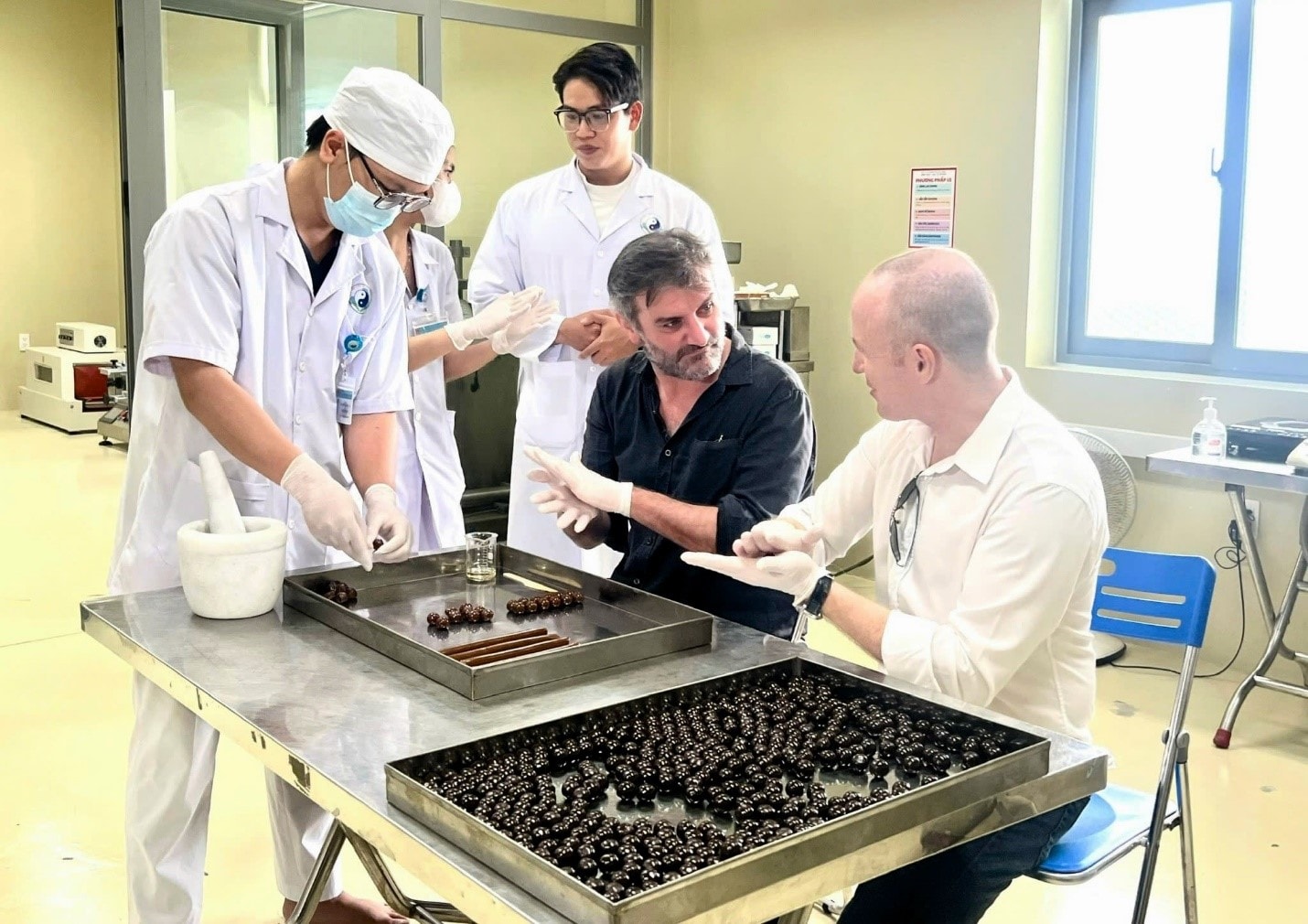
I suddenly remembered the documentary photo of two patients participating in the Medical Tourism program – Nicolas Vitte (France) and Paul Allen Benavides (USA) – happily using their hands to "experience" making herbal medicine, which pharmacist Minh Nguyet sent me the other day. Many foreign tour groups, when visiting Da Nang, not only enjoy sightseeing and learning about the culture of Quang Nam province, but also like to experience the mysterious Eastern medicine through massage, acupressure, herbal baths, etc. – things that foreign tourists have only seen in movies until now.
That morning, like a child, I followed physician Phan Cong Tuan to the various departments and wards of the hospital to witness firsthand the examination and treatment activities of a 50-year-old Traditional Medicine Hospital in this city at the confluence of rivers and the sea. The hospital's spacious, green, and fragrant atmosphere, filled with the scent of medicinal herbs, completely eliminated the typical ether and disinfectant smells found in other medical facilities. According to physician Tuan, although treatment now combines Eastern and Western medicine, the essence of Traditional Medicine remains acupuncture, acupressure, and the use of medicines prepared and processed by the pharmacy department.
And the Pharmacy Department of the Da Nang Traditional Medicine Hospital, situated by the Cam Le River, is like a "herbal home," quietly performing miracles from the plants of nature, contributing to the regeneration of positive and peaceful energy for each patient.
Source: https://baodanang.vn/ngoi-nha-thao-duoc-ben-song-cam-3338788.html
![[Video] Sunset at Lap An Lagoon – Where the sun sets over the fishing nets](https://vphoto.vietnam.vn/thumb/1200x675/vietnam/resource/IMAGE/2026/05/31/1780192137701_beach-landscape-sea-water-nature-grass-745871-pxhere-com.jpeg)











![[Video] Sunset at Lap An Lagoon – Where the sun sets over the fishing nets](https://vphoto.vietnam.vn/thumb/800x450/vietnam/resource/IMAGE/2026/05/31/1780192137701_beach-landscape-sea-water-nature-grass-745871-pxhere-com.jpeg)






































![[Video] Sunset at Lap An Lagoon – Where the sun sets over the fishing nets](https://vphoto.vietnam.vn/thumb/402x226/vietnam/resource/IMAGE/2026/05/31/1780192137701_beach-landscape-sea-water-nature-grass-745871-pxhere-com.jpeg)






















Comment (0)