

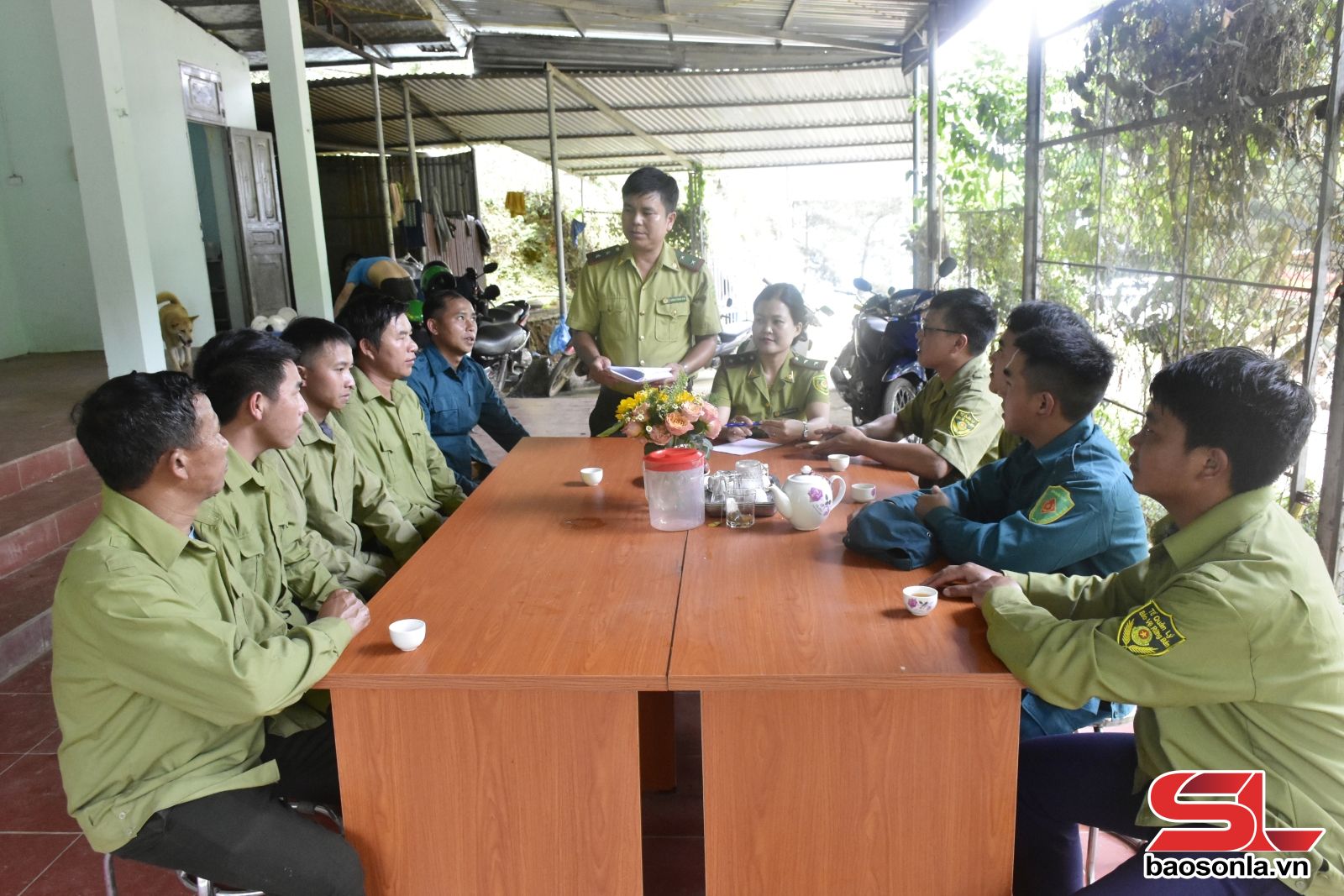
Livelihoods from the forest
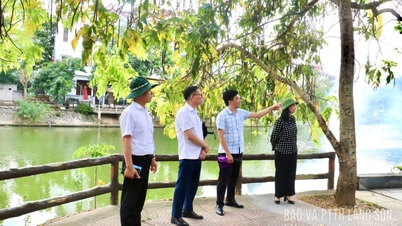
Suoi To welcomed us with the characteristic cool air of the highlands. Life here is different now than it used to be, no longer burdened by the hardships of the remote and isolated highlands of the past. The commune center, offices, and schools are well-maintained, and the sounds of children playing fill the air. But the brightest highlight is that Suoi To now has over 9,886 hectares of forested land, of which over 9,313 hectares are natural forest and nearly 500 hectares are planted forest. The forest cover rate reaches 55.7%, placing it among the localities with the largest forest area in Son La province. In the current forest structure, special-use forests account for nearly 6,000 hectares, with the remainder being protection forests and production forests. These figures show the enormous potential for Suoi To to develop its economy while protecting and sustainably exploiting forest resources.
While in the past, many households maintained the practice of slash-and-burn agriculture and spontaneously exploited natural forest products, now, forest conservation has become a responsibility intrinsically linked to the long-term livelihood of each family. Mr. Nguyen Hoang Hai, Head of the Economic Department of Suoi To Commune, stated: Suoi To is a highland commune with 11 villages and a population of over 6,300 people, mainly ethnic Mong people. With its cool climate, high humidity, and suitable soil, the locality has many advantages for developing economic models under the forest canopy, such as Shan Tuyet tea, medicinal herbs, livestock farming, and forest environmental services. This is an important foundation for the commune to guide its people towards developing a green economy in the coming period.
From the commune center, after traveling more than ten kilometers along winding mountain roads, we arrived at Tro village, home to 140 households with 825 inhabitants, nestled amidst relatively unspoiled natural forests. Mr. Vang A Vu, Party Secretary and Head of Tro village, shared: "The entire village manages and protects approximately 150 hectares of forest. Each year, the villagers receive about 30 million VND in forest environmental service fees. This money is used to support forest patrols, care, and protection, and is distributed among participating households. Thanks to the forest environmental service payment policy, people's awareness of forest conservation has improved significantly."
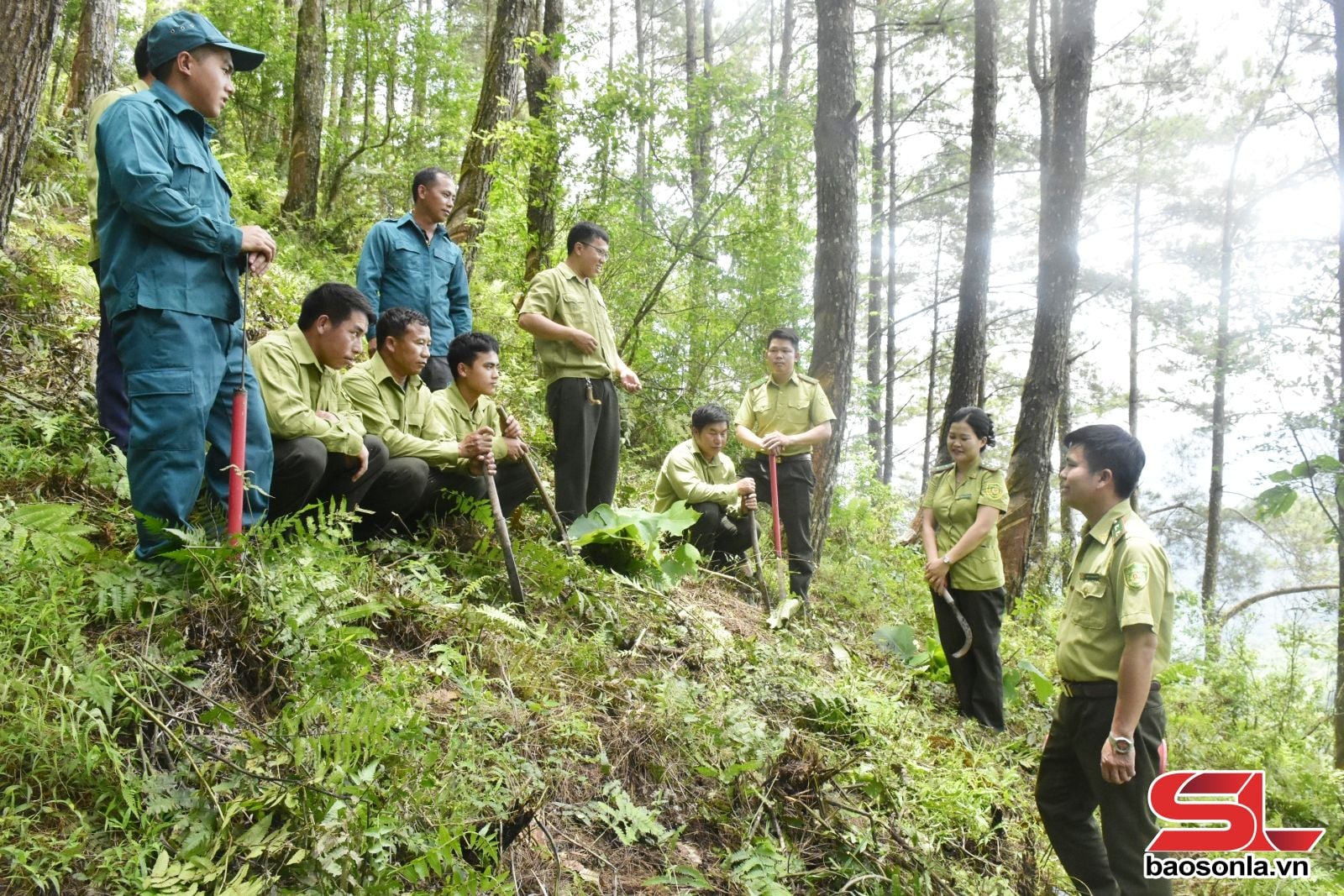
Besides income from forest protection contracts, the people of Tro village are also proactively developing livelihoods under the forest canopy. Over the past two years, the forest rangers have provided pine saplings to households; in 2025, they will continue to support each household with 15 saplings of the "dổi nếp" variety to develop a sustainable economy. The villagers also cultivate about 3 hectares of bamboo shoots, creating an additional source of stable income.
Keep the color green forever.
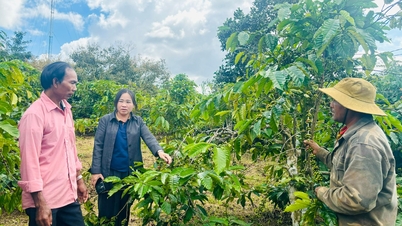
In Suoi To, alongside the forest, there are 20 hectares of Shan Tuyet tea plantations, of which 5 hectares are newly planted. Income from tea cultivation has reached an average of 90 million VND per household per year – a dream figure for the people in the highlands. In Suoi Khang village, many areas of ancient tea trees are being cared for by the people in a safe manner. The local government is implementing procedures to develop OCOP (One Commune One Product) products for Suoi Khang Shan Tuyet tea, gradually forming a distinctive brand for the highlands.
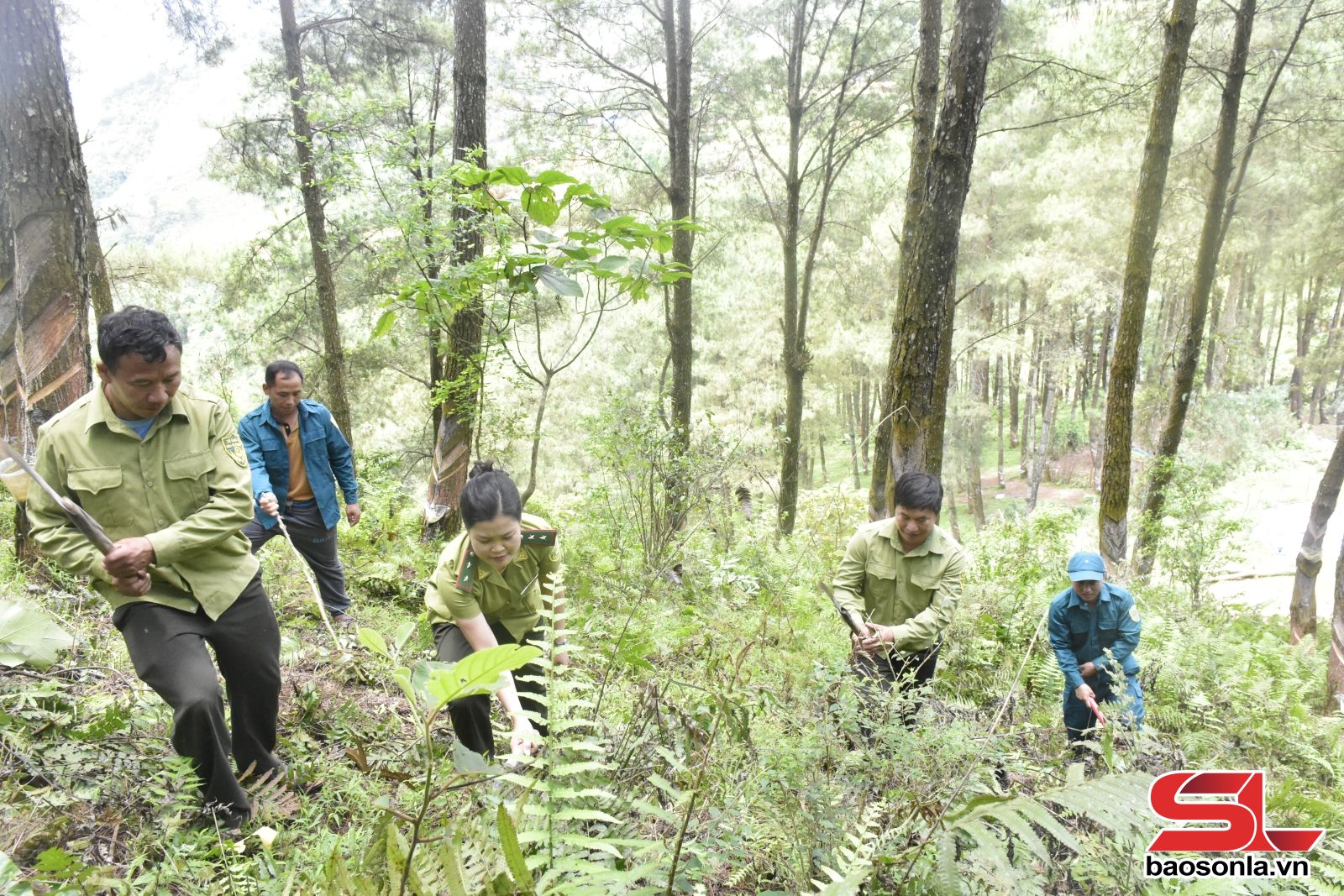
The revival of the Suoi To forests bears the silent footprints of those in moss-green uniforms. Ms. Lo Thi Thao, an officer of the Forest Protection Unit in Area XV and the Ta Xua Special Forest Area, in charge of the Suoi To commune, said: The forest protection force regularly coordinates with local authorities and villages to disseminate laws on forest management, protection, and fire prevention and control. Contracted groups and teams maintain regular operations, especially during the dry season. The payment for forest environmental services has yielded the most significant results, providing people with an additional 3 million VND per person per year; this income is used by many households to buy seedlings, livestock, repair houses, invest in their children's education, and raise awareness of forest protection within the community.
Despite facing many challenges, Suoi To still possesses significant potential for sustainable forest-based economic development thanks to its large forest area, beautiful natural landscape, cool climate, and preserved Mong ethnic cultural identity. The commune is developing a community-based tourism and ecotourism model linked to forest protection in Suoi Khang village to gradually expand its reach. During the 2026-2030 period, the locality will continue to promote forest protection and development, reforestation to green barren land, and the development of livelihoods under the forest canopy, aiming to improve income and stabilize the lives of the people.
In the Suoi To highlands today, the lush green forests are becoming a source of livelihood for the local people. From payments for forest environmental services to the development of green economic models such as Shan Tuyet tea, Bat Do bamboo shoots, and Vau bamboo, to the cultivation of sticky rice trees, the people have gradually improved their income and stabilized their lives. When people can make a living from the forest, the greenery will continue to be preserved and developed sustainably.
Source: https://baosonla.vn/xa-hoi/rung-xanh-suoi-to-JEz3wU1vR.html
![[Photo] Standing Committee member of the Party Central Committee Tran Cam Tu working with the Central Inspection Committee](https://vphoto.vietnam.vn/thumb/1200x675/vietnam/resource/IMAGE/2026/05/28/1779969579668_ndo_br_bnd-2495-jpg.webp)


























































































Comment (0)