


"Mergers are a necessary step, and should even be done sooner," stated Ms. Nguyen Phuong Lam, Director of the Can Tho branch of the Vietnam Chamber of Commerce and Industry (VCCI Can Tho).

According to Master's degree holder Nguyen Phuong Lam, Vietnam's current administrative organizational model is revealing many shortcomings, negatively impacting the country's socio -economic development. He argues that the "fragmented and cumbersome" nature of this system is slowing down the progress of social and economic resources.
Analyzing the issue in more detail, Master Nguyen Phuong Lam pointed out that this is reflected in the division of administrative units. "We have divided localities into 63 provinces and cities mainly based on geographical space, leading to inefficiency in management and administration," he said.
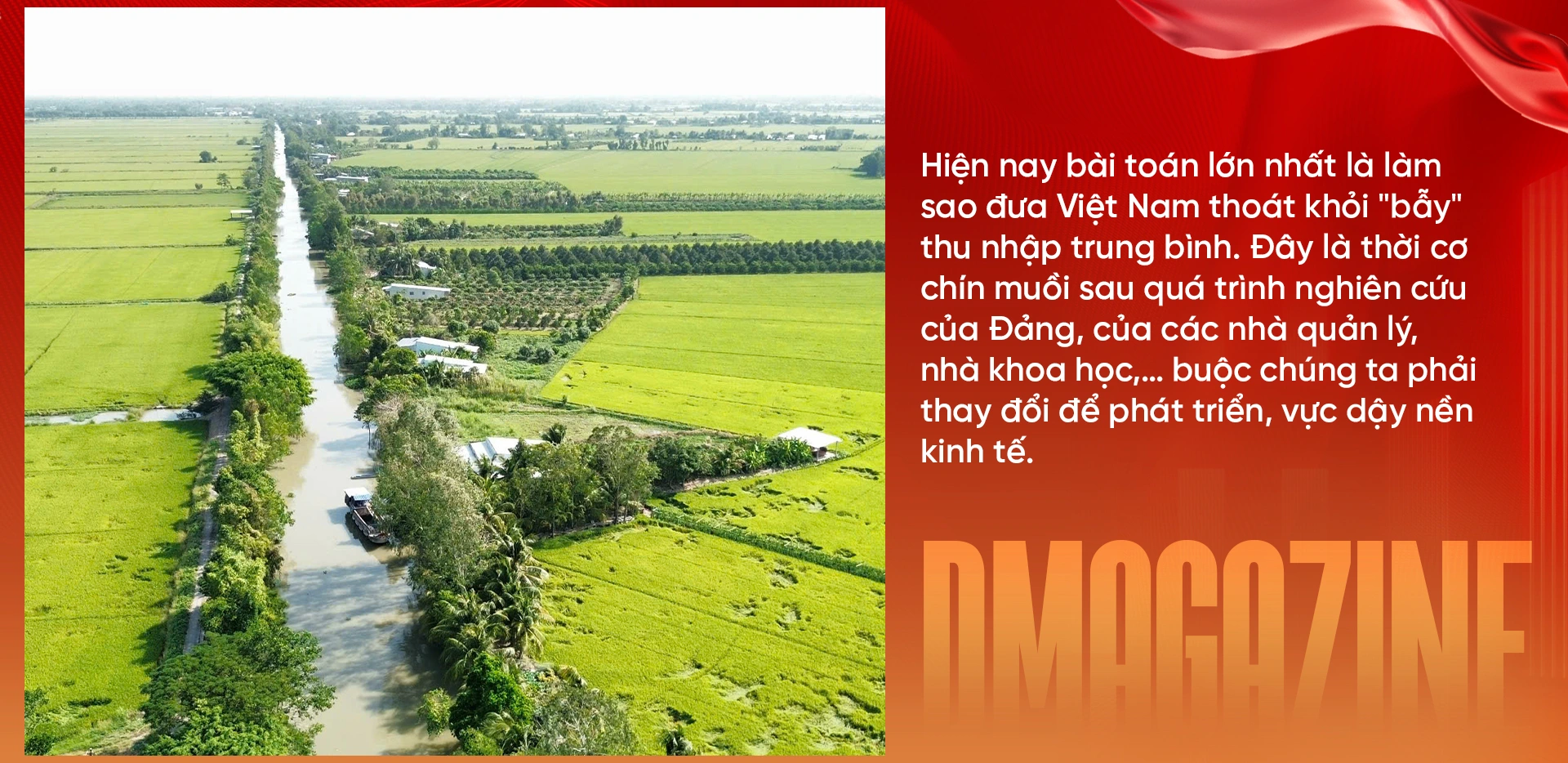
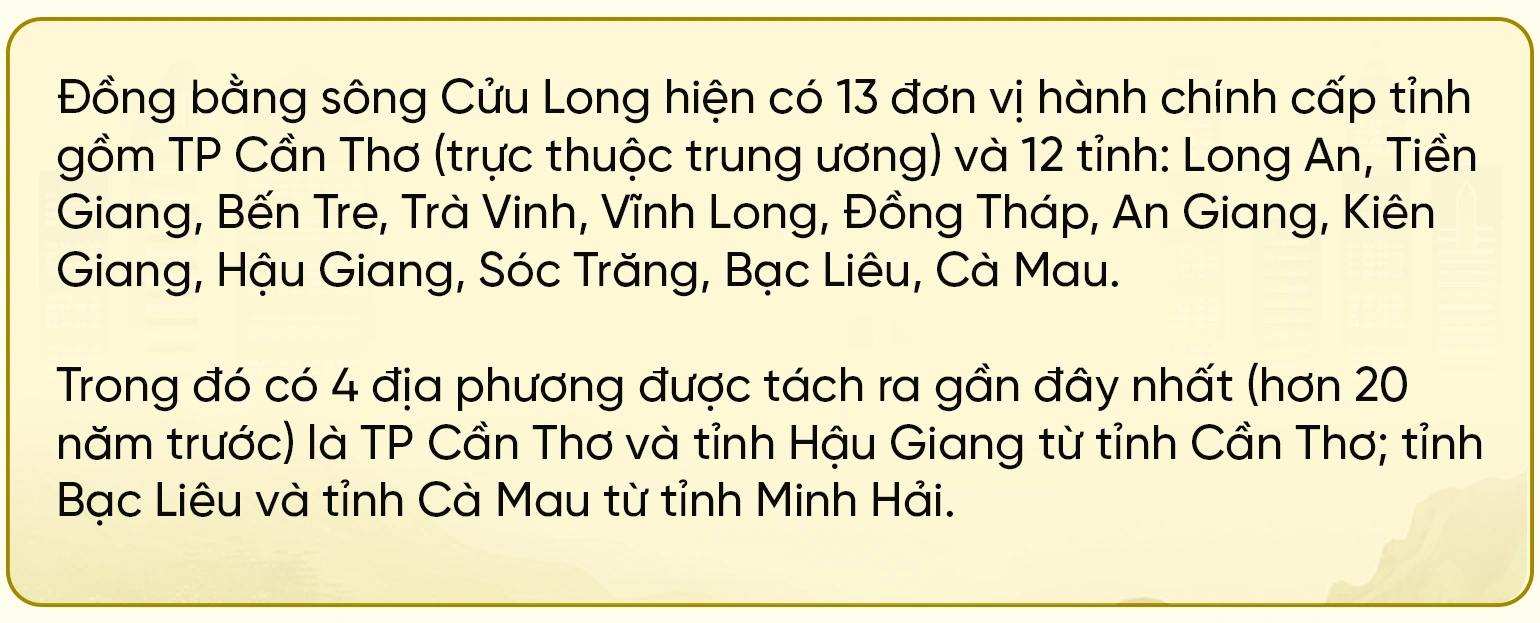
He cited the Mekong Delta region as a prime example, which, with an area of over 40,000 square kilometers, comprises 13 provinces and cities, creating significant obstacles to the region's development.
Master's degree holder Nguyen Phuong Lam emphasized that Vietnam is facing an urgent challenge: how to escape the middle-income trap. He stated that this is a crucial development threshold that Vietnam must overcome. "This is a ripe opportunity, after research by the Party, managers, scientists , etc., forcing us to change in order to develop and revive the economy," he affirmed.
Based on the above analysis, Master Nguyen Phuong Lam believes that the merger of administrative units is a "very timely, urgent, and necessary" policy. He concludes: "We cannot delay any longer in implementing this policy."
The merger of administrative units at all levels is being seen as an important solution in the current context of integration and development. According to the Director of VCCI Can Tho, one of the biggest benefits of the merger is the improvement of state governance.
This individual argued that the "overstaffing" in the administrative apparatus leads to wasted time and increased cost burdens. "On average, a civil servant only handles 30-40% of the workload because we have too many people," the Director of VCCI Can Tho stated. Therefore, the merger is expected to significantly reduce administrative costs.
Master's degree holder Nguyen Phuong Lam also provided insightful analysis on the benefits of mergers in planning. He argued that current practice shows the inadequacy of having 63 planning documents for 63 provinces and cities, while there are only 6 economic regions. "Each plan consumes a lot of time, money, and effort, and the plans have to be revised every 10 years," said Mr. Nguyen Phuong Lam. He believes that merging provinces of appropriate size and population will make planning more economical and synchronized.
"Furthermore, in the current planning process, we still have overlapping laws and administrative boundary conflicts between localities. If we merge them, the planning space will be resolved, and the quality will improve," emphasized Master's degree holder Nguyen Phuong Lam.
Regarding economic benefits, Master Nguyen Phuong Lam affirmed that the business community would greatly benefit from provincial-level mergers due to the expanded economic scale. He argued that, in the past, localities have all wanted to have their own economic development structure, creating separate, small-scale, and fragmented industrial clusters. "If we merge, we will be able to form large industrial clusters, concentrated urban areas, and increase the area of agricultural land, helping the agricultural economy to develop further," he said.
Master's degree holder Nguyen Phuong Lam also pointed out that mergers would help improve the efficiency of public investment. He cited the example that over the past 10 years, the central government has invested a considerable amount of public funds in the Mekong Delta, but the disbursement efficiency and development speed have not been commensurate. The main reasons are limitations in administrative boundaries, capacity, overlapping management, and illogical administrative procedures between provinces.
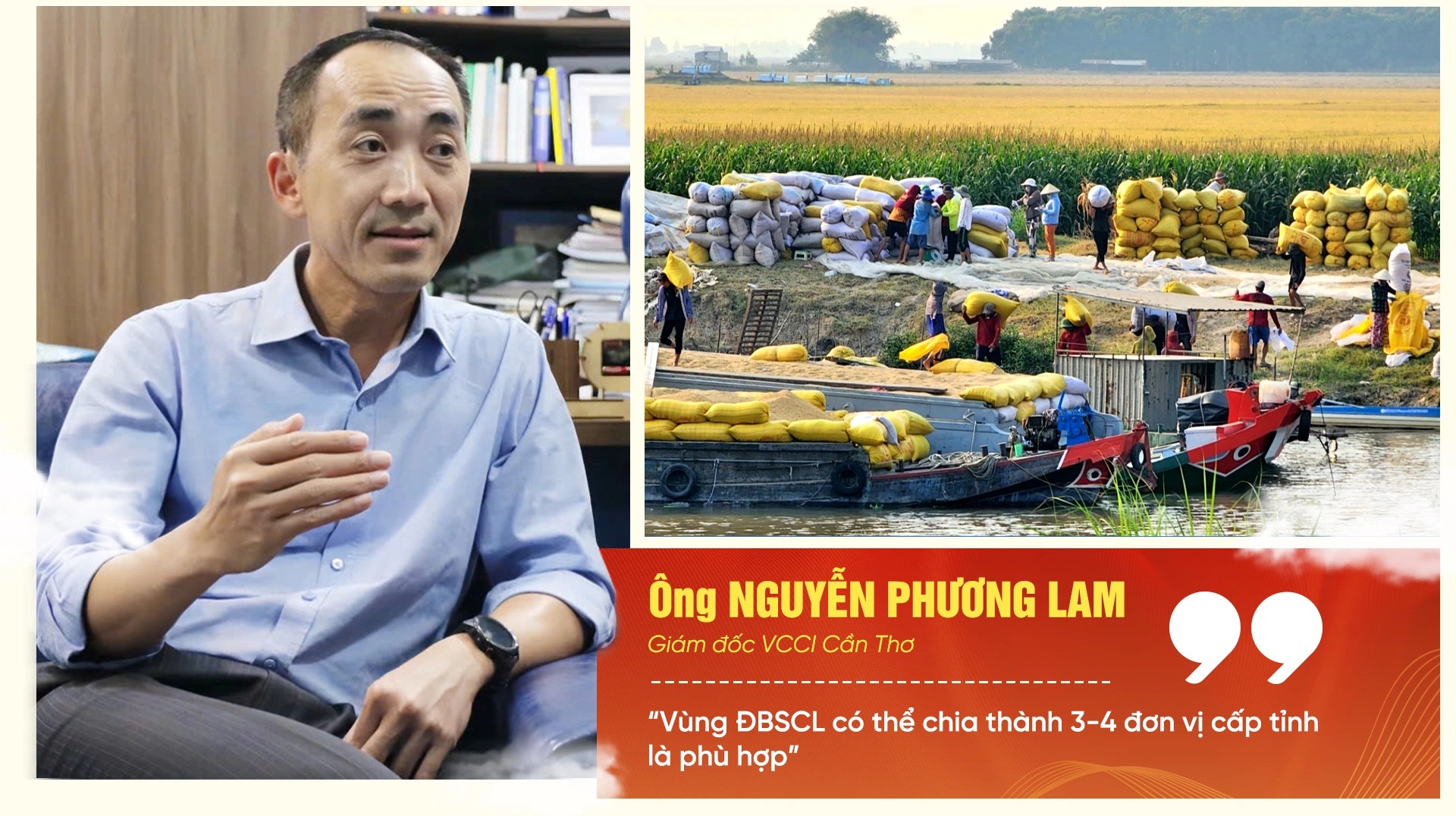
The Mekong Delta region is known for its significant economic development potential, but the current administrative structure is creating obstacles. Experts believe that merging administrative units is the solution to fully unlock the region's potential.
Mr. Nguyen Phuong Lam argued that the Mekong Delta has special advantages in economic development planning. He cited: "We already have advantages in the planning of the Mekong Delta region, such as the Long Xuyen quadrilateral (Dong Thap, An Giang, Kien Giang, part of Can Tho,...) with potential for agricultural production." According to him, if this region were to be designated as a province, that province could focus on strongly developing a modern agricultural economy.
Similarly, coastal provinces such as Bac Lieu, Ca Mau, and Soc Trang could also be planned as a single administrative unit to focus on developing the seafood industry.
Mr. Nguyen Phuong Lam emphasized that merging administrative units would create favorable conditions for the economic development of the entire region. "The task for the whole region is to develop the economy effectively and efficiently, and create jobs for the people… This is a regional issue, and with the merger, we will solve the problem of labor resources and attract new projects when there are no longer boundary barriers between many provinces," he said. He also suggested that dividing the Mekong Delta into 3-4 provincial-level units would be appropriate.
According to Master Truong Chi Hung, a lecturer at An Giang University, the Mekong Delta has a common cultural foundation, which facilitates mergers. "Overall, the Mekong Delta has a riverine culture that influences the cultural, material, and spiritual lives of its people," he said.
He also pointed out that, geographically, the merger of the provinces would not cause too many drastic changes. "An Giang is at the headwaters of the Hau River, Dong Thap is at the headwaters of the Tien River, Soc Trang and Tra Vinh have prominent Khmer culture, or the saline alluvial groups like Ca Mau, Bac Lieu, and Soc Trang… It can be seen that the cultural foundations between adjacent localities are not very different," shared Master Truong Chi Hung.
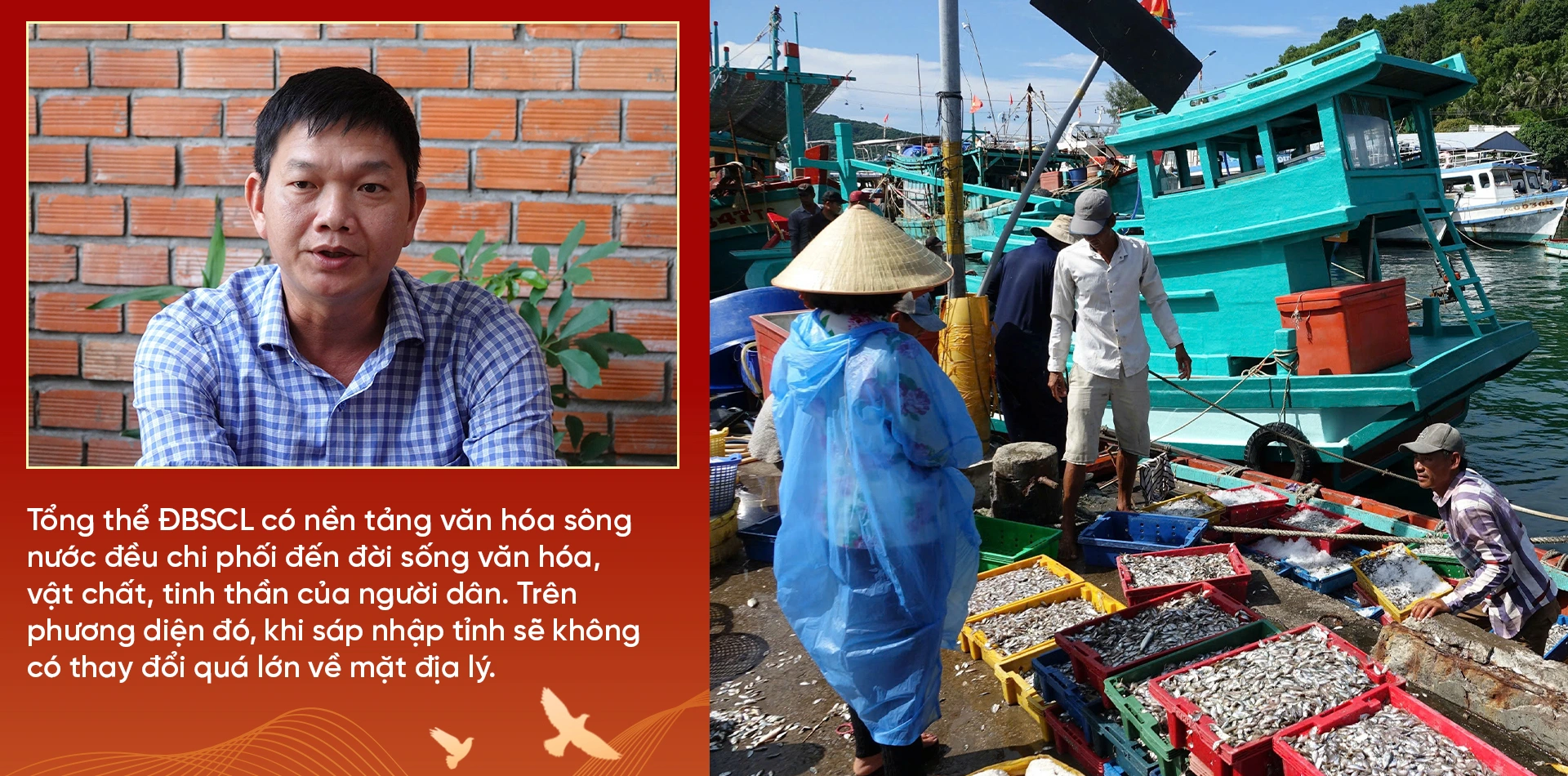
Master's degree holder Truong Chi Hung believes that the time for mergers has arrived. "We have everything ready, we're just waiting for the right opportunity, and that is now," he said. The important issue now is to prepare a highly skilled commune-level administrative apparatus capable of handling the assigned workload effectively.

In the "lean revolution," the business community plays a crucial role in promoting economic development. Businesses will benefit from a streamlined and efficient administrative environment with simplified procedures. This, in turn, creates incentives to attract investment and boost economic growth.
However, for businesses to develop sustainably, the government needs to continue improving the investment environment, strengthening support for innovation and linking value chains domestically and internationally, especially in the agricultural sector.
According to Dr. Tran Huu Hiep, former Commissioner and Director of the Economic Department of the Steering Committee for the Southwest Region, when discussing businesses, we should not only talk about state-owned enterprises but also extend to the private sector. Over the past three decades, the private sector in Vietnam has experienced remarkable growth, transforming from a small, fragmented economic component into a crucial pillar of the national economy.

Statistics show that the private sector currently contributes approximately 50% of GDP, creates jobs for 85% of the country's workforce, contributes nearly 30% of total export turnover, and about 56% of total social investment. Therefore, from a business perspective, in addition to state-owned enterprises, the development of the private sector must be prioritized.
"The restructuring and streamlining of the administrative apparatus, eliminating the district level to create a larger administrative space, and promoting the role of the grassroots level - the commune level - and the capacity of the provincial level, when viewed from the perspective of economic development, highlights the particularly important role of the business community," said Dr. Tran Huu Hiep.
Although the Mekong Delta has strengths in agriculture and fisheries, investment in this sector by businesses, especially foreign businesses, remains limited. Besides developing sustainable agriculture, it's crucial to integrate it with other economic sectors, such as industry (using agricultural raw materials) and agricultural tourism, to increase its value.

"All these factors will pose a challenge to the development of agriculture and rural areas in the Mekong Delta, creating an attractive investment environment and greater appeal for businesses to invest in the future. To achieve this, we must have major policies investing in transportation infrastructure, agricultural infrastructure, human resource training, and linking agriculture with other sectors for sustainable development," Dr. Tran Huu Hiep stated his expectations.
Dantri.com.vn
Source: https://dantri.com.vn/noi-vu/sap-nhap-tinh-de-phat-trien-bai-toan-kinh-te-va-loi-giai-tu-dbscl-20250319113334098.htm






















































































Comment (0)