

.jpg)
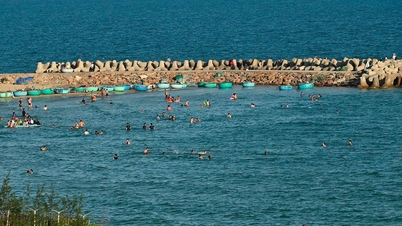
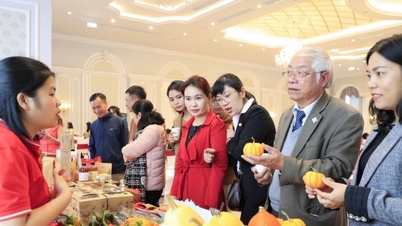
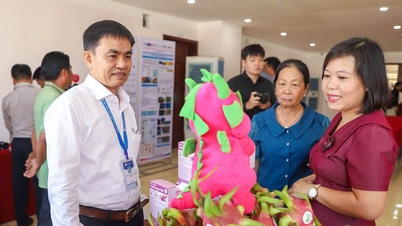
In recent years, many creative tourism experiences based on the culture and lifestyle of the tourist areas and resorts in the southeastern part of the province have attracted many domestic and international tourists. During holidays, festivals, or weekends, a large number of tourists from near and far flock to visit the ancient Po Sah Inư Cham Tower, the Old Fishing Village Fish Sauce Museum; explore Suoi Tien stream and enjoy local specialties such as sand lizards, free-range chicken, and Thien Nghiep coconuts. Or stroll along the beach to buy fresh seafood in Mui Ne fishing village; conquer the sand dunes with off-road vehicles in Bau Trang tourist area; visit the over 100-year-old Ke Ga Lighthouse... Even the vibrant beauty of dragon fruit farms in their off-season or ripening season captivates domestic and international tourists. Each place has its own unique charm, leaving visitors with different impressions.
Dr. Pham Thi Hong Phuong, Senior Advisor at the Center for Innovation, Entrepreneurship and Technology Transfer (CIETT) of Ho Chi Minh City University of Industry, who has visited Lam Dong province many times, stated: “The southeastern region of the province possesses great potential for ecotourism and cultural tourism, with many distinctive products such as dragon fruit, Phan Thiet fish sauce, hot pot, sun-dried squid… Strengthening intellectual property (IP) protection, combining digital technology , and developing green tourism models are key levers for the locality to enhance value, attract investment, and achieve sustainable development. In particular, the role of IP in maintaining and promoting the value of local tourism culture and raising IP awareness among those working in the tourism industry is crucial. The development of green tourism models in tourist areas, resorts, and farms needs to be invested in by establishments, businesses, and farms to ensure sustainable business development.”
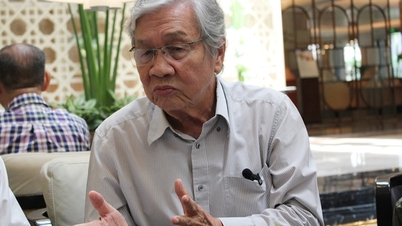
In line with this view, Mr. Tran Giang Khue, Head of the Intellectual Property Office's representative office in Ho Chi Minh City, believes that developing creative tourism in the southeastern region of Lam Dong contributes to diversifying and improving the quality of tourism products, increasing competitiveness, preserving cultural values, and attracting community participation in tourism development. “In experiential tourism areas, traditional craft villages, and dragon fruit and durian farms in the province, it is necessary to encourage registration of intellectual property protection to develop eco-tourism and orchard tourism. In reality, at craft villages and farms, trademark protection helps control quality, enhance reputation, maintain prestige, promote product trade, contribute to increasing product value, create jobs, and increase income for producers; while also protecting consumer rights, preserving and promoting the value of local products, increasing local budget revenue, and contributing to socio-economic development,” Mr. Khue stated. Tran Giang Khue shared.
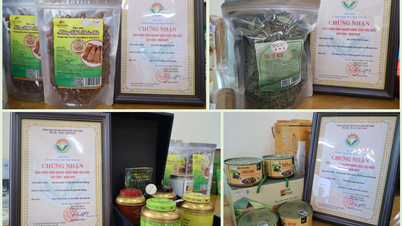
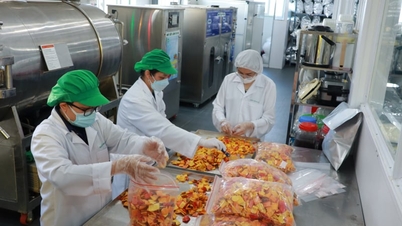
It is evident that intellectual property (IP) is the foundation for developing an innovation ecosystem in tourism; helping to create new products and models such as community tourism, craft village tourism, ecotourism linked with culture, and OCOP products. Tourism establishments in the southeastern part of the province have been and are moving towards these types of tourism associated with IP registration, exploiting local potential, and developing a sustainable green tourism ecosystem. The application of IP in conjunction with digital transformation, modern marketing, and local brand positioning strategies will help the southeastern region of the province become a prominent destination showcasing its landscapes, creativity, unique culture, and a deep-rooted tourism brand.
Source: https://baolamdong.vn/so-huu-tri-tue-cho-phat-trien-du-lich-xanh-445971.html
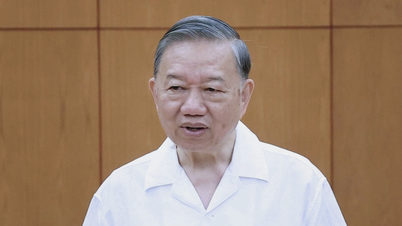
![[Photo] General Secretary and President To Lam presides over a meeting with the Central Organizing Committee.](https://vphoto.vietnam.vn/thumb/1200x675/vietnam/resource/IMAGE/2026/06/03/1780482764658_a1-bnd-4741-3342-jpg.webp)
![[Photo] First session of the 14th Congress of the Vietnam Trade Union](https://vphoto.vietnam.vn/thumb/1200x675/vietnam/resource/IMAGE/2026/06/03/1780465947883_ndo_br_img-3852-jpg.webp)
![[Photo] Secretary of the National Assembly Party Committee, Chairman of the National Assembly presides over the meeting of the Standing Committee and Executive Committee of the National Assembly Party Committee.](https://vphoto.vietnam.vn/thumb/1200x675/vietnam/resource/IMAGE/2026/06/03/1780480353201_ndo_br_bnd-2585-jpg.webp)































![[Video] Sunset at Lap An Lagoon – Where the sun sets over the fishing nets](https://vphoto.vietnam.vn/thumb/1200x675/vietnam/resource/IMAGE/2026/05/31/1780192137701_beach-landscape-sea-water-nature-grass-745871-pxhere-com.jpeg)





















Comment (0)