

Recently, matcha (green tea powder from Japan) has become a new beverage craze, embraced by many young people and becoming increasingly popular. However, rumors are now circulating on TikTok that drinking too much matcha can reduce iron levels, even leading to iron-deficiency anemia.
"I have anemia and I'm worried that matcha has more caffeine than coffee and might interfere with iron absorption," TikToker Yumi said in a video .
In a video with 2.8 million views, TikToker Kacey Ondimu also revealed that she switched from matcha tea to moringa tea after discovering that her previous tea was causing her chronic iron deficiency.
Similarly, some experts have shared on their personal pages that drinking matcha immediately after a meal rich in iron may reduce iron absorption. What is the truth about this?
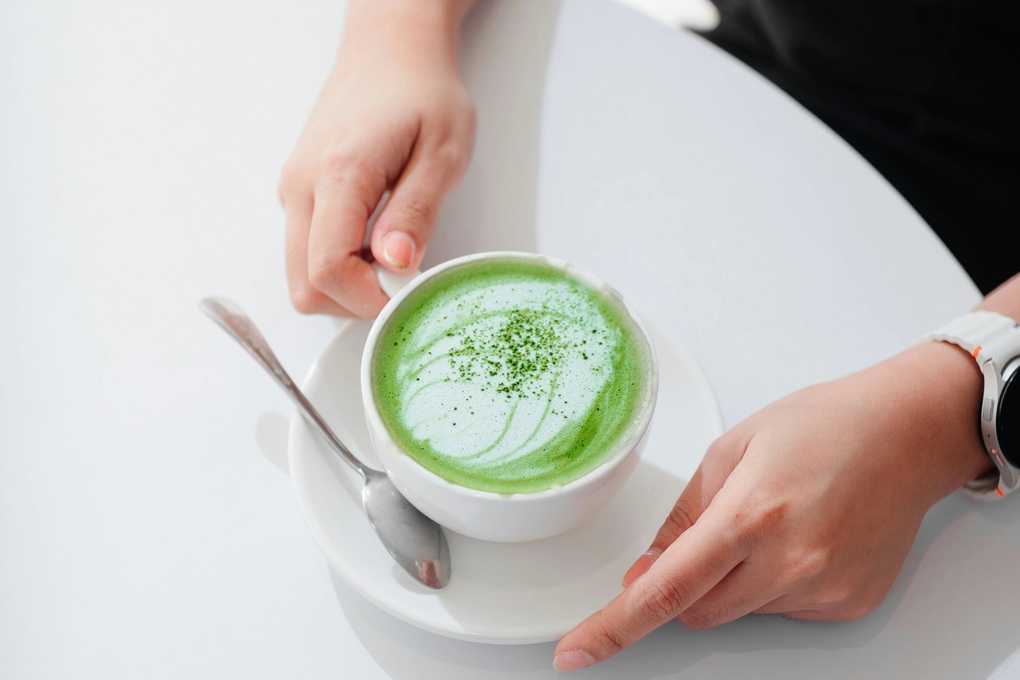
Many people believe that matcha may reduce the body's absorption of iron (Photo: Unsplash).
What is matcha?
Matcha is a fine powder made from dried green tea leaves grown in the shade. This powder contains many plant compounds and antioxidants, including L-theanine, chlorophyll, and EGCG. These nutrients help reduce inflammation in the body, support immunity, enhance cognitive function, aid detoxification, and promote cardiovascular health.
"Matcha provides a gentle refreshment without the jitters or fatigue that coffee can cause," nutritionist Sapna Peruvemba shared with Health .
According to Peruvemba, one teaspoon of matcha powder contains approximately 70-80mg of caffeine, equivalent to the amount of caffeine typically consumed in a cup of tea. Meanwhile, a cup of coffee contains around 90mg of caffeine.
How does matcha affect iron levels?
Concerns about matcha and iron relate to one of the compounds found in green tea powder: tannins. Tannins are one of many antioxidant compounds in matcha and are being studied for their potential in preventing diseases such as cancer.
However, tannins also limit the body's ability to absorb iron, increasing the risk of iron-deficiency anemia. This can cause symptoms such as fatigue, dizziness, headaches, shortness of breath, and many other symptoms.
Matcha isn't the only dietary source of tannins. This substance has also been shown to be present in chocolate, some leafy green vegetables, coffee, other teas, and nuts.
However, matcha powder has particularly high concentrations of tannins. A previous study showed that the concentration of a type of tannin, EGCG, in matcha was 137 times higher than in regular green tea.
According to nutritionist Kirbie Daily of the University of Memphis, matcha itself does not cause iron-deficiency anemia. However, it can affect the body's ability to absorb iron effectively if consumed too close to meals.
Further analysis by this expert indicates that consuming matcha with or immediately after a meal rich in iron can reduce iron absorption or make it more difficult for the body to absorb the micronutrient in the digestive tract.
"This means that if consumed in large quantities, matcha could lead to iron deficiency over time," she emphasized.
Further sharing, Ms. Peruvemba stated that the impact of matcha on iron absorption may be negligible for most healthy individuals. However, certain high-risk groups for iron-deficiency anemia should exercise caution.
This group includes pregnant and breastfeeding women, people with heavy menstrual bleeding, people recovering from surgery, vegetarians, and people with gastrointestinal conditions such as celiac disease or inflammatory bowel disease.
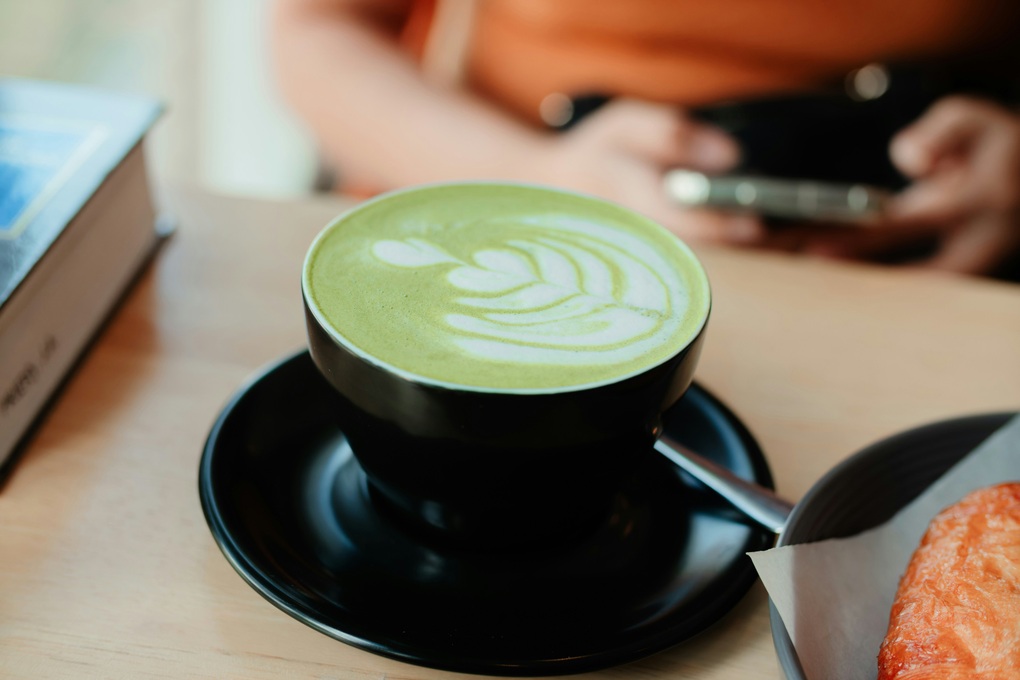
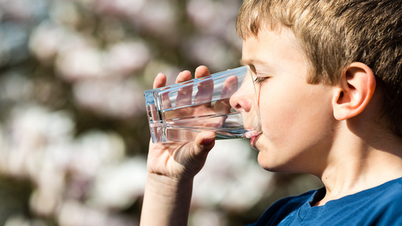
Drinking matcha for an extended period may affect the body's ability to absorb iron (Photo: Unsplash).
How to drink matcha without reducing your iron levels.
According to experts, the safety of consuming matcha largely depends on the timing. Specifically, drinking matcha during or immediately after meals has a stronger inhibitory effect on iron absorption than drinking it between meals. Therefore, people should only consume this beverage at least 1-2 hours between meals.
In addition, people should also pay attention to the amount of matcha they consume. Nutritionist Jennifer Nicole Bianchini suggests that the average person should only drink 1-2 servings of matcha per day, with each serving providing approximately 30-70mg of caffeine, depending on quality and preparation method.
In general, matcha is safe for most people. However, those who are sensitive to caffeine should limit their consumption or choose regular green tea instead of matcha.
Additionally, some people may experience digestive symptoms such as bloating or gas when consuming matcha. Therefore, experts recommend that those who have never drunk matcha should start slowly.
Additionally, catechins in matcha may interact with certain medications. Those taking prescription drugs should consult their doctor before using it.
Experts also recommend adding iron-rich foods to your daily diet if you are concerned that matcha might reduce your body's absorption of iron.
Therefore, people should include foods such as red meat, fish, lentils, oats, quinoa, and nuts in their diet. Additionally, you can combine these with other vitamin C-rich foods like broccoli, mangoes, bell peppers, or strawberries to increase iron absorption.
Source: https://dantri.com.vn/suc-khoe/su-that-uong-nhieu-matcha-bi-thieu-sat-20251001112055019.htm







































































Comment (0)