The evolution of deer-shaped stone carvings in Mongolia
Ancient rock carvings in Mongolia reflect cultural and environmental transformations over 12,000 years, ranging from realistic imagery to abstract symbolism.
Báo Khoa học và Đời sống•25/01/2026
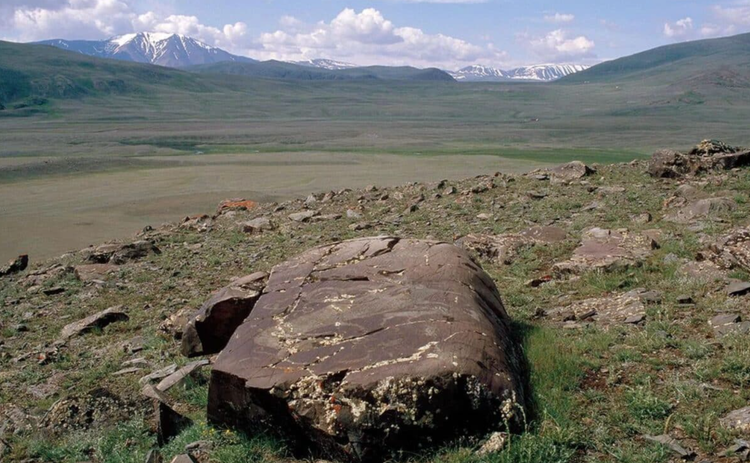
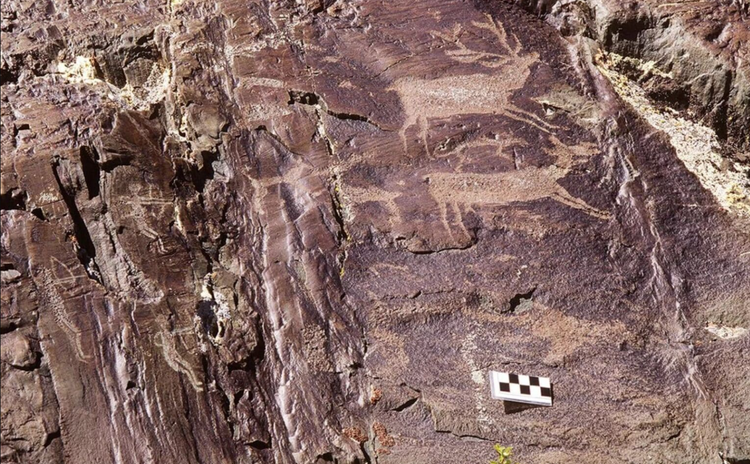
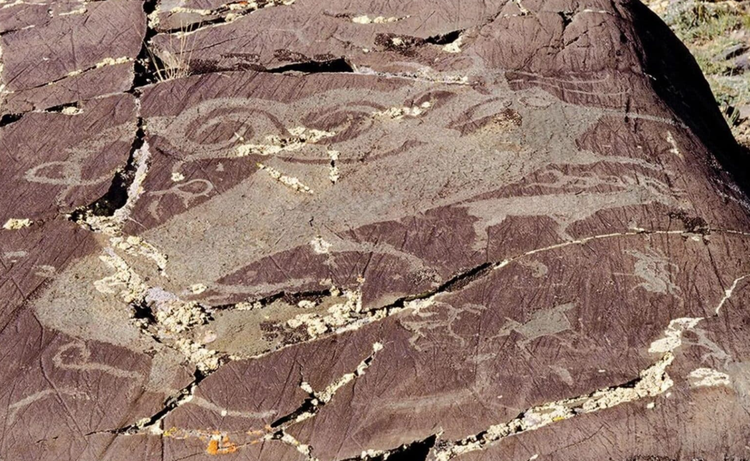
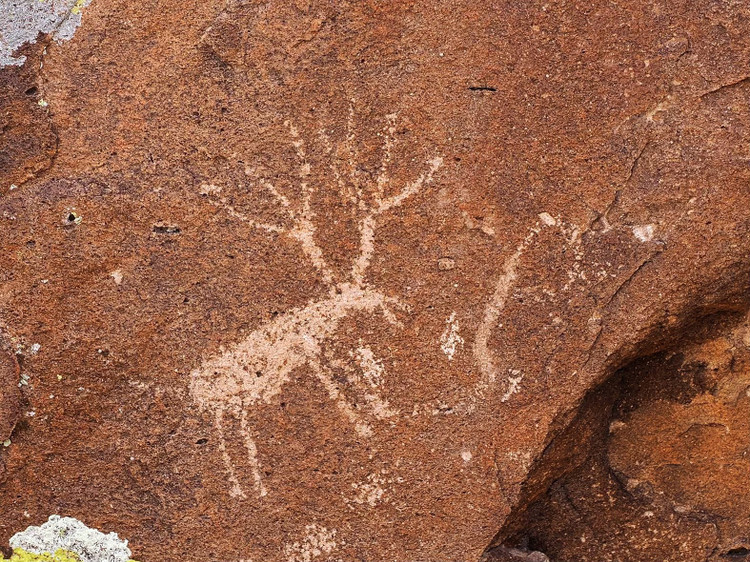
A study published in the Cambridge Archaeology Journal examined the evolution of elk-shaped rock carvings in western Mongolia, spanning a period of 12,000 years. Photo: @Cambridge Archaeology Journal. Initially, these carvings depicted moose with astonishing realism, reflecting the ancient people's profound understanding of the natural world . Photo: @Cambridge Journal of Archaeology.
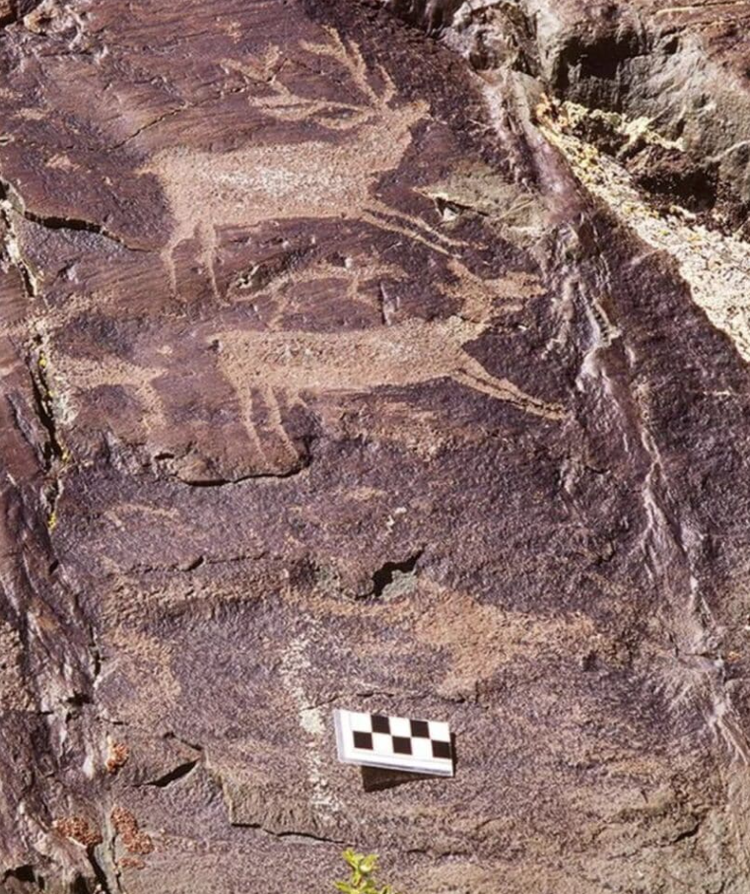
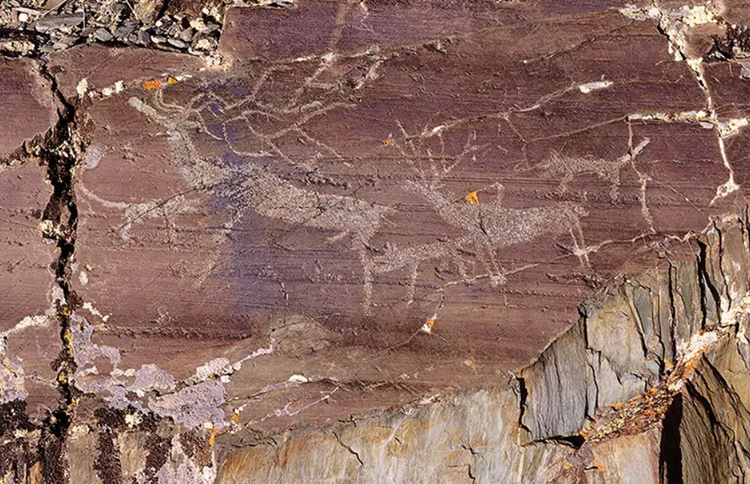
These paintings depict early moose in the Altai region. Photo: @Cambridge Journal of Archaeology.
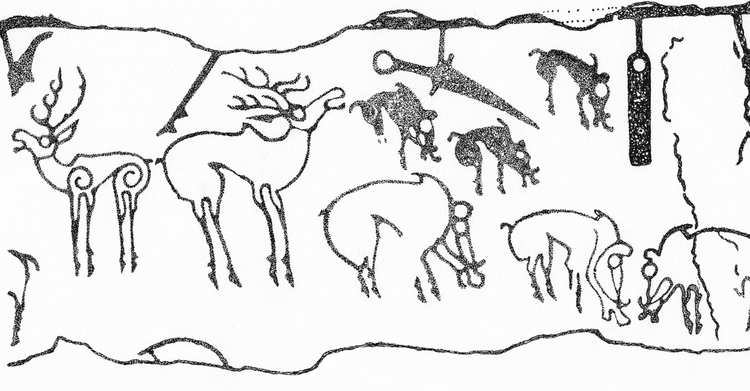
These majestic animals are depicted with meticulous detail, showing their natural poses and even their interactions with other extinct species such as mammoths and woolly rhinos. Photo: @Cambridge Journal of Archaeology.
However, over time, these images have transformed into more abstract symbols, such as wolves. Photo: @Cambridge Journal of Archaeology. According to the Cambridge Archaeology Journal, this change not only reflects a shift in artistic style, but also reveals significant changes in the environment, human migration, and cultural identity. Photo: @Cambridge Archaeology Journal.
The evolution of these rock carvings offers fascinating insight into the complex interplay between art, society, and the surrounding landscape of ancient Mongolia. Photo: @Cambridge Journal of Archaeology. We invite our readers to watch the video : "Two of the most unique boats in archaeology." Video source: @THVL24News.

 Báo Khoa học và Đời sống•25/01/2026














![[Video] Sunset at Lap An Lagoon – Where the sun sets over the fishing nets](https://vphoto.vietnam.vn/thumb/340x192/vietnam/resource/IMAGE/2026/05/31/1780192137701_beach-landscape-sea-water-nature-grass-745871-pxhere-com.jpeg)

![[INFOGRAPHIC] PocketBook InkPad One](https://vphoto.vietnam.vn/thumb/402x226/vietnam/resource/IMAGE/2026/05/31/1780216562391_thumb-may-doc-sach-28-5-jpg.webp)




![[Photo] The General Secretary, President and his wife lay flowers at the Ho Chi Minh Monument in Manila.](https://vphoto.vietnam.vn/thumb/1200x675/vietnam/resource/IMAGE/2026/05/31/1780219759477_anh-man-hinh-2026-05-31-luc-16-29-07.png)























































Comment (0)