

The old man's four children filed a lawsuit to reclaim their father's property, but were unsuccessful.
After moving to the city to start his career, Mr. Cao (from Jiangsu, China) married a woman from his hometown.
After 15 years of marriage, they had four children. Their family broke up in 1995.
His wife and children moved elsewhere and cut off all contact.
He lived alone in the old house and never remarried.
At the age of 78, Mr. Cao suffered a stroke after a fall. Initially, he received support from his siblings.
However, since everyone else wasn't well-off, he was forced to seek help from neighbors near and far.
Seeing that he was causing everyone trouble, Mr. Cao decided to sign an agreement with the neighborhood committee called "inheritance and support" in the presence of his siblings.
Accordingly, the neighborhood committee will be responsible for caring for Mr. Cao, providing him with monthly living expenses, medical check-ups when he is ill, and even handling his funeral arrangements. In return, after his death, Mr. Cao's assets will belong to the neighborhood committee.
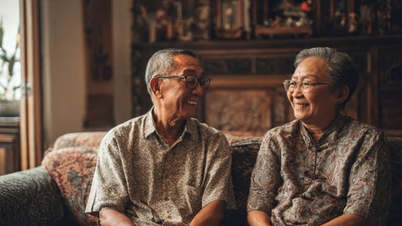
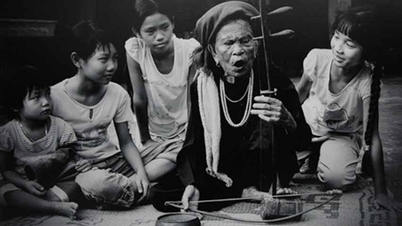
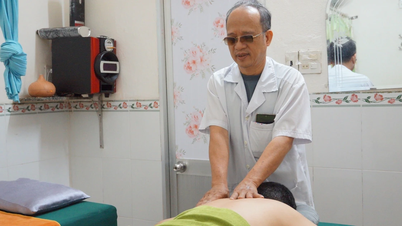
Illustrative image
With the agreement signed, Mr. Cao received attentive care from the members of the neighborhood committee. When he was lucid, he even admitted that this was the best decision of his life.
After being cared for by everyone for five years, Mr. Cao passed away at the age of 83. The neighborhood committee paid 60,000 RMB to ensure a proper funeral for him. As previously agreed, the house where Mr. Cao used to live now belongs to the neighborhood committee.
At that time, the house was located in an area slated for demolition to make way for a road. According to regulations, Mr. Cao's house would receive 2 million RMB (approximately 7 billion VND) in compensation. Since ownership of the house had already been transferred to the neighborhood committee, this money would also go to those who had cared for the elderly man.
Around the same time, suddenly, Cao's four children appeared and claimed their inheritance of 2 million RMB. They asserted that their father had not left a will. However, according to probative law, as first-degree heirs, the house still belonged to the four of them.
In response to the group's reaction, the neighborhood committee presented the previously signed agreement with Mr. Cao. The representative also asserted that the four children had never cared for the elderly man and therefore could not claim inheritance rights.
However, Mr. Cao's children said they had lost contact with their father for a long time. Therefore, they were completely unaware of his illness and unable to provide timely care. Only after his death and being informed by some relatives did his children learn of the situation. But it was too late.
Despite their arguments, the neighborhood committee refused to return the property to Mr. Cao's children. Realizing that negotiations were futile, the group decided to seek arbitration from the local court.
After reviewing the case, the trial court ruled that the "inheritance and care" agreement between Mr. Cao and the neighborhood committee was considered a will. The neighborhood committee had fulfilled its obligations to care for and bury the elderly man. Therefore, all of his remaining assets would belong to the committee. His children would not receive any assets.
This ruling naturally did not satisfy Mr. Cao's children. They immediately appealed to a higher court to reclaim their family's assets. However, the appellate court ruled that the initial judgment was clear and upheld the original decision. Ultimately, the entire sum of 2 million yuan was given to the neighborhood committee.
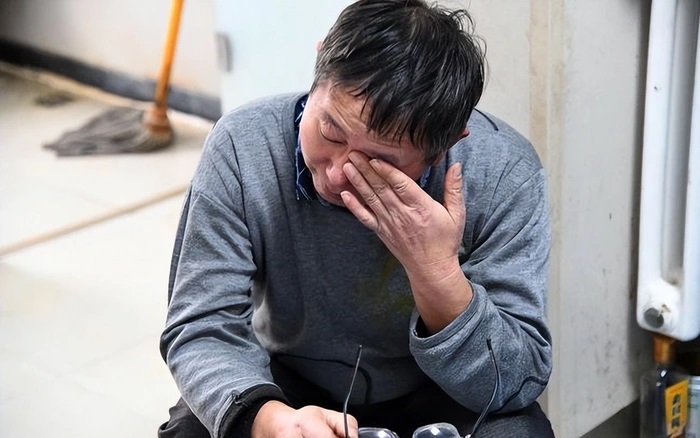
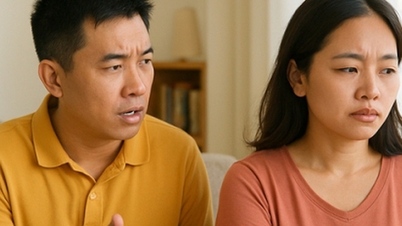
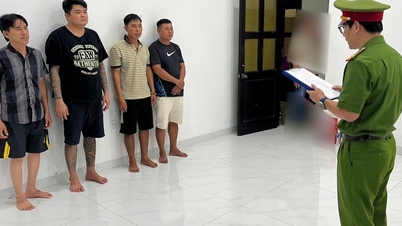
The old man's children were surprised by the court's decision. (Illustrative image)
According to QQ, after this incident was shared on Chinese social media, many people supported the court's decision. Upon learning that the money left behind by Mr. Cao was used by the neighborhood committee to care for elderly people living alone in the area, everyone further agreed with this approach.
Dinh Anh
Source: https://giadinh.suckhoedoisong.vn/cu-ong-vua-qua-doi-4-nguoi-con-tim-ve-doi-quyen-thua-ke-7-ty-dong-toa-an-khang-dinh-tai-san-da-thuoc-ve-nguoi-khac-172241214122830616.htm

![[Photo] General Secretary and President To Lam presides over a meeting on preparations for the review of one year of operation of the three-tiered government system.](https://vphoto.vietnam.vn/thumb/1200x675/vietnam/resource/IMAGE/2026/06/02/1780391821195_a1-bnd-4595-9717-jpg.webp)























































Comment (0)