Summer is not only a time for rest after a stressful school year, but also a period when children face many risks of accidents and injuries, with drowning remaining the leading cause.
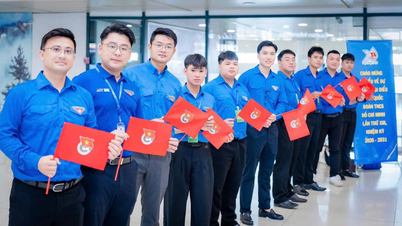
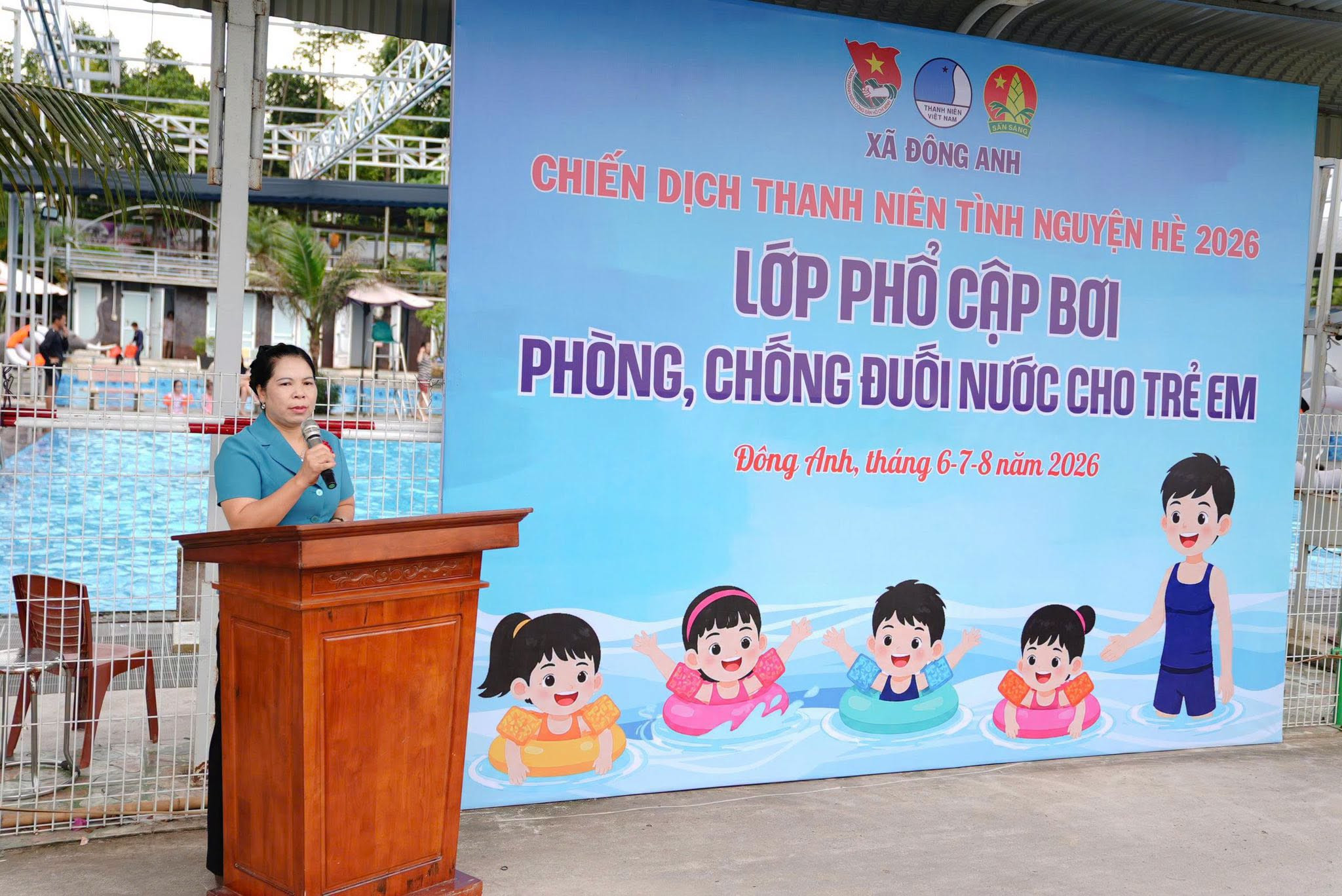
In Dong Anh commune, the opening ceremony of the 2026 swimming and drowning prevention program for children, jointly organized by the commune's Youth Union, demonstrates a clear effort not only in "keeping children safe" but also in equipping them with self-protection skills.
The "gaps" of summer
When the school bell rings, signaling the end of the school year, thousands of children embark on a long vacation. However, the joy of summer isn't always complete, as this is also a time when the risk of accidents and injuries increases.
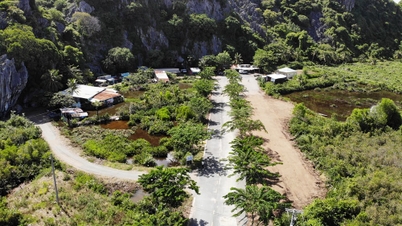
Observations from many localities, especially rapidly developing urban areas like Dong Anh commune, reveal that many children lack safe play spaces. In new residential areas and urban areas with incomplete infrastructure, public playgrounds are either insufficient or in poor condition. Meanwhile, children's need for play and exploration is constantly increasing.
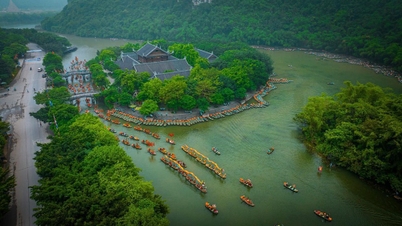
As a result, many children choose potentially dangerous areas such as ponds, lakes, rivers, drainage ditches, or even construction sites to play. This is the cause of many unfortunate accidents, with drowning remaining a constant worry every summer.
Besides drowning, other risks such as traffic accidents, electric shocks, burns, or injuries in daily life are also increasing. Part of the reason stems from a lack of basic life skills, while life skills education in many places is uneven, more focused on superficial campaigns than on genuine depth.
According to Nguyen Thi Luong, Standing Committee member of the Party Committee, Vice Chairman of the People's Committee of Dong Anh commune, and Head of the Summer Activities Steering Committee of Dong Anh commune in 2026, despite many efforts, organizing summer activities still faces difficulties in terms of facilities, funding, and human resources. Meanwhile, parents are worried about their children staying at home for extended periods without regular supervision.
.jpeg)


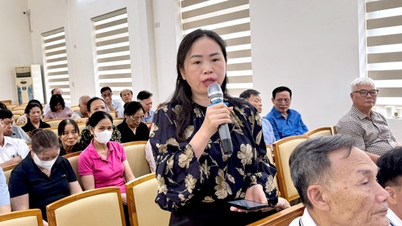
Ms. Nguyen Thi Huong, a parent with a child in 5th grade at Ngo Tat To Primary School, shared: “During the long summer break, the children are on vacation, but parents still have to go to work. I am very worried that without a safe place for them to play, they might easily go outside to play, which could be very dangerous. If there were additional free skills classes or swimming lessons, parents would feel much more at ease.”
From a professional perspective, many education experts believe that children are often curious and enjoy exploring, but lack the ability to assess risks. Without the necessary skills, they easily find themselves in dangerous situations without knowing how to handle them.
From swimming lessons to early childhood awareness
In light of this situation, the model of swimming classes for drowning prevention implemented by the Dong Anh Commune Youth Union during the 2026 Summer Youth Volunteer Campaign is considered a bright spot.
This year, the program plans to award approximately 1,000 free swimming lessons to students from grades 4 to 8 in the area. Beyond teaching basic swimming, the classes will also equip students with knowledge of water safety, emergency response skills, and basic first aid.
Nguyen Thi Thao, Secretary of the Dong Anh Commune Youth Union, said: “Through this class, we hope that the children will not only improve their physical fitness and learn to swim safely, but more importantly, develop a proactive awareness of preventing accidents and injuries. This is not just an activity of the Youth Union alone, but requires the joint efforts of the entire political system, families, and society to create a safe and healthy summer environment for children.”
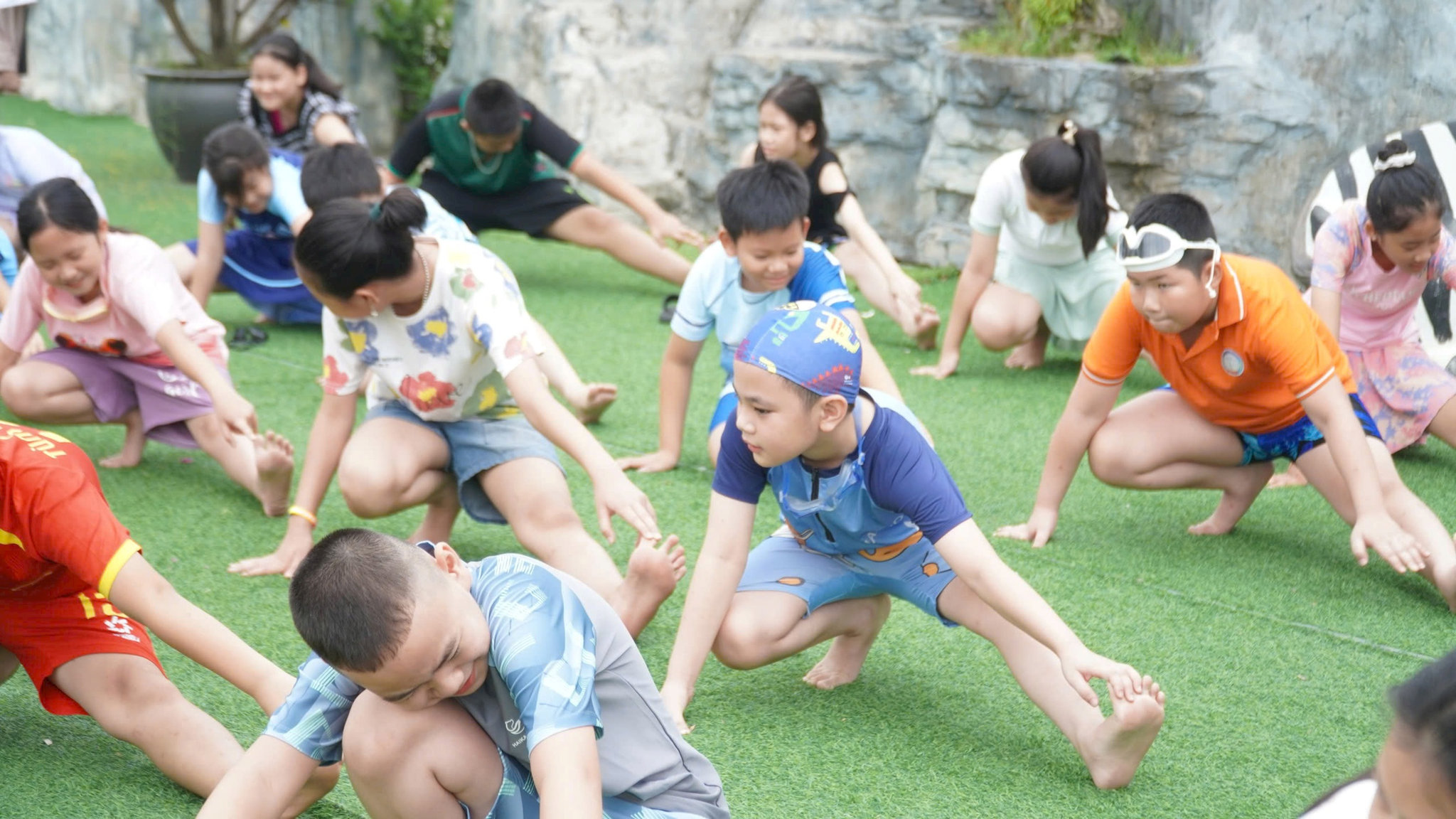
The atmosphere at the swimming class in the first few days was quite lively. Chu Le Phung Linh, a 4th-grade student at An Duong Vuong Primary School, shared: “After being guided by the teachers on warm-up exercises and getting into the water, I felt very happy and more confident. I learned more about how to prevent drowning. I also made many new friends.”
In addition, Tran Minh Khoi, a 6th-grade student at Co Loa Secondary School, said that he used to be very afraid of water and didn't dare go into ponds or lakes. "When I participated in the class, the teachers guided me step by step. Now I know how to swim and know what to do if I encounter a dangerous situation. I'm very happy."
In another case, Le Khanh An, from Dong Village, Dong Anh Commune, shared: “What I liked most was getting hands-on practice. The teachers also taught me how to call for help and how to stay calm. I feel more confident when swimming with my family.”



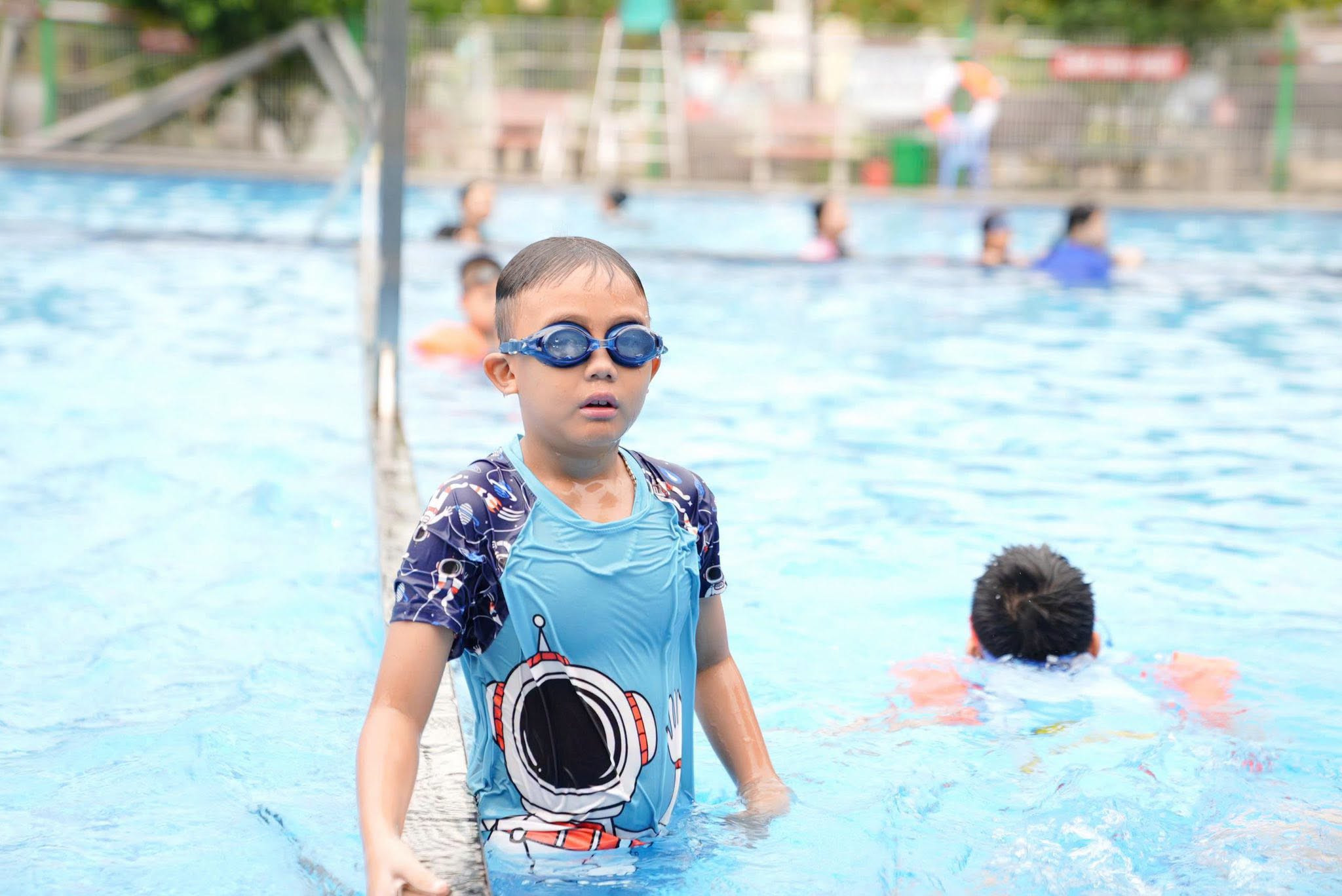
According to coach Truong Quang Sang, the most noticeable change is not only in the students' skills but also in their awareness. From being afraid of water, many students have become more proactive, knowing how to follow safety rules and support their friends during the learning process, thereby forming habits of self-protection and a spirit of cooperation in the training environment.
More than just a simple swimming class, this model is gradually expanding into a "life skills ecosystem" for children, combining swimming lessons, experiential activities, teamwork skills, and group activities.
From the experience of Dong Anh, it can be seen that a safe summer cannot rely solely on warnings or luck, but needs to be built upon a systematic skills education system, investment in public playgrounds, and close coordination between schools, families, and social organizations.
Source: https://hanoimoi.vn/tao-mua-he-an-toan-cho-thieu-nhi-1208292.html
![[Photo] Prime Minister Le Minh Hung presides over the thematic session on promoting science and technology development and innovation.](https://vphoto.vietnam.vn/thumb/1200x675/vietnam/resource/IMAGE/2026/06/23/1782207872934_ndo_br_dsc-1724-jpg.webp)