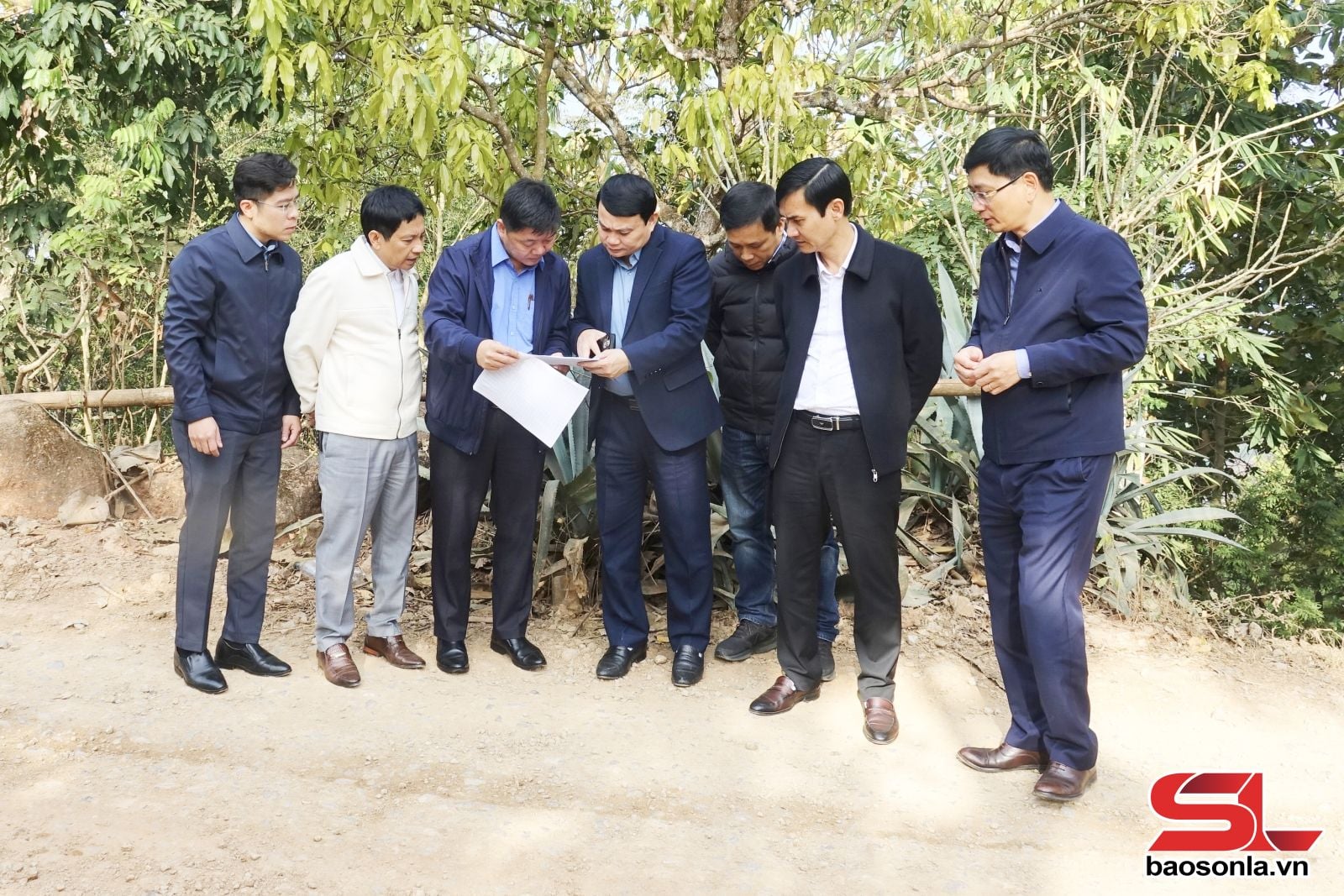
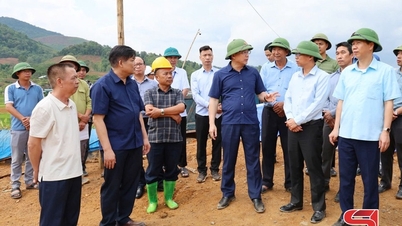
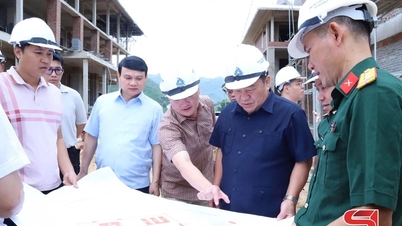
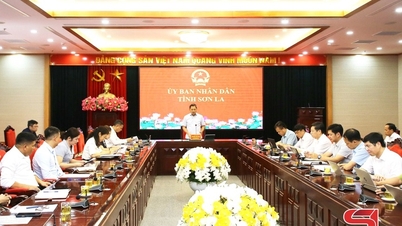
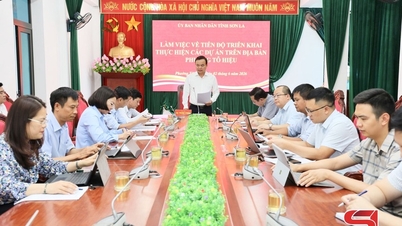
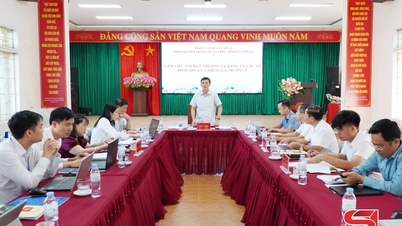
Comrade Dang Ngoc Hau, Vice Chairman of the Provincial People's Committee, reviewed and developed the plan for the National Target Program for the period 2026-2030 in the communes of Yen Chau area.
Implementing the National Target Program for socio -economic development in ethnic minority and mountainous areas, localities in the province have deployed 8 production chains, including: 2 coffee chains, 3 plum chains, 1 mango chain, and 2 longan chains. The total investment capital for these production chains is approximately 35.2 billion VND; directly supporting 372.5 hectares of fruit trees, benefiting 974 households. These production chains focus on consolidating existing crop areas, expanding new planting areas, and improving product quality according to VietGAP and organic standards to meet market demands. Through this, concentrated commodity production areas are gradually being formed, improving the efficiency of agricultural land use and creating stable livelihoods for people in rural areas.
In the communes of Yen Chau district, many households have received support to develop key fruit crops such as plums, mangoes, and longan. Mr. Ha Bao Van's family in Na Nga village, Chieng Hac commune, who participates in the mango production chain, said: "Previously, my family mainly grew mangoes based on experience, resulting in low yields. After joining the chain, we received support with organic fertilizers, guidance on fertilization techniques, pruning, and pest control, so our mango orchard has grown well, the fruit is of high quality, the market is stable, and our income has increased significantly."
Mr. Cao Xuan Dung, Chairman of the People's Committee of Chieng Hac commune, informed: The entire commune has 179 households participating in production chains with an area of approximately 100 hectares, concentrated in the villages of Na Nga, Cang, Bo Mon, Ta Lang Thap, Co Nong, and Ta Lang Trung. Participation in the chain has helped people change their farming practices, shifting from small-scale production to commodity production, increasing the value per unit area; the productivity and quality of products of participating households have all increased, and their lives are gradually becoming more stable.

The macadamia tree cultivation model of farmers in Mai Son commune.
Along with the National Target Program for socio-economic development in ethnic minority and mountainous areas, the National Target Program for sustainable poverty reduction has been implemented synchronously and effectively. From 2021 to the present, the province has disbursed nearly 758 billion VND to implement 7 projects, focusing on supporting livelihood diversification, production development, and job creation for people in disadvantaged areas. A prime example is the sugarcane development project along the value chain, implemented on an area of over 350 hectares, attracting 403 ethnic minority households in Phiêng Pằn commune to participate in a linkage with Sơn La Sugarcane Joint Stock Company. Participating households receive support in terms of seeds, fertilizers, technical training, and product purchase. According to the assessment, sugarcane productivity in the project area increased by approximately 10%, household income increased by more than 12%/ha/year, and average profit reached nearly 40 million VND/ha, contributing to creating stable jobs for many local laborers.
Mr. Lo Van Viet, from Lan Quynh village, Phieng Pan commune, shared: "My family has over 1 hectare of land for growing sugarcane. We received support in preparing the beds, fertilizing, and guidance on cultivation techniques and pest control. Last season, we achieved a yield of 100 tons, and all the produce was purchased by a business, bringing in over 100 million VND. Thanks to this, my family feels secure in continuing to grow sugarcane, having stable employment and income."
Alongside production support projects, social policy credit funds continue to be widely deployed, becoming an important channel to support people in developing their livelihoods. During the 2021-2025 period, the total social policy credit funds in the province reached 7,171 billion VND; loan disbursements reached 7,895 billion VND, with 158,091 poor households and policy beneficiaries receiving loans. To date, the total outstanding debt is over 7,500 billion VND, with more than 117,000 households still having outstanding loans.
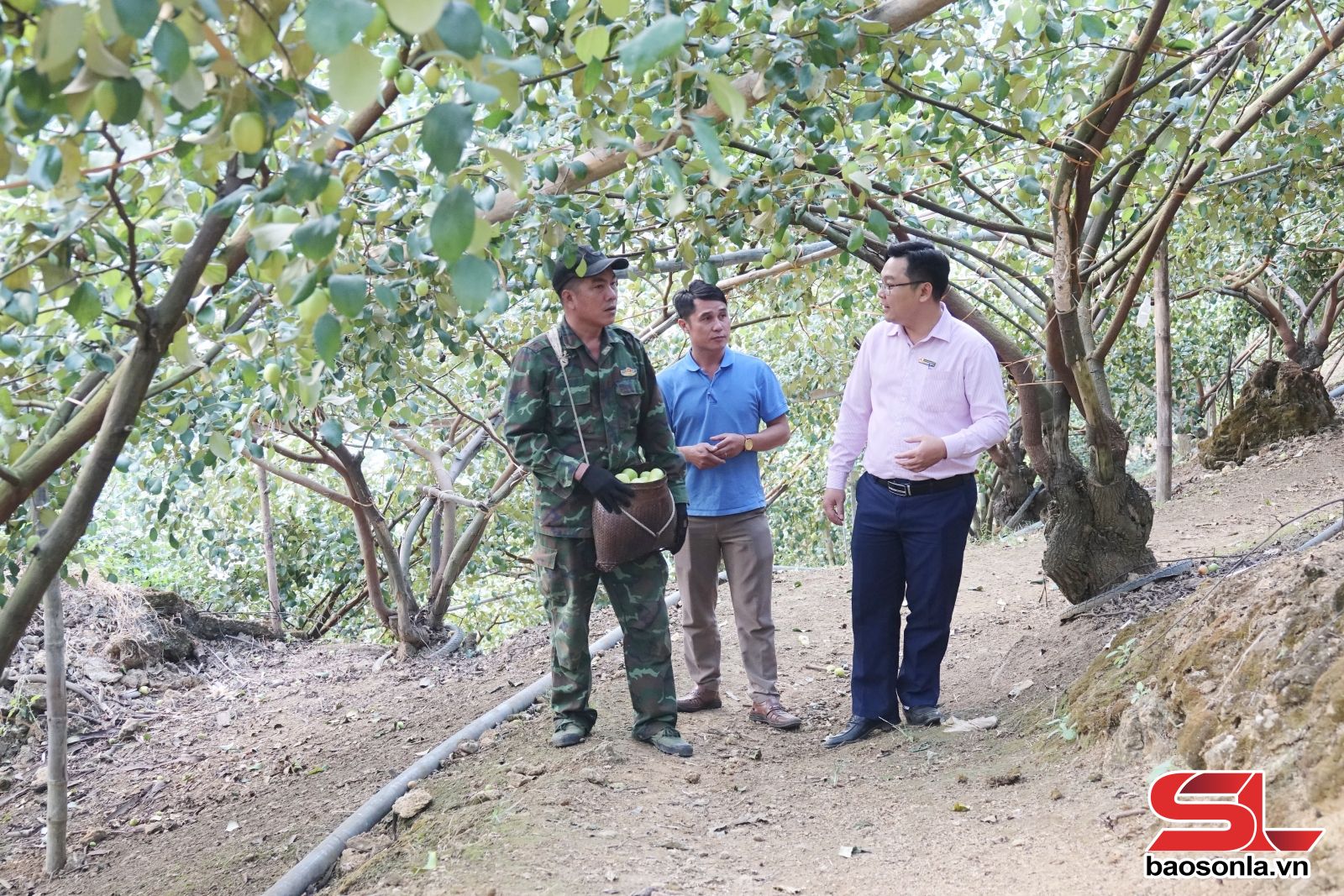
Officials from the Provincial Branch of the Social Policy Bank inspect the use of loan capital by farmers in Muong Bu commune.
Mr. Hoang Xuan Truong, Director of the Social Policy Bank branch in the province, said: "The implementation of policy credit always closely follows the actual needs of the people and the production development orientation in each locality, focusing on lending to poor households, near-poor households, newly escaped poverty households, creating jobs and building clean water and sanitation facilities in rural areas. Through preferential capital, many households have the opportunity to invest in production development, create local jobs, gradually stabilize income and rise out of poverty sustainably."
Thanks to the synchronized implementation of livelihood support programs and projects, the lives of poor and near-poor households in the province have gradually improved; the income and living standard gap between regions and population groups has narrowed. By the end of 2025, the poverty rate in the province will decrease to 7.89%; the poverty rate among ethnic minority households will decrease by an average of over 3% per year, creating an important foundation for maintaining and improving the quality of new rural development criteria.
Source: https://baosonla.vn/nong-thon-moi/tao-sinh-ke-ben-vung-thuc-day-xay-dung-nong-thon-moi-eY45NzNDR.html



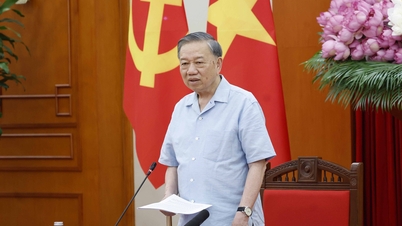
![[Photo] General Secretary and President To Lam presides over a meeting on preparations for the review of one year of operation of the three-tiered government system.](https://vphoto.vietnam.vn/thumb/1200x675/vietnam/resource/IMAGE/2026/06/02/1780391821195_a1-bnd-4595-9717-jpg.webp)
















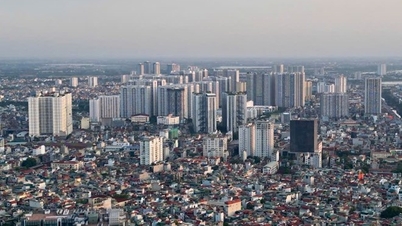
![[Image] Affirming the aspirations and new standards of the Vietnamese real estate market in the new era.](https://vphoto.vietnam.vn/thumb/1200x675/vietnam/resource/IMAGE/2026/06/03/1780441948766_giai-thuong-bat-dong-san-2026-minh-duy-6-7364-jpg.webp)




























































Comment (0)