

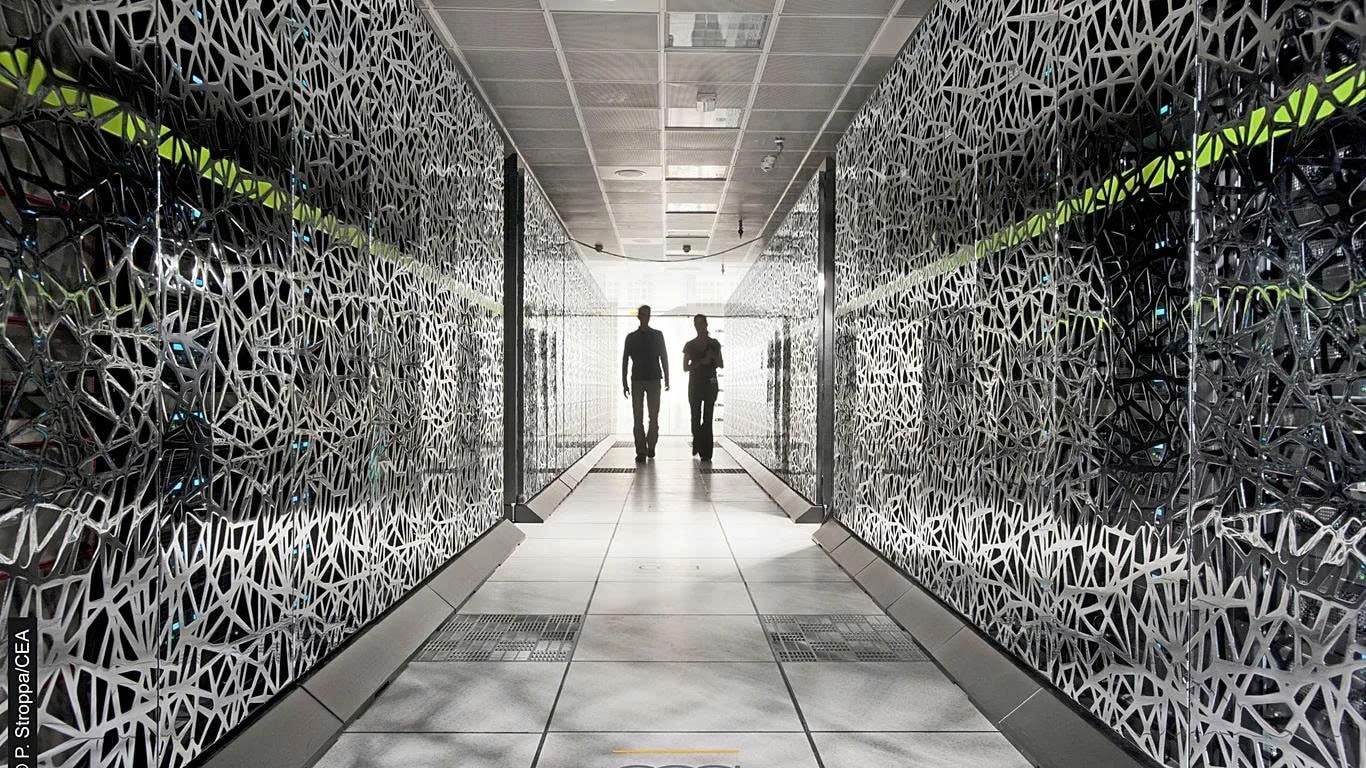
Spain's third supercomputer.
According to Euronews, BSC has officially added and put into operation its third quantum supercomputer, named EuroQCS-Spain. It will be integrated into the center's existing MareNostrum 5 supercomputer system.
Thus, BSC becomes one of the few places in the world where analog quantum computing, digital quantum computing, and classical supercomputers operate together as a single resource.
While classical computers operate with bits, which have only two states, 0 or 1, quantum supercomputers use qubits, which can represent both states simultaneously and allow for the solving of complex algorithms millions of times faster than traditional supercomputers.
Furthermore, unlike the two previous systems which used digital quantum technology, the new machine operates using analog quantum computing.
Supercomputers are powerful machines capable of performing the most complex computing tasks, from weather forecasting to scientific simulations and AI research.
Every second, supercomputers can perform billions or trillions of calculations simultaneously. They also have specialized architectures and cross-connectivity technologies that allow for efficient data exchange, ensuring smooth collaboration in tasks, such as in offices and businesses.
100% European technology
From chip design to the necessary software programming for use, the entire EuroQCS-Spain development process was designed and built by Barcelona-based Qilimanjaro Quantum Tech, with funding from the European Commission (EC) and the Spanish State Secretariat for Digitalization and AI.
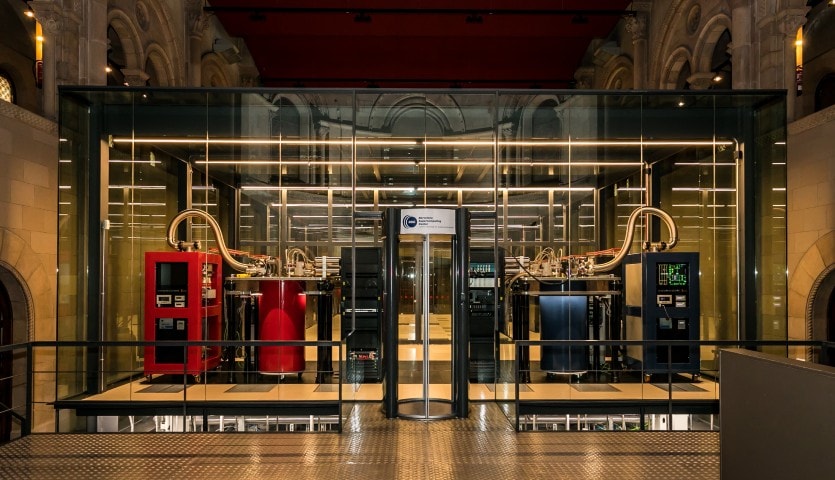
EuroQCS-Spain will be integrated into the European quantum computing network promoted by the European High-Performance Computing Joint Venture (EuroHPC JU). This is a program by the European Union (EU) aimed at enhancing supercomputing capabilities and developing the continent's own technological infrastructure.
To date, EuroHPC JU has six quantum computers distributed across different European countries. Three of them, installed in Poland, the Czech Republic, and Germany, have been inaugurated and are part of a future network of interconnected systems serving scientific research and technological development.
European experts say that developing European-designed and operated systems contributes to strengthening the region's "technological sovereignty ," reducing dependence on large non-European technology corporations, and bolstering Europe's competitiveness in advanced computing and AI.
Source: https://baodanang.vn/tay-ban-nha-va-eu-ra-mat-sieu-may-tinh-luong-tu-3338659.html




![[Image] Nearly 125,000 Hanoi students completed the Literature exam for the 10th grade entrance exam.](https://vphoto.vietnam.vn/thumb/1200x675/vietnam/resource/IMAGE/2026/05/30/1780117233041_ndo_br_thiet-ke-chua-co-ten-2-png.webp)





























































































Comment (0)