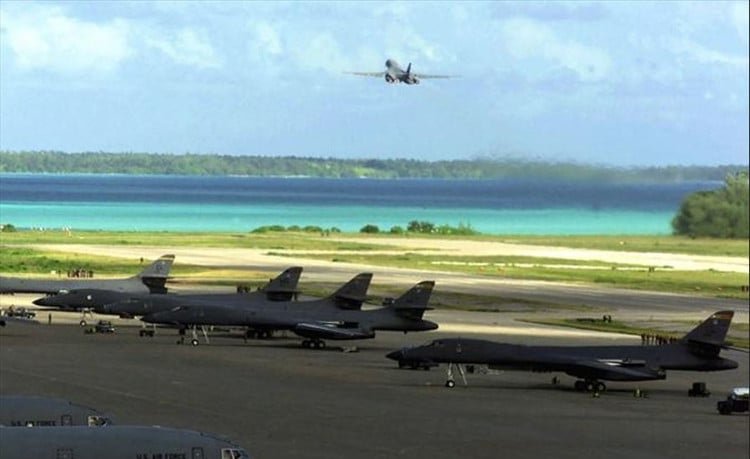
Iran's recent attack on the Diego Garcia base, although none of the missiles hit their targets, was still a strategic shock to NATO. Not because the missiles triggered the missile defense system, but because the Iranians managed to deliver a "warning" to the West.
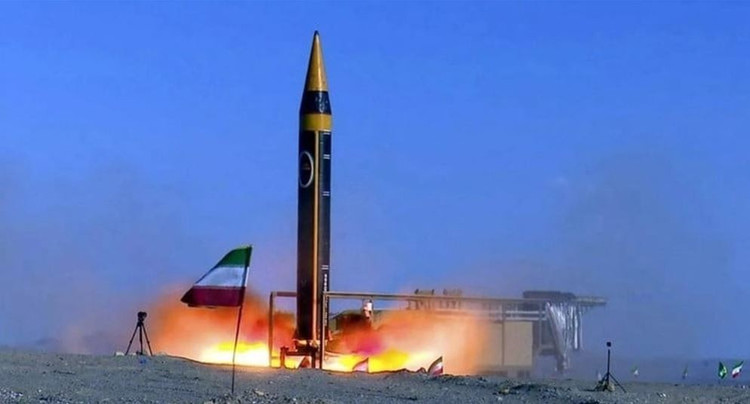
Israeli military analyst David Sharp, a former IDF officer and one of Israel's most widely cited military analysts, explains that Iran has been developing its offensive capabilities for years, including modifying missiles to carry lighter warheads, which increases their range.
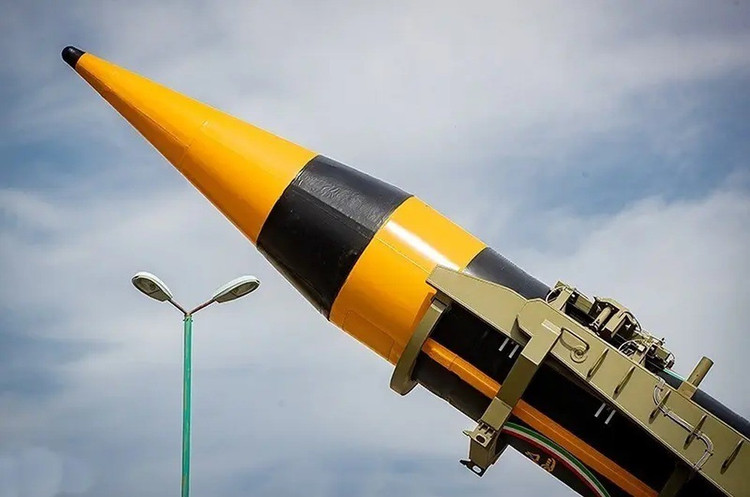
And expert David Sharp's assessment sounds almost like an accusation against Western intelligence agencies: it's not that Iran has become so powerful – but rather that Iran has been underestimated for too long; even disregarded.

Until recently, Tehran maintained that it “deliberately limited” the missile's range to 2,000 km. However, the attack was now carried out at twice the expected range. This is not just a technical detail; it represents a strategic shift.
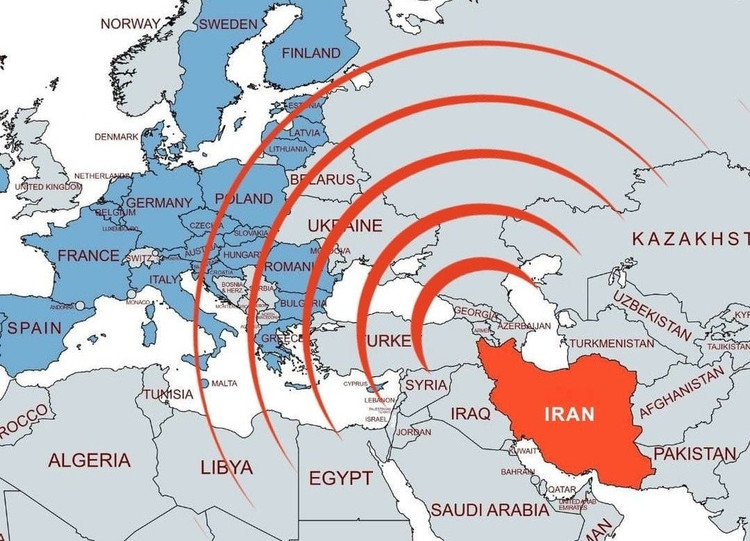
If we draw a radius of 4,000 km from Iran, most of Europe would be within the range of this Iranian missile. This transforms Iran's missile program from a threat to the Middle East into a threat to all of Europe.
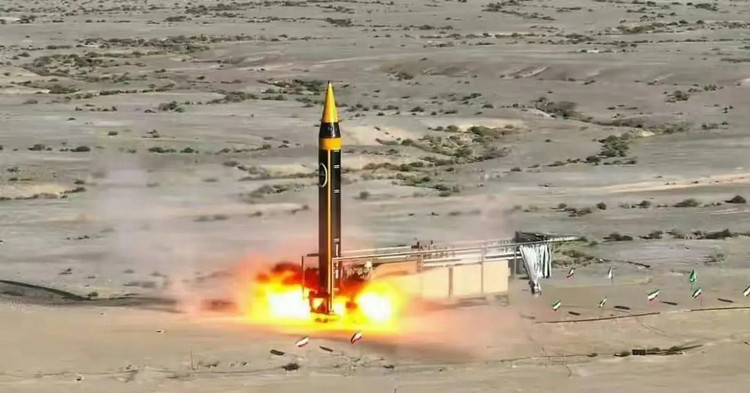
It cannot be said that Western intelligence agencies were completely blind: there have been previous estimates of Iran's missile range at 3,000 to 4,000 km. But these estimates remain hypothetical and have not been proven feasible in practice. And this seems to be the fatal mistake of NATO agents.
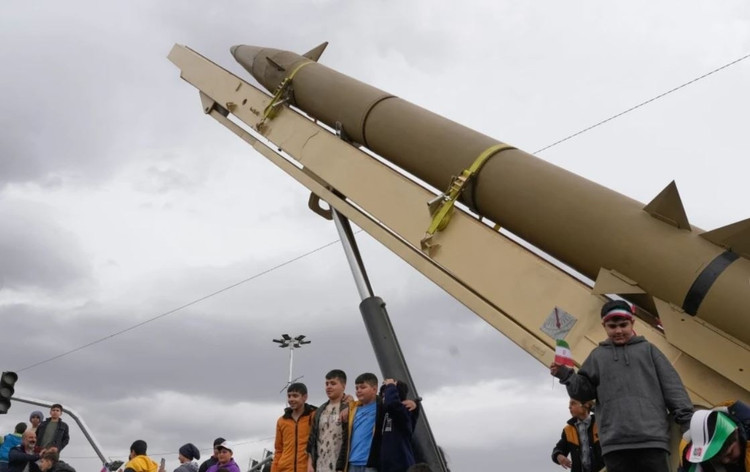
British military historian Lawrence Freedman, commenting on the West's underestimation of Iran's military strength, wrote about a typical trap: analysts often overlook scenarios that seem "possible, but uncertain." In the case of Iran, this logic led to strategic blindness.
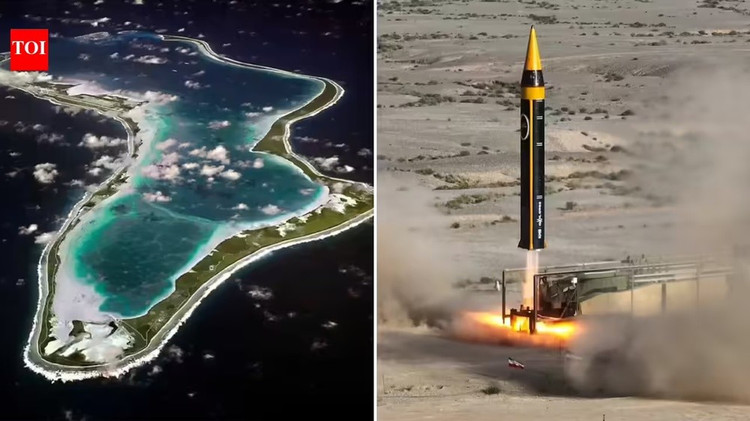
First and foremost, it was an Iranian attack on "unreachable" targets. Diego Garcia, the site of the Iranian attack, is not merely a base, but a symbol of remote security. It houses strategic bombers and nuclear infrastructure for the US and UK in the Indo-Pacific region.
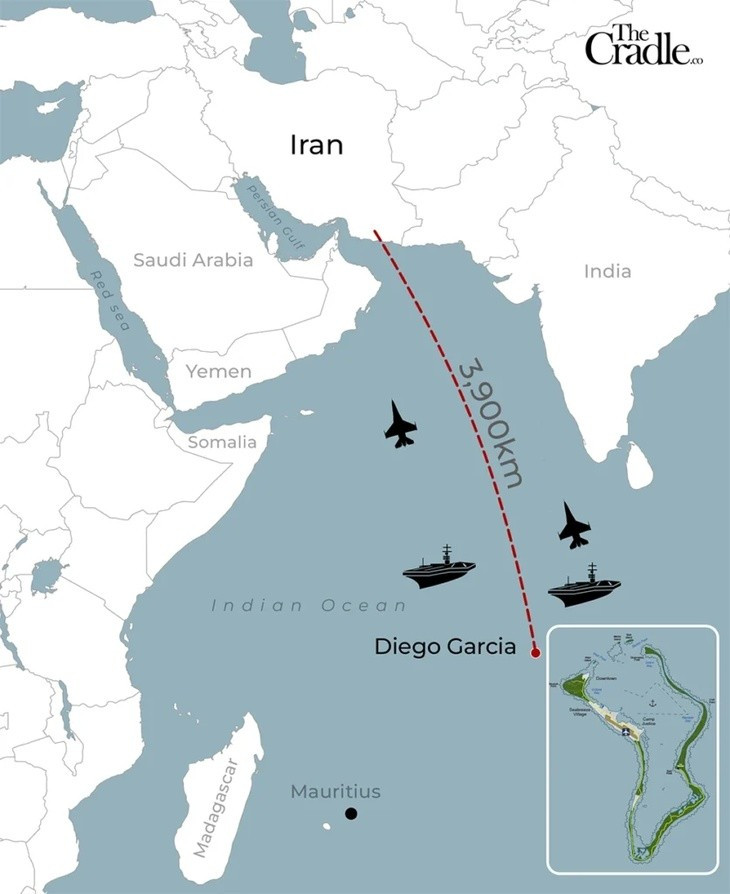
Diego Garcia's geographical location, situated 1,700 km from the southern tip of India and 3,400 km from the Arabian Peninsula, was once considered to have the best defense system. Now, it turns out that there is absolutely no defense system at all.
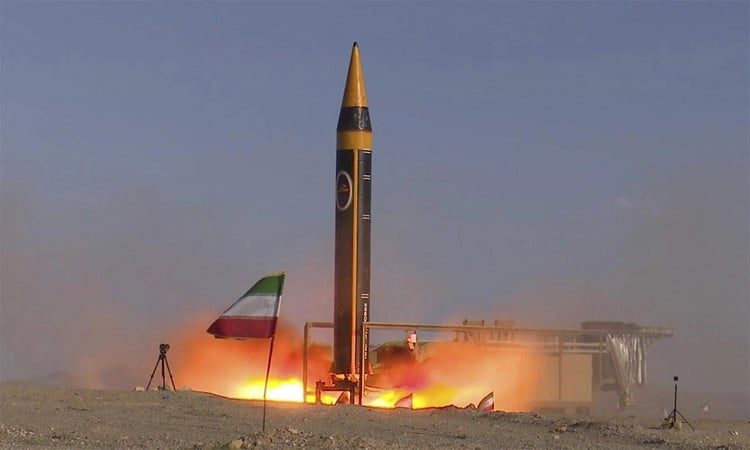
Secondly, Iran's missile attack on Diego Garcia proved not just how the Iranians "strike," but that Tehran "dared" to do it. This point was highly praised by French military expert François Heisbourg of the Foundation for Strategic Studies (FPRS), as it could deter some countries that intend to join the US-Israel alliance to attack Iran.
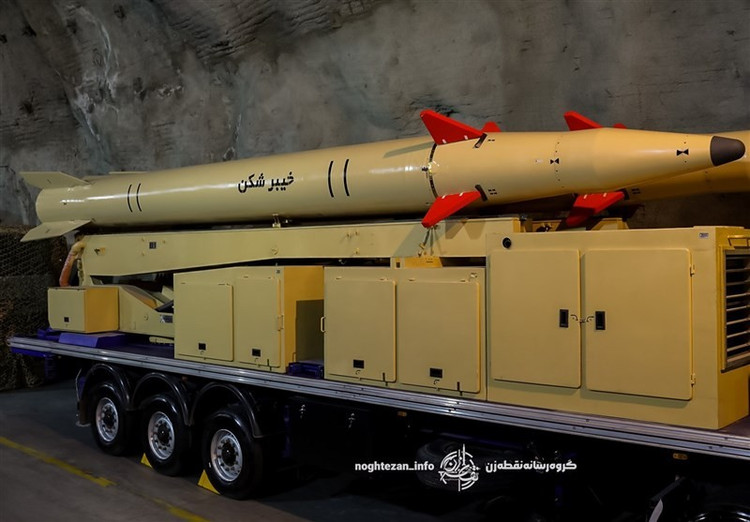
Before the war, Iran's ballistic missile arsenal was estimated to be in the wide range of 2,500 to 6,000 missiles. But both the U.S. and Israel claimed to have destroyed a significant portion of Iran's missile capabilities. For example, Israel claimed to have neutralized more than 70% of its launchers and a substantial part of its infrastructure.
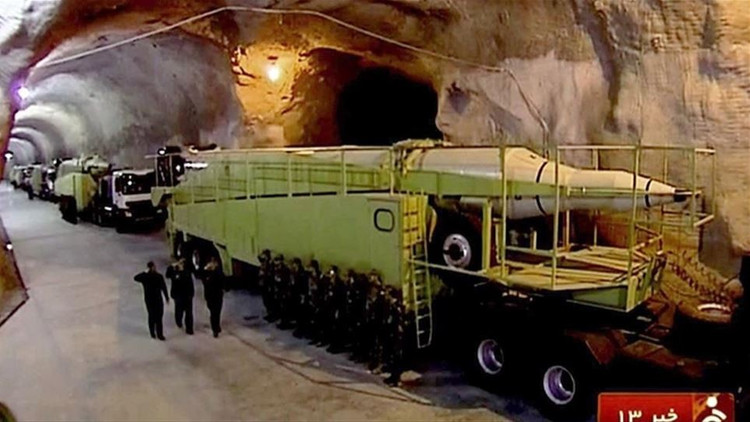
However, the American newspaper Wall Street Journal argues that Israel's claims are overly optimistic. In reality, Iran still possesses hundreds, even thousands, of missiles, some of which are hidden in underground bases to avoid detection by Israeli intelligence and attack.
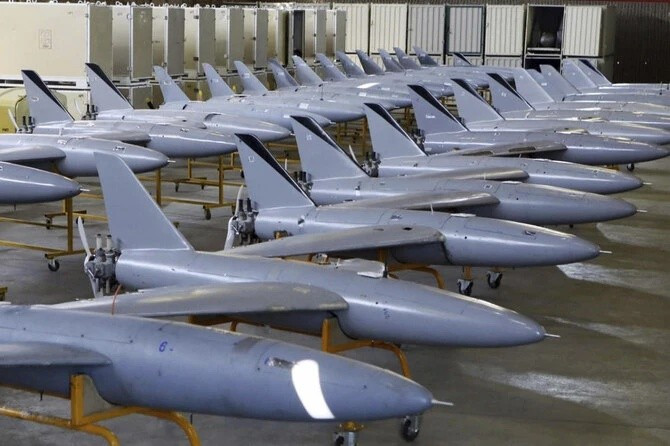
Iran's large-scale drone program is noteworthy: Reuters estimates that Iran is capable of producing up to 10,000 drones per month, which more than compensates for the missile shortage.
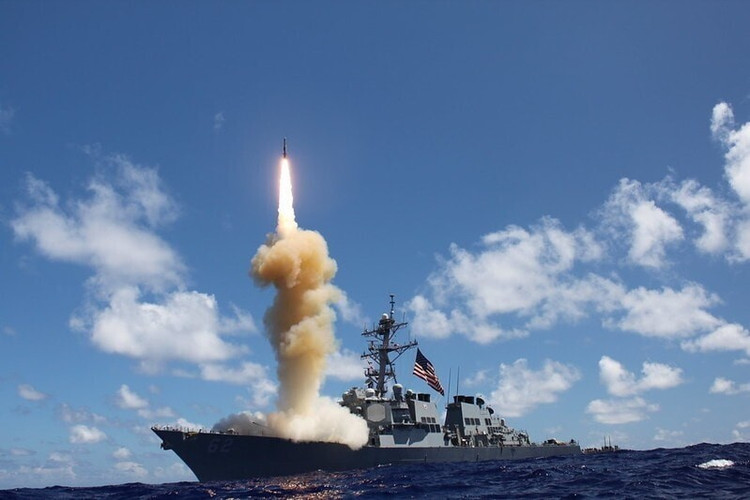
Therefore, NATO has every reason to be concerned about the weaknesses in its missile defense system. An SM-3 interceptor missile was launched to intercept one of two Iranian missiles heading towards Diego Garcia. Although the US claims the Iranian missile was shot down, this has not been verified.
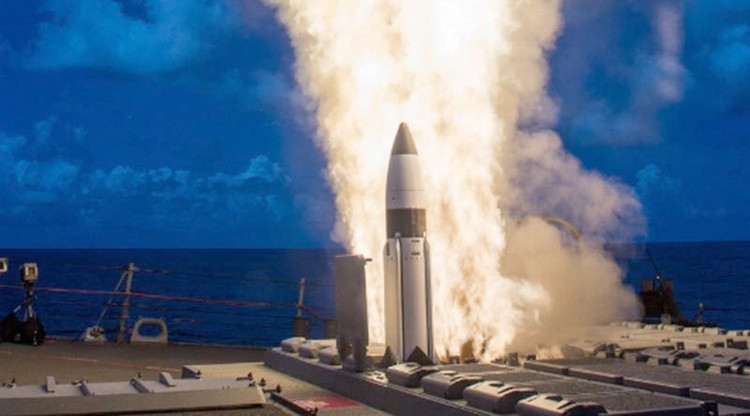
Under ideal conditions, intercepting ballistic targets is also a probabilistic outcome. As range increases, speed increases, missile trajectories become more complex, and reaction time decreases. This means that even with Iran's limited arsenal, it could become a means of exerting strategic pressure on NATO.
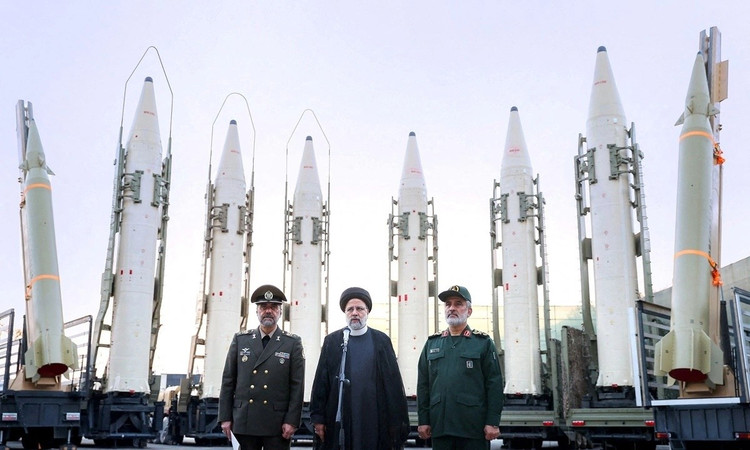
Thus, it appears the West is facing not just a simple intelligence failure, but something far more dangerous: a lack of confidence in their own judgment. After all, threats don't just appear out of nowhere; sometimes Washington and Brussels simply underestimate them for too long.
Svpressa (See source link)
Original article link Copy link
https://svpressa.ru/war21/article/507971/
Source: https://khoahocdoisong.vn/ten-lua-iran-an-nap-trong-can-cu-ngam-danh-lua-tinh-bao-phuong-tay-post2149094270.html


![[Photo] Standing Committee member of the Party Central Committee Tran Cam Tu working with the Central Inspection Committee](https://vphoto.vietnam.vn/thumb/1200x675/vietnam/resource/IMAGE/2026/05/28/1779969579668_ndo_br_bnd-2495-jpg.webp)












![[GALLERY] A "billion-dollar" game that hasn't even been released yet is already driving gamers crazy.](https://vphoto.vietnam.vn/thumb/402x226/vietnam/resource/IMAGE/2026/05/28/1779977371733_goi-3-png.webp)





![[GALLERY] Japan's ambition for the largest "super battleship" in history.](https://vphoto.vietnam.vn/thumb/402x226/vietnam/resource/IMAGE/2026/05/28/1779975571048_nhat-tung-muon-dong-quai-vat-bien-500000-tan-manh-hon-ca-mot-ham-doi-jpg.webp)
![[GALLERY] Surviving power outages in hot weather is still possible thanks to these batteries.](https://vphoto.vietnam.vn/thumb/402x226/vietnam/resource/IMAGE/2026/05/28/1779975574934_du-1-png.webp)

![[GALLERY] Facebook and Instagram users need to take note of this](https://vphoto.vietnam.vn/thumb/402x226/vietnam/resource/IMAGE/2026/05/28/1779954873247_ig-1-png.webp)

![[GALLERY] LG makes a breakthrough with the first 1000Hz FHD gaming monitor.](https://vphoto.vietnam.vn/thumb/402x226/vietnam/resource/IMAGE/2026/05/28/1779942265656_ultragear-1000hz-monitor-jpg.webp)

















































































Comment (0)