

 |
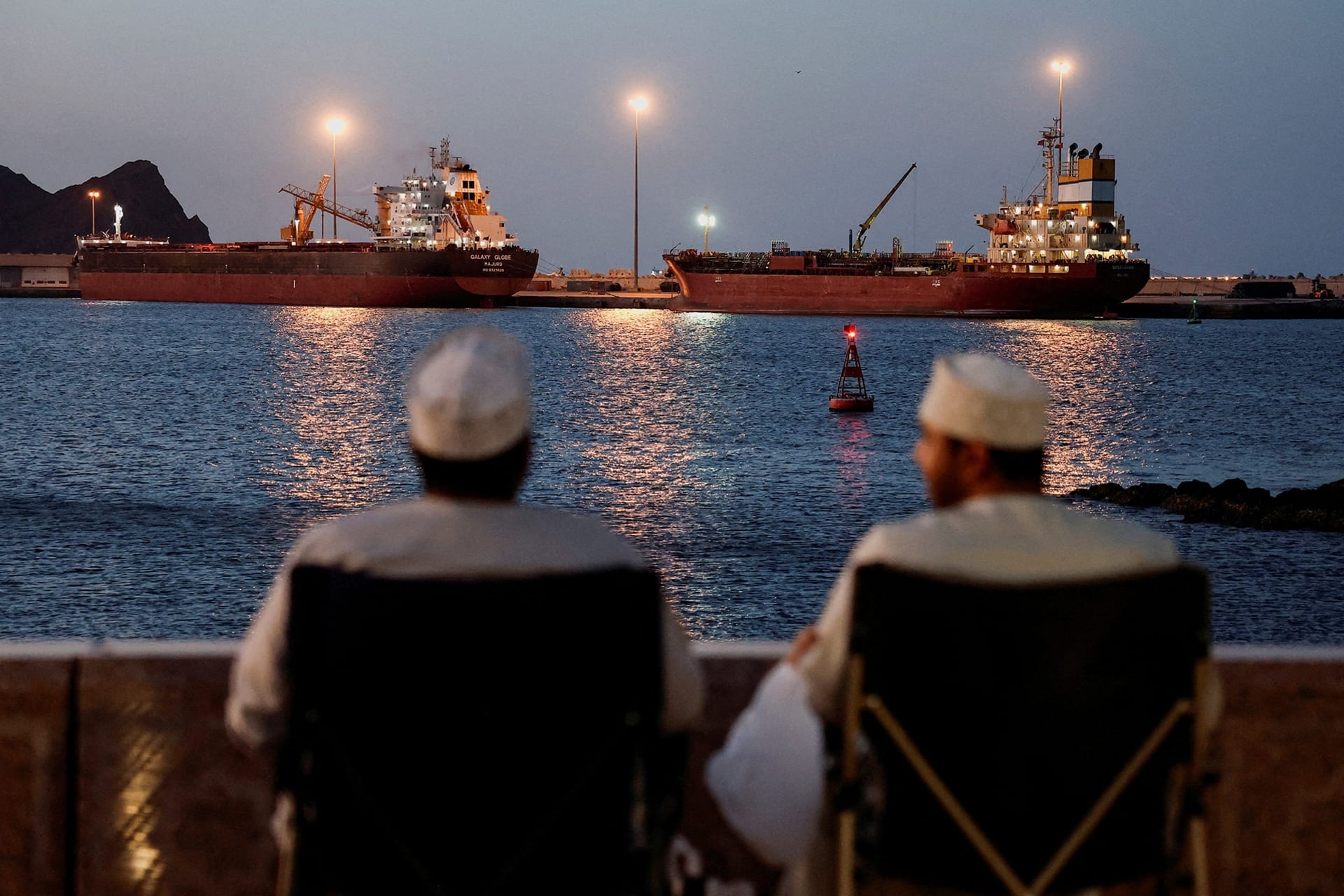
The bulk carrier Galaxy Globe and the oil tanker Luojiashan were anchored at Muscat port, Oman in March, amid the near-blockade of the Strait of Hormuz. Photo: Reuters. |
The US and Iran are nearing an agreement to reopen the Strait of Hormuz. The captains of the approximately 1,500 ships that have been stranded in the Persian Gulf for nearly three months are now ready.
However, much preparation is still needed to reopen this vital waterway, which once handled about one-fifth of the world's oil and gas before the conflict broke out.
Risks remain during the waiting period.
Even if an agreement is reached, a return to normalcy would take several weeks, possibly months, with traffic of around 130 ships per day . This means global energy prices are unlikely to fall immediately, following a period of sharp increases in the US and many other countries.
Jakob P. Larsen, Director of Security at the Baltic and International Maritime Council (BIMCO), said: “Companies need to know the priority order for their vessels. Vessels also need to limit their speed to avoid collisions or running aground in shallow waters. We need to know the specific routes and which authorities to coordinate with to obtain permits.”
Approximately 20,000 sailors working intermittently on the ships now have to restart their systems. Ships anchored for too long in the Persian Gulf are also covered in barnacles, marine life, and algae, affecting their operational and maneuverability.
Hapag-Lloyd, the world's fifth-largest container shipping company, has managed to get one ship out of the area. CEO Rolf Habben Jansen shared: “This ship needed a very thorough cleaning. After leaving the area, we noticed its top speed was significantly lower than normal.”
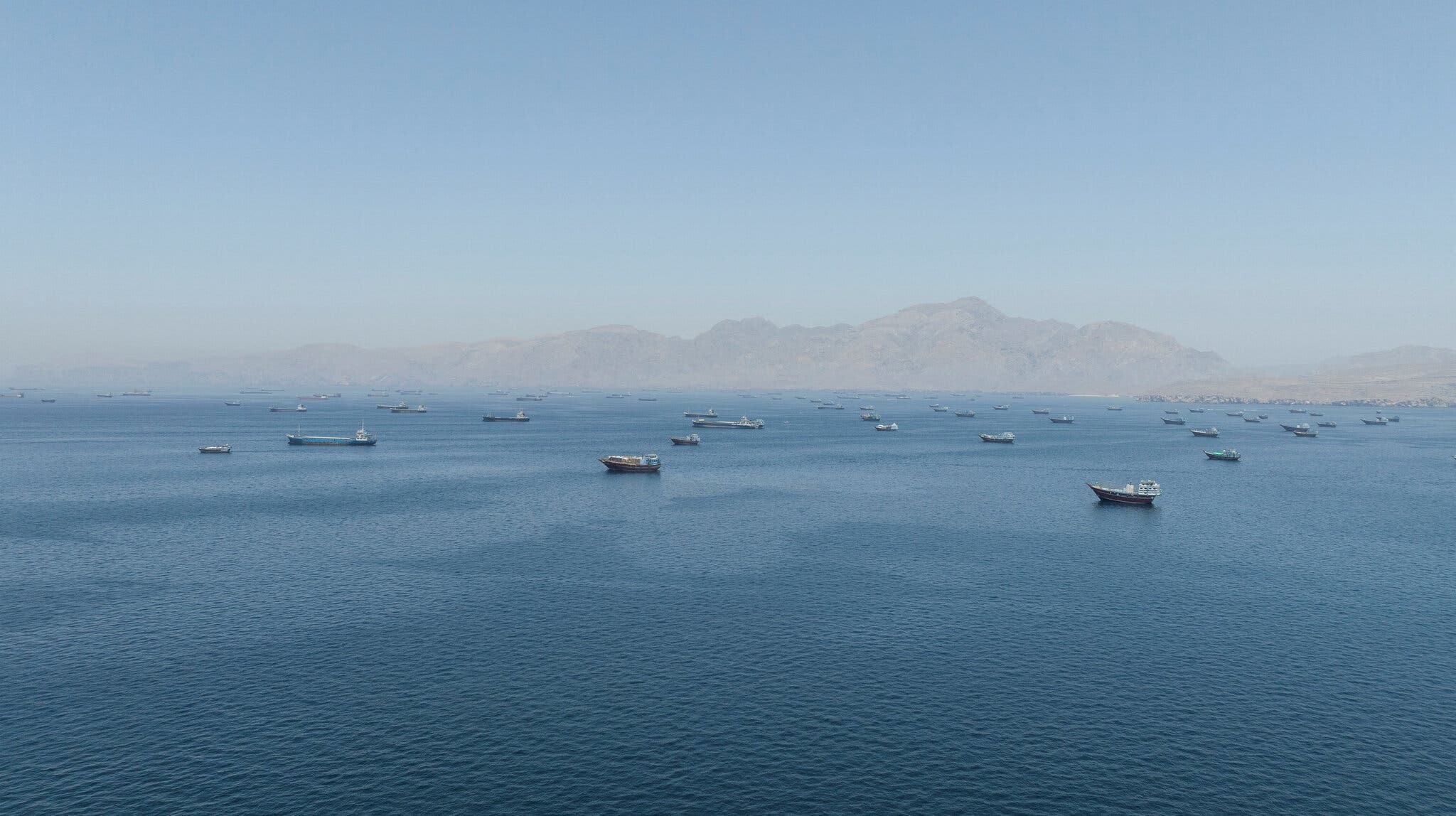 |
Companies want to know how their ships will be prioritized if traffic through the Strait of Hormuz is restored. Photo: Reuters |
Furthermore, Iran has threatened to control the strait and establish a new administrative authority. British military officials have warned that Iran has laid seamines, posing a significant threat to ships in the area. These mines can create large air bubbles underwater, causing serious damage to ship hulls.
According to the International Energy Agency (IEA), navies of countries such as the US, UK, France, and Germany will need several weeks to clear mines. This also means that maritime insurance premiums will continue to remain high.
It is unclear what will happen next.
Lasse Kristoffersen, CEO of Wallenius Wilhelmsen, a Norwegian shipping and car transport company, predicts it will take at least 30-45 days for shipping activity in the strait to return to normal. The situation can only stabilize when companies feel confident enough to send ships out and bring in new vessels to pick up cargo.
Furthermore, companies must ensure their vessels are safe from conflict. The Iranian-backed Houthi forces are still attacking ships in the Red Sea. Although the number of attacks has decreased, many shipping companies are still avoiding the area. Kristoffersen stated, "The fear is enough to make us stop trading."
According to Dimitris Ampatzidis, an expert at the maritime data company Kpler, even with procedures in place, shipping traffic will only recover to about 40-50% after 3-4 weeks. Companies also want to know what the next step will be: will the strait be fully open or controlled, will ships travel in convoys or have their routes restricted?
He predicted that the most likely scenario was that ships would still be allowed to travel, but under stricter conditions, involving higher insurance costs and longer waiting times.
In fact, some businesses remain skeptical about the agreement. Ami Daniel, CEO of maritime intelligence firm Windward, said: “We’ll have to wait and see when the agreement is actually signed and takes effect.”
He also pointed out the inconsistency in statements between US and Iranian officials. Businesses may remain cautious, even if Trump declares the strait open, because similar things have happened twice before.
Source: https://znews.vn/thach-thuc-di-chuyen-1500-tau-o-eo-bien-hormuz-post1654226.html
![[Image] Pleasant weather helps students enter the 10th grade entrance exam with confidence.](https://vphoto.vietnam.vn/thumb/1200x675/vietnam/resource/IMAGE/2026/05/29/1780034401612_ngay-1-thi-lop-10-minh-duy-8-5009-jpg.webp)

![[Photo] Ba Lang An Lighthouse - the "eye of the sea" amidst the "rock museum" of Quang Ngai province.](https://vphoto.vietnam.vn/thumb/1200x675/vietnam/resource/IMAGE/2026/05/29/1780038698840_anh-man-hinh-2026-05-29-luc-14-10-42.png)




















































































Comment (0)