

 |
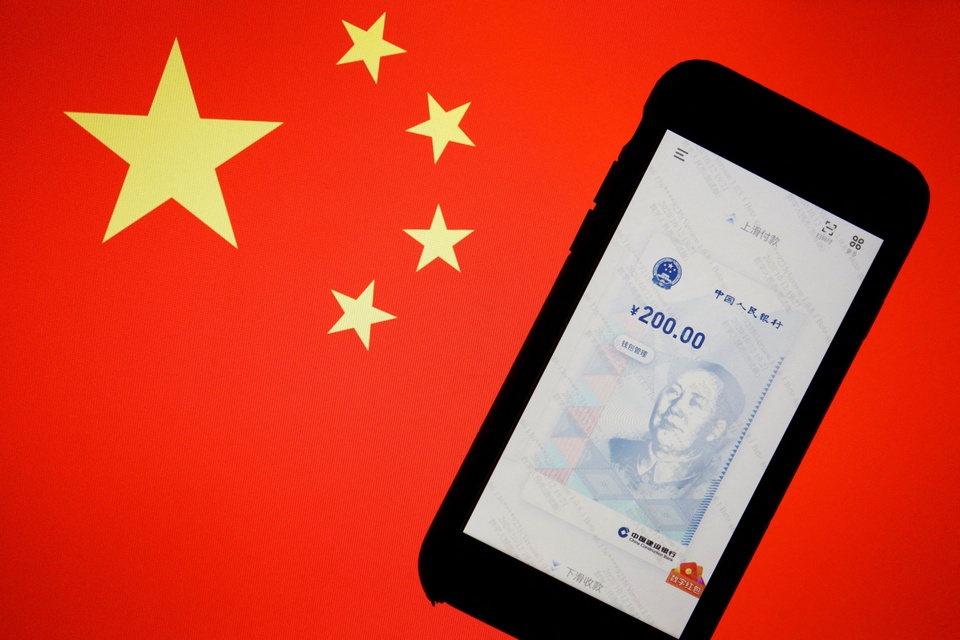
China is choosing its own path in the cryptocurrency race with the US. Photo: Reuters . |
According to Reuters , the People's Bank of China (PBOC) is introducing various incentive policies and "behind-the-scenes" directives to encourage commercial banks to expand the adoption of the digital yuan (e-CNY).
The applications of this digital currency have now expanded from lottery programs and green electricity bill payments to public fiscal spending.
Simultaneously, the banking system is also under pressure to increase the use of e-CNY in cross-border transactions, especially along the Belt and Road Initiative countries, pushing financial institutions into a race to develop compatible products such as loans, letters of credit, and commercial paper.
China chooses its own path.
Beijing's strategy of betting on digital currencies is creating a stark contrast with Washington, where US President Donald Trump openly supports private stablecoins but bans the circulation of central bank digital currencies in the domestic market.
Analysts believe China's move stems from its ambition to reduce its dependence on the global payment system dominated by Western institutions, which use the US dollar as a reserve currency.
Therefore, the e-CNY could act as a technological buffer, helping to protect and maintain the country's international trade flows from disruption in the face of future geopolitical shocks, especially after the instability from the conflict in the Middle East.
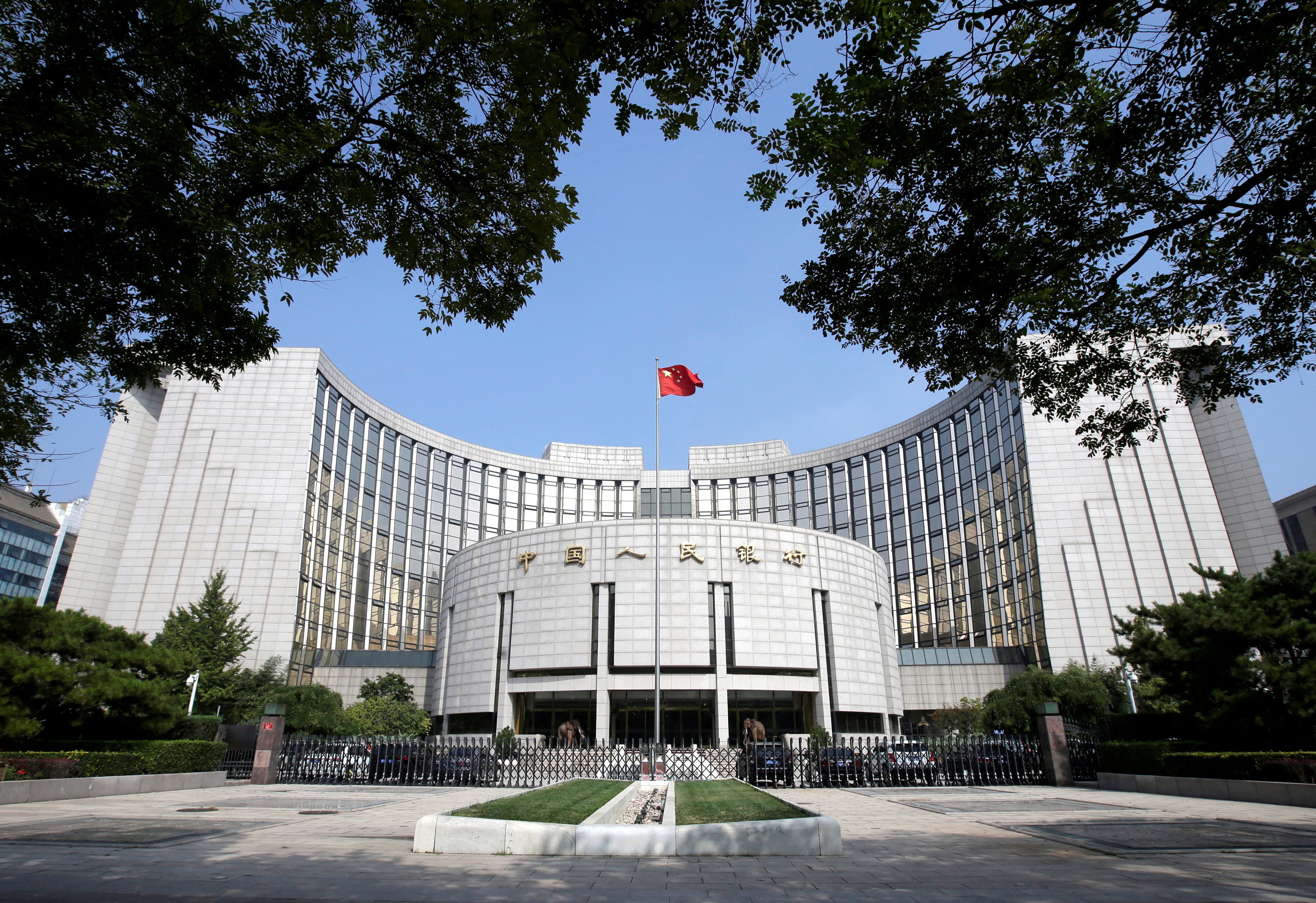 |
The headquarters of the People's Bank of China in Beijing (China). Photo: Reuters . |
China Securities Co. emphasized in a report that conflicts in the Middle East have exposed the risks of weaponizing the US dollar, highlighting the urgent need for de-dollarization among oil producers in the region. The Iranian conflict is accelerating the internationalization of the yuan, expanding its global influence from trade to geopolitics.
Despite its ambitious goals, the digital yuan still faces many hurdles. As of November last year, the total cumulative e-CNY transactions since its launch in 2019 had only reached 16.7 trillion yuan (approximately $2.47 trillion ), a tiny figure compared to the 279 trillion yuan in UnionPay card transactions projected for 2025 alone.
Commenting on this situation, Xin Yan, CEO of Sign, a digital infrastructure developer, said that China and the US are the two engines of the global economy , and both are pushing their own standards. China's digital yuan is more compatible with the banking system, but it is not as foreign-friendly.
Who will use e-CNY?
The major turning point driving this stimulus campaign came from China allowing interest payments on e-CNY balances, and doubling the number of licensed operating banks to 22 in April.
This decision transforms e-CNY into an on-balance sheet deposit liability for banks, directly incentivizing institutions to promote its application as it is included in deposit valuation criteria and allows for the development of additional credit and asset management products.
A source in the fintech industry that provides IT services to banks revealed that, despite slow progress in recent years, the Chinese government seems "really serious this time" about promoting the digital currency, making e-CNY balances and account numbers core indicators for evaluating banks' capabilities in building a more inclusive ecosystem.
To stimulate domestic consumption, the PBOC is testing applications using "smart contracts" that automatically trigger payments when conditions are met, piloting them in lottery draws, prepaid cards, fiscal spending, and supply chain financing.
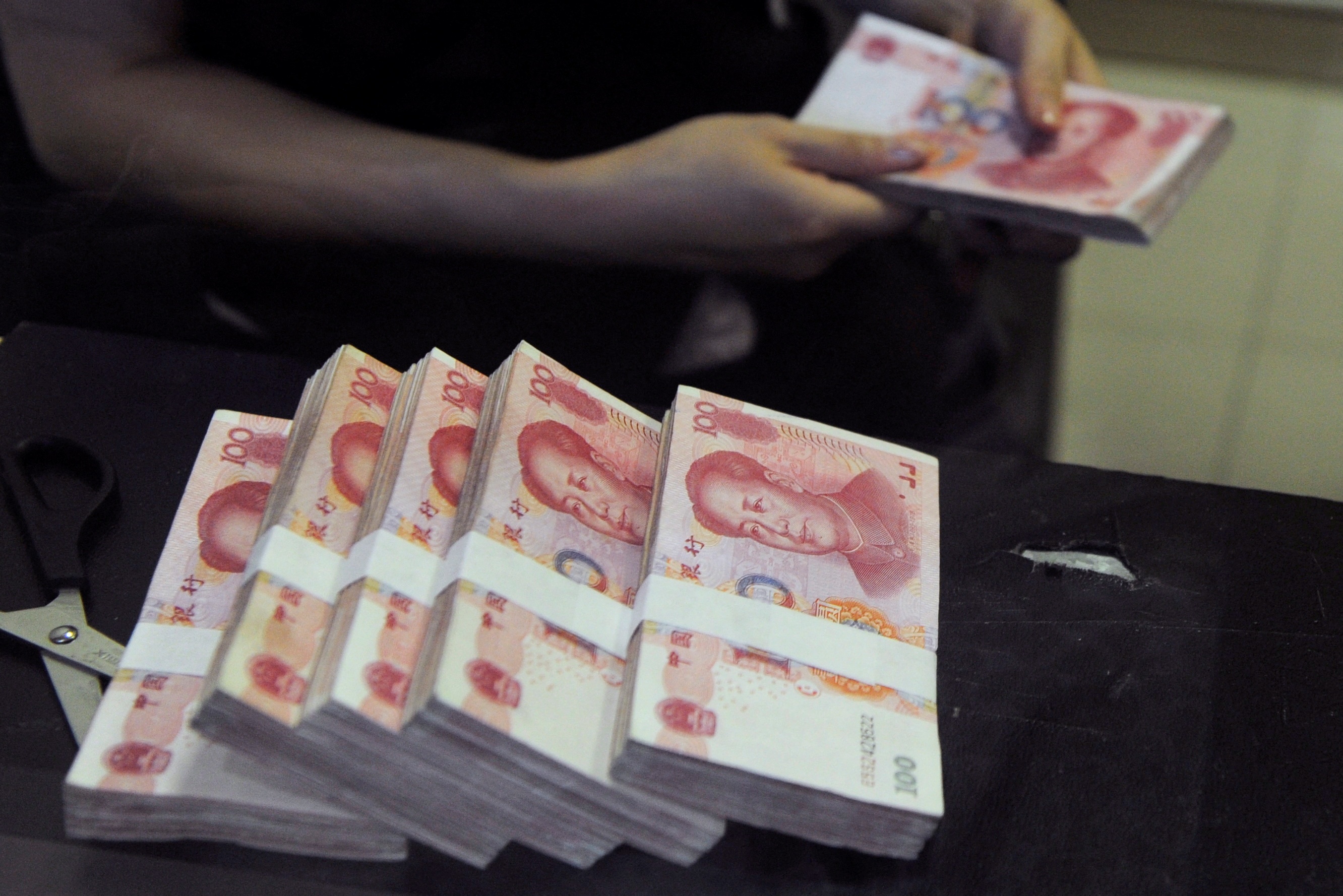 |
Chinese citizens still need time to adapt to the new payment method via e-CNY. Photo: Reuters . |
Internal sources indicate that authorities are also using digital currency to combat health insurance fraud and monitor green energy consumption thanks to its ability to accurately trace the flow of money.
Local governments have set specific quantitative targets and conducted internal pilot programs through payroll payments or healthcare fund disbursements, and the PBOC is even considering establishing a clearinghouse similar to UnionPay to handle interbank transactions in order to optimize efficiency.
However, experts believe that e-CNY is unlikely to shake the small-scale consumer habits dominated by Alipay and WeChat Pay because its goal remains to facilitate international payments between businesses, which faces many obstacles in reaching foreign customers.
Zhou Xiaoquan, an official from the Shanghai Financial Committee Office, said the city is encouraging organizations to use mBridge, a platform linking China, Hong Kong, Thailand, the United Arab Emirates, and Saudi Arabia. He also noted that related business applications now cover trade in goods, services, and maritime insurance.
Although cross-border payments with ASEAN countries are a top priority, an anonymous source warned that foreign partners are currently not very enthusiastic about adopting e-CNY and that it will take more time to increase its attractiveness.
Source: https://znews.vn/tham-vong-e-cny-cua-trung-quoc-post1655569.html






































































































Comment (0)