

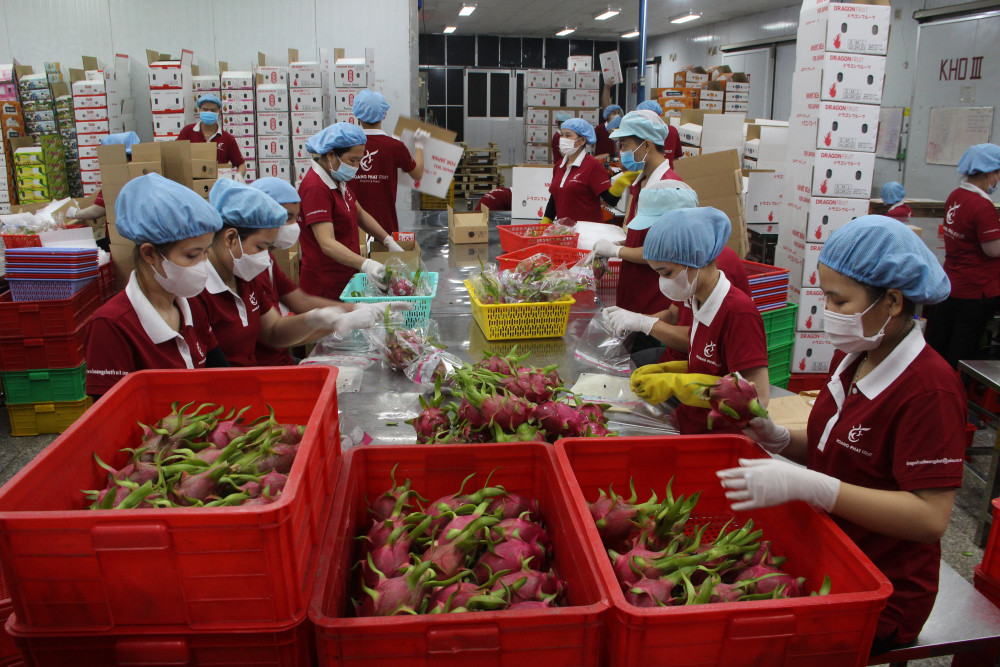
Export difficulties have led to a sharp drop in dragon fruit prices.
Reduced planted area, uncertain output.
According to the Department of Agriculture and Environment, the province currently has 7,338 hectares of dragon fruit cultivation, equivalent to 95.6% compared to the same period last year; of which, the area producing fruit is 6,860 hectares. Compared to previous years, the area is trending downwards, and some farmers are no longer enthusiastic or committed to this crop due to its unstable economic returns.
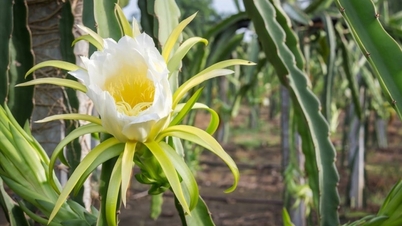
Although the planted area has decreased, dragon fruit yields this year are quite good, with abundant production. However, before they could celebrate, farmers were disappointed by the extremely low prices. Specifically, white-fleshed dragon fruit only ranges from 4,000-7,000 VND/kg; red-fleshed dragon fruit (grade 1) costs 13,000-15,000 VND/kg, grade 2 from 7,000-9,000 VND/kg, and grade 3 only 3,000-5,000 VND/kg. At these prices, many farmers are struggling to recoup their investment.
Mr. Nguyen Thanh Sang, a dragon fruit farmer in Tam Vu commune, shared: “One hectare of dragon fruit requires an investment of 120-150 million VND per year. Meanwhile, the current price is too low. In some seasons, the sales don't even cover the cost of fertilizer and pesticides, so many households have had to cut down their crops, switch to other crops, or choose not to take care of their orchards at all.”
In reality, the "bumper harvest, plummeting prices" phenomenon has occurred many times with dragon fruit. When the export market, especially China, experiences fluctuations, domestic prices immediately drop. In this context, households not affiliated with cooperatives or businesses are forced to accept lower prices from traders.
Faced with falling prices, many farmers are forced to sell their produce cheaply to traders to recoup their capital. Some cooperatives are trying to maintain production linkages, but their scale is still small and they lack the capacity to regulate the market.
A representative from a cooperative in An Luc Long commune stated that while the cooperative has signed contracts with export-oriented businesses, the volume of their products only accounts for about 20-30% of the members' total output. The remainder still depends on traders, resulting in unstable prices. Farmers need a stable market outlet, while businesses demand consistent quality and production according to VietGAP or GlobalGAP standards. This is the "bottleneck" that the cooperative is trying to overcome.
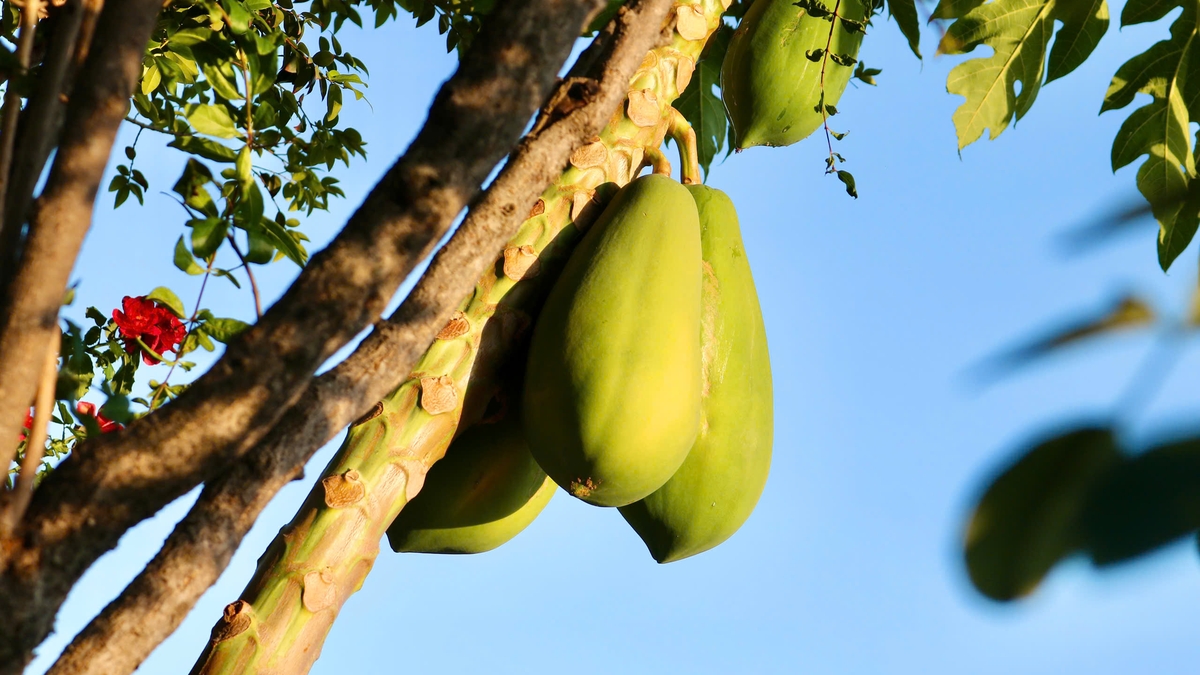
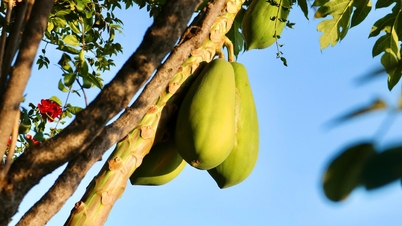
Many households have sought new directions by converting a portion of their land to growing other fruit trees such as papaya, jackfruit, custard apple, etc., hoping for higher economic value. However, this massive conversion carries many risks.
We need to improve quality and strengthen linkages.
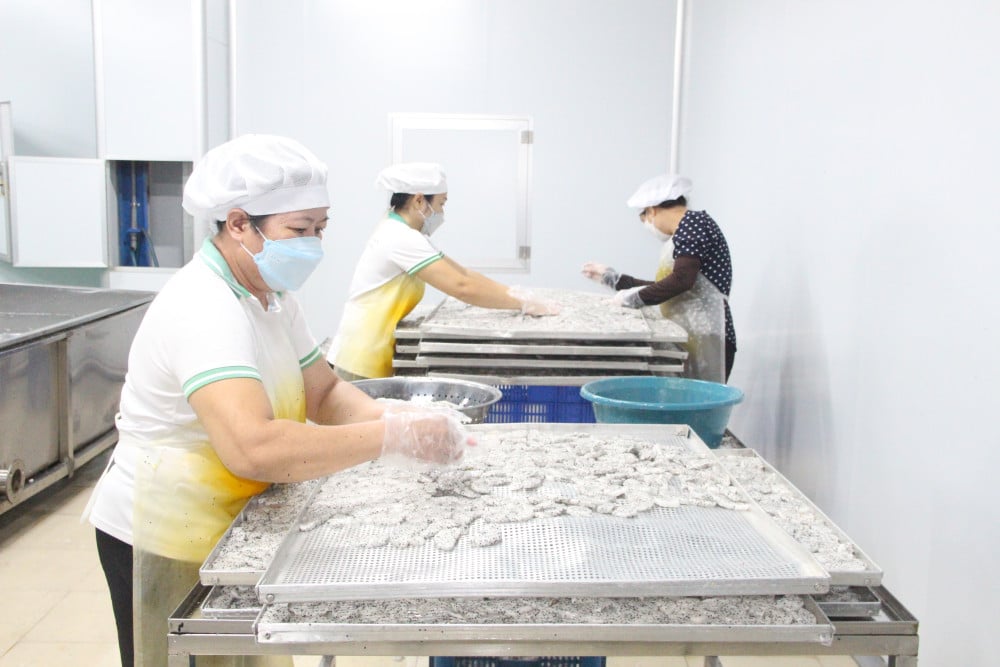
Attracting investment and developing the processing industry are considered essential directions for more sustainable dragon fruit development in the future.
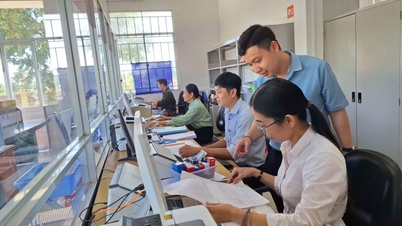
To avoid farmers falling into a vicious cycle of "planting - cutting down - planting," the provincial Department of Agriculture has identified the need for a long-term, comprehensive strategy. First, it is necessary to promote safe production methods, achieving VietGAP and GlobalGAP certifications to meet the stringent requirements of official import markets. Simultaneously, relevant agencies need to strengthen training and technical guidance for farmers to improve productivity and consistent quality, reducing dependence on middlemen.
Another important solution is to reorganize production into supply chains. Through cooperatives and production groups, farmers will have the opportunity to sign guaranteed purchase contracts with businesses, ensuring a more stable market for their produce. The models that have been initially implemented have shown effectiveness, with the selling price of dragon fruit from cooperative members consistently being 10-15% higher than the free market price.
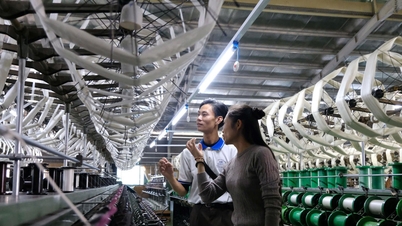
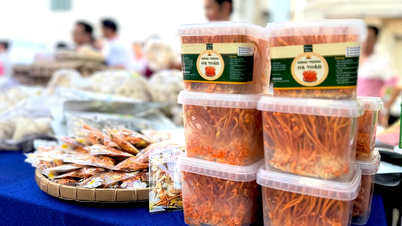
Furthermore, developing the processing industry is also considered an inevitable direction. Currently, most dragon fruit is consumed fresh, leading to significant pressure during the peak harvest season. Having more processing plants to create diverse products such as juice, dried fruit, frozen fruit, etc., would increase shelf life and expand the consumer market.
An equally important factor is brand building and expanding official export markets. Tay Ninh has the advantage of suitable land and soil conditions for dragon fruit cultivation, but whether the product can reach a wider market depends heavily on traceability, geographical indication registration, and enhanced trade promotion.
According to Deputy Director of the Department of Agriculture and Environment, Dinh Thi Phuong Khanh, dragon fruit remains a key crop in many localities. For this crop to develop sustainably, it cannot rely solely on the Chinese market but must expand to other potential markets such as South Korea, Japan, and the EU. The provincial Department of Agriculture will support businesses and cooperatives in connecting and signing long-term contracts; and encourage and guide farmers to produce according to the necessary agricultural standards to meet export requirements.
For dragon fruit cultivation to thrive sustainably in Tay Ninh, it requires not only the efforts of farmers but also the strong support of the government, businesses, and related organizations. When agricultural production – including dragon fruit – is properly planned, high technology is applied, processing is linked, and markets are expanded, the problem of "bumper harvest, low prices" will gradually be solved, bringing stable income to farmers and contributing positively to the sustainable development of the province.
Thanh Tung
Source: https://baolongan.vn/thanh-long-duoc-mua-mat-gia-a201295.html














































































Comment (0)