

Accordingly, the transformation of the governance model, from a provincial level to an urban government model, will help Dong Nai improve its urban governance capacity, enhance its ability to coordinate development and regional linkages to effectively exploit its advantages in industry, logistics, commercial services, and aviation economy .
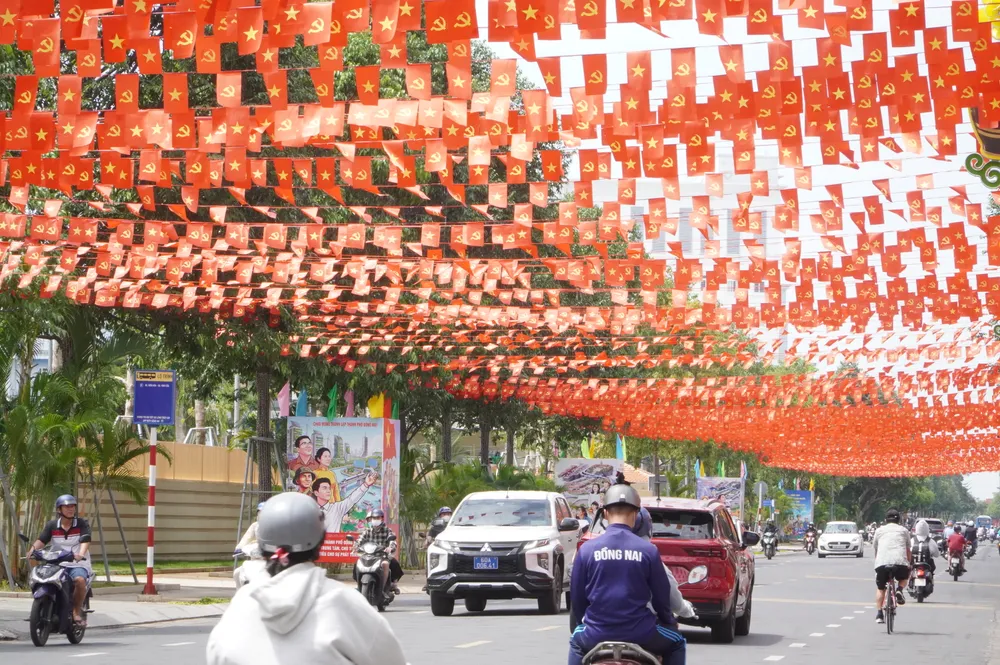
At the same time, the government apparatus will be restructured towards streamlining, reducing intermediate layers, increasing directness in administration, and enhancing accountability. This will also serve as a basis for standardizing the workforce of officials, civil servants, and public employees according to the requirements of modern urban governance, contributing to improving the quality of service for citizens and businesses.
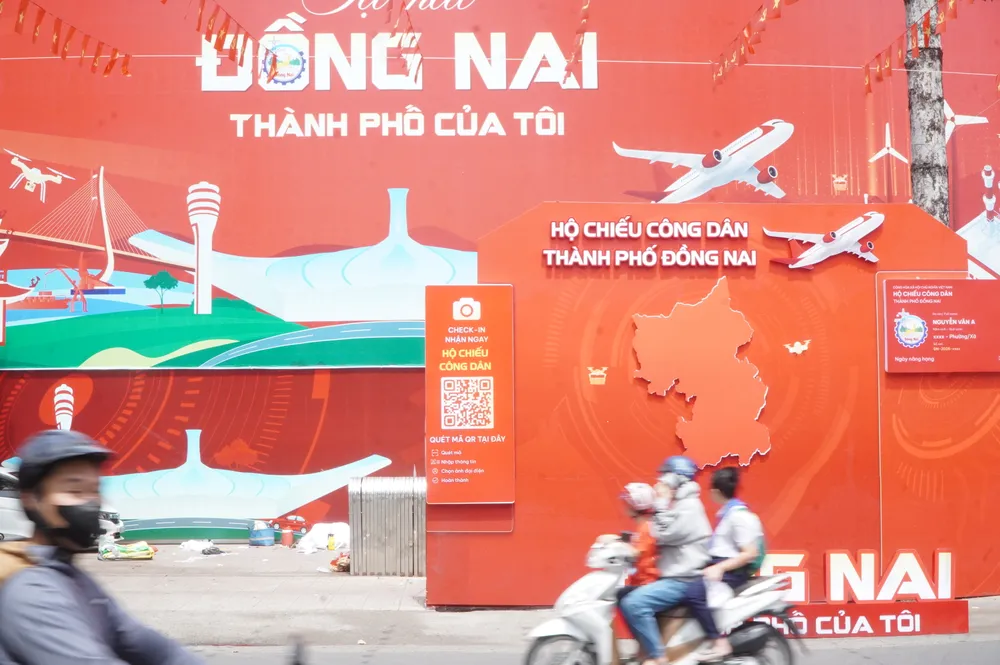
Notably, residents will not have to repeat administrative procedures and paperwork when Dong Nai transitions to a city model. Information will be updated on the national electronic identification application system VNeID.
In the economic, financial, and budgetary fields, upgrading administrative units is considered to contribute to enhancing the locality's position, facilitating investment attraction, expanding development space, and increasing the ability to mobilize resources. With its large economic scale and stable budget revenue, Dong Nai has the conditions to develop in the direction of modern industry, high-quality services, and logistics.
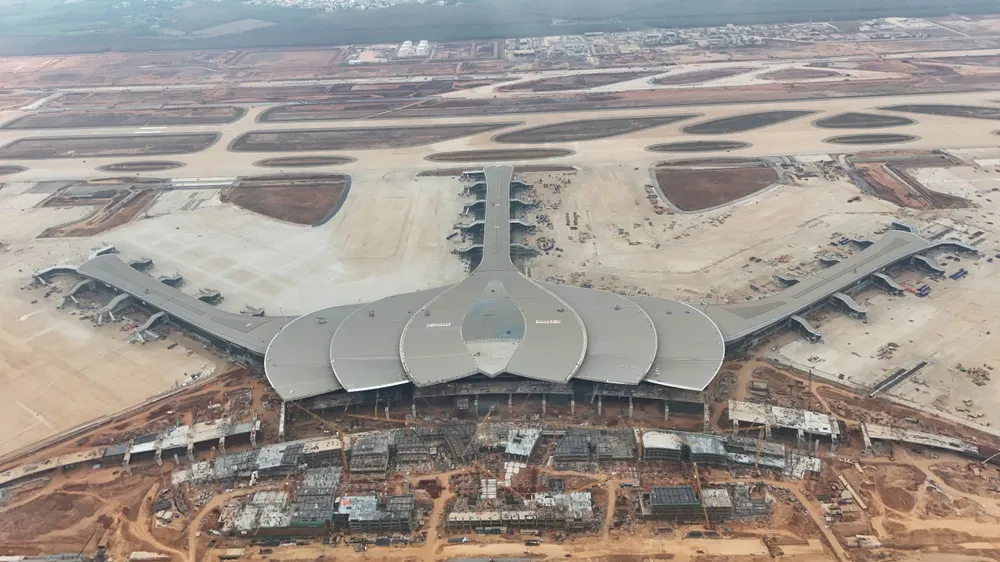
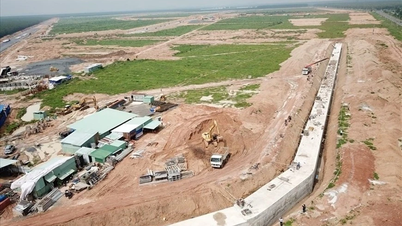
During the period 2026-2030, the locality will also have better access to public investment capital from the central budget, while enhancing its ability to mobilize other legitimate sources of capital to implement key infrastructure projects and regional linkages such as ring roads and routes connecting to Long Thanh International Airport.
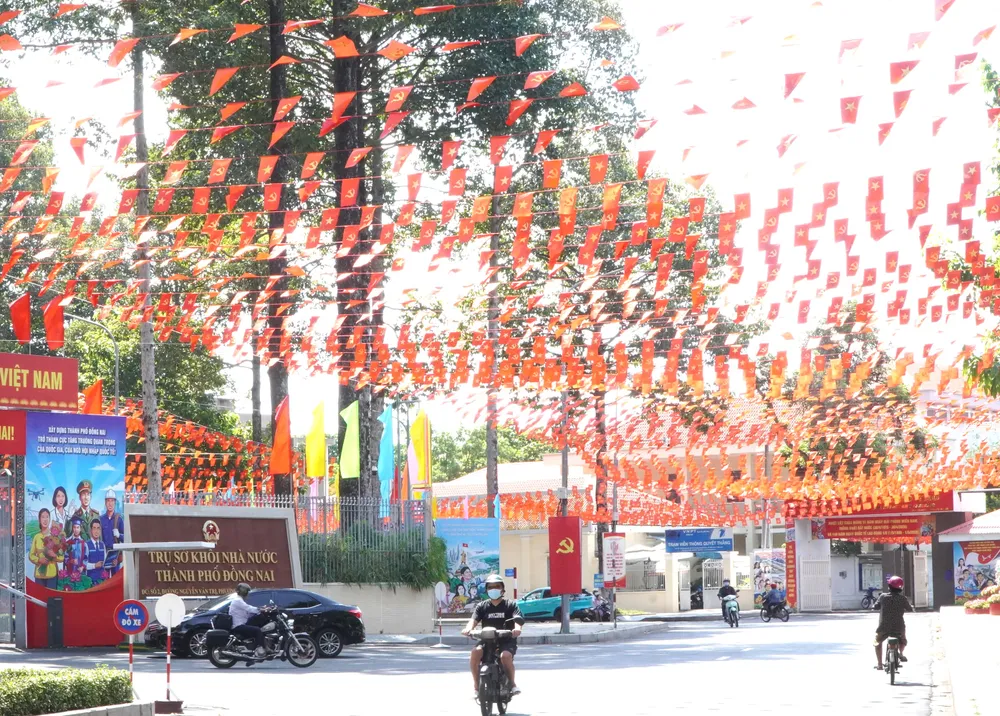
In the socio-cultural field, upgrading administrative units is expected to improve the quality of public services, enhance the material and spiritual lives of the people, create more jobs, and attract high-quality human resources.
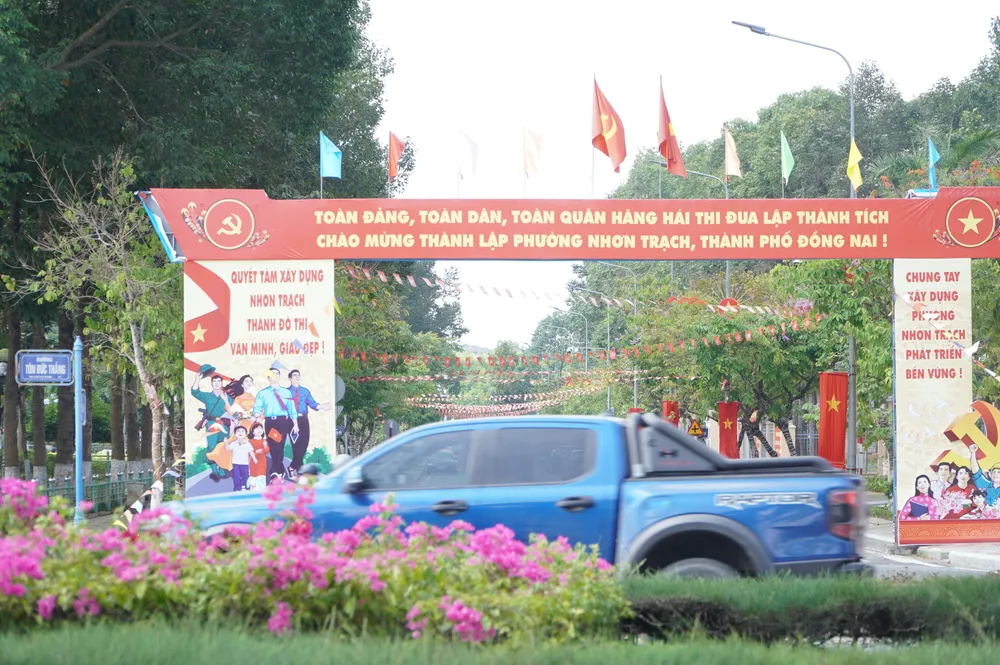
Mr. Do Duy Vu (residing in Tam Hiep ward) expressed that this is an honor and also a motivation for the locality to develop even more strongly. He hopes that when Dong Nai develops into a city, the transportation infrastructure will be more synchronized, the economy will develop, attracting more businesses to invest, creating more jobs and improving the lives of the people, so that Dong Nai truly becomes a modern, civilized, and livable city.
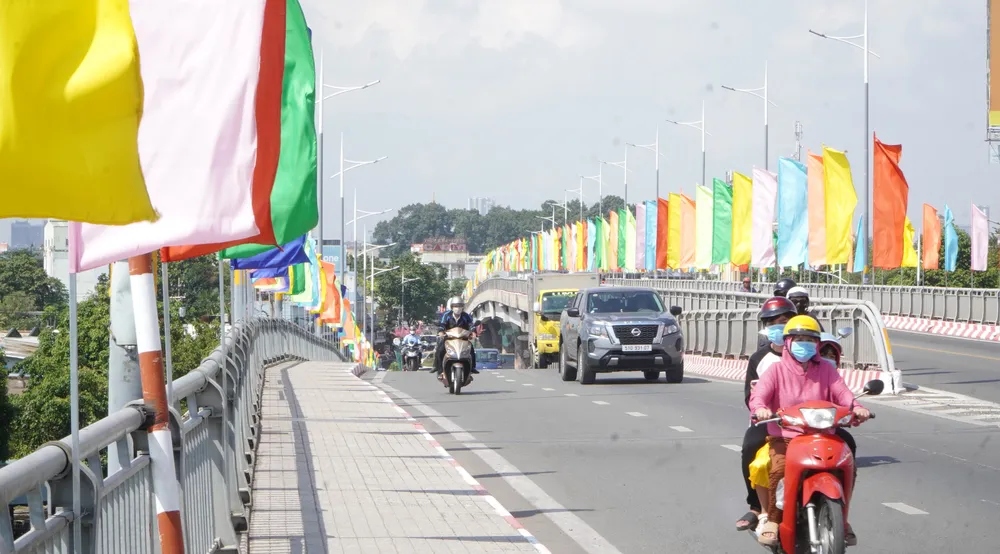
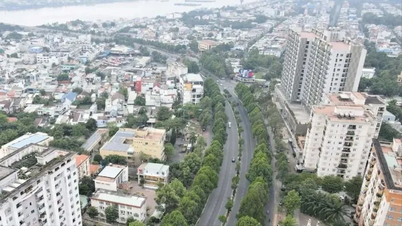
In addition, the locality will promote investment in waste and wastewater treatment projects using modern technology to ensure the quality of the living environment. The planning of smart satellite urban areas is expected to reduce population pressure in the central area, forming civilized, safe, and modern residential communities.
Mr. Doan Van Duc (residing in Tran Bien ward) shared, "As a citizen, I am very happy that Dong Nai has become a centrally-governed city. With many advantages, including Long Thanh Airport – the largest international airport in the region, I hope that in the future the city government will attract more investors so that Dong Nai can develop even further."
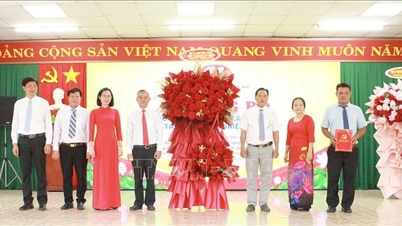
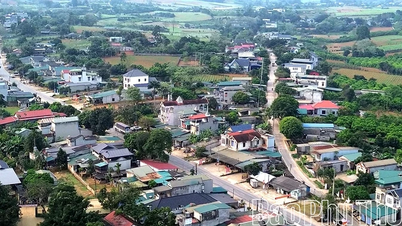
Dong Nai City was established according to Resolution No. 30-NQ/2026/QH16 dated April 24, 2026, of the National Assembly, officially commencing operations on April 30, 2026. It has a natural area of 12,737.18 km², accounting for 3.84% of the country's total area (ranking 9th) and 45.4% of the Southeast region's area; with a population of over 4.5 million people, ranking 5th nationwide. The city comprises 95 administrative units (62 communes and 33 wards) with 1,772 hamlets, villages, and neighborhoods. The administrative and political center of Dong Nai City is located in Tran Bien Ward.
Source: https://www.sggp.org.vn/thanh-pho-dong-nai-buoc-vao-thoi-ky-phat-trien-moi-post853214.html










![[Video] Sunset at Lap An Lagoon – Where the sun sets over the fishing nets](https://vphoto.vietnam.vn/thumb/340x192/vietnam/resource/IMAGE/2026/05/31/1780192137701_beach-landscape-sea-water-nature-grass-745871-pxhere-com.jpeg)

![[Photo] The General Secretary, President and his wife lay flowers at the Ho Chi Minh Monument in Manila.](https://vphoto.vietnam.vn/thumb/1200x675/vietnam/resource/IMAGE/2026/05/31/1780219759477_anh-man-hinh-2026-05-31-luc-16-29-07.png)

























































Comment (0)