

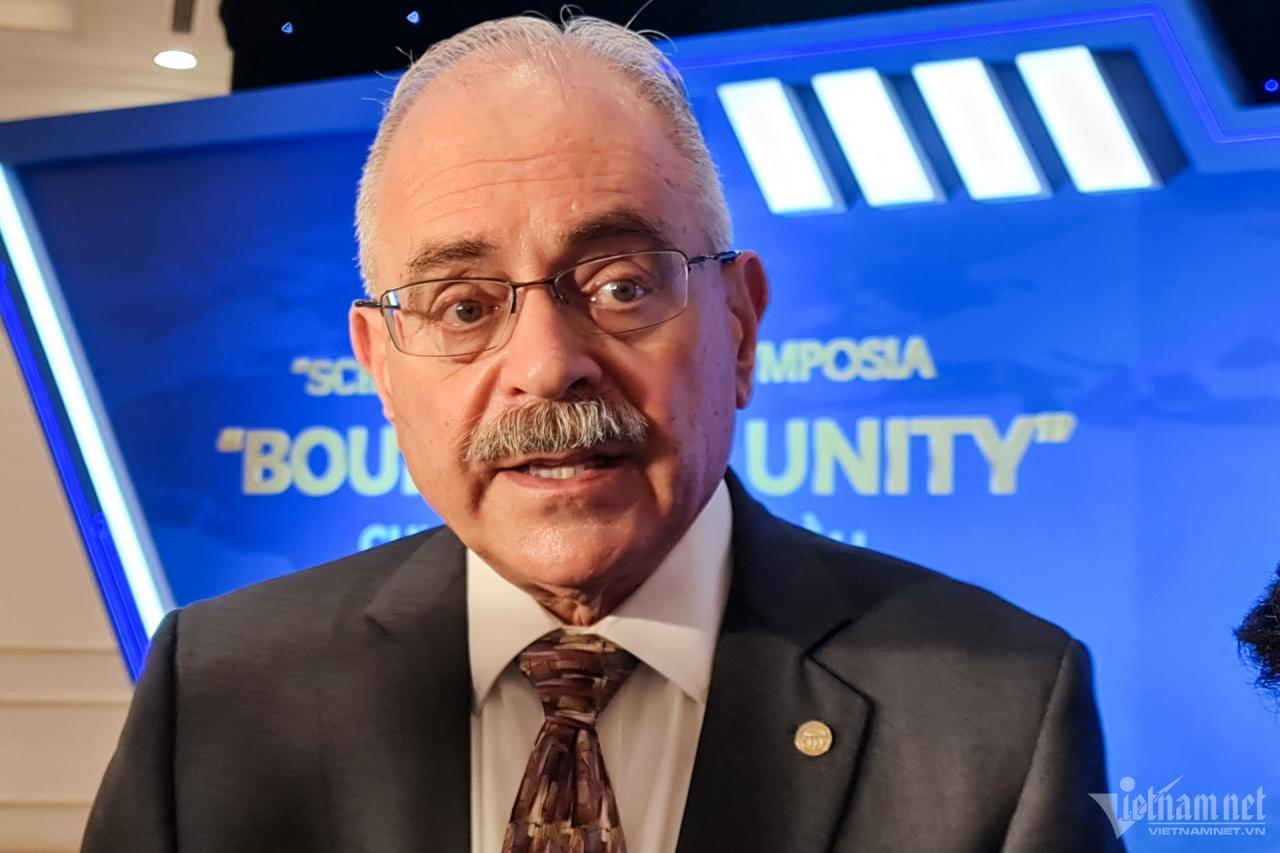
On the sidelines of VinFuture Science Week, Professor Albert Pisano (University of California, San Diego) shared his insights and suggested some directions for Vietnam to develop its semiconductor industry.
Vietnam is looking to develop its semiconductor industry. From your perspective, what should a developing country like Vietnam do to participate in the global semiconductor industry?
Professor Albert Pisano: Countries, whether large or small, can participate in the semiconductor industry. The important thing is that in the process, countries need to have the right approach.
Vietnam doesn't necessarily have to undertake large-scale projects right from the start. You can begin by participating in smaller stages, becoming part of the semiconductor supply chain, and then developing from there.
We can take China as an example. They started developing their semiconductor industry by producing small components and parts. Gradually, they developed into a comprehensive, complete, and very strong semiconductor ecosystem. Vietnam can absolutely approach the semiconductor industry from a similar perspective.
Given its current starting point, which segments of the semiconductor industry can Vietnam participate in?
Professor Albert Pisano: Countries are waiting and hoping that Vietnam will join the global semiconductor industry. However, some of the world 's most advanced and superior technologies, such as 2nm chips, are not suitable for Vietnam to enter this field.
Vietnam currently has strengths in the manufacturing sector. For example, producing a wireless headset requires the combination of many factors, from plastic production, audio technology, wireless technology, and so on.
Vietnam has proven that it is perfectly capable of producing such products. Therefore, Vietnam can start from here. Vietnam will do well because it has already shown the world that it is doing well. This is the most suitable point for Vietnam to enter the global semiconductor supply chain.
Mastering technology requires strong domestic resources. So how can Vietnam promote the development of domestic semiconductor companies?
Professor Albert Pisano: Singapore and several other countries have successfully fostered the development of their domestic semiconductor industry. I think the solution is simple. Make more friends. Vietnam should find friends and partners who are willing to share and support each other, instead of doing everything alone.
With the initial success achieved so far, Vietnam can continue on that path. I believe this path will bring Vietnam even more success in the future.
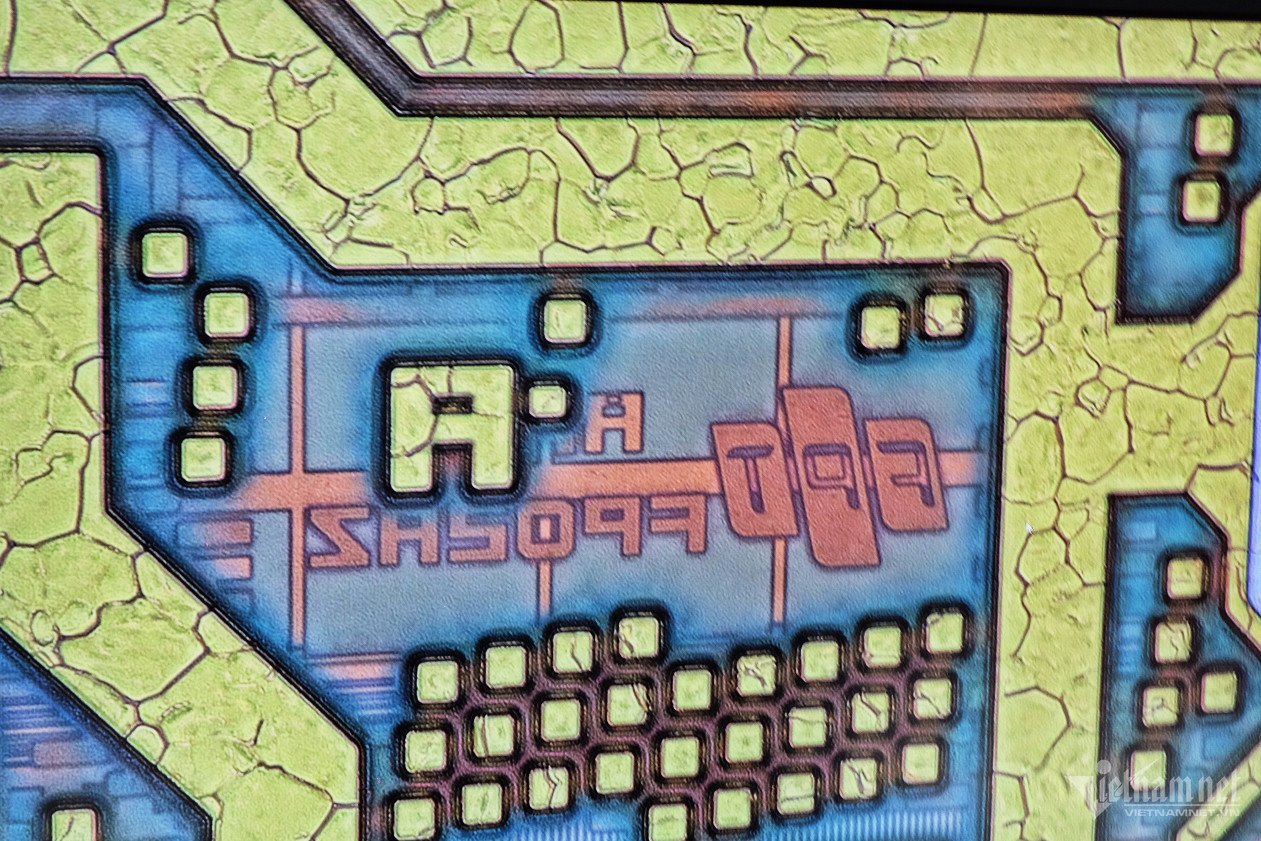
The world is witnessing a shortage of semiconductor professionals. How should Vietnam train semiconductor personnel to address this shortage?
Professor Albert Pisano: Vietnam has taken the right first steps in developing human resources for the semiconductor industry. Vietnam also has universities and research institutes in the semiconductor field, and these facilities are growing.
The quality of research at Vietnamese universities is also steadily increasing. VinUni University can be a prime example of this.
I had the opportunity to have brief discussions with several lecturers from a number of Vietnamese universities, including VinUni. While discussing their ongoing projects, I was very impressed to find that most of Vietnam's research is geared towards the most advanced technological solutions.
Vietnam already has a training system in place. The important thing is to promote and integrate people into that system. By further strengthening training, I think there will be positive results for Vietnam.
Thank you, sir!

Source



![[Image] A brilliant symphony and explosive power in the skies of Da Nang.](https://vphoto.vietnam.vn/thumb/1200x675/vietnam/resource/IMAGE/2026/05/31/1780196945787_anh-man-hinh-2026-05-31-luc-10-08-51.png)
















![[Video] Sunset at Lap An Lagoon – Where the sun sets over the fishing nets](https://vphoto.vietnam.vn/thumb/340x192/vietnam/resource/IMAGE/2026/05/31/1780192137701_beach-landscape-sea-water-nature-grass-745871-pxhere-com.jpeg)














































































Comment (0)