

Great opportunities, but also significant obstacles.
“The global gaming market is booming, projected to be worth $2.2 trillion by 2030, with an annual growth rate of approximately 8.9%,” Brian Nguyen, Marketing Director of GOSU, stated, highlighting this significant figure at the seminar "Survival & Growth: What are the strategies for game companies to expand globally?".
According to a report from DataAI & AppMagic, Vietnam has risen to the top 5 globally in game downloads, reaching 4.2 billion downloads in just about 4 years (from 2019 to Q1/2023). By 2026, revenue from games and applications in Vietnam is estimated to reach $2.7 billion.
Many big names in Vietnamese gaming have made their mark on the global gaming industry map, such as VNG with 261 million game downloads since 2019, or Amanotes with 2.9 billion downloads in 190 countries…
However, the Vietnamese gaming industry has yet to fully exploit its potential. Vietnamese businesses only control 22% of the domestic mobile gaming market, with the remainder belonging to foreign competitors. The profit margin of Vietnamese gaming companies is only 3-5% of revenue. The Vietnamese gaming industry accounts for less than 0.5% of the global market value.
According to Brian Nguyen, Vietnamese game companies are facing numerous challenges. The economic downturn following the Covid-19 pandemic has significantly impacted their ability to invest in game products, reducing ARPPU (average revenue per paying user). Global political instability forces game companies to reconsider releasing games in conflict-ridden markets. Not to mention the risks of cybersecurity and the potential for hackers to attack games and steal data for sale.
"There have never been so many obstacles as there are now. Many game studios are struggling to survive, let alone thrive. In the past, $20,000 was enough to make a game, but now even $50,000 isn't enough to survive and grow," shared Dong Ha, Marketing Director of Hala Games.
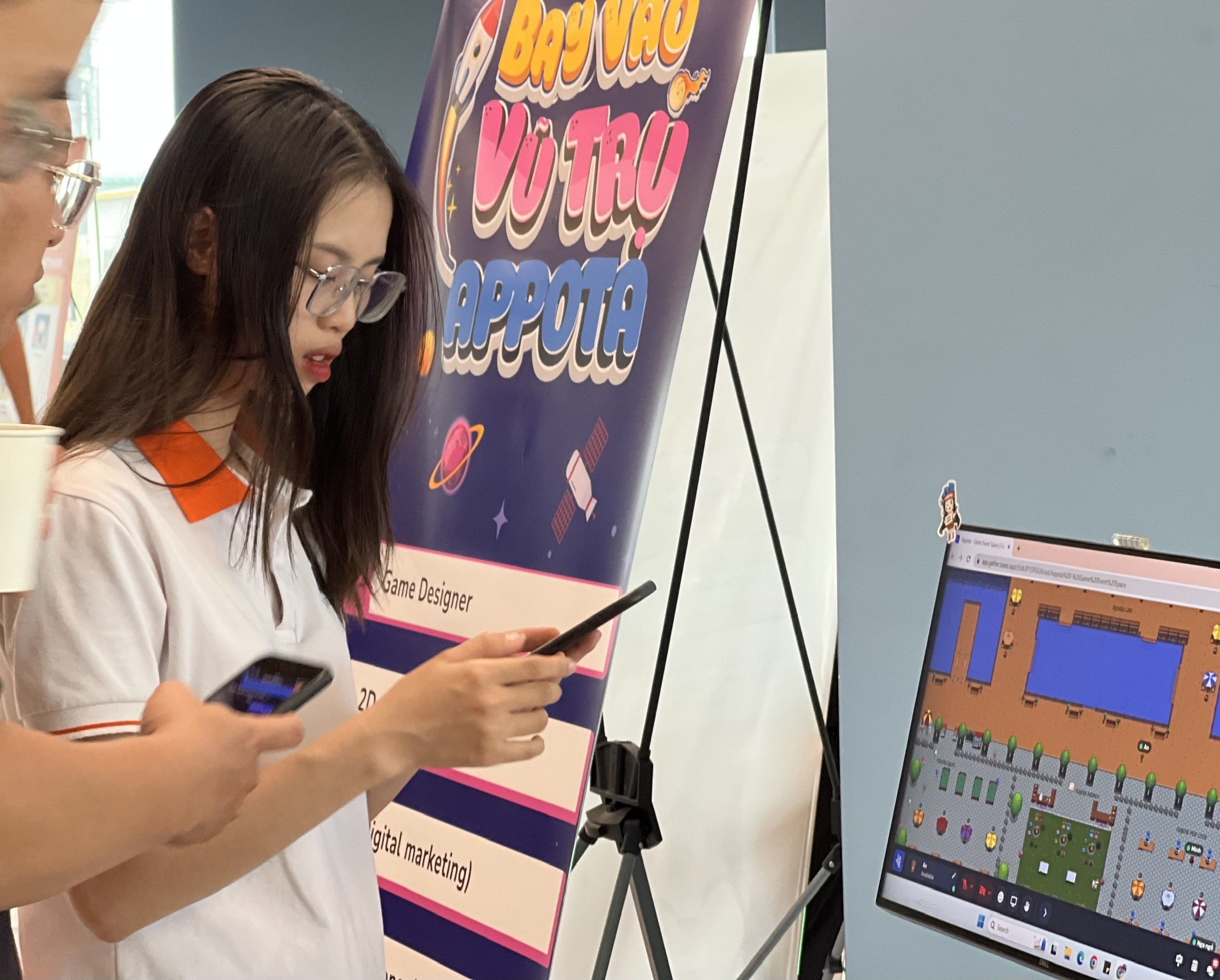
What direction should Vietnamese game companies take?
Studios are now thinking not only about releasing games domestically but also aiming for the global market.
“Taiwan (China), Indonesia, Brazil… are potential markets. The approach depends on the resources each company has. If we have enough resources, we can target multiple markets and then choose the most suitable one. With Hala Games, we find the niche market we understand best to conquer first, and then move on to other markets,” Mr. Dong Ha shared.
Mr. Minh Nguyen, Director of Technology at GAPU, suggested: “In the beginning, no one knows for sure which market is best to launch a product in; everything depends on the data returned after testing in those markets. It's best to ‘diversify your investments,’ but each ‘basket’ must have a minimum number of ‘eggs’ to draw accurate conclusions. A minimum of 1,000 users per country is needed to have sufficient data and avoid misconceptions.”
Mr. Quan Vuong, Marketing Director of Negaxy Studio, recommends thoroughly researching market reports on games to understand what competitors are doing. Identify which markets those pioneers are targeting, and then select some markets where they are already performing well to reduce testing costs, before focusing budget on the most promising market.
To achieve sustainable growth in the game industry, two approaches are necessary: leveraging strengths and continuously improving core products to ensure stable revenue; and embracing new game trends to reach new heights.
"We can review our game library to improve and reuse games that are similar to trending ones. Before jumping on a trend, we must carefully analyze market data, predict the break-even point, and assess whether we can withstand losses. At Negaxy Studio, we only proceed if the risk is low; if the risk is high, we mostly decline, except for games that the whole company really loves," Mr. Vuong added.
Vietnamese game company executives unanimously agree that, in addition to having a stronger and more cost-effective core product line compared to competitors, a certain amount of capital must be allocated to R&D (research and development) of new games or marketing strategies. They must find something new to cope with market fluctuations.
Source: https://vietnamnet.vn/thi-truong-2-200-ty-usd-game-viet-khai-thac-duoc-bao-nhieu-2332185.html



![[Image] Pleasant weather helps students enter the 10th grade entrance exam with confidence.](https://vphoto.vietnam.vn/thumb/1200x675/vietnam/resource/IMAGE/2026/05/29/1780034401612_ngay-1-thi-lop-10-minh-duy-8-5009-jpg.webp)
![[Photo] Ba Lang An Lighthouse - the "eye of the sea" amidst the "rock museum" of Quang Ngai province.](https://vphoto.vietnam.vn/thumb/1200x675/vietnam/resource/IMAGE/2026/05/29/1780038698840_anh-man-hinh-2026-05-29-luc-14-10-42.png)



















































































Comment (0)