

Act quickly!
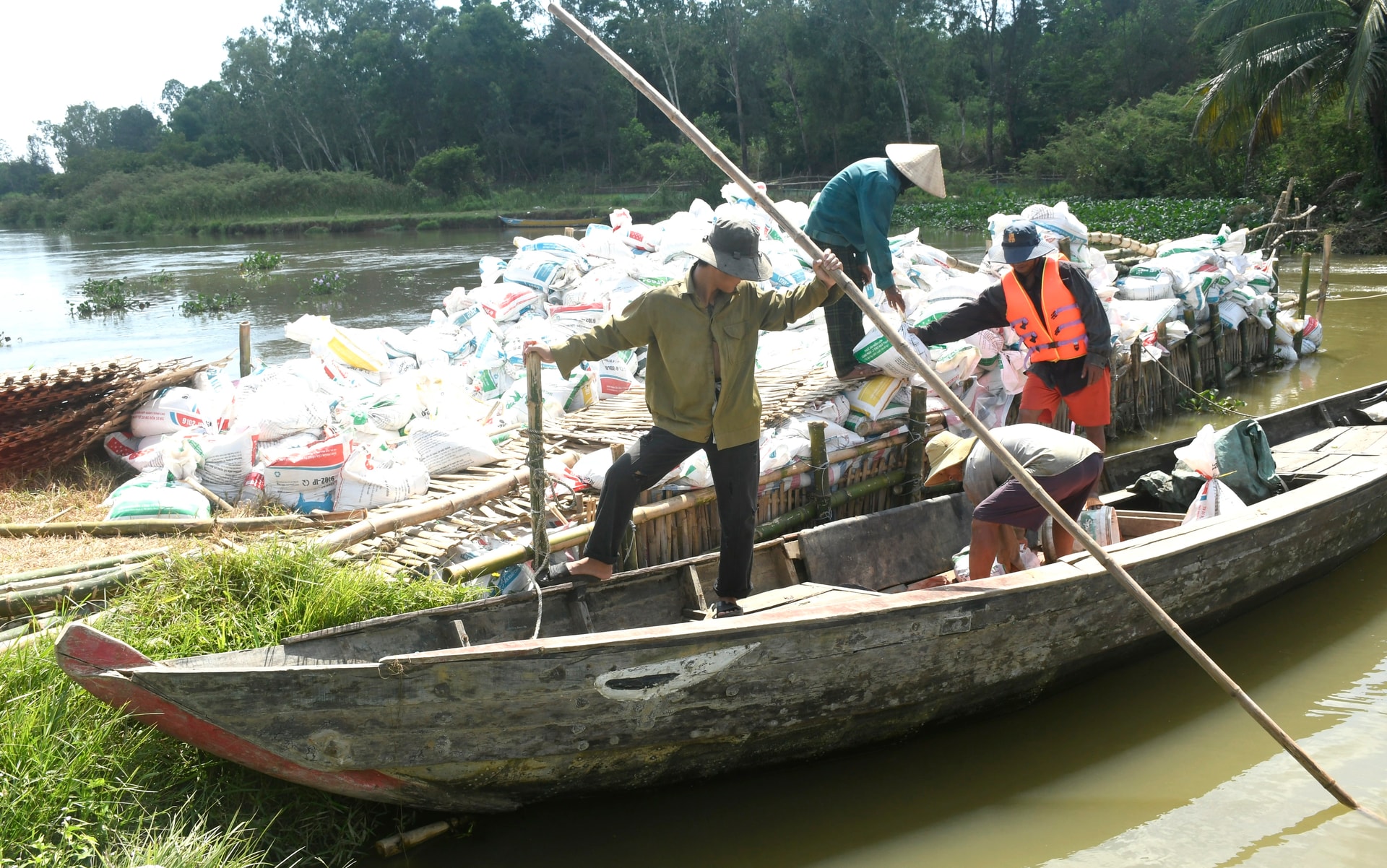
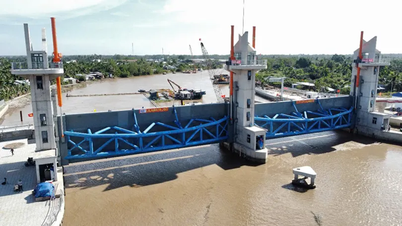
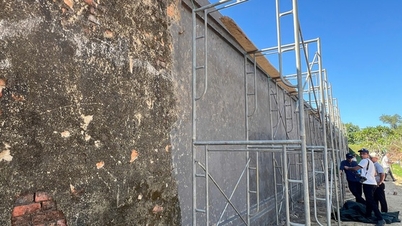
Despite the scorching heat, the workers constructing the saltwater intrusion barrier on the My Cang River (Ban Thach ward) continue to work tirelessly. They constantly carry bamboo stakes to reinforce the dam's body, use steel cages to strengthen the dam's gates, and use sandbags to build up the dam.
The saltwater intrusion barrier dam, nearly 30 meters long and 5 meters wide, is being built on the My Cang River to ensure irrigation water for over 300 hectares of summer-autumn rice in Ban Thach and An Phu wards. Mr. Ung Van Luoc, the head of the construction team for the saltwater intrusion barrier dam on the My Cang River, said the project is expected to be completed, handed over, and put into use within the next 15 days.
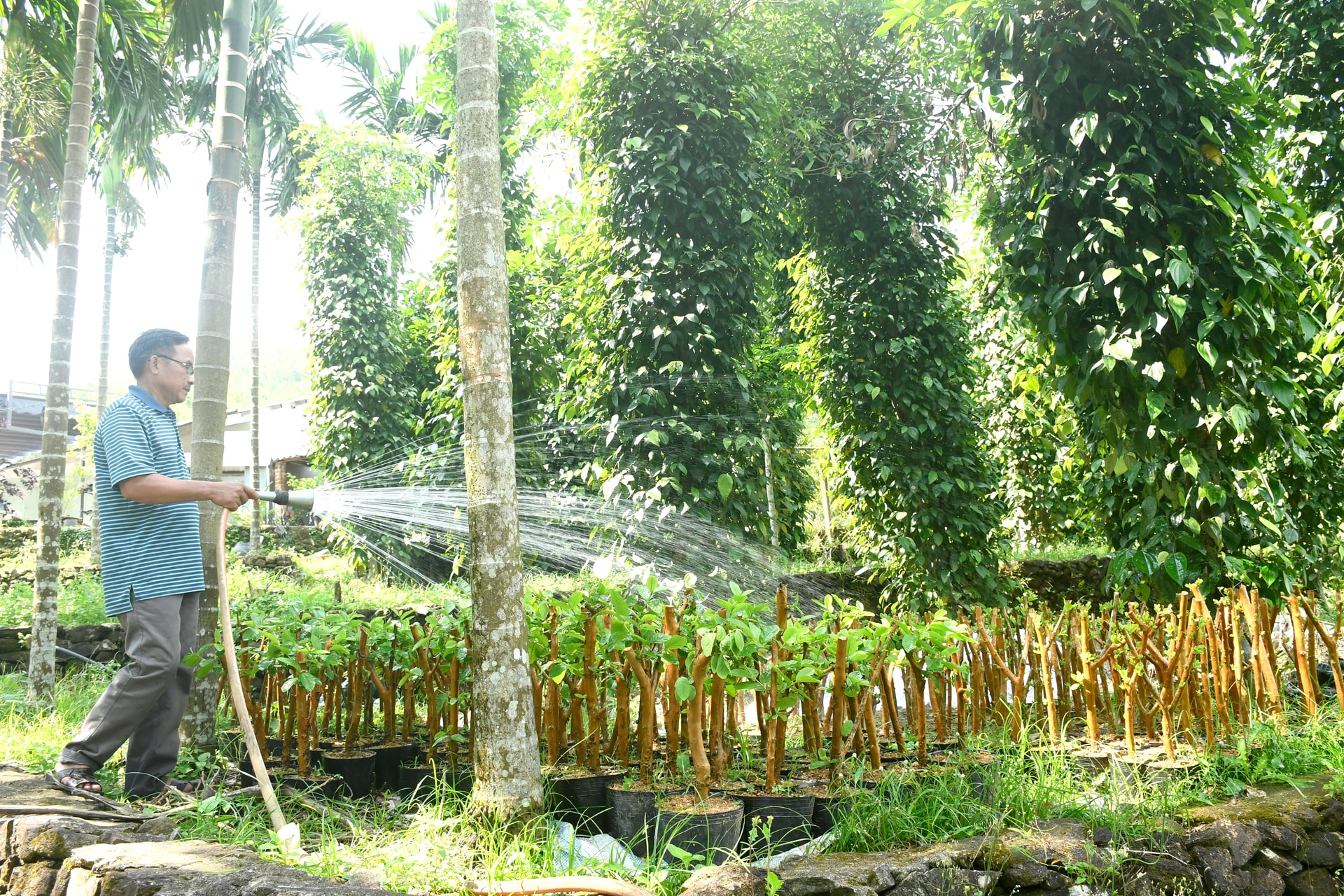
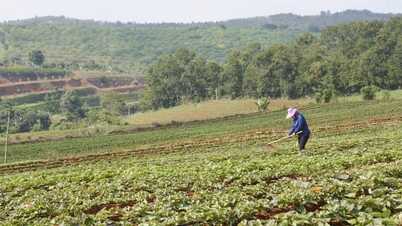
In Tien Phuoc commune, there are 370 hectares of land used for summer-autumn agricultural production, so in recent days, the local agricultural sector and farmers have focused on clearing the waterways and reinforcing the water supply system.
Mr. Le Nguyen Hung, Head of the Economic Department of Tien Phuoc commune, said that production areas in the locality are implementing drought prevention measures. The locality is closely monitoring weather developments and the level of drought to have appropriate solutions at each time. In addition to using the commune's irrigation system, people are also taking advantage of local water sources such as ponds, lakes, rivers, and streams to irrigate crops and combat drought.
This year's summer-autumn crop season is predicted to face many challenges as El Nino emerges, bringing with it the risk of drought, water shortages, and saltwater intrusion. In the context of limited water resources, the agricultural sector and local authorities are carefully planning and efficiently utilizing each water source.
Mr. Tran Van Ninh, Director of Binh Nam Agricultural Service Cooperative (Thai Dong village, Thang Truong commune), said that the unit is implementing solutions to store and conserve water, including investing in small water storage areas and rainwater harvesting facilities.
“The cooperative is making the most of water resources; accelerating the construction of small-scale irrigation projects to promptly prevent saltwater intrusion and store freshwater for production during the dry season. We are mobilizing farmers to build embankments around each cultivation area to store freshwater. Along with operating, regulating, and distributing water rationally, we are restructuring crops, converting more than 150 hectares of rice fields to dryland crops such as peanuts and corn,” Mr. Ninh said.
Synchronize solutions
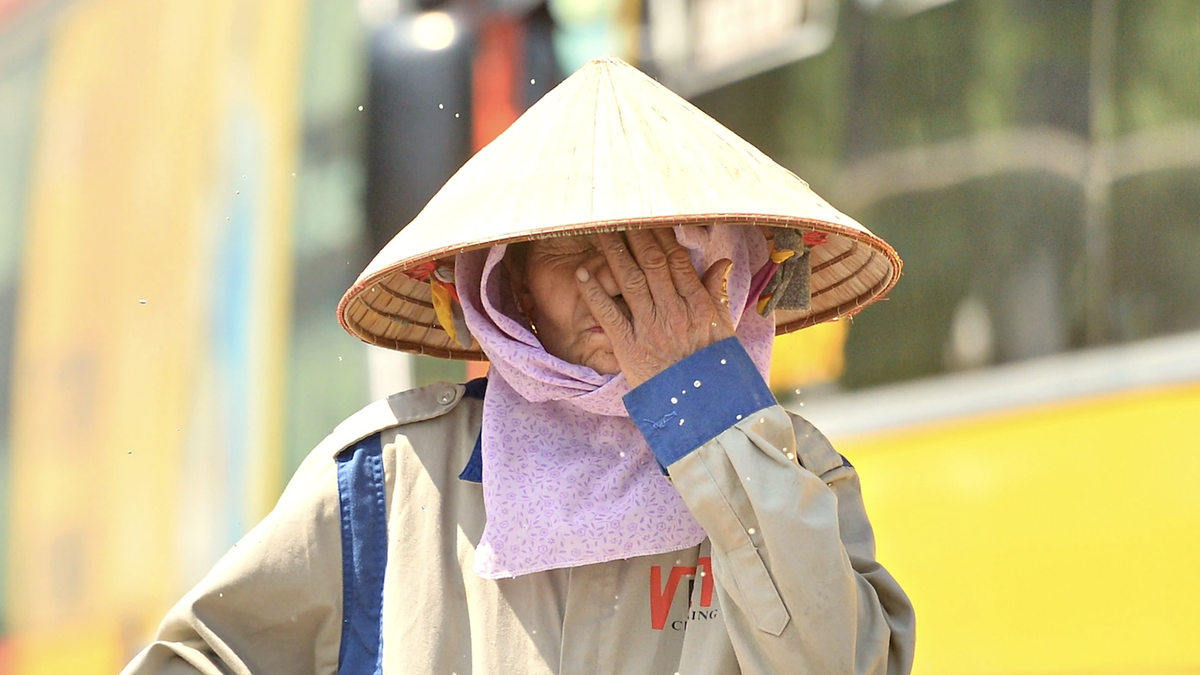
According to Mr. Le Tu Tuan, Head of the Crop Production and Plant Protection Sub-Department (Department of Agriculture and Environment), forecasts indicate that from May to July 2026, the intensity of hot weather in the city is expected to increase, potentially leading to water shortages for irrigation and saltwater intrusion, which will significantly impact agricultural production.
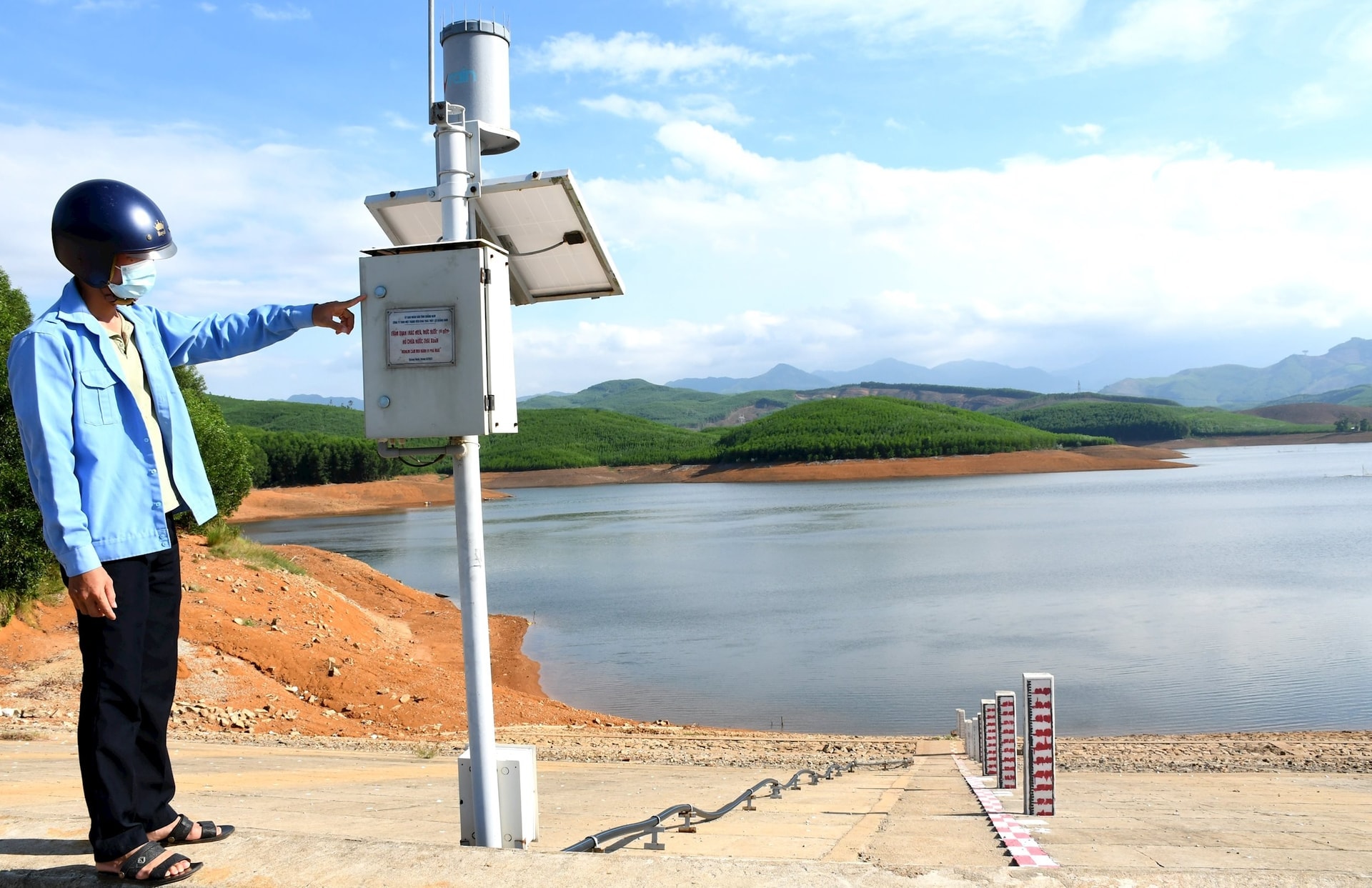
To cope with drought and saltwater intrusion, the unit prioritizes disseminating information and guiding people to select and use short- and medium-day rice varieties for cultivation, thereby shortening production time and saving irrigation water.
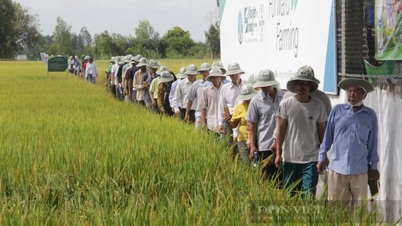
In addition, authorities are encouraging farmers to switch to short-term dryland crop production or cease production in areas at the end of irrigation canals where water shortages frequently occur. They are also promoting the application of scientific advancements in production, such as the "1 must, 5 reductions" technique (must use certified seeds; reduce the amount of seeds sown; reduce the amount of chemical fertilizers; reduce the use of pesticides; reduce irrigation water; and reduce post-harvest losses); the improved SRI rice cultivation technique (ecological, efficient, and high-yield rice cultivation, especially reducing input costs such as seeds, fertilizers, and irrigation water); and the alternating dry-wet irrigation technique…
To ensure the sustainable development of the crop sector under drought and saline intrusion conditions, the Department of Crop Production and Plant Protection will focus on selecting drought- and saline-tolerant crop varieties for production in water-scarce areas in the coming period.
Applying new science and technology to farming in arid and saline-affected areas will conserve water and increase production efficiency. Coordinating research and proposing investments in irrigation projects, constructing new reservoirs and salinity control dams to serve production. Implementing solutions for regulating irrigation water, collecting water from various sources to store in reservoirs and dams, and using water rationally.
"The most fundamental solution to apply in the upcoming seasons with drought and saltwater intrusion is the planning of production areas. Based on the planned areas, we will arrange suitable crop systems, regulate water use efficiently and rationally, and apply solutions and technical advancements to production," Mr. Tuan said.
According to Mr. Truong Xuan Ty, Deputy Director of the Department of Agriculture and Environment, the authorities are closely monitoring weather, meteorological, hydrological, and water resource developments to apply measures to prevent and mitigate drought and saltwater intrusion, while also guiding localities to adjust planting seasons, crop varieties, and production organization accordingly.
The agricultural sector advises localities to reduce the planted area in water-scarce regions and areas frequently affected by drought to lessen the pressure on irrigation water. Authorities are operating and regulating water levels in irrigation reservoirs, exploiting and optimizing water resources for efficient summer-autumn crop production.
To respond to drought and saltwater intrusion, the City People's Committee has assigned the Department of Industry and Trade to coordinate with the Department of Agriculture and Environment, relevant units, and localities to agree on a plan for operating and regulating water levels in hydropower reservoirs to ensure water supply for downstream areas.
At the same time, direct the owners of hydropower reservoirs in the area to operate and regulate water levels in the reservoirs during the dry season in accordance with the inter-reservoir operating procedures in the river basin approved by the Prime Minister.
The electricity sector ensures a safe and stable power supply to serve drought relief pumping stations, enabling them to operate regularly, continuously, and effectively.
Source: https://baodanang.vn/thich-ung-voi-kho-han-xam-nhap-man-3336645.html
![[Photo] General Secretary and President To Lam presides over the meeting to approve the draft report on the results of the second inspection by the Politburo of the Standing Committee of the Hanoi City Party Committee.](https://vphoto.vietnam.vn/thumb/1200x675/vietnam/resource/IMAGE/2026/05/26/1779789811432_a2-bnd-4430-9620-jpg.webp)

















































































Comment (0)