

Nghe An province has the largest area of forest and forestry land in the country, with a total planned area of over 1.16 million hectares (accounting for 71.6% of the province's total natural area), and is home to the Western Nghe An Biosphere Reserve with an area of nearly 1.3 million hectares (the largest of Vietnam's nine biosphere reserves).
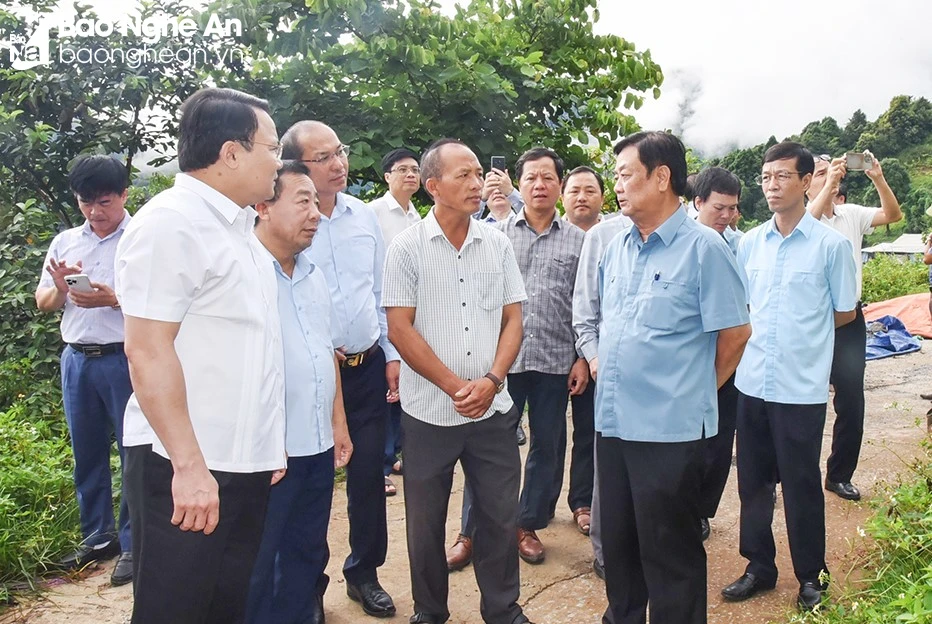
Practical actions for the forest
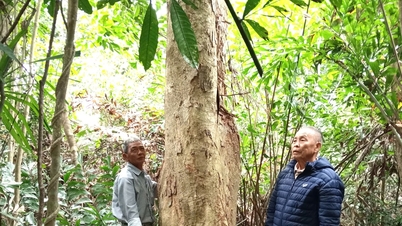
Currently, Nghe An province has approximately 1 million hectares of forest (of which, over 789,000 hectares are natural forest; and over 224,000 hectares are planted forest). Biodiversity resources have been discovered and recorded, comprising approximately 3,961 species (about 3,019 species of higher plants and 942 species of large and small vertebrates).
The existing timber reserves are approximately 91.0 million m³ (including about 81.35 million m³ of natural forest timber and about 9.65 million m³ of planted forest timber); over 1.94 billion bamboo and rattan plants, many valuable medicinal plants, and raw materials for handicrafts and fine arts.
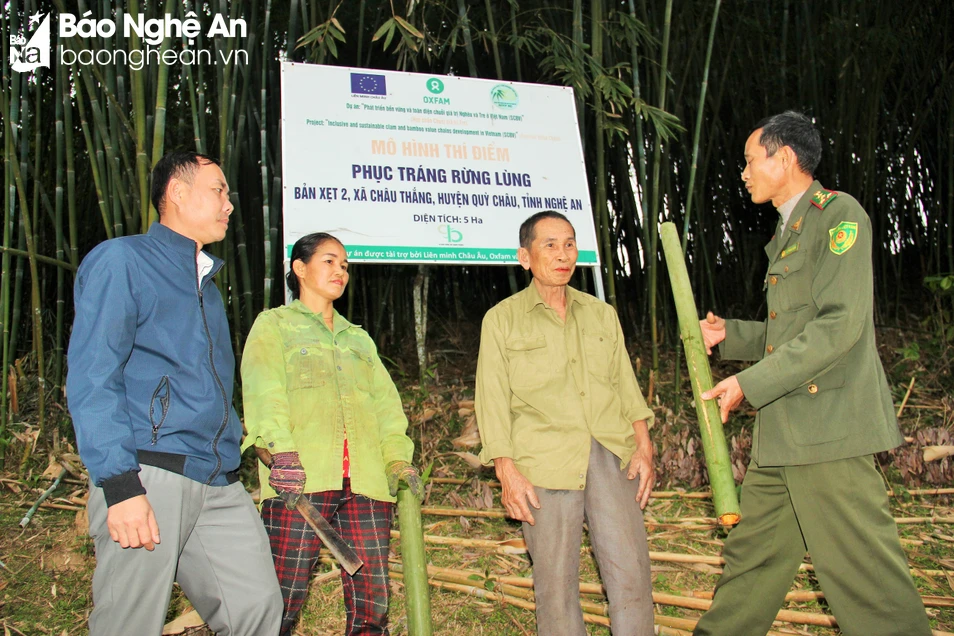
The average annual timber production reaches 1.2 - 1.4 million m³ of plantation timber and thousands of tons of medicinal herbs and non-timber forest products. Notably, the Prime Minister issued Decision No. 509/QD-TTg on March 31, 2021, establishing the High-Tech Forestry Application Zone in the North Central region of Nghe An province. These conditions provide a foundation for sustainable environmental protection and a potential source of raw materials for the production of wood and non-timber products, creating many advantages for the socio-economic development of the province and the forestry sector.
In accordance with Decision No. 4378/QD-UBND dated December 30, 2022, in 2023, the Forestry sector successfully carried out the task of protecting the existing forest area of 962,230 hectares. Simultaneously, it effectively implemented reforestation efforts, planting 16,072 hectares and 6.515 million scattered trees to date. Furthermore, it cared for 54,000 hectares of forest and protected 76,000 hectares, producing over 42.06 million seedlings of various types. On the concentrated planted forest area, the entire sector harvested 1,282,670 m³ of timber and 1,143.2 tons of pine resin…
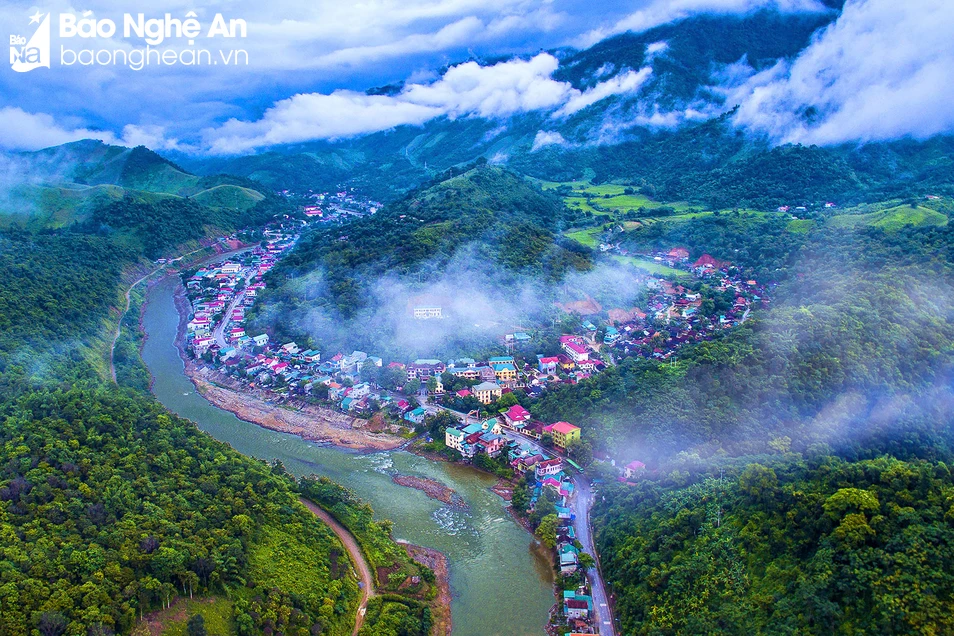
Along with effectively implementing the conversion of forest land use, in 2023, the Forestry sector planted 55,187.34 hectares of replacement forest. To date, the entire province has 15,614.17 hectares of forest certified under the FSC sustainable forest management program (of which, planted forest area is 14,775.37 hectares and natural forest is 838.90 hectares) and has effectively implemented measures to combat illegal logging, prevent and control forest fires, and conserve nature...
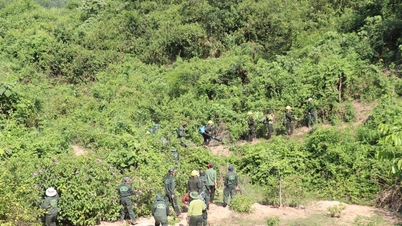
Regarding forest management and development, representatives from the Nghe An Forest Protection Department stated: In recent times, the Department has proactively advised the Department of Agriculture and Rural Development and the Provincial People's Committee on the management, protection, utilization, and development of forests and forest products. They have effectively carried out propaganda, inspection, and legal activities in the field of forest management, protection, and development. They have strengthened coordination in patrolling and protecting forests at the source, preventing acts of encroachment on forest resources; and proactively implemented effective forest fire prevention and control measures. As a result, forest cover currently stands at 58.36%.
In particular, the Nghe An Forest Protection Force has done a good job in applying scientific and technical advancements in forest management and protection, such as: applying digital transformation in land and forest allocation; monitoring forest changes; preventing and controlling forest fires… Implementing mechanisms and policies for forest management and protection, planting forests to green barren land and hills, and developing socio-economic conditions in ethnic minority and mountainous areas.
Vietnam's largest terrestrial world biosphere reserve.
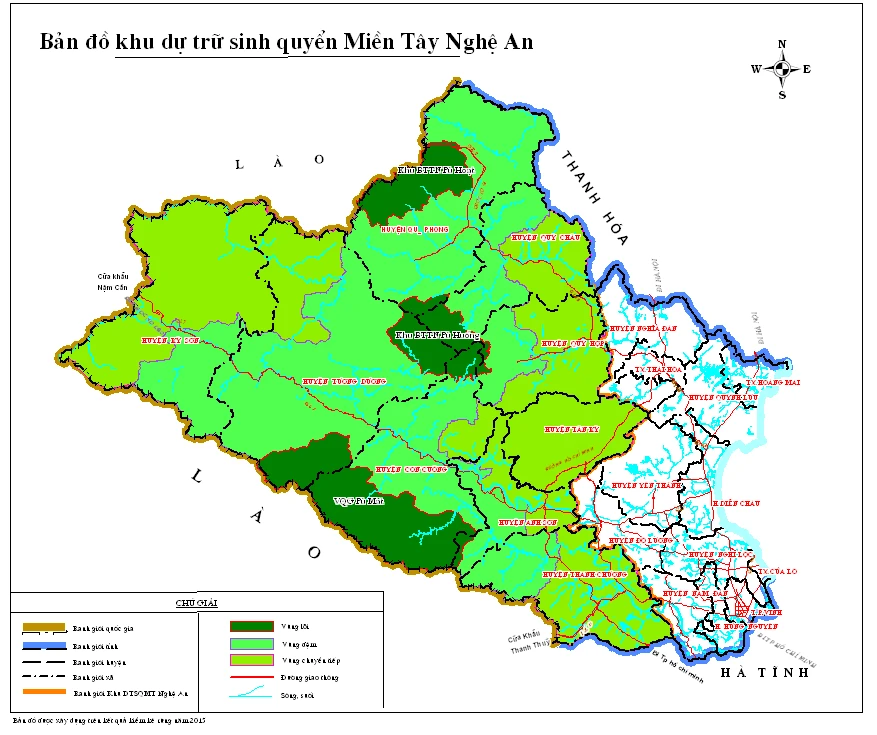
The Western Nghe An Biosphere Reserve was recognized by UNESCO in 2007. It is the largest terrestrial world biosphere reserve in Vietnam, with a total area of nearly 1.3 million hectares (in nine districts of western Nghe An province, with a green corridor connecting three core areas: Pu Mat National Park, Pu Huong Nature Reserve, and Pu Hoat Nature Reserve), accounting for more than 84% of the total area of Nghe An province; the population is approximately over 1 million people (comprising six ethnic groups), accounting for about 30.14% of the total population of the province.
This area boasts high biodiversity, with many endemic, endangered, and rare species of flora and fauna, and a diverse range of identities from the six ethnic communities living here; it also contains many famous landscapes, scenic spots, and historical sites.
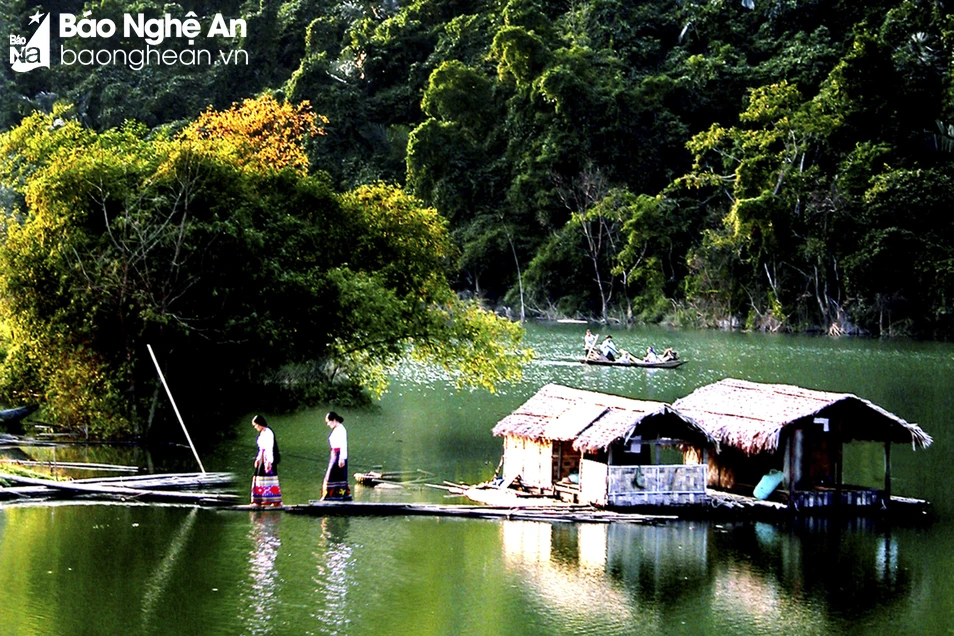
In 2023, the Nghe An Forestry Department and the Management Board of the Western Nghe An World Biosphere Reserve carried out many important activities: Implementing the "Management Strategy of the Western Nghe An World Biosphere Reserve for the period 2017-2027, with a vision to 2030"; participating in reviews and providing opinions on socio-economic development projects implemented within the reserve area, offering timely recommendations to ensure a harmonious balance between socio-economic development and sustainable development of the Western Nghe An Biosphere Reserve. At the same time, they promoted the role and function of the World Biosphere Reserve towards the goal of "Development for conservation, conservation for development"; contributing to the province's sustainable development goals; and preserving and developing the biodiversity and unique cultural identity of Western Nghe An.
The Western Nghe An Biosphere Reserve has received significant attention from central ministries and agencies, UNESCO, the Vietnam National Committee for the Man and Biosphere Program (MAB Vietnam), and the leadership and guidance of the Provincial Party Committee and People's Committee. The coordination of various departments and agencies, along with the support of the local people, has resulted in certain achievements. Currently, the area is gradually developing its status as a World Biosphere Reserve, aiming for this status to become a brand for Nghe An province.
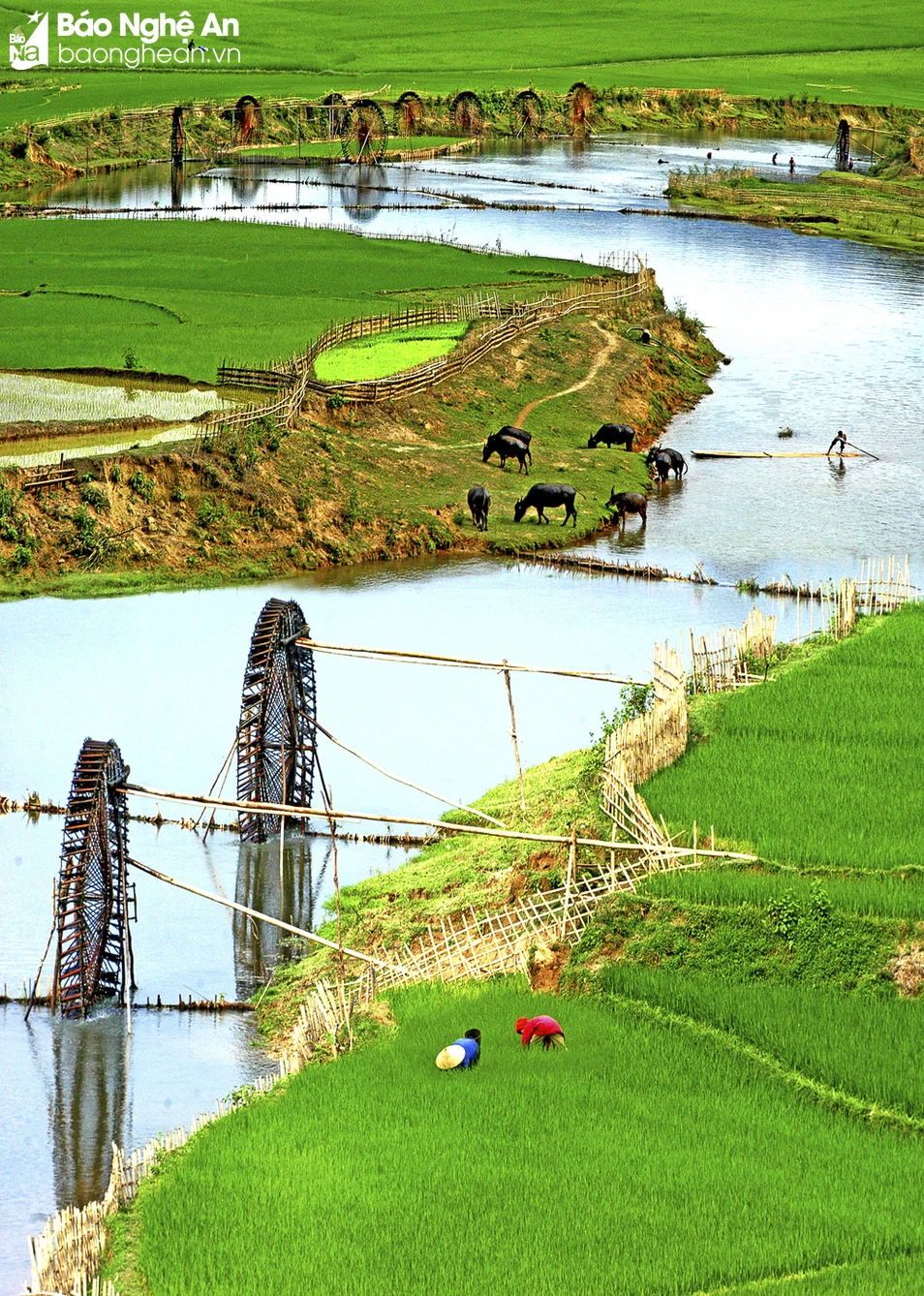
The formation and development of the Western Nghe An Biosphere Reserve over the years has made significant contributions to the development of the Western Nghe An region and the entire province. The economic potential in the Western Nghe An region has seen considerable growth, with a positive shift in the economic structure.
The agricultural, forestry, and mineral processing industries have undergone significant transformation, shifting from primarily producing raw products to refined and deep processing, applying modern technology to create high-value products and opening up new avenues for market development. Education and training have seen many positive changes, and the quality of human resources has improved.
Socio-cultural aspects have seen significant progress; the living standards of people in mountainous and ethnic minority areas have improved; social welfare, poverty reduction, and job creation have yielded considerable results; the gap in development levels and living standards between the people of western Nghe An province and the provincial average has gradually narrowed. Political security, social order, and safety are ensured, and national border sovereignty is maintained. Service and tourism activities have achieved many positive results.
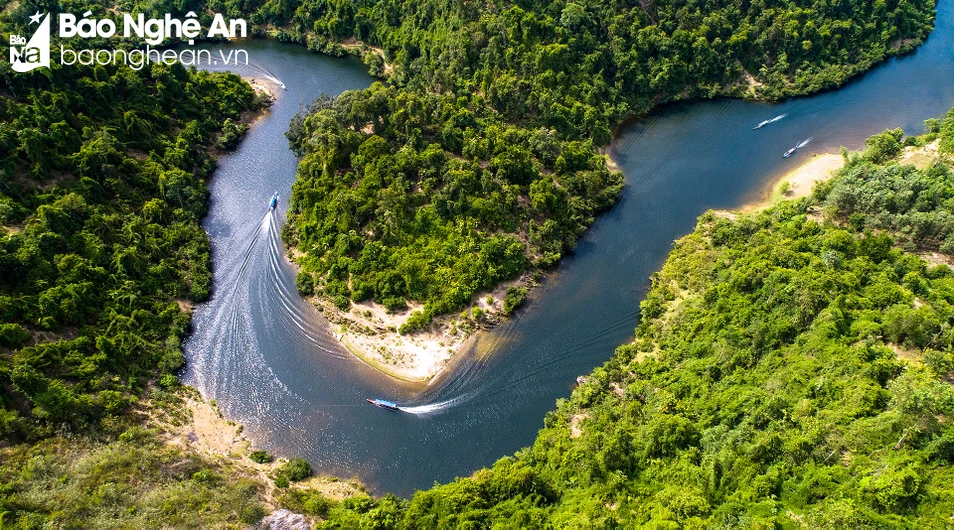
In 2023, the Nghe An Forestry Department and the Management Board of the Western Nghe An Biosphere Reserve conducted surveys and reviews of potential products and services, and supported, promoted, and introduced nearly 20 products bearing the eco-label "Western Nghe An Biosphere Reserve". Consultation workshops were organized on the implementation of the labeling plan, involving businesses, production facilities, managers, and investors. Support was also provided for the project "Integrating natural resource management and biodiversity conservation goals into socio-economic development planning and management of Vietnam's biosphere reserves". Furthermore, effective coordination and organization of diverse and engaging communication activities were achieved.
The key task for 2024 is to continue implementing the "Strategy for the Management of the Western Nghe An Biosphere Reserve, 2017-2027, with a vision to 2030" and to strengthen the prevention and control of plastic waste within the biosphere reserve. The plan to affix the eco-label "Western Nghe An Biosphere Reserve" will continue to be implemented, combined with promotional activities for potential products and services originating from the biosphere reserve.
Along with that, we will strengthen international cooperation activities within the network of biosphere reserves both domestically and internationally. We will develop plans to implement new tasks in the Lima Action Plan, UNESCO's Medium-Term Strategy 2022-2029 (41 C/4) as proposed by UNESCO and MAB Vietnam, the Global Biodiversity Framework, especially the Kunming-Montreal Agreement and the Framework Convention on Biological Diversity after 2020, the Global Climate Change Convention and Ramsar Cop14T, such as: promoting the development of biosphere reserves as models of sustainable development, contributing to sustainable development goals, implementing solutions to reduce plastic waste, moving towards zero plastic waste, and promoting ecotourism development within the reserve …” - said Mr. Nguyen Danh Hung, Deputy Director of the Department of Agriculture and Rural Development and Deputy Head of the Standing Committee of the Management Board of the Western Nghe An Biosphere Reserve.
Source




















![[Photo] Reception to welcome General Secretary and President To Lam and his wife on their State visit to the Philippines](https://vphoto.vietnam.vn/thumb/1200x675/vietnam/resource/IMAGE/2026/06/01/1780295488620_vna-potal-chieu-dai-chao-mung-tong-bi-thu-chu-tich-nuoc-to-lam-va-phu-nhan-tham-cap-nha-nuoc-toi-philippines-8798060-7855-jpg.webp)





























































Comment (0)